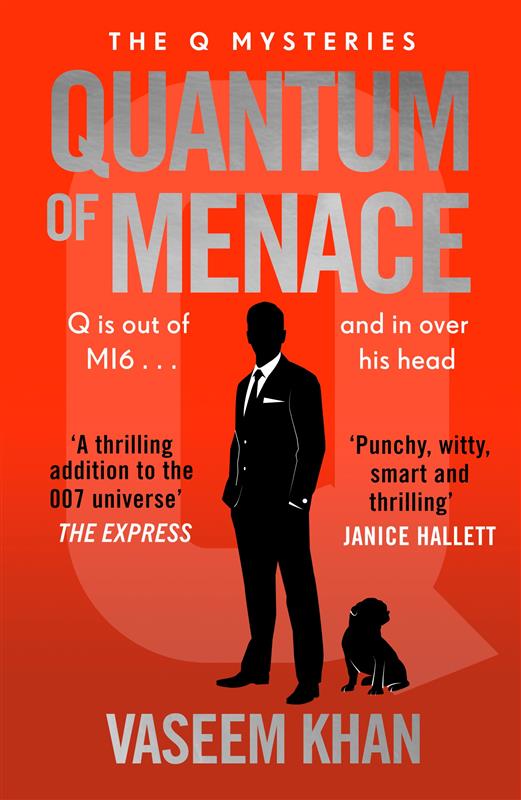
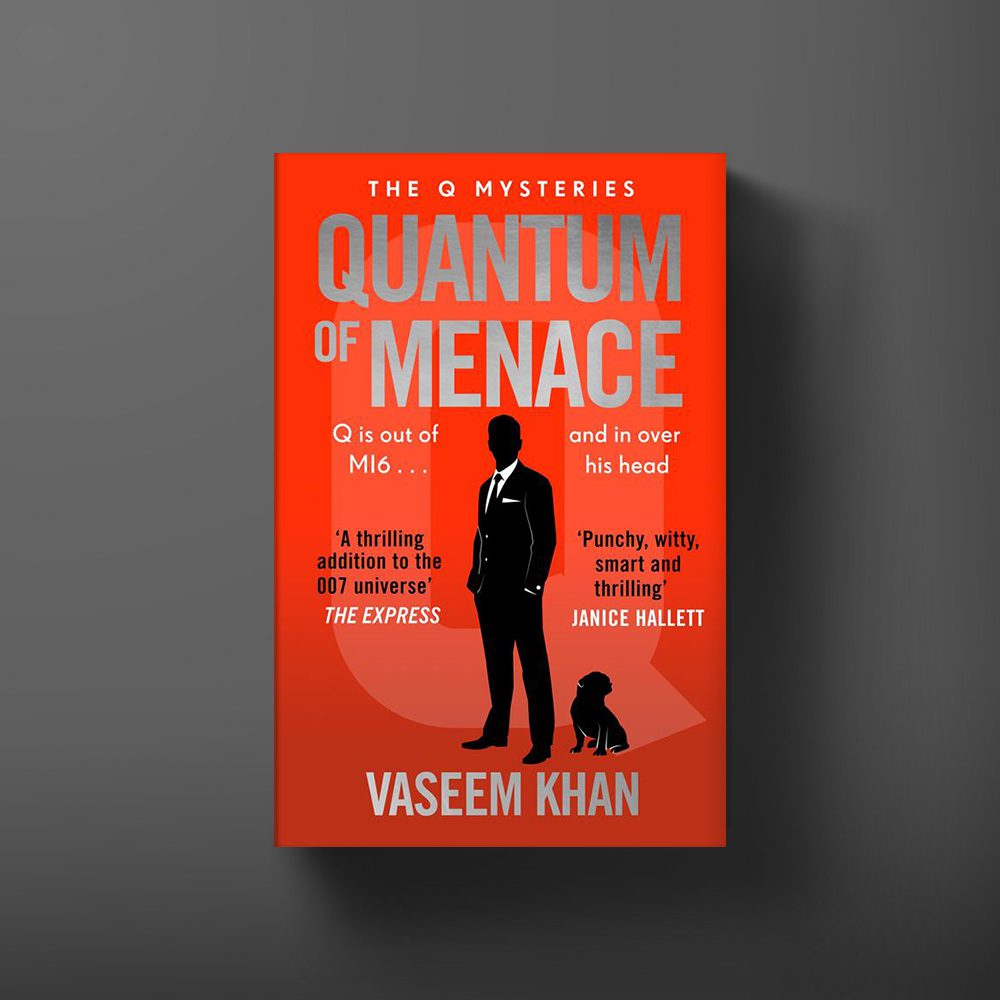
Quantum of Menace, the charming, drily humorous and intelligently crafted first book in the new James Bond spin-off series, The Q Mysteries, is now out in paperback.
Selected as Thriller of the Month by TheSunday Times, Vaseem Khan’s book focuses on Q as he lives his life post MI6, and will appeal to Bond fans and readers of Murder Before Evensong, The Thursday Murder Club and Slow Horses.
After Q (aka Major Boothroyd) is unexpectedly ousted from his role at MI6, he finds himself back in his sleepy hometown of Wickstone-on-Water.
His childhood friend, renowned quantum computer scientist Peter Napier, has died in mysterious circumstances, leaving behind a cryptic note. The police seem uninterested, but Q feels compelled to investigate and soon discovers that Napier’s ground-breaking work may have attracted sinister forces.
Can Q decode the truth behind Napier’s death, even as danger closes in?
‘Punchy, witty, smart and thrilling’ – Janice Hallett
‘Captivating… manages to blend elements of techno-thriller, spy novel, gangland saga and home counties whodunnit, and Vaseem Khan manages to get the balance just right.’ – The Sunday Times
‘Clever, cunning and quirky’ – Mick Herron
‘Excellent. An entertaining mash-up of Fleming, Le Carré and the best of British detective fiction’ – Charlie Higson
Vaseem is discussing his book, the 007 universe and Q’s new era at events across the UK – find out more here.
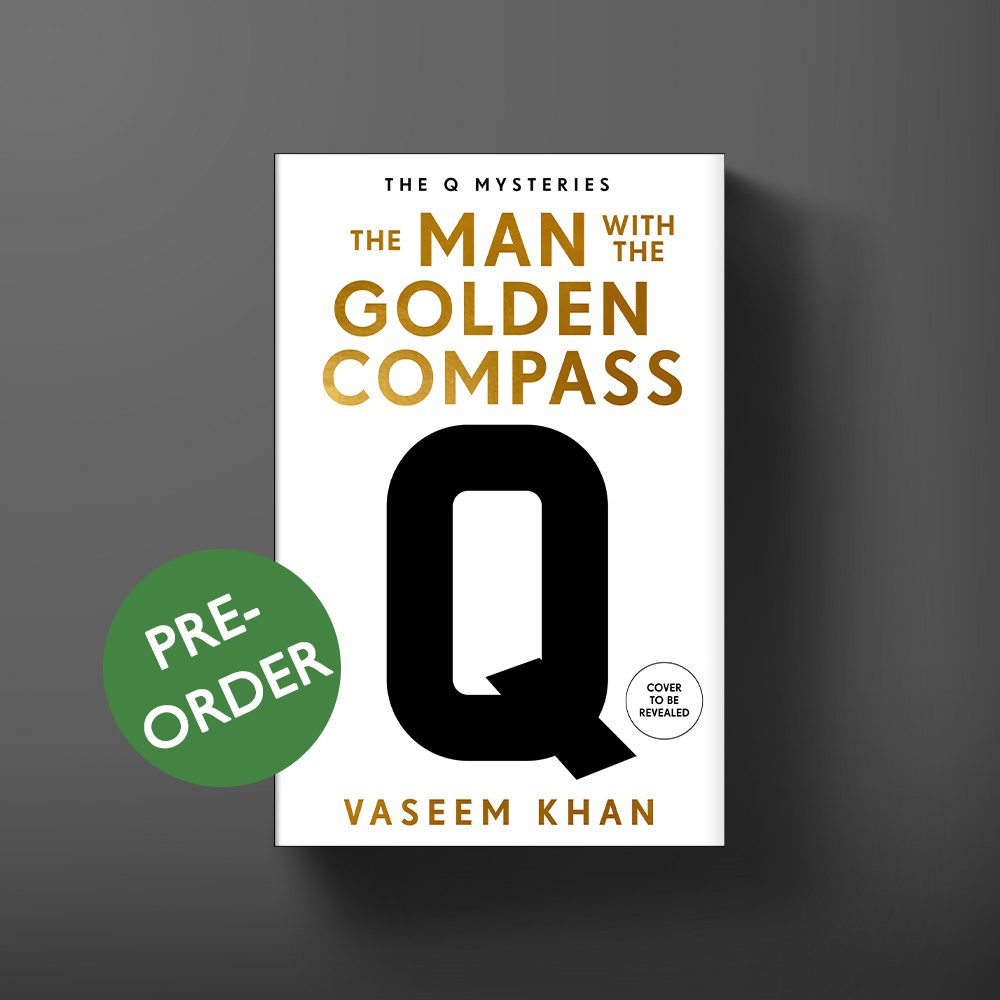
Quantum of Menace is also available in hardback, eBook, and as an audiobook read by Alexander Armstrong. The next book in the series, The Man with the Golden Compass, is out on the 22nd October 2026. Both titles are available to order from ianflemingshop.com.
On 20th March 1942, Ian Fleming, then personal assistant to Admiral Godfrey, Director of Naval Intelligence, proposed the formation of a Special Intelligence Assault Unit. Held under the Official Secrets Act for 50 years after the war, details of his top secret unit are still emerging. Here unit historian Dave Roberts has penned a definitive record for us. Welcome to Part Three: Legacy. Catch up on Part One: Formation here, and Part Two: Missions here.
INTO THE REICH: ROCKETS, SCIENTISTS & SUBS
In Autumn 1944, the unit was withdrawn to the UK for further training, reorganisation and expansion. New Black Books were prepared as the Allies neared the Rhine and focus turned to securing German secret weapons, documents and technologies from the heart of Germany. The unit operated in small teams each with specific targets to exploit as well as the standing order to exploit any targets of opportunity at will. Submarines, propulsion systems, rocket technology, jet aircraft and the scientists behind them were the main targets and, with one eye on a post-war world, the aim was to grab them before the Soviets could.
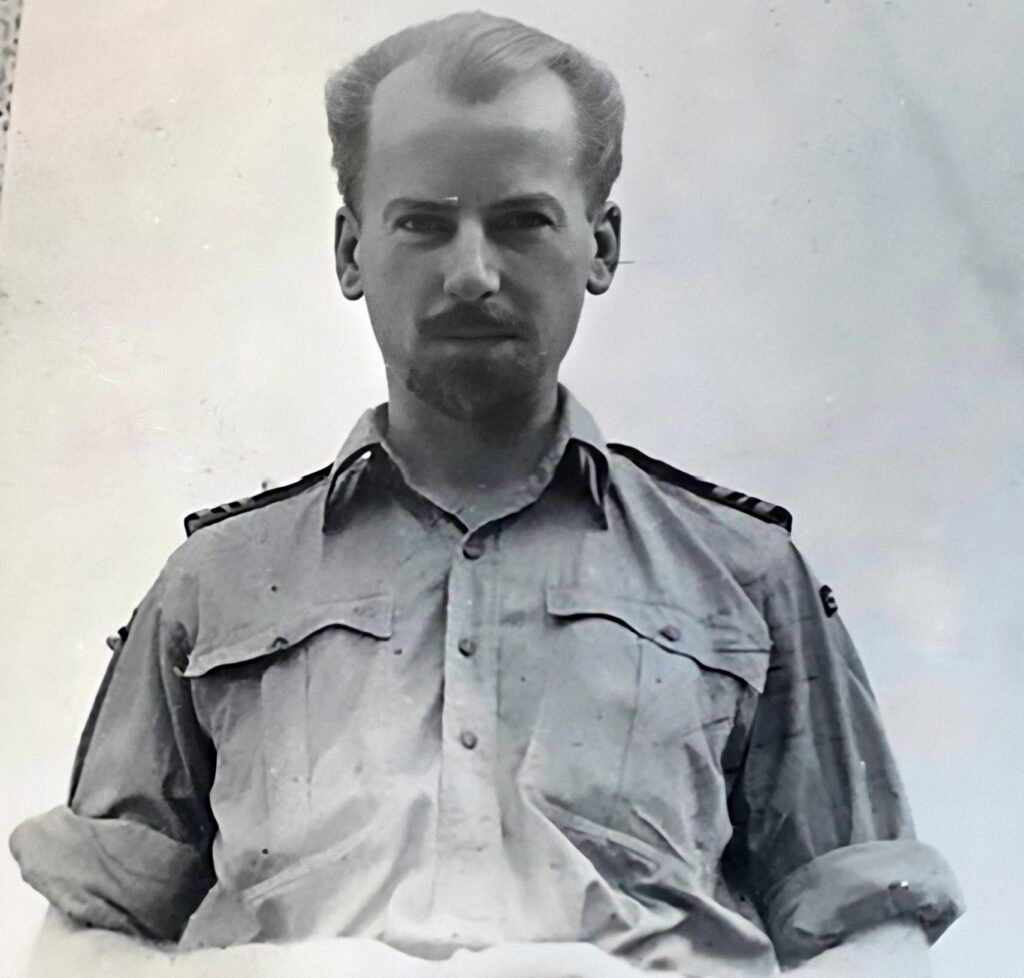
Lieutenant-Commander Dalzel-Job took the surrender of Bremen and captured the SS Europa and a Narvik class destroyer as well as uncovering numerous submarines and weapons stores. Dunstan Curtis led a team into Kiel and took the Walther-Werke factory and the prominent scientist, Helmut Walther who was responsible for advanced submarine and propulsion technology. ‘Sancho’ Glanville captured the entire German naval Archives at Tambach castle, along with 3 Admirals and a group of fanatical female naval ratings who had to be kept from burning the archives. This capture was regarded as one of the major finds of the war and Fleming himself flew out to take charge of the operation.
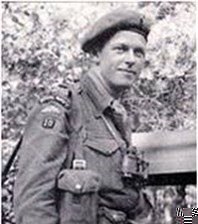
Lieutenant Commander Patrick Dalzel-Job
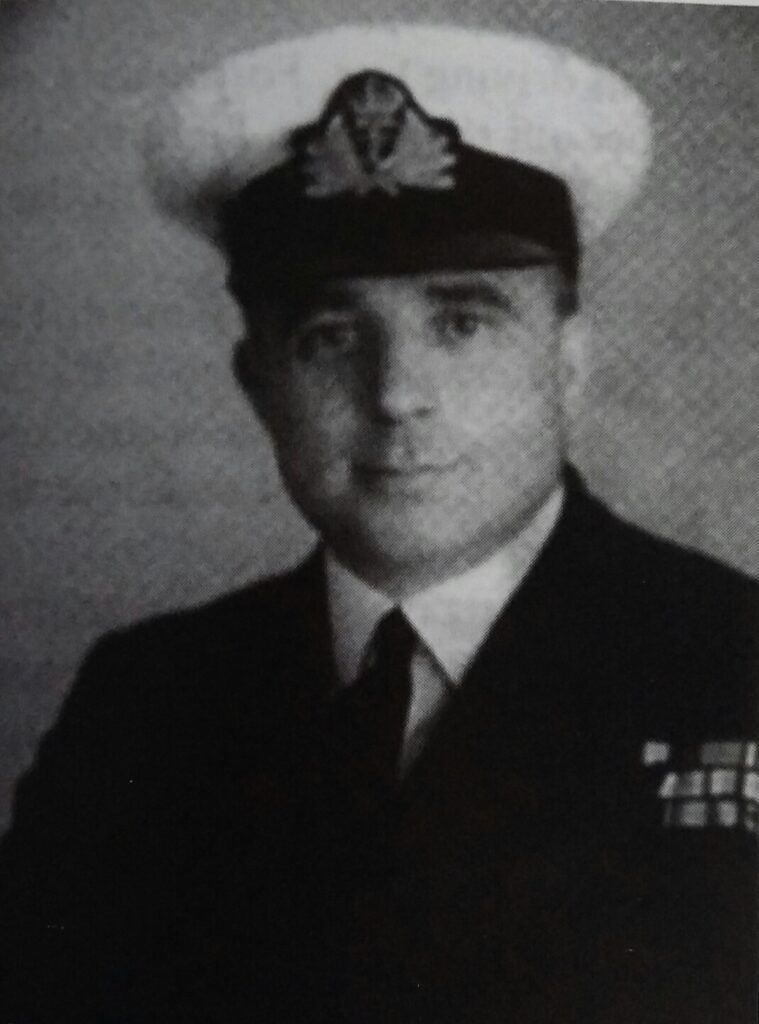
Lieutenant Commander Sancho Glanville
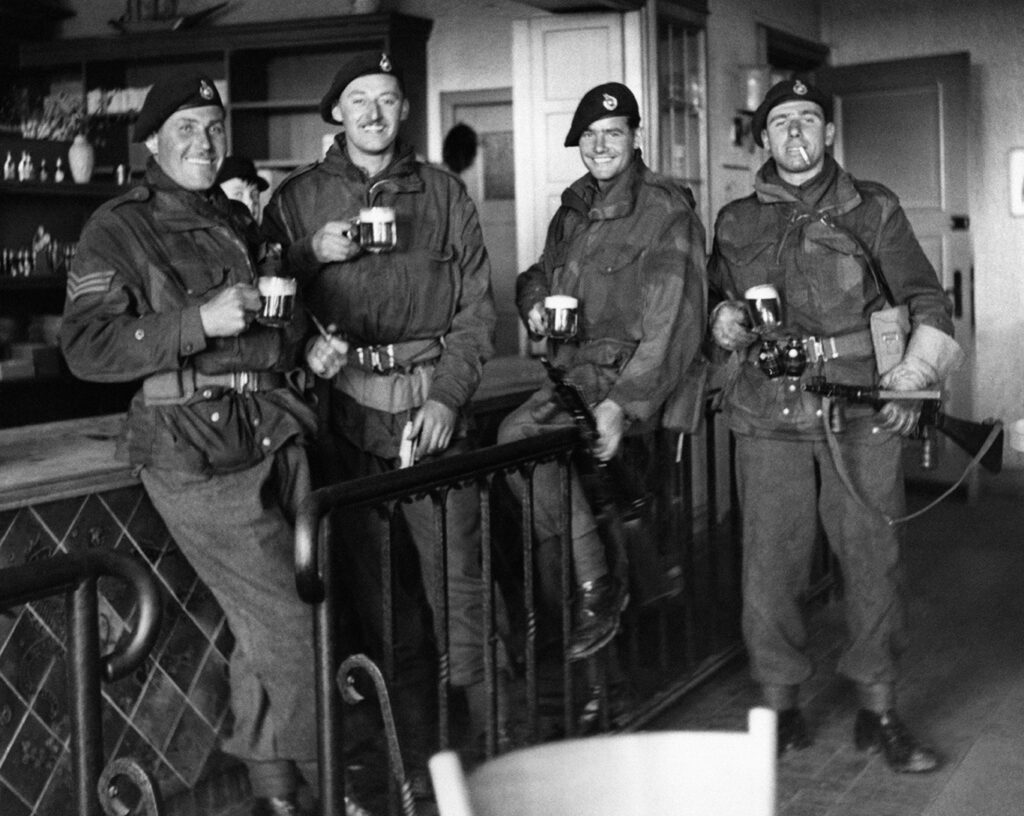
Marines of 30 AU celebrating the capture of a German barracks in Buxtehude, 1945
THE END OF THE WAR
As the war ended, 30 AU was disbanded and those who were ‘Hostilities only’ were demobbed. A small section, under Glanville, was sent to South East Asia to participate in planned landings in Malaya but the Japanese surrender saw them instead involved in small ‘clean-up’ operations, at one point serving alongside French and Japanese troops to maintain order in French Indochina. It was here that Glanville completed his ‘hat-trick’, being the only man to take the surrender of admirals from the three Axis powers.
30AU’S LEGACY
Fleming’s unit faded into memory after 1945, kept alive only by the reunions of the men who had served and their association. By 2009, they had become few in number and the association disbanded.
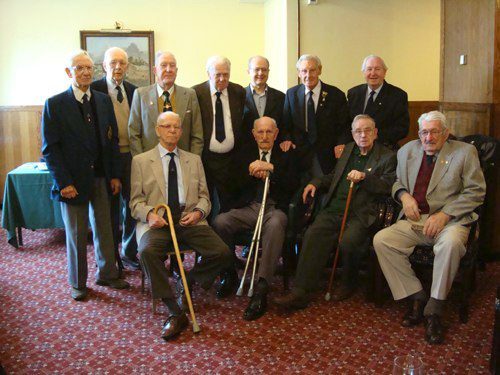
Photo from the last reunion of members of 30AU, 2008
In December 2010, the name 30 Commando returned to the Royal Navy with the renaming of the UK Landing Force Support Group to 30 Commando Information Exploitation Group. This unit continues to operate in the best traditions of its forebears and is justly proud of its heritage.
30 AU logo designed by G Farrin
Our thanks to Dave Roberts for penning this definitive history. Find out more at the official 30 Commando website and social channels.
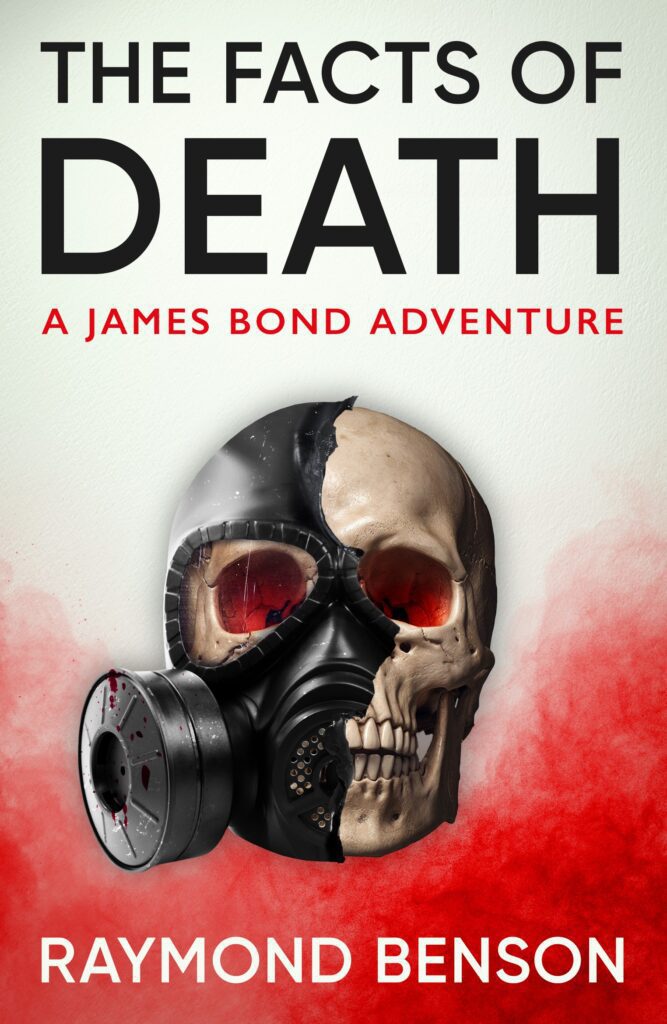
We’re pleased to announce that coming this summer is a new paperback edition of Raymond Benson’s classic continuation novel The Facts of Death. This fan-favourite book will be published on 20th August, and will feature a new introduction from the author.
‘Hard work went into all my Bond titles, but perhaps with this one I also just wanted to have some fun.’
Raymond Benson
They call him the Number Killer. A calculating assassin who always leaves a numerical calling card. But now he’s picked the wrong victim – M’s lover – and James Bond is going to beat the odds and make things even.
From the desolate badlands of Texas to the crumbling ruins of Greece, the danger multiplies as Bond tracks his quarry to a sinister cult of fanatics shrouded in the teachings of the Greek mathmatician Pythagoras.
With a vicious cadre of killers trying to subtract him from the equation, Bond must infiltrate the cult and stop their chaotic computations – or the next number that comes up may be his own…
‘There is only one recipe for a best-seller and it is a very simple one. You have to get the reader to turn over the page.’
Ian Fleming
Ian Fleming Publications are proud to sponsor the Crime Writer’s Association’s Ian Fleming Steel Dagger Award, an annual literary prize for the best thriller published in the UK. Eligible books in this category are thrillers set in any period and include, but are not limited to, spy fiction, noir thrillers and action-adventure stories. Past winners include Gillian Flynn, Mick Herron, Robert Harris and Karin Slaughter.
The longlists for the 2026 Daggers have just been unveiled, so take a look at which titles are in the running for the Steel Dagger below.
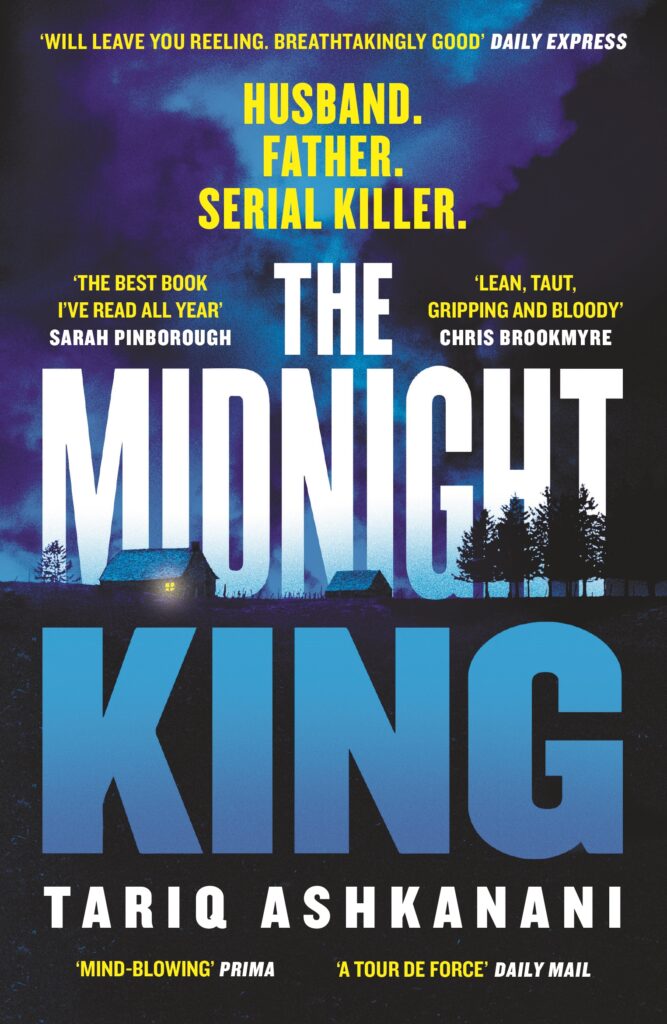
The Midnight King by Tariq Ashkanani
Lucas Cole is a bestselling writer. He is also a father, a widower, and a beloved celebrity in his small town. He is an unassuming man - tall, thin and quietly friendly. Lucas Cole is also a serial killer.
Nathan Cole has known the truth about his father since he was ten years old. Too terrified to go to the police, he ran away from home as soon as he was able, carrying the guilt of leaving his sister behind. But when Lucas is found dead in a dingy motel room, Nathan returns to his childhood home for the first time in seventeen years. It’s there he finds The Midnight King, his father’s final unpublished manuscript, a fictionalised account of his hideous crimes, hidden in a box of trinkets taken from his victims. Trinkets that include a ribbon belonging to a missing eight-year-old girl who disappeared only days before his father’s death.
Now, Nathan must deal with the consequences of keeping his father’s secret. But it may not be as simple as finding a lost child. For The Midnight King holds Nathan’s secrets as well as Lucas’s, and he is not the only one searching for the truth…
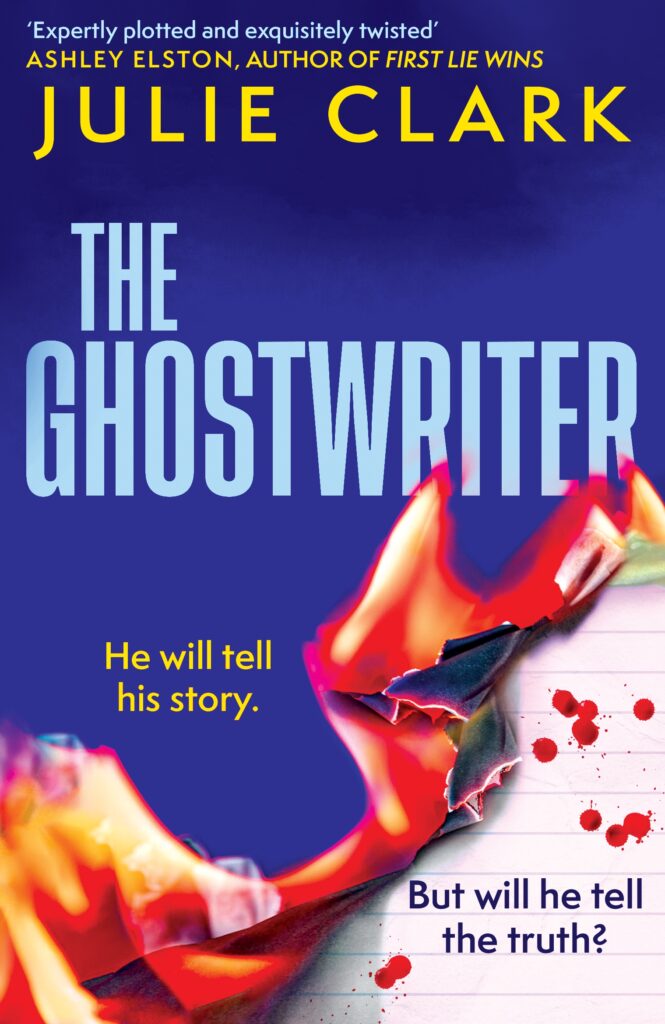
The Ghostwriter by Julie Clark
June, 1975.
The Taylor family shatters in a single night when two teenage siblings are found dead in their own home. The only surviving sibling, Vincent, never shakes the whispers and accusations that he was the one who killed them. Decades later, the legend only grows as his career as a horror writer skyrockets.
Ghostwriter Olivia Dumont has spent her entire professional life hiding the fact that she is the only child of Vincent Taylor. Now on the brink of financial ruin, she’s offered a job to ghostwrite her father’s last book. What she doesn’t know, though, is that this project is another one of his lies. Because it’s not another horror novel he wants her to write.
After fifty years of silence, Vincent Taylor is finally ready to talk about what really happened that night in 1975.
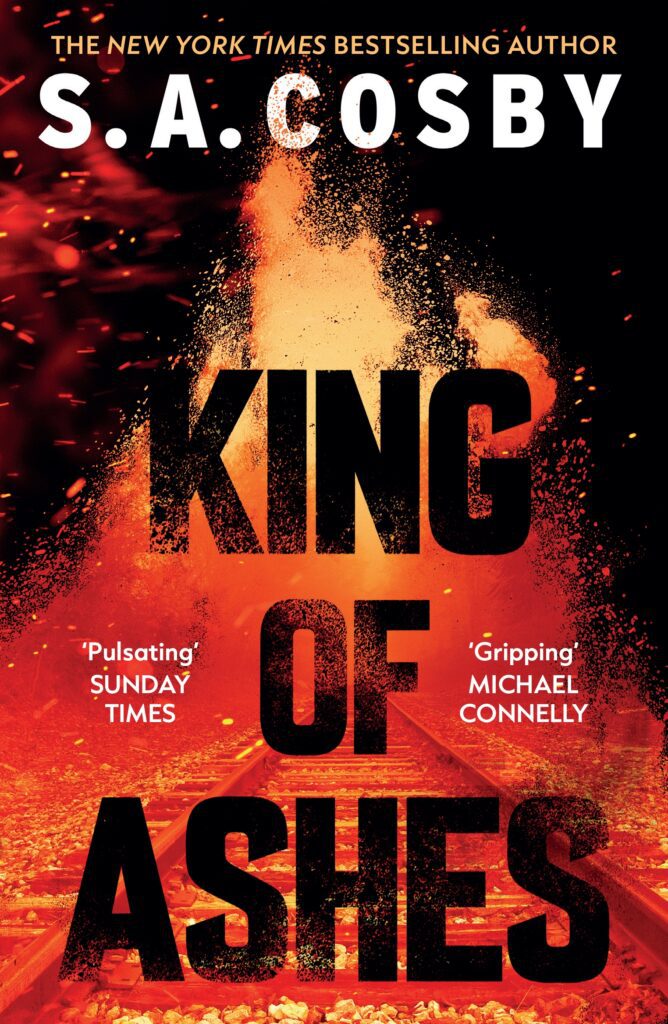
King of Ashes by S. A. Cosby
Roman Carruthers left the smoke and fire of his family’s crematory business behind in his hometown of Jefferson Run, Virginia. He is enjoying a life of shallow excess as a financial adviser in Atlanta until he gets a call from his sister, Neveah, telling him their father is in a coma after a hit-and-run accident.
When Roman goes home, he learns the accident may not be what it seems. His brother, Dante, is deeply in debt to dangerous, ruthless criminals. And Roman is willing to do anything to protect his family. Anything.
A financial whiz with a head for numbers and a talent for making his clients rich, Roman must use all his skills to try to save his family while dealing with a shadow that has haunted them all for twenty years: the disappearance of their mother when Roman and his siblings were teenagers. It’s a mystery that Neveah, who has sacrificed so much of her life to hold her family together, is determined to solve once and for all.
As fate and chance and heartache ignite their lives, the Carruthers family must pull together to survive or see their lives turn to ash. Because, as their father counseled them from birth, nothing lasts forever. Everything burns.
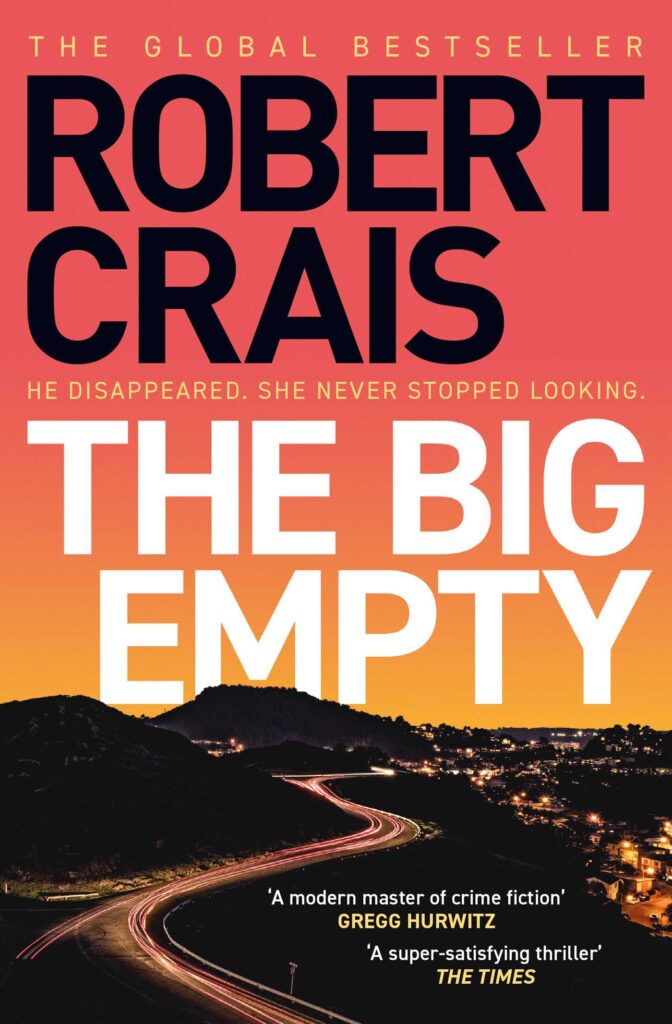
The Big Empty by Robert Crais
Traci Beller was only thirteen when her father disappeared in the sleepy town of Rancha, not far from Los Angeles. The evidence says Tommy Beller abandoned his family, but Traci never believed it. Now a super-popular influencer with millions of followers, she finally has the money to hire a new detective to uncover the truth. And that detective is Elvis Cole.
Taking on a ten-years-cold missing person case is almost always a losing game, though Elvis quickly picks up a lead in Rancha when he learns that an ex-con named Sadie Givens and her daughter Anya might have a line on the missing man. But when he finds himself shadowed by a deadly gang of vicious criminals, the case flips on its head. Victims become predators, predators become prey, and when everyone is a victim, will it be possible to save them all?
Calling on the help of his ex-Marine friend, Joe Pike, Elvis follows Tommy Beller’s trail into the twisted, nightmarish depths of a monstrous evil, even as what he finds tests his loyalty to his clients, and to himself. But the truth must come out, no matter the cost.
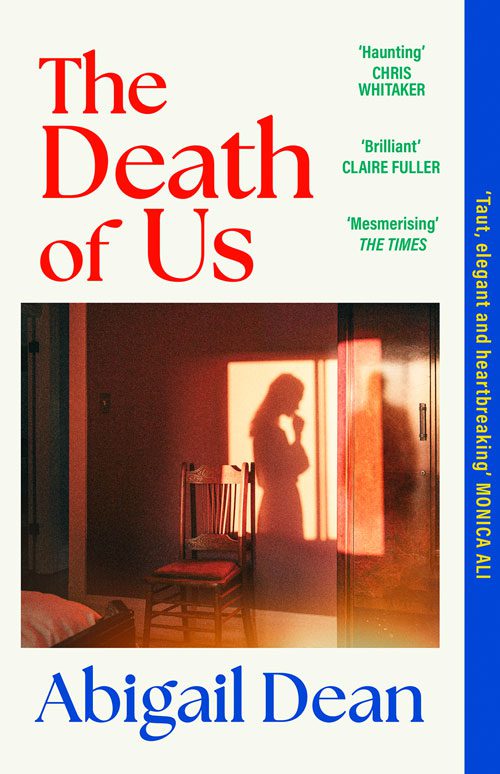
The Death of Us by Abigail Dean
Isabel and Edward meet as teenagers.
When she tells him she loves him, it feels like the bravest thing she’s ever done.
But years later, a stranger walks into their home and tears their world apart.
This is where their story really begins.
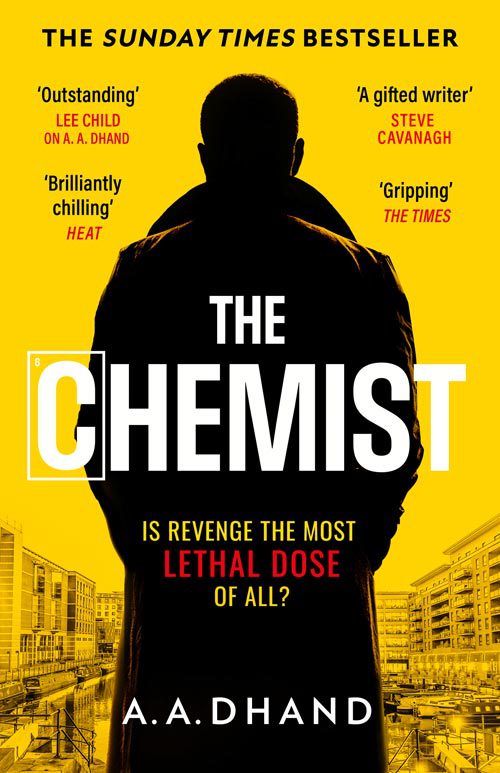
The Chemist by A. A. Dhand
Local pharmacist and pillar of the community, Idris Khan, spends his days doling out methadone to the hundreds of addicts in his care. They trust Idris with their secrets, and so he knows more than his mild manner suggests. So when his childhood sweetheart, Rebecca, doesn’t turn up for her daily methadone dose, Idris is worried. Worried enough to go looking for her in the most deprived area of Leeds, alone.
The mess Idris finds catapults him into the middle of a turf war between the two most powerful drug cartels in Yorkshire. Now, he must use every bit of intelligence and cunning he has to keep those he loves safe.
Because a war is on the way. And when Idris goes after his enemies, they won’t see him coming.
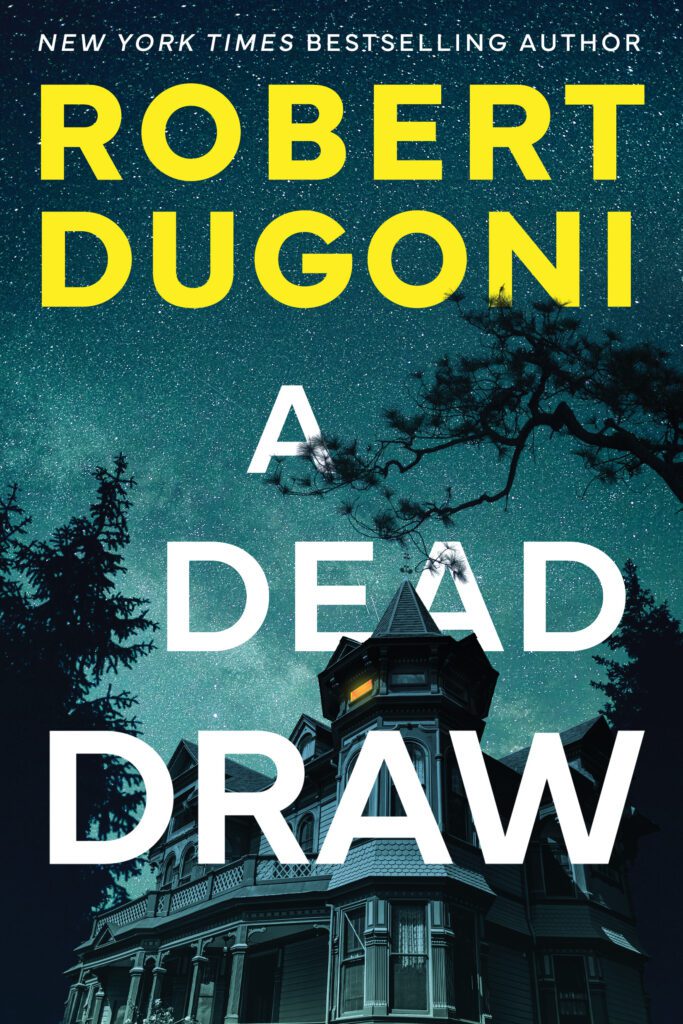
A Dead Draw by Robert Dugoni
Detective Tracy Crosswhite isn’t one to lose her cool. Until her interrogation of the taunting and malicious Erik Schmidt, a suspect in two cold case killings. Schmidt also has unnerving ties to the monster who murdered Tracy’s sister, stirring memories of the crime that shaped Tracy’s life. After a critical mistake during a shooting exercise, Tracy breaks.
Haunted by nightmares and flashbacks, Tracy heads to her hometown of Cedar Grove to refocus. Just a peaceful getaway with her husband, her daughter, and their nanny at their weekend house. But Tracy’s sleepless nights are only beginning. A legal glitch has allowed Schmidt to go free. And Tracy has every reason to fear that he’s followed her.
Forced into a twisted game of cat and mouse, Tracy must draw on all her training, wits, and strength to defeat a master criminal before he takes away everyone Tracy loves.
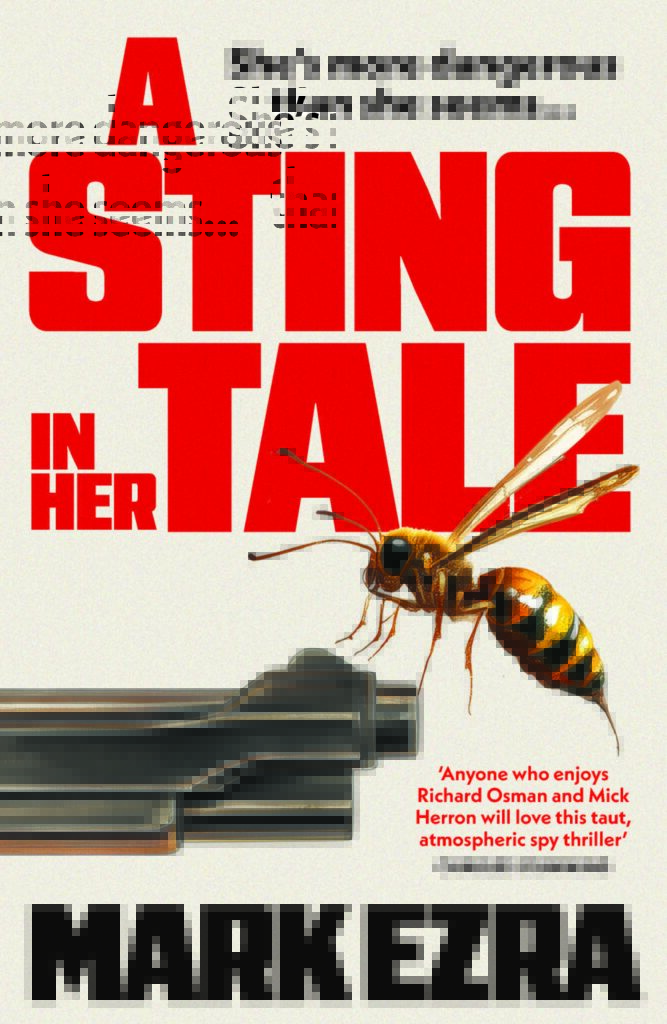
A Sting in Her Tale by Mark Ezra
When retired former spy Felicity Jardine’s mission to drown herself is interrupted by a baby drifting down river, her training kicks in at once. She manages to save the baby, and conceals them both from the shady-looking man who is searching for it.
Then an elderly neighbour to whom she bears a resemblance is found dead, and Felicity knows she’s been rumbled. She has to dust off the highly trained and resourceful secret service officer she used to be, ensure the safety of the baby, and re-enter the fray.
She can count on the help of two former MI6 colleagues to identify the murderer and find out exactly what’s going on. But Felicity will soon realise that her work in 1970s Germany and her present are entangled – and she will have to face some hard truths before she can confront the demons of her past.
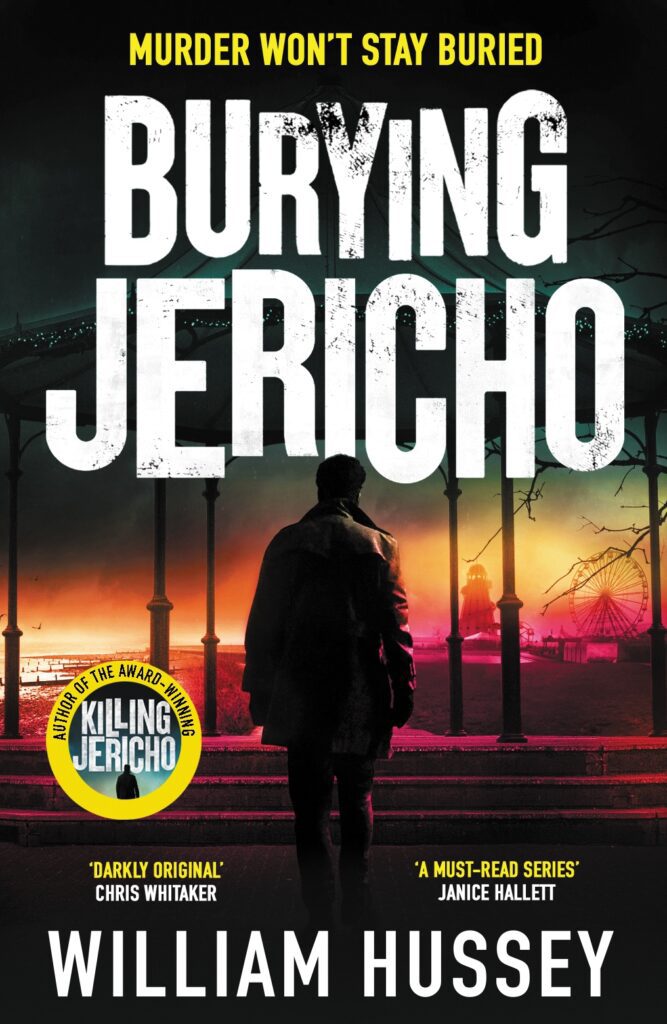
Burying Jericho by William Hussey
While Scott Jericho is tasked with investigating the most baffling case of his career, his partner Harry is set upon his own fateful path.
In a rundown seaside town, a young man has vanished without a trace. Jericho’s investigation of this disappearance will unravel a diabolical plot and expose a secret long buried. A secret hinted at by the paper men hanging from the trees in a nearby wood, by the ravings of the local ‘wise woman’, and by the eerie waxworks of a defunct fairground attraction.
As fates collide and an impossible murder is executed, a twisted killer from the past is closing in on Harry and Jericho. But is it already too late for Jericho to save himself and the man he loves?
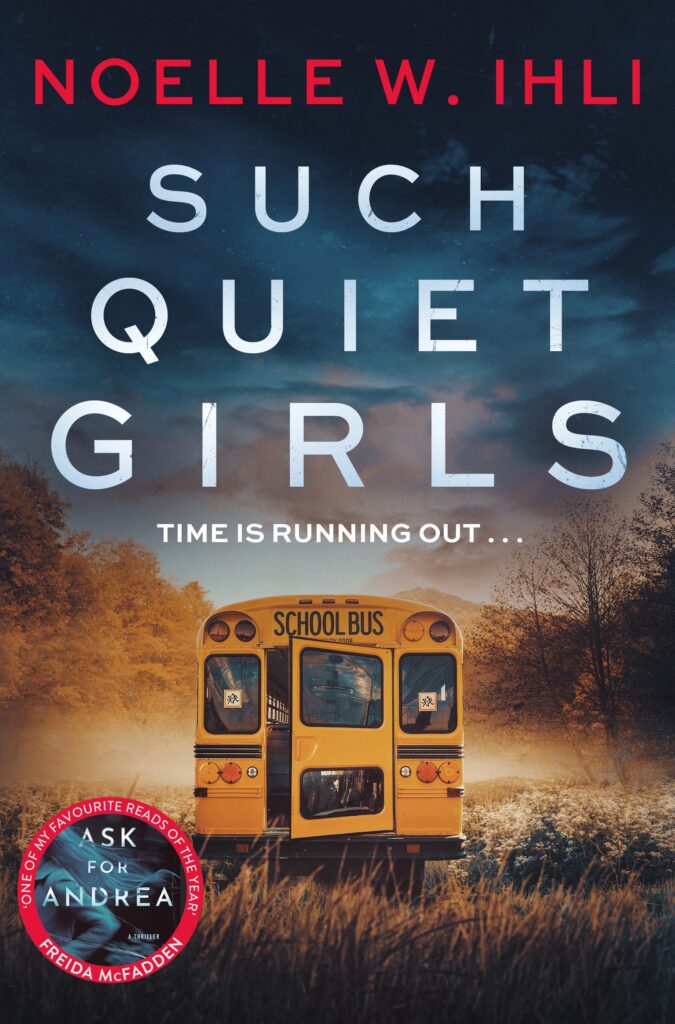
Such Quiet Girls by Noelle W. Ihli
ONE HIJACKED BUS.
New driver Jessa is desperate for her shift to run smoothly to avoid exposing her job-application lies. Twelve-year-old passenger Sage just wants to get home, exhausted from watching over her little sister, Bonnie. But disaster strikes when their bus is hijacked in broad daylight. For the innocent souls onboard, the nightmare is only just beginning . . .
TEN FRIGHTENED CHILDREN.
Trapped inside a shipping container buried 20 feet underground, the captives are promised they’ll be freed once a ransom is paid to the hijackers. But Jessa and Sage aren’t sure they’ll last that long. It’s dark and cramped – and, as every minute passes, it’s becoming harder to breathe.
A DEADLY RACE AGAINST THE CLOCK . . .
With time – and air – running out, can they team up to outsmart their captors? Or are they doomed to an unthinkable fate?
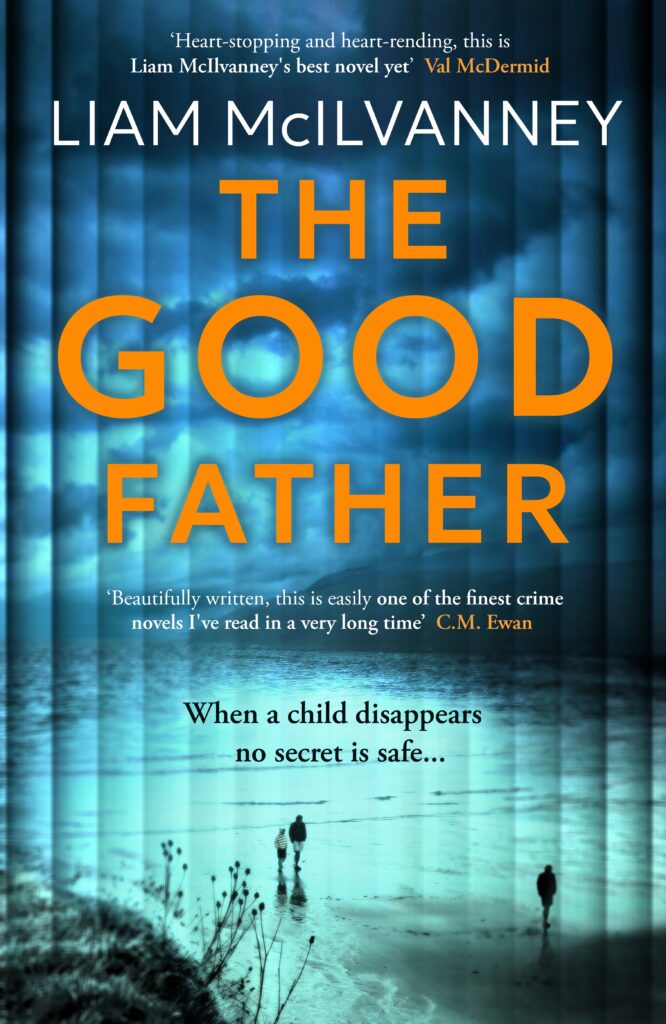
The Good Father by Liam McIlvanney
Gordon and Sarah Rutherford are normal, happy people with rich, fulfilling lives. They have a son they adore, a house on the beach and a safe, friendly community in a picture-postcard town.
Until, one day, Bonnie the labrador comes in from the beach alone. Their son, Rory, has gone – the only trace left behind is a single black sandal.
Their lives don’t fall apart immediately. While there’s still hope, they dig deep and try to carry on.
But as desperation mounts, arms around shoulders become fingers pointed – at friends, family, strangers, each other. Without any answers, only questions remain. Who can they trust? How far will they go to find out what happened to Rory?
And the deadliest question of all: what could be worse than your child disappearing?
When the truth begins to emerge, they find themselves in a world they could barely have imagined.
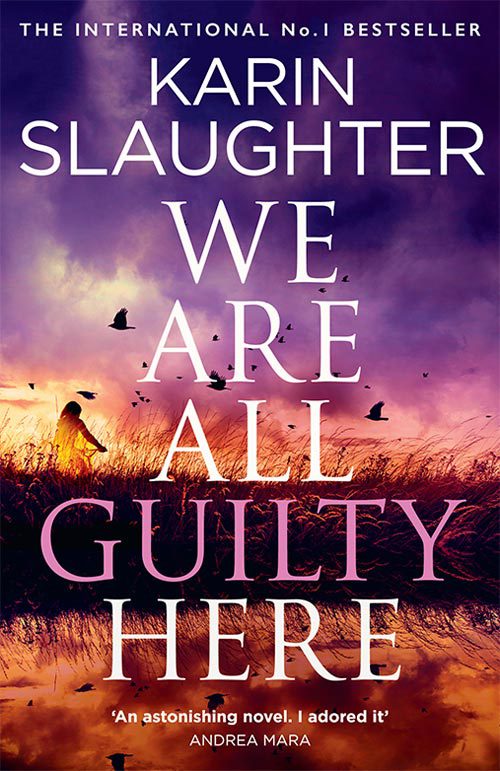
We Are All Guilty Here by Karin Slaughter
Welcome to North Falls. A small town where everyone knows everyone. But nobody knows the truth.
Emmy Clifton has lived here all her life. She thinks she knows her neighbours. She’s wrong.
She thinks it’s just another hot summer night: a night like any other. She’s wrong.
When her best friend’s daughter asks for help, she thinks it’s just some teenage drama. She thinks it can wait. She’s never been more wrong in her life.
As the town ignites in the wake of the girl’s disappearance, Emmy throws herself into the search. But then she realises: You never really know a town until you know its secrets.
Is Emmy ready for the truth?
Find the longlists for the rest of the Daggers here, and learn about the previous shortlists and winners of the Ian Fleming Steel Dagger here.
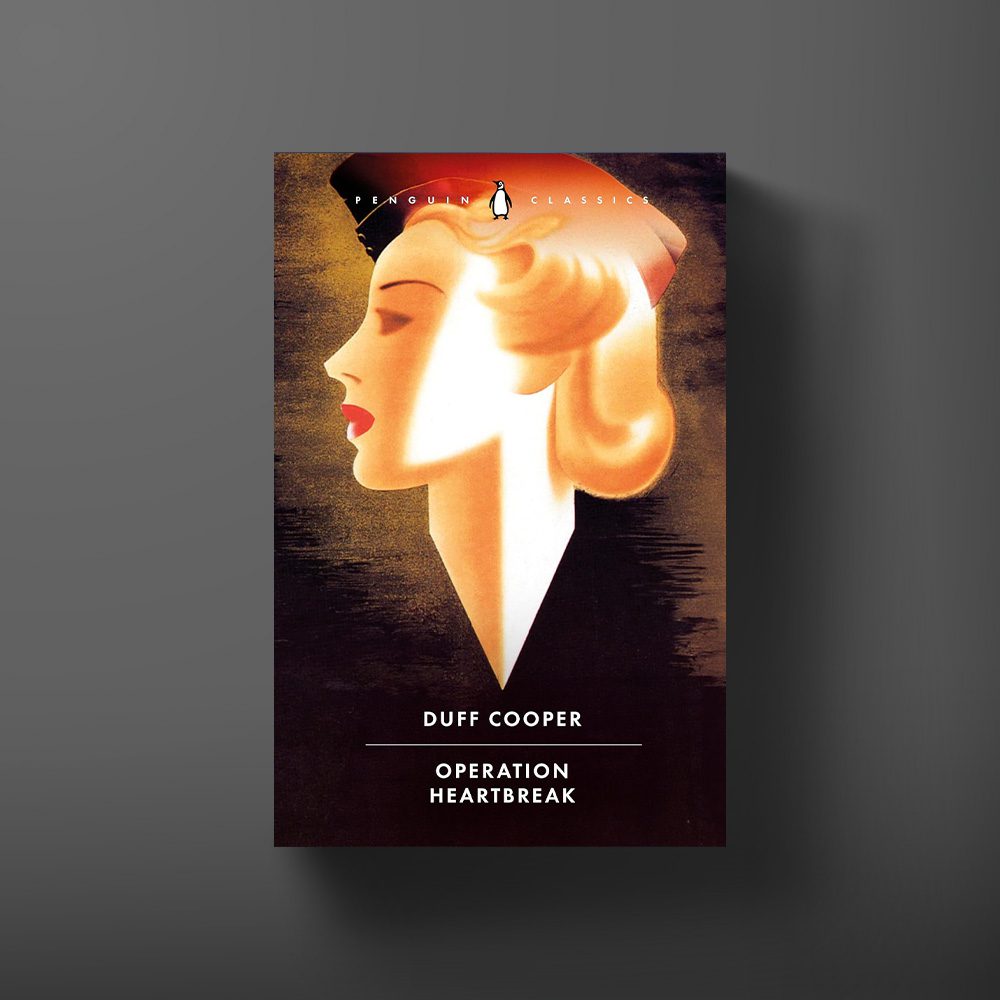
This month, we are turning to an often forgotten classic: Operation Heartbreak. This elegiac reimagining of Operation Mincemeat by Alfred Duff Cooper is as beautiful as it is tragic, a novel that will appeal to history lovers, fans of Fleming and any reader drawn to quietly affecting fiction.
OVERVIEW
William Maryngton’s only ambition is to serve his country, as his father did before him. But by the time the First World War ends in 1918, he is too young to take part. As the years pass, he finds himself increasingly out of step with both military life and the modern world.
When war breaks out again, William is drawn into an unexpected role. Selected for a covert intelligence operation, he becomes involved in a plan designed to deceive German forces and alter the course of the conflict. Operation Heartbreak follows William’s path from frustrated outsider to an unlikely participant in one of the war’s most unusual missions.
First published in 1950, this is a fictional account of Operation Mincemeat, the 1943 intelligence mission designed to mislead German forces about the Allied invasion of Sicily, in which Ian Fleming was famously involved. Because of the author’s ministerial role in government, he reportedly learned of the operation in an informal conversation with Winston Churchill. Given the sensitive nature of wartime secrets, the British Cabinet Office attempted to suppress the novel’s publication. Still, it predates most public accounts of the mission.
WHY WE CHOSE IT
The story focusing on Operation Mincemeat makes this an irresistible pick for us here at Ian Fleming Publications and the James Bond Book Club!
In 1939, Fleming, while serving as personal assistant to the Director of Naval Intelligence, devised the initial concept for Operation Mincemeat. He is believed to have borrowed the idea from another novel – Basil Thompson’s The Milliner’s Hat Mystery.
Operation Heartbreak predates most public accounts of the mission and was written at a time when its details were still sensitive. What it offers is not simply a version of events, but a perspective shaped by proximity to the environment and events that it draws on. Beyond that, the novel is deeply character-driven and explores, in a genuinely moving way, what it means to feel out of place and at odds in a changing world.
We came for the true story and stayed for the imagined one. It isn’t a thriller, per se, but it will absolutely make you turn the page.
THEMES TO CONSIDER
– Duty and patriotism – What does it mean to serve one’s country, and how far should that duty extend?
– The ironies of war and heroism – The novel raises questions about what heroism really looks like in wartime.
– Unfulfilled ambition and loneliness – At its heart, the novel reflects on the personal sacrifices and quiet tragedies that underpin even the greatest victories.
REVIEWS
The Times – ‘Not a word is wasted… a perfect novel.’
Daily Mail– ‘Moving and bittersweet‘
Evening Standard – ‘Poignant and moving.’
Wall Street Journal – ‘Its ending is as unexpected as it is affecting.’
Daily Telegraph – ‘Told with humour, deep feeling and considerable skill.’
Nina Bawden – ‘A wonderful novel by a masterly writer that should be on everyone’s bookshelf.’
ABOUT THE AUTHOR
Alfred Duff Cooper, born in 1890, was an author, statesman and diplomat. During his time as a second lieutenant in World War I, Cooper was awarded the Distinguished Service Order. After World War I, he worked in politics, entering Parliament in 1923 and serving until 1938, when, in protest at the Munich Agreement, he resigned from his position. In 1940, Prime Minister Winston Churchill requested Cooper’s return to office, where he was later appointed as ambassador to France. He became 1st Viscount Norwich in 1951, a few short years before his death in 1954. Operation Heartbreak is his only novel, but his other notable works include the biography Talleyrand and his autobiography Old Men Forget.
We hope you enjoy Operation Heartbreak. Follow our social channels for discussions, highlights, and more.
On 20th March 1942, Ian Fleming, then personal assistant to Admiral Godfrey, Director of Naval Intelligence, proposed the formation of a Special Intelligence Assault Unit. Held under the Official Secrets Act for 50 years after the war, details of his top secret unit are still emerging. Here unit historian Dave Roberts has penned a definitive record for us. Welcome to Part Two: Missions. Catch up on Part One: Formation here.
THE FIRST OPERATION
The unit’s first operation was part of Operation Torch, the landings in North Africa. A small detachment was to attack the main French naval headquarters in Algiers Harbour alongside US troops, but heavy opposition meant they had to land several miles from the port and make their way on foot. When they finally did make it to the port, they seized valuable Intelligence material, including a previously unknown Abwehr Enigma machine which allowed Bletchley Park to read six weeks of back traffic.
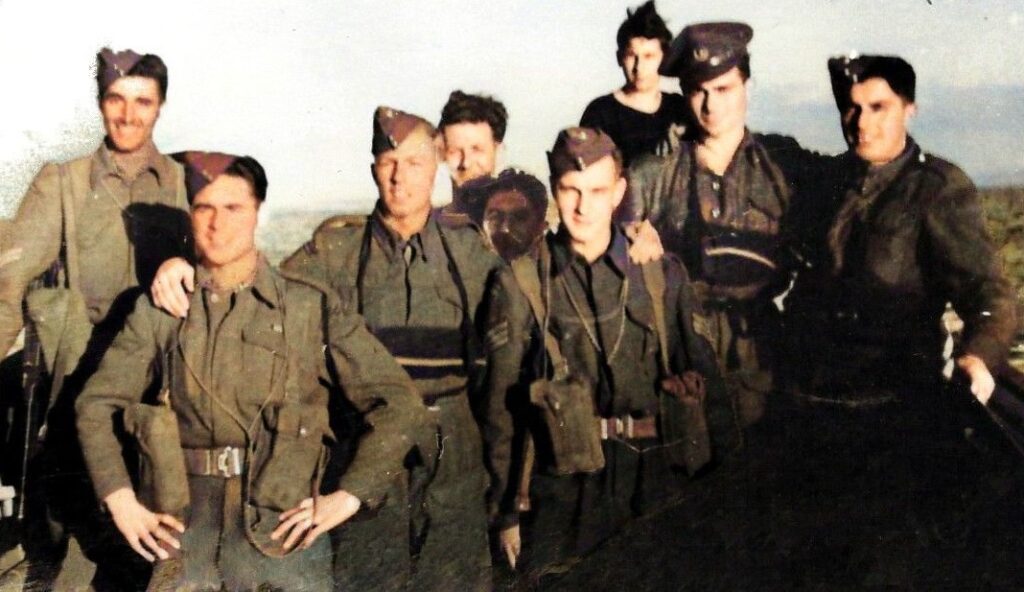
Photograph of the original 30AU members, Algiers November 1942
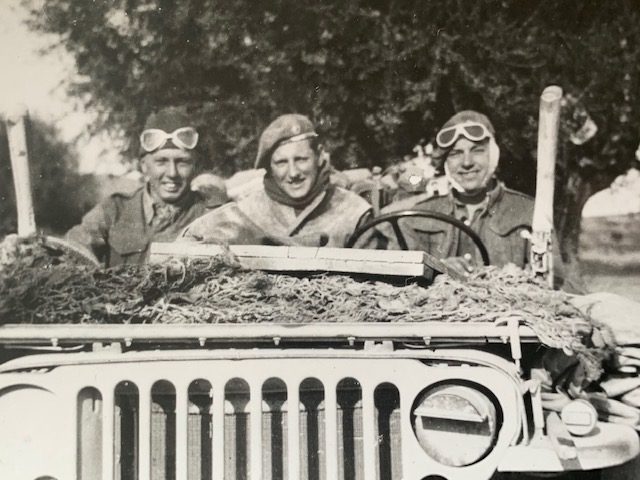
An expanded section returned to North Africa in January 1943, as the Allies closed in on the German Afrika Korps in Tunisia. Under the command of Dunston Curtis, RNVR, DSC, they travelled in jeeps and motorcycles with the White Ensign flying, becoming the first unit to travel from 1st Army to 8th Army, often crossing the frontline on their way. Entering towns alongside the vanguard of the British 8th Army as it pushed north, the unit once again proved their usefulness in seizing vital intelligence and equipment. They were now to be included in all future Allied invasion plans.
As the unit expanded, it prepared for Operation Husky, the invasion of Sicily. Landing alongside other British forces at the southeastern tip of the island, the unit quickly began to exploit various radar and communications sites on the island. Racing to keep up with the retreating Axis forces, and to ensure they could reach targets before they were demolished or looted, the unit again operated alongside front line British and US units, earning the wrath of American General Patton who nicknamed them, “Limey gangsters” for their rather cavalier attitude to procedures and uniform regulations.
In September 1943, attention turned to Italy and 30 Commando was tasked with exploiting various naval targets on the western coast, as well the small islands such as Capri, which housed important Italian torpedo technology and personnel. They worked alongside Italian naval crews, now part of the Allied forces, following Italy’s surrender, the US Navy, including the screen legend, Douglas Fairbanks Jnr., and elements of the OSS, the forerunner to America’s CIA.
In the eastern Mediterranean, a small section of 34 Troop, under the command of Captain Belcher, worked alongside the Long Range Desert Group in operations around the many Greek islands. Sadly, Belcher and 3 of his men were killed in a German air raid on Leros in October 1943.
In December 1943, 35 and 36 Troops were withdrawn from the Mediterranean in preparation for Overlord, the invasion of France. The Army section, 34 Troop, remained in Italy through to the end of the war, successfully exploiting targets in Rome and Florence and later working alongside the SAS and Italian partisans in Northern Italy in operations behind German lines.
D-DAY
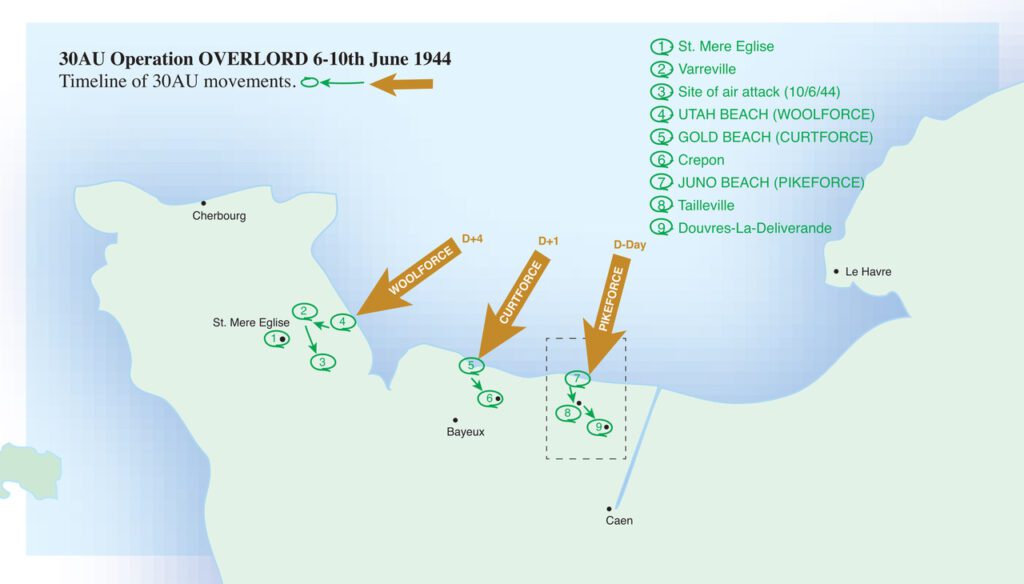
Reorganised, expanded and with renamed 30 Assault Unit, Fleming’s men were to be at the very heart of Allied Naval and intelligence planning for D-Day, with sections landing on JUNO, UTAH and GOLD. Detailed planning went into producing new ‘Black Books’ of targets for the unit and scale models of their main targets were produced by the Inter-Services Topographical Department at Oxford.
Divided into three sections, PIKEFORCE, CURTFORCE and WOOLFORCE, 30 AU landed on the French coast between the 6th and 10th June. Despite some minor successes, their main target, the radar station at Douvres proved to be much bigger and better defended than intelligence had led them to believe. It didn’t fall until the 17th June by which point the majority of the unit was operating with US troops in Brittany.
PIKEFORCE & CURTFORCE suffered no casualties in the landings and subsequent operations but WOOLFORCE, landing on UTAH on the 10th June suffered the single heaviest number of casualties in the unit’s short history when German butterfly bombs exploded over the field where they had bivouacked on their first night in France. Five men were killed and 16 wounded, some seriously.
NORMANDY & BEYOND
During the summer of 1944, 30 AU operated in small teams across Normandy. Highly mobile, with armoured cars, jeeps armed with twin machine guns, trucks to carry away their “loot” and a trawler on permanent stand-by, they exploited targets across the region. The start of the V1 bombing campaign led to requests from the Air Ministry for them to find the launch sites and, for the first time, an RAF officer was attached to the unit. Launch sites and equipment were found on the 17th June and the DNI received the personal thanks of the Air Chief for 30’s efforts.
With the fall of Cherbourg, attentions turned to Paris and Brittany, with WOOLFORCE entering Paris alongside the lead elements of French Army. In the West, small teams ranged over the Brittany peninsula liberating towns and villages. At St Pabu, Lt Hugill and 5 Marines took the surrender of over 280 Germans at the radar station there and were awarded a Distinguished Service Cross and 2 Distinguished Service medals. During the unit’s time in Brittany, it worked closely with the local resistance units, relying on them for up-to-date intelligence and for guiding them safely to new targets. Three resistance fighters were even recruited into the unit and issued with British uniforms, a fact only recently revealed with the discovery of one of the men’s wartime diaries.
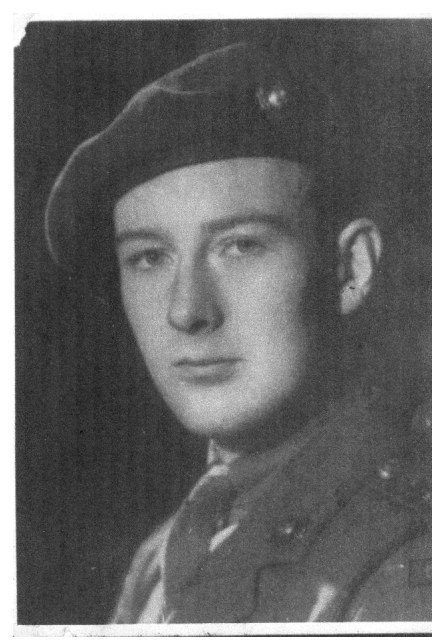
For such a small unit, operating at and beyond the front lines, casualties were surprisingly light. The biggest losses were by WOOLFORCE on D-day and when 3 men were killed crossing a railway line just outside Brest. The death that hit the unit hardest though was that of Captain Huntington-Whitely, RM, killed at Le Havre as he took the surrender of a group of Germans. ‘Red’ as he was known to the men had been with the unit from the beginning.
Royal Marine Captain, Peter Huntingdon-Whiteley
Stay tuned for the final part of Dave Roberts’ definitive history, focusing on the legacy of this extraordinary military unit. Find out more at the official 30 Commando website and social channels.
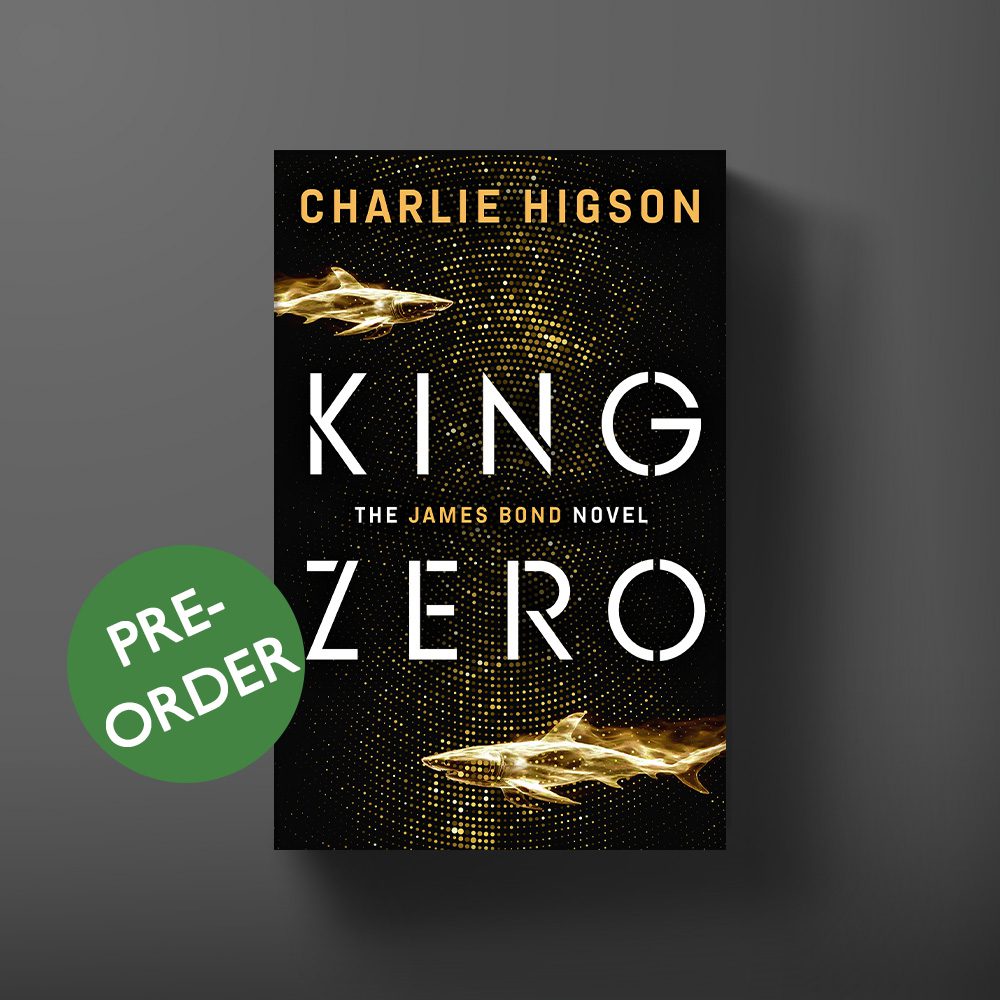
We are excited to announce King Zero, a blockbuster new adult James Bond novel from multi-million copy bestselling Young Bond creator, Charlie Higson. It will be published in the UK on 24th September 2026 by Penguin Michael Joseph.
Beginning with the murder of an agent in Saudi Arabia by a weapon never before seen by the Secret Service and spanning the globe in an epic race against time to avert global catastrophe, the novel brings the literary Bond squarely into the twenty-first century, where the old world that made him is crumbling and a terrifying new order emerges while a dangerous villain – the most distinctive since Goldfinger – moves in the shadows. Higson explores themes of power, technology, and international tensions over resources in an extraordinarily timely story.
“Having warmed up with my Young Bond series, and the short story, On His Majesty’s Secret Service, I’m beyond excited to be writing my first full blown adult Bond adventure. 20 years after first writing “The name’s Bond, James Bond,” it still sends shivers down my spine every time I type it. I’m having a blast with this new novel, which is absolutely set in the modern world, and I hope will sit comfortably on the airport bookshelves alongside other contemporary thrillers. It embraces the worlds of both the literary Bond and the cinematic Bond, and my bad guy has all the elements we expect from a classic Bond villain, with a twist that’s not been done before.” – Charlie Higson
“We are delighted to be working with Penguin Michael Joseph on the publication of King Zero. Charlie Higson’s return to James Bond follows his outstanding success with On His Majesty’s Secret Service, commissioned for the King’s Coronation, and we are delighted to be working with Charlie again, bringing the next chapter of Bond to fans.” – Amanda Douglas, Managing Director of Ian Fleming Publications Ltd.
“There’s no character in all of fiction quite like James Bond, and since Ian Fleming’s passing no-one has captured him quite so distinctively as Charlie Higson. We were swept away by Charlie’s vision for Bond which will delight old fans and new, and we can’t wait to make this the coolest, classiest publication of the year.” – Joel Richardson, Publisher at Michael Joseph
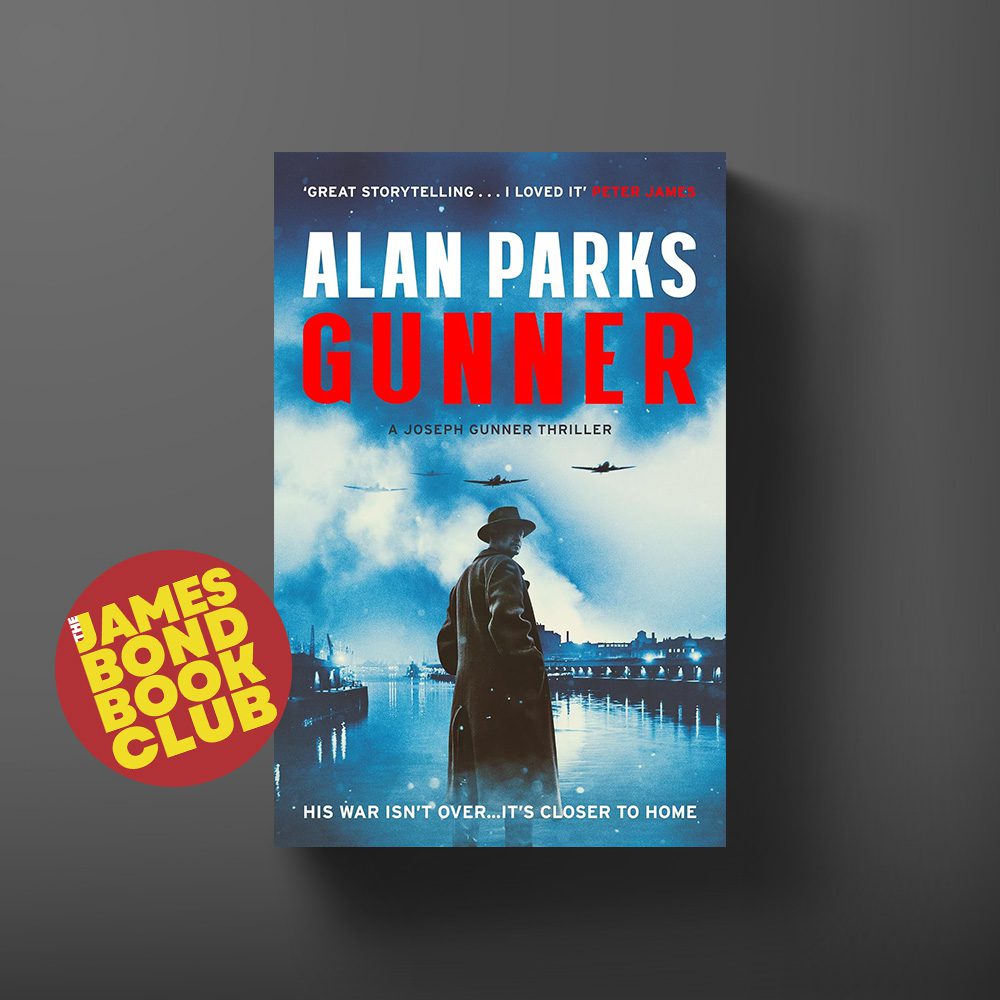
This month, we’re stepping into the fog‑choked streets of wartime Glasgow and recommending the fierce new crime classic, Gunner, by Alan Parks. First published in 2025 and now gaining recognition as a compelling blend of historical thriller and noir, Gunner introduces us to a different kind of operative – one forged in the brutal crucible of the Second World War.
OVERVIEW
It is 1941 and the titular Joseph Gunner has returned to his hometown after being injured on the front lines in France. His arrival coincides with the Luftwaffe bombing of his city. The places and people have changed, some unrecognizably so, although some things never change: he has barely stepped off the train in Glasgow when he is approached by his old boss, Detective Inspector Drummond. Gunner was a policeman (or ‘polis’) before the war and now Drummond needs his help with a new case. A body has been found in the bomb wreckage, one not killed by the Luftwaffe, but rather mutilated and disfigured. So begins a mystery that will take Gunner through rubble-strewn streets, grimy but steadfast pubs and into the prisoner of war camps – where an even greater, and stranger, mystery awaits.
WHY WE CHOSE IT
Fans of Ian Fleming will appreciate Gunner’s link to real‑world intrigue: Joseph Gunner’s story is partly inspired by real events from wartime Glasgow, including the mysterious flight of Rudolf Hess in 1941. Just as Fleming drew on his own intelligence experience to shape James Bond, Alan Parks weaves historical fact with thrilling fiction, creating a world where danger and secrecy feel entirely real.
It’s a rare glimpse into a world where courage and survival aren’t just literary devices, they were the reality for those living under constant threat. For readers who love James Bond, this is the kind of historical spy fiction that makes the danger tangible.
THEMES TO CONSIDER
– War and trauma. How do Gunner’s physical and emotional wounds shape his every decision?
– Power and corruption. What happens when espionage meets street‑level brutality, and friend and foe aren’t always distinguishable?
– Identity under pressure. How are we tested when the world is at its most dangerous?
– History as character. The Blitz isn’t just a backdrop, how does it permeate and shape the story?
REVIEWS
The Guardian – ‘A gritty, immersive, genuine page‑turner … meticulously researched.’
The Times– ‘One of the greatest Scottish writers‘
Peter James – ‘Great storytelling … a vivid sense of place and time.’
Vaseem Khan – ‘A lean, mean, and ruthlessly readable thriller.’
Andrew Taylor – ‘A superb thriller with a gripping, constantly surprising plot.’
ABOUT ALAN PARKS
Alan Parks is an acclaimed Scottish crime writer whose award‑winning novels are praised for their realism, rich atmospheres and complex characters. With Gunner, he blends historical depth with a gripping thriller sensibility, giving readers a world both vividly realized and relentlessly suspenseful. He is also the author of the Harry McCoy thrillers, which feature a world-weary and morally-questionable detective stomping around 1970s Glasgow, which is where Parks works and lives now. Before beginning his writing career, Parks worked for twenty years in the music industry.
We hope you enjoy Gunner. Follow our social channels for discussions, highlights, and more.
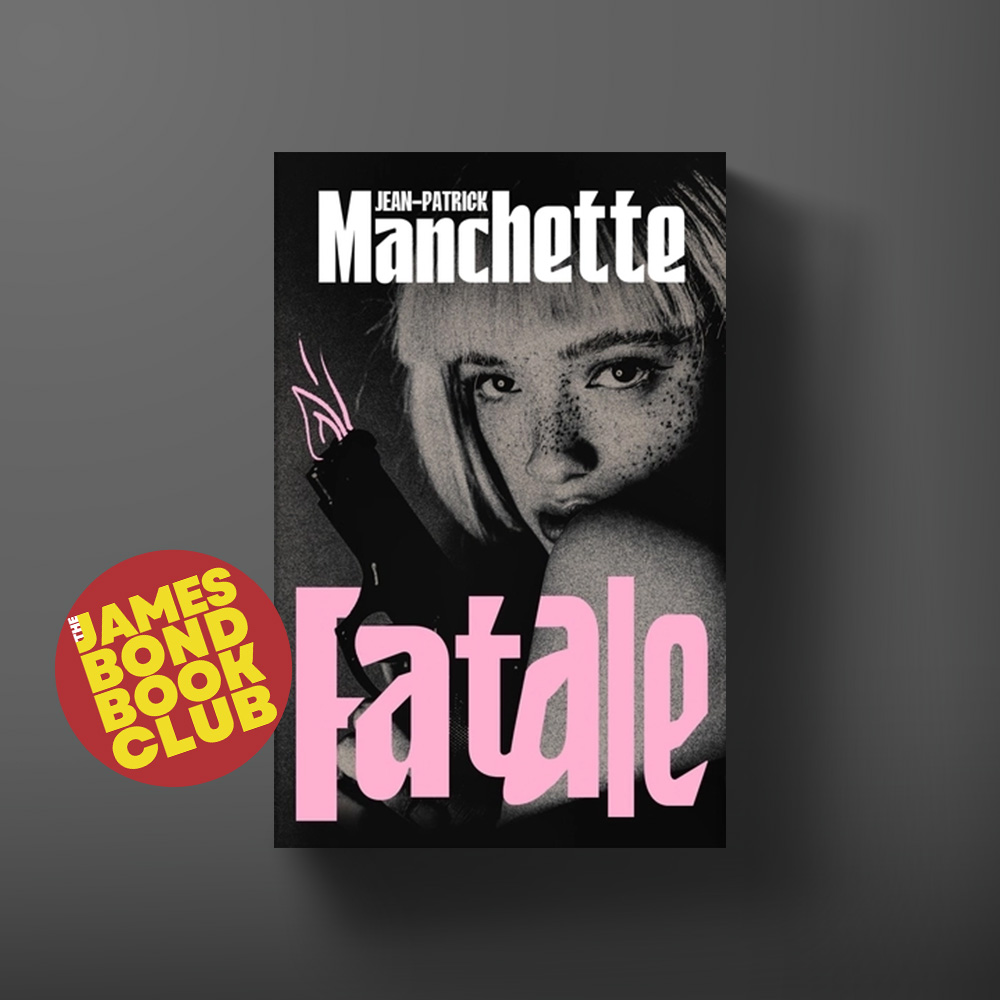
Dive deeper into our February Book Club pick, Fatale by Jean-Patrick Manchette, as we interview Nick Skidmore, the man behind the new Vintage Classics edition of this ruthless cornerstone of modern noir.
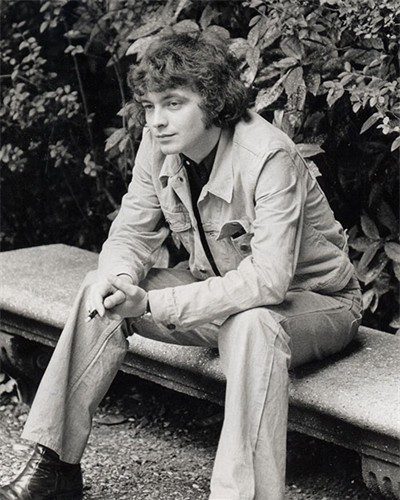
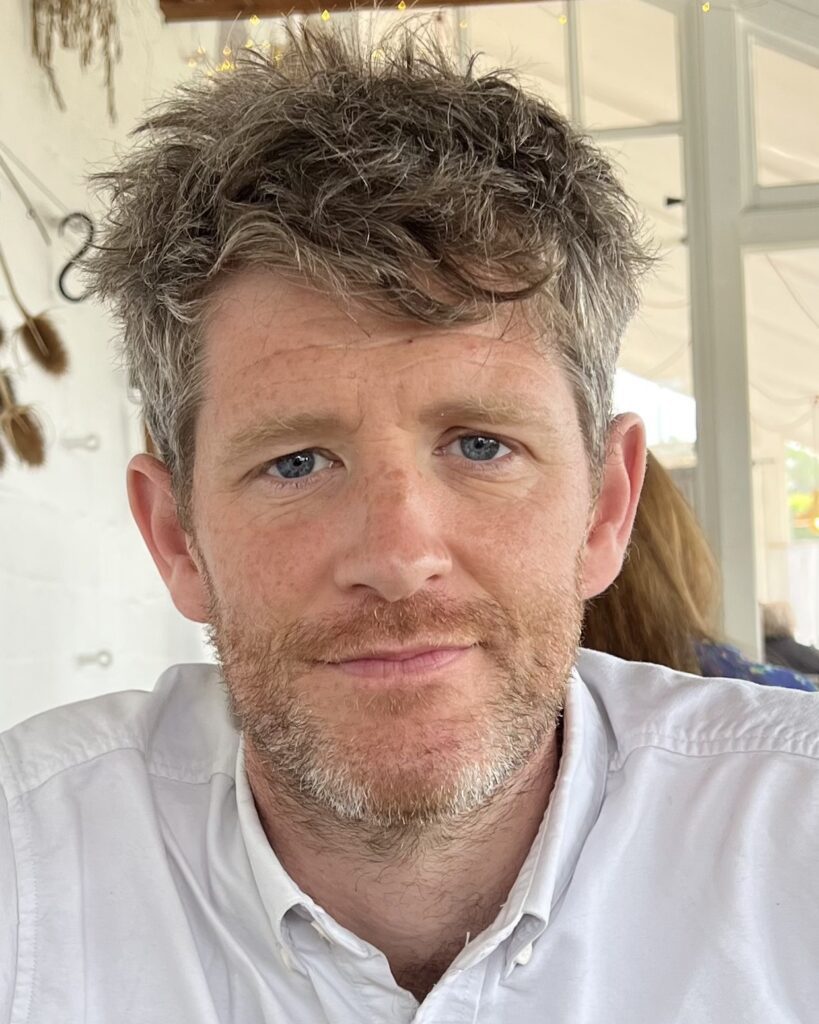
Jean-Patrick ManchetteNick Skidmore
Can you tell us a bit about yourself and how you first encountered Manchette?
I’m Nick Skidmore and I’m the Publishing Director of Vintage Classics. I oversee the running of the classics list, which covers everything from considering the authors we bring to the list to guiding decisions around how we engage readers and retailers in our mission to do something a little different with Classics publishing. In this latter capacity, it was actually a brilliant Indie bookshop owner, Tom at Gloucester Rd Books, that put me on to Manchette. He’s a Manchette uber-fan and was lamenting how difficult it had been to stock NYRB’s editions here in the UK. Soon after I delved into Manchette’s books and knew we could and should find a dedicated place for him on our list. The fact he is so little here seemed, well, criminal.
What do you look for when it comes to publishing a classic crime novel?
Classics are read and beloved by a huge range of readers that cut across generations, demographics and appetites, and ideally we want to publish books that encourage everyone to engage with classic books. Some crime books will therefore be cozy or traditional, some might intersect with historical or political themes, and others will just be downright weird or quirky. I’m always on the lookout for books that can blend across these segments. For example, we have a brilliant novel called The Girls by John Bowen publishing in the summer that sees two women – a gay couple who own a craft store in a Cotswold village – murder a man and hide his body in a septic tank. It will appeal to both market town-dwelling readers looking for something rural and familiar, and fans of the weird and macabre – the kinds of readers we see gravitating to books by Ottessa Moshfegh or Daisy Johnson. To find a book that can unite two groups of readers feels like a special mission.
You’re publishing four of Manchette’s novels this year. Why now?
I always say that the art of re-publishing an old book is timing: some brilliant books can be reintroduced back into the world, but if the conditions aren’t there for it, it won’t flourish. Manchette feels ripe for our particular moment. He is a writer who is rallying against his present, violently cutting down all the idiocies and ideological positions of anyone or thing that claims the high-ground, and he writes, I think, with a filmic grace, a pace and brevity, that means the books will appeal to lots of readers struggling to find the time to fit books into their busy lives.
Readers of Fleming’s James Bond might expect clear heroes and villains, but Fatale operates in a much greyer moral space. Is that shift part of how noir evolved, and where does Manchette fit into that evolution?
I’m no expert on Noir, but a pessimistic outcome and moral ambiguity is part of its DNA. I think where Manchette deviates is there are rarely any heroes in his work, tragic or otherwise. He takes a more cosmic perspective on which scale we’re all operating out of misplaced instincts. He also took the American elements of Noir and found a way to plug that into the moment of French social change, so that he shows Noir isn’t about a sense of place but a particular ruthless mindset that stretches way beyond the borders of LA or wherever.
What do you think Manchette’s intentions were with this particular story?
Without condoning Aimee’s methods… That society is rotten from the very bottom, to the very top. And we should relish it being cleaned out.
When Manchette wrote Fatale it was rejected by his publisher, Série Noire, for being too literary. Manchette qualified it as an ‘experimental novel’ more than a thriller. Is the ‘too literary’ label a criticism, or the thing that makes it endure?
When I hear ‘too literary’ I also hear its inverse, ‘not generic enough’. Manchette has always been framed as a pioneer, a re-inventor of the crime genre in France, and yes, that endures. Fatale, and many of this other books, appeal today precisely because they don’t follow the rules of what’s been laid down by other writers – while the characters, violence and general criminality is guaranteed, you really are on the edge of your seat in their short pages because everything else is on the table.
And when we say ‘experimental,’ what does that actually feel like on the page?
I think the flow of the book, its pacing, is key – short, sharp chapters, powered on by a functionality to how Aimee operates and a glaze-like lack of interiority that allows the reader to skate through the book without ever really penetrating into the soul of any one character.
If you had to describe Fatale in three words, what would they be?
‘Violent’. ‘Vengeful’. And, most importantly, ‘Fun’.
Aimée often feels less like a main character and more like a presence moving through the town. Do you think Manchette is deliberately resisting reader identification with her, and if so, why?
Manchette isn’t the kind of writer to dwell on interiority. There’s a wonderful passage in one of his other books – The Prone Gunman – where the protagonist reads of the murder of his ex-girlfriend in the paper, and the narrator tries to guess what emotions might be going through his head based on his strained face. If I had to hazard a guess, I’d say that this resistance is a stylistic choice to ensure the reader never quite feels identification with his main characters – and also that there’s something very bourgeoise about feeling and its extreme sentimentality. But that’s just my guess!
Hitmen and professional killers show up often in Manchette’s work. Why do you think he returns to these figures so frequently?
Two brilliant Manchette books with hitmen in them are The Prone Gunman and Three to Kill. In the former, we follow the hitman. In the latter, it’s a man who goes from being hunted by a hitman to hunting the hitmen instead. In all of these characters, there’s something wonderfully other – the fact that hitmen exist outside the flow of society, observing, waiting, striking – that lends them as perfect vehicles for Manchette to tell stories that rally against the current world.
Which contemporary authors do you think Manchette would be reading or recommending if he were alive today and why?
Manchette was moving away from crime novels at the end of his life, and to me writers like Rachel Kushner or Ottessa Moshfegh feel like they occupy the same disaffected space. And of course, if we’re sticking to crime, a revolutionary writer like David Peace.
What else can we look forward to from Vintage Classics X Manchette?
We also published Manchette’s satirical take on revolution politics – Nada – this year, and later, in July, we have his pair of Noir detective thrillers, No Room at the Morgue and Skeletons in the Closet. The aim is to bring all his books here to the UK, something that hasn’t been done before, and feels like a very important mission.
Thanks to Nick. Find out why we chose Fatale for the James Bond Book Club here and get your copy at the Ian Fleming Shop here.
The teenage James Bond returns in a brand-new full-cast audio drama from Big Finish Productions – beginning in September 2026 with an adaptation of SilverFin by Charlie Higson.
Ian Fleming Publications Ltd and Big Finish Productions are pleased to announce Young Bond, a new range of full-cast audio dramas, bringing the teenage years of Ian Fleming’s legendary secret agent to life in cinematic sound.
This brand-new series is adapted from the previously published Young Bondnovels, reimagined for audio as cinematic, full-cast audio drama. The range will begin with an adaptation of SilverFin by Charlie Higson, the first Young Bond novel (originally published in 2005). Charlie Higson is also involved as a consultant on the series.
Big Finish will soon be casting the roles of James Bond and Wilder Lawless and is inviting approaches from actors’ representatives only. Details of the roles and the types of actors being sought will be published on youngbondadventures.com.
The Young Bond audio adventures will be released as a series of digital download-to-own and collector’s edition CD box sets, exclusively from bigfinish.com and ianflemingshop.com.
To receive mission briefings, exclusive updates and first-look information about the range, listeners can sign up at www.youngbondadventures.com.
Manage Consent
To provide the best experiences, we use technologies like cookies to store and/or access device information. Consenting to these technologies will allow us to process data such as browsing behaviour or unique IDs on this site. Not consenting or withdrawing consent, may adversely affect certain features and functions.
Functional
Always active
The technical storage or access is strictly necessary for the legitimate purpose of enabling the use of a specific service explicitly requested by the subscriber or user, or for the sole purpose of carrying out the transmission of a communication over an electronic communications network.
Preferences
The technical storage or access is necessary for the legitimate purpose of storing preferences that are not requested by the subscriber or user.
Statistics
The technical storage or access that is used exclusively for statistical purposes.The technical storage or access that is used exclusively for anonymous statistical purposes. Without a subpoena, voluntary compliance on the part of your Internet Service Provider, or additional records from a third party, information stored or retrieved for this purpose alone cannot usually be used to identify you.
Marketing
The technical storage or access is required to create user profiles to send advertising, or to track the user on a website or across several websites for similar marketing purposes.
 Skip to main content