 Skip to main content
NEWS
The Story Behind: Ian Fleming’s Commandos – Part Three
BECOME A FLEMING INSIDER > JOIN HERE
The Story Behind: Ian Fleming’s Commandos – Part Three
Posted on 21 April, 2026
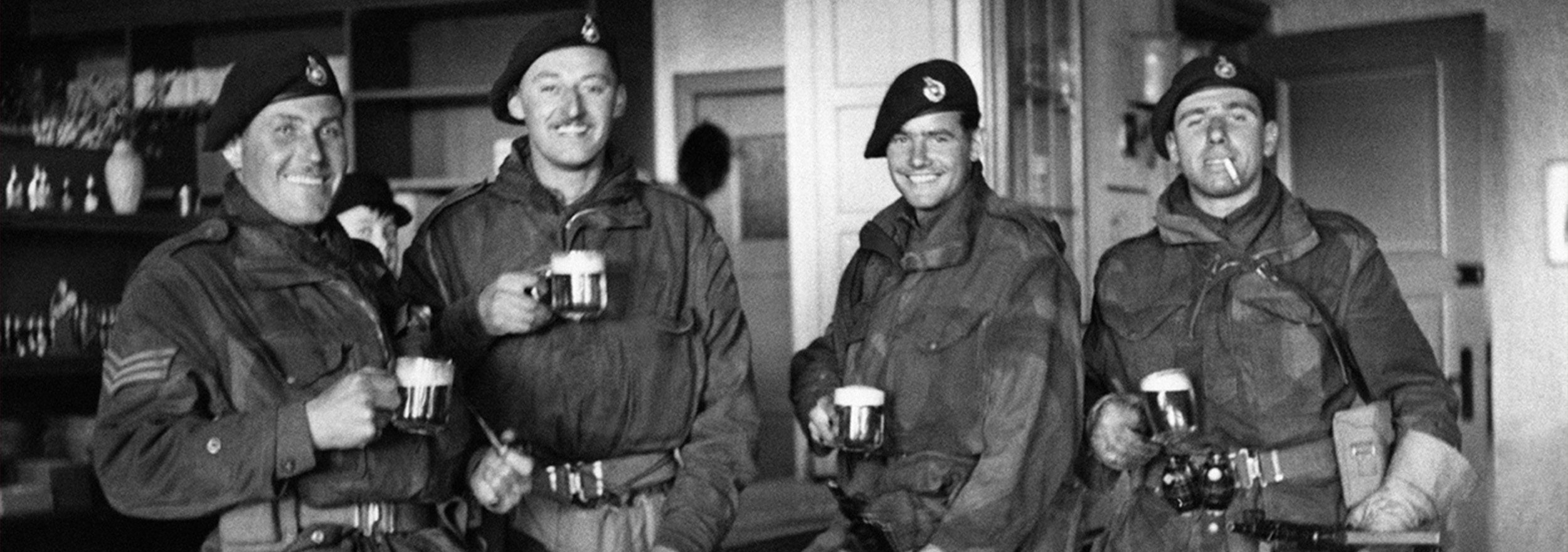
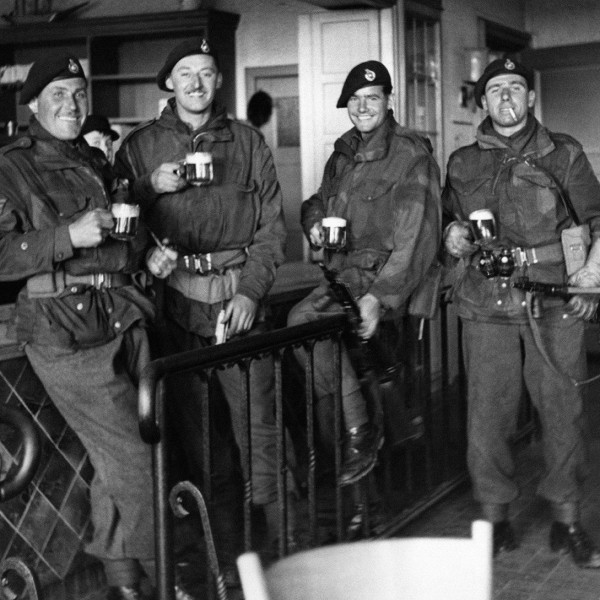
On 20th March 1942, Ian Fleming, then personal assistant to Admiral Godfrey, Director of Naval Intelligence, proposed the formation of a Special Intelligence Assault Unit. Held under the Official Secrets Act for 50 years after the war, details of his top secret unit are still emerging. Here unit historian Dave Roberts has penned a definitive record for us. Welcome to Part Three: Legacy. Catch up on Part One: Formation here, and Part Two: Missions here.
In Autumn 1944, the unit was withdrawn to the UK for further training, reorganisation and expansion. New Black Books were prepared as the Allies neared the Rhine and focus turned to securing German secret weapons, documents and technologies from the heart of Germany. The unit operated in small teams each with specific targets to exploit as well as the standing order to exploit any targets of opportunity at will. Submarines, propulsion systems, rocket technology, jet aircraft and the scientists behind them were the main targets and, with one eye on a post-war world, the aim was to grab them before the Soviets could.
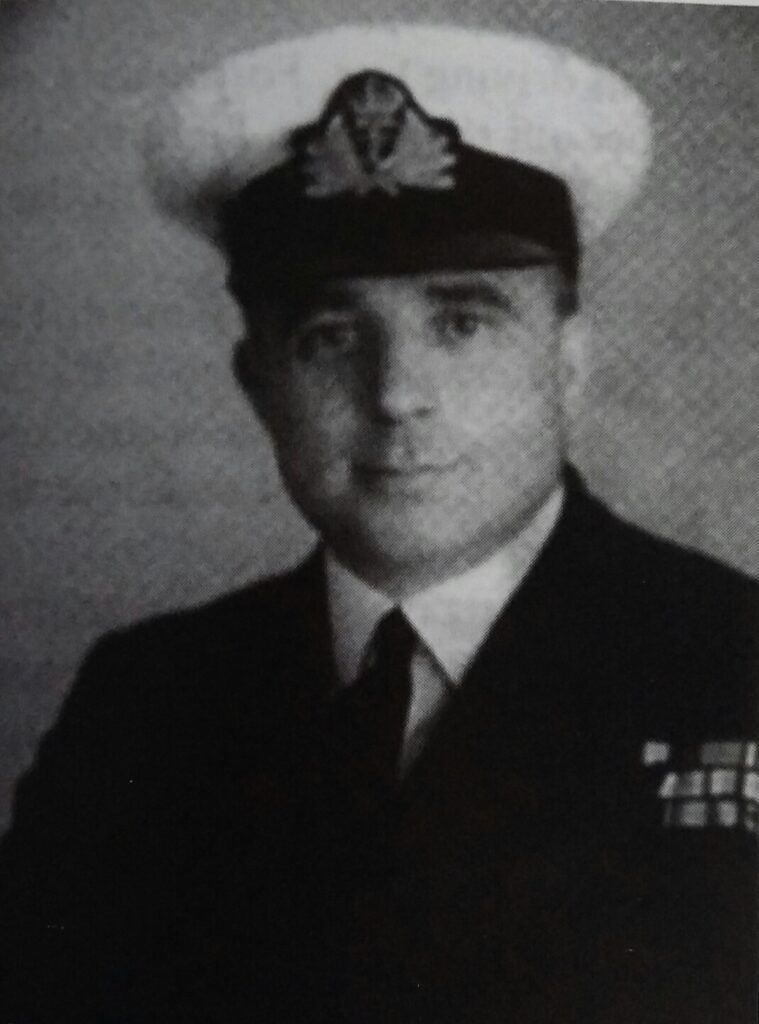
Lieutenant-Commander Dalzel-Job took the surrender of Bremen and captured the SS Europa and a Narvik class destroyer as well as uncovering numerous submarines and weapons stores. Dunstan Curtis led a team into Kiel and took the Walther-Werke factory and the prominent scientist, Helmut Walther who was responsible for advanced submarine and propulsion technology. ‘Sancho’ Glanville captured the entire German naval Archives at Tambach castle, along with 3 Admirals and a group of fanatical female naval ratings who had to be kept from burning the archives. This capture was regarded as one of the major finds of the war and Fleming himself flew out to take charge of the operation.
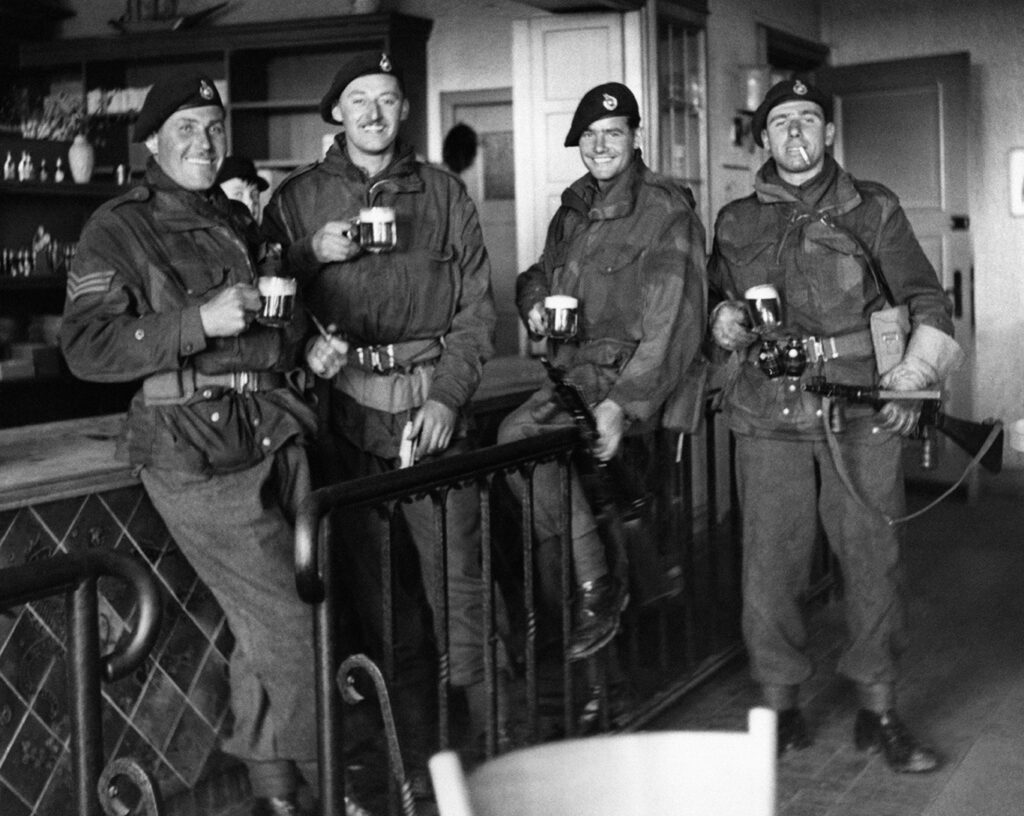
As the war ended, 30 AU was disbanded and those who were ‘Hostilities only’ were demobbed. A small section, under Glanville, was sent to South East Asia to participate in planned landings in Malaya but the Japanese surrender saw them instead involved in small ‘clean-up’ operations, at one point serving alongside French and Japanese troops to maintain order in French Indochina. It was here that Glanville completed his ‘hat-trick’, being the only man to take the surrender of admirals from the three Axis powers.
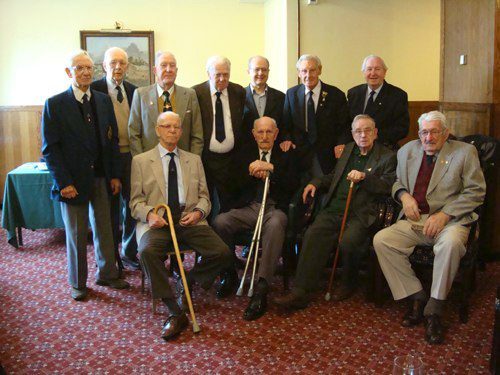
Fleming’s unit faded into memory after 1945, kept alive only by the reunions of the men who had served and their association. By 2009, they had become few in number and the association disbanded.
In December 2010, the name 30 Commando returned to the Royal Navy with the renaming of the UK Landing Force Support Group to 30 Commando Information Exploitation Group. This unit continues to operate in the best traditions of its forebears and is justly proud of its heritage.
Our thanks to Dave Roberts for penning this definitive history. Find out more at the official 30 Commando website and social channels.