Interview: Raymond Benson On The Hook and the Eye

We sat down with Bond novelist Raymond Benson to talk all things Felix, Fleming, and The Hook and the Eye. Read on to learn more about the latest adventures of James Bond’s trusted friend and ally.

After a long break from writing for Ian Fleming Publications, how does it feel to be back with a brand new story?

It feels great! For one thing, the people at Ian Fleming Publications are fabulous to work with. Both now and back when I was doing the Bonds in the late 1990s and early 2000s when there was a completely different team in place. In the past I was fortunate to work with Peter Janson-Smith, the man who was Ian Fleming’s literary agent. He not only acted as editor and mentor in a professional capacity to me, but he was also my friend. I miss him a great deal. That said, I love working with you lovely folks at IFPL now. It’s been a uniquely rewarding experience doing The Hook and the Eye with everyone. I’m glad to be back.

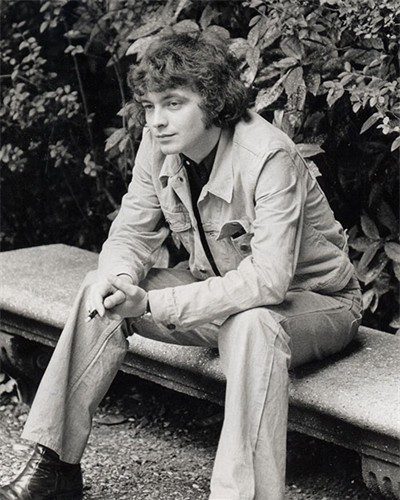
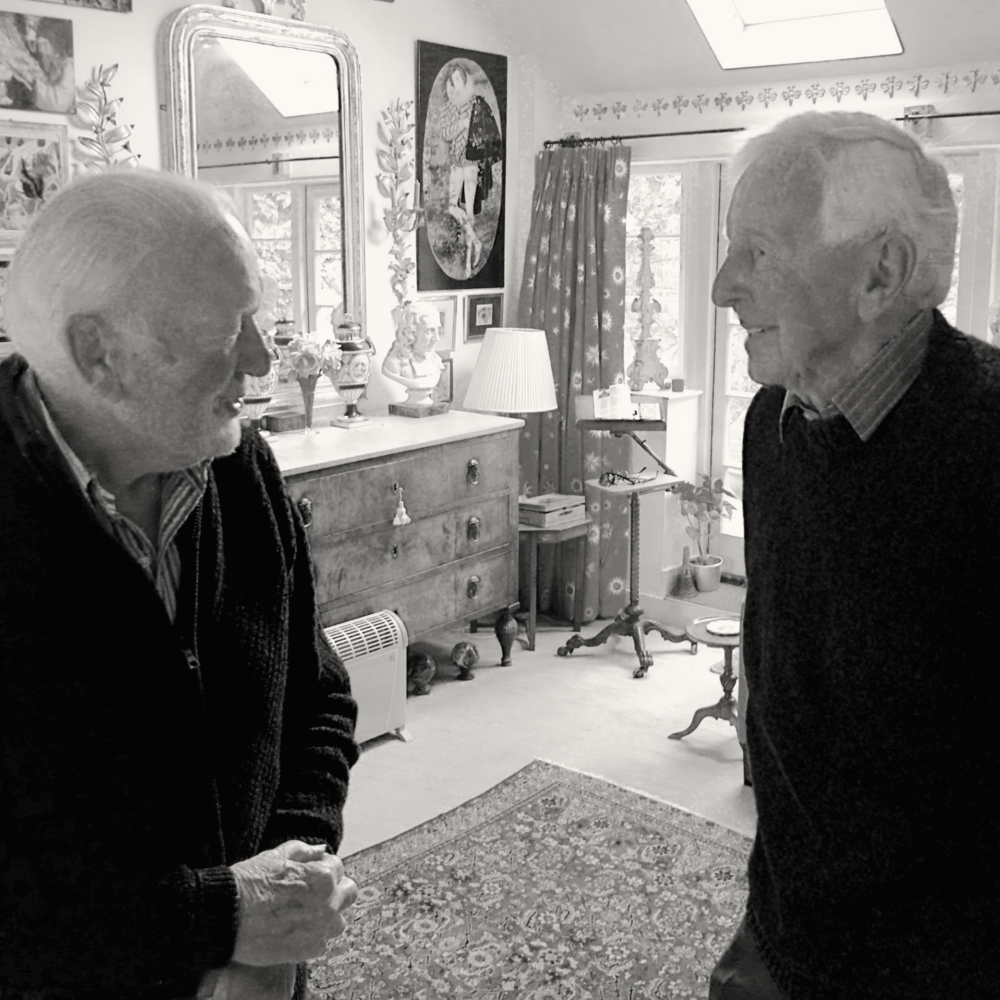
Black and white photograph of author Raymond Benson, a middle aged white man wearing glasses.

How did you find reconnecting with Felix, was it challenging at first or did it feel like returning to an old friend?

I love Felix. I always have, ever since I first read Fleming’s books as a kid in the 1960s. Somehow I identified with him, maybe because he was a Texan (I was born and raised in Texas, too). And while several fine actors portrayed Felix in the films, we’ve never seen Fleming’s literary character on the silver screen. For one thing, in four of the six books Fleming wrote in which Felix appears, he has a prosthesis for a right hand. But there’s also a joviality to his personality that’s only in the books. He’s very much a “kidder” and he always stays upbeat. Having the opportunity to get to know Felix better and place him in his own adventure was indeed like returning to an old friend—and that includes revisiting the Bond universe itself.

What was the very first thing you did regarding your research for this project? 

The first thing I did was re-read all the Felix passages in the Fleming books. I’ve read the novels numerous times throughout my life and I know them well. I just wanted to reacquaint myself with Felix’s speech, the way Fleming presents him, and also note the details of Felix’s life and history that Fleming gave us. There isn’t a lot about Felix prior to his meeting Bond in Casino Royale. But there are tidbits and clues… enough for me to take and then develop into something bigger. I then wanted to know exactly how his prosthesis would affect his life. Fleming doesn’t give us much info about the “hook.” When I first read the books, I pictured in my head a pirate hook. That, of course, is not what it would have been. In the time period I set the story—the early 1950s—Felix’s prosthesis would have been supplied by the Veterans Administration and similar to what actor Harold Russell had in the movie The Best Years of Our Lives. I sought out a prosthetics doctor who provided a lot of the information I needed to give readers a better understanding of how Felix deals with his disability and still manages to be something of a detective hero!

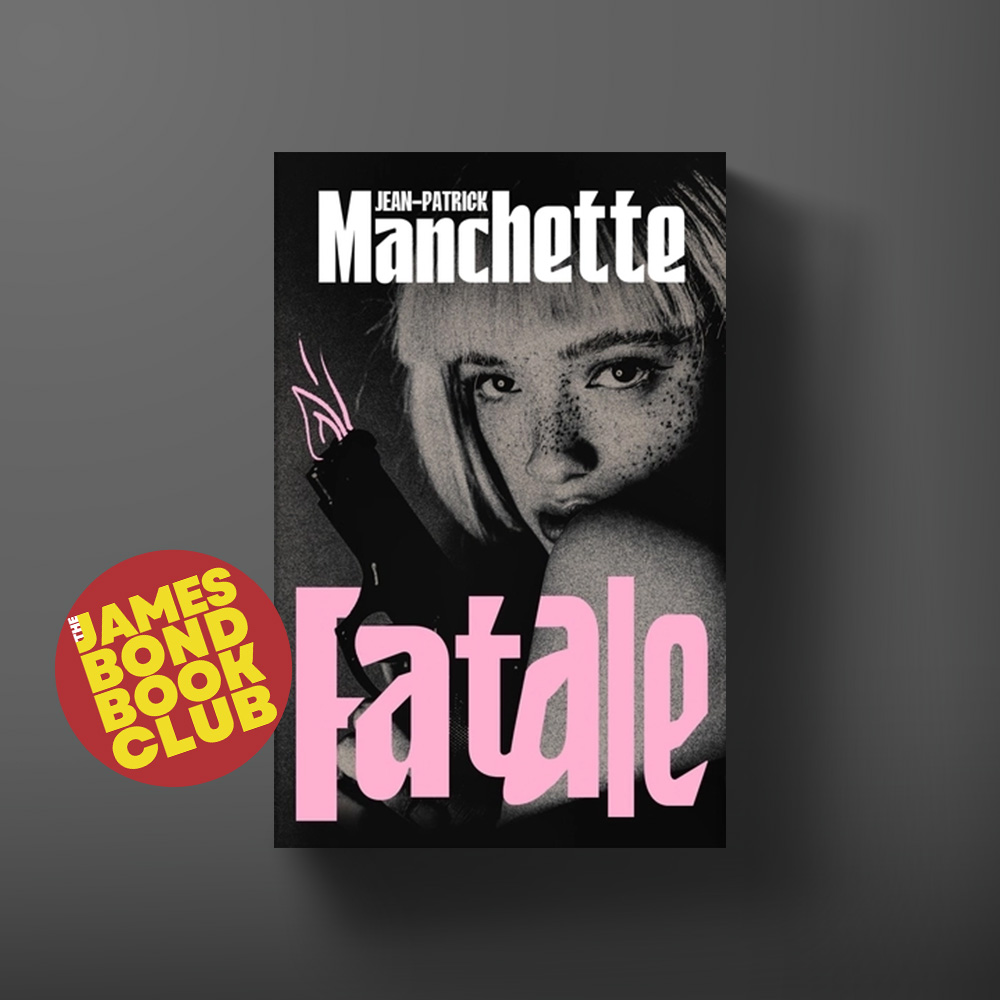
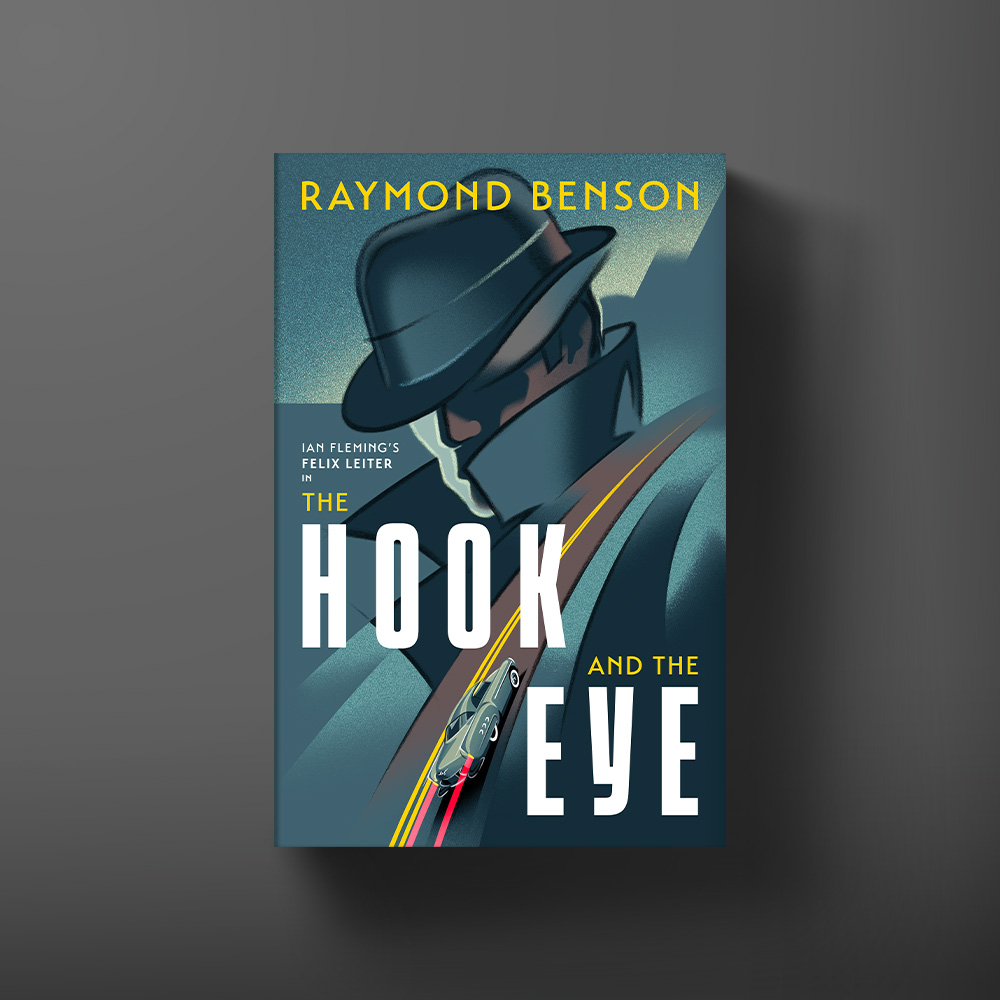
Book cover for The Hook And The Eye by Raymond Benson.

Felix Leiter is usually seen as a loyal ally to James Bond, but in this novel, he’s on his own. How did you approach writing from Felix’s perspective, especially in the context of a detective story as opposed to a Bond adventure?

I was certainly inspired by the pulp noir novels of the 1940s and 1950s, and certainly by Fleming’s 1950s-era novels. There’s a certain vibe that you get when you read those things. I’m not saying The Hook and the Eye is a pulp noir crime novel, but there are elements. I also wouldn’t call Fleming pulp noir nor “hard-boiled.” He was his own unique thing. I suppose I’ve fashioned the book more in his direction. I wanted it be as if Fleming had somehow developed an American voice and written the book himself in 1953. One thing that helped me immensely was the decision to write the novel in first person, from Felix’s perspective. This also helps generate that noir sensibility, but it also allows the reader to get to know Felix very, very well! We’ve never had a Bond novel written in first person, save for The Spy Who Loved Me, and that narrator isn’t Bond! So that’s a big difference in the way I’ve approached a Felix Leiter detective story as opposed to a James Bond adventure.

This project has been in the works for a long time. How different is the end result from your original concept?

Not very different at all! I’m not sure this is relevant, but way back in the late 1980s the very first novel I ever wrote was about a private detective who had a prosthesis. He wasn’t Felix Leiter. He was a different guy, but similar enough that down in my subconscious I was maybe thinking he was my version of a Felix Leiter. The title of the book was, coincidentally, Hook and Eye, Inc., as that was the name of the character’s detective agency. The story, locations, and time period were completely different from The Hook and the Eye. Peter Janson-Smith read the book and gave me some good feedback, but he agreed with me that it was the proverbial “first novel” and belonged in a drawer, never to see the light of day again! But it was a learning experience, and perhaps Peter saw then that, for future reference, I could begin a novel and, more importantly, finish it. Anyway, the current “true” conception of a Felix Leiter novel began after I had done my Bonds, which finished up in 2002. I wanted to see a Felix book in Fleming’s timeline that addressed his life and work in the early 1950s. The notion had come up occasionally in conversation with you at IFPL since that time, but doing a project like that just wasn’t in your plans then. Now it is! Last May 2024 I pitched the concept to Simon Ward, and that evolved into a full blown written proposal and outline, after which I received the green light. The concept and story hasn’t changed since. I suggested the title, The Hook and the Eye. I never meant for that to echo the title of my long lost unpublished first novel, but it better fits this one.  

Aside from having a Texan background, are there any similarities between yourself and Felix, either in terms of personality, values, or life experiences? How much of yourself do you see in him, and did that influence your writing of his character?

Whenever any author uses a first person narrative, I believe a touch of the author’s own voice goes into that of the narrator. I don’t think it can be helped. I think I know exactly how Felix would sound in real life because I knew and know men like him. I don’t think Felix has an exaggerated Texas drawl. He spent time in Europe and Washington DC. His accent would be tempered, much like mine. My Texas drawl was drilled out by being in theatre for so many years! I left Texas in my early twenties and moved to New York City. I have lived in other places in the north since then and now the Chicago area. Maybe Felix talks like I do, perhaps slower. As for other character traits… I’m sure my values match Felix’s, but we are of different generations. Felix would have been in my father’s generation, having served in World War II. That, in and of itself, makes our world outlooks markedly different. Felix did military service and worked in government afterwards—all that is foreign to me. But I know enough about those things and I have known men who have had those life experiences. It’s more about Felix’s personality. That is closer to me. I like to think I’m as upbeat as Felix. When I’m with my pals I joke around like Felix. I enthusiastically praise whatever food and drink we’re having in Felix fashion. I’m not the heavy drinker or smoker that Felix is, that’s for sure, but, like him, I’m a jazz fan! Incidentally, there’s a member of my family who was born without a right hand. So, there’s that familiarity, too. Also relevant to my own life are the locations. I’ve lived in or been to all of the locations in the story. A certain national park plays a big part in the tale, one that I’ve visited numerous times because it was in close proximity to where I grew up. The route of Felix’s road trip is one I traveled a few times. The settings in The Hook and the Eye are some of my favorite places in America.

Your attention to historical detail, particularly with the placement of the story between Live and Let Die and Diamonds Are Forever, adds a level of authenticity to the narrative. What were the challenges in fitting The Hook and the Eye into this established timeline, and how did you integrate the social and cultural landscape of 1952 into the plot?

John Griswold’s 2006 book, Ian Fleming’s James Bond: Annotations and Chronologies for Ian Fleming’s James Bond Stories speculated when in the real world that Fleming’s books took place. John used clues from the books and other factors and came up with believable conceits. He determined that Live and Let Die actually took place in January and February 1952. Diamonds Are Forever was in late summer 1953. Thus, my story for Felix could take place throughout most of 1952. This was fortunate for me because some real world events occurred that year that I felt could play into the tale. Once I committed to that setting, it became a matter of researching the period, especially the American landscape at the time in terms of roads, restaurants, and hotels that Felix would be using. I had to approximate what did and didn’t exist in 1952 in certain cities that are in the story. I was born in the 1950s. It really wasn’t too far removed from my own memories. The small town in Texas where I grew up was always at least five years behind the times of major urban areas like, say, New York… or even Dallas.  There are a lot of places in the States, especially in rural areas, where remnants of the past still exist. Even today you can visit small towns in America and find a Main Street that was built in the 1930s or 1940s with vintage movie theaters, retail businesses, diners and coffee shops, and offices. Sort of a ”lost Americana” that’s hiding in plain sight. That’s what I was interested in conveying. When I could, I used real places that might have been prominent in 1952 but are now either a shadow of what they were or, usually, completely gone. I also had to be mindful of what things cost then. Then there were the social mores that existed then. All the smoking. The drinking. Repressed sex. The burgeoning jazz scene. The Cold War political environment. All of this plays into The Hook and the Eye.

Without giving too much away, how did you go about developing Felix’s love interest/sidekick, Dora? What can readers expect from her?

Well, to talk too much about her would indeed give a lot away! I suppose I was thinking about the old films noir that had femmes fatale. (A femme fatale in those old films was usually a bad woman who led an otherwise good man to his doom.) I wanted someone that evoked that kind of character… but mind you, that doesn’t necessarily mean that Dora is a femme fatale. I wanted to give her an air of mystery that is compelling for Felix. Is she bad? Is she good? I’m hoping that she will keep the readers guessing, just as she keeps Felix guessing.   

There is so much to love about Felix as a protagonist. What do you hope readers enjoy most?

I’m hoping that readers will connect to Felix’s personality and get to know him as a fully drawn character. The positive feedback I’ve received so far from beta readers, editors, and the IFPL board seems to concentrate on Felix himself and the voice I’ve given him. The mystery-melodrama story/plot is also something a bit different for the Bond literary universe, but I believe it’s something Fleming might have come up with had he decided to write a Felix Leiter novel himself back in the 1950s. At least I’d like to think so.

Find out more about Raymond’s writing process in our Hooked on Leiter video series.

Interview: Nicholas Shakespeare On Ian Fleming

We sit down with Nicholas Shakespeare to learn more about his biography Ian Fleming: The Complete Man. Read on to learn about the author’s research process, how he came to write about Fleming, and of course, his favourite Bond novel…

What was the spark that started all this?

Early in 2019, I was in Tasmania, having gone there to begin work on a new novel, when I was approached by the Fleming family, who wondered if I would consider writing what would be the first authorised biography of Ian Fleming since 1966. I admit I was hesitant. Excited. Intrigued. Flattered to be asked – who wouldn’t be? But also, to start with, a bit wary, given Fleming’s fame and reputation and the amount of chaff that hedges his name. Was there anything more to say about him? And if there was, was I the person to say it? Plus, did I wish to spend four or more years in the company of a cad? I knew of Peter and his involvement in the Norway Campaign from my previous non-fiction book, Six Minutes in May – he had been the first British officer to set foot in occupied Europe in WW2. I’d grown up on Bond, yet about his creator I knew little other than tidbits picked up when making films or writing about some of his contemporaries.

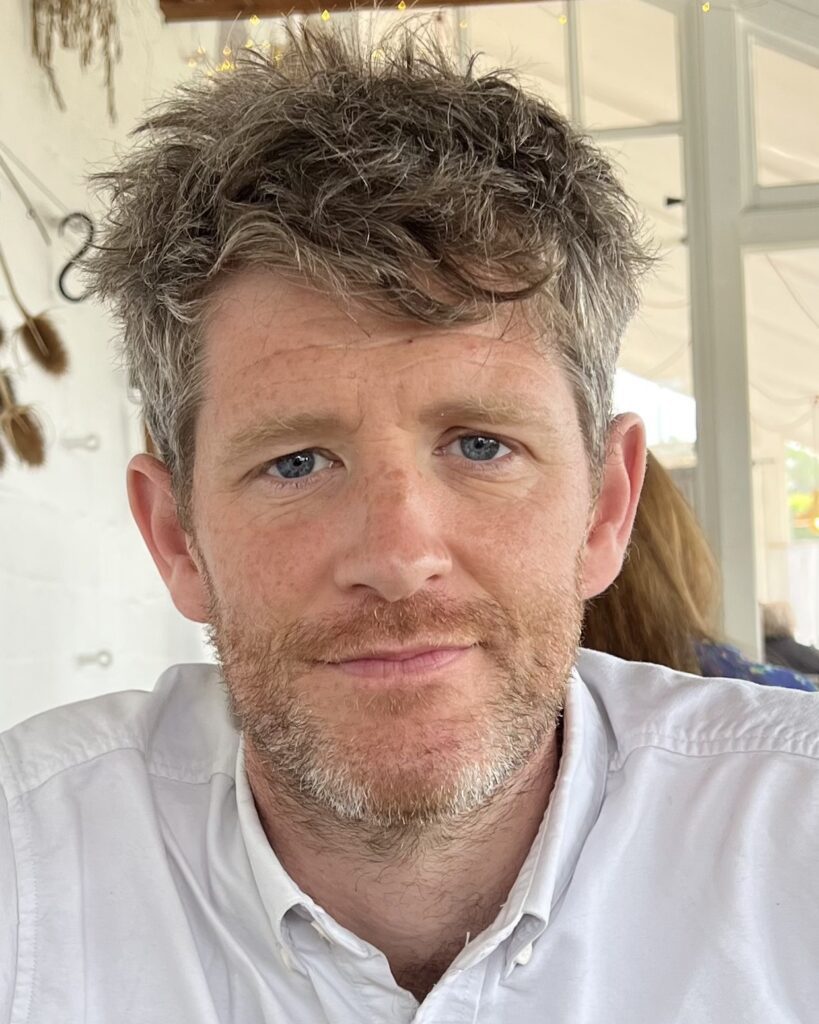
Black and white photograph of author Nicholas Shakespeare, a middle aged white man pictured in front of the sea.

How did you start your research for this project? 

Before committing myself, I conducted a background check. I sought out Fleming’s two previous biographers, John Pearson – who had shared a desk at the Times Educational Supplement 66 years earlier with my father (I was able to reintroduce them) – and Andrew Lycett. I spoke to Fleming’s surviving family and friends. I was given and came across new material. And what I found as I did my due diligence was not what I expected. The image I previously had of Ian Fleming from sideways glances was in many surprising respects inaccurate and unfair. It camouflaged another Fleming, a figure who – in contrast to the “squalid, unillumined” figure of Malcolm Muggeridge’s depiction – was sympathetic, funny, vital and humane.

Did your research on this book differ to your previous projects?

With a subject as raked-over as Fleming, the challenge is to produce something fresh. As in my books Bruce Chatwin, Six Minutes in May and Priscilla, I was keen to unearth new archive material out of what has become pretty exhausted terrain. Not only that, but to scatter oral history throughout the text – e.g. first-hand accounts of those like Fleming’s step-daughter Fionn Morgan, who is one of the few who could recount lived memories.

One of my luckiest encounters was with the last surviving member of Fleming’s Intelligence-gathering unit, 30AU. So impatient was I to meet him that I arrived a Wednesday early. Later, I was glad I got the date wrong. Bill Marshall, aged 94, was hospitalised five days after our conversation. Had I come at the right time, I would never have heard what he told me. The former Royal Marine was a lightning rod directly back into the D-Day landings. He recalled meeting Fleming in northern France in 1944 and digging up the top-secret plans of a prominent German scientist.

Tell us about the title ‘The Complete Man’.

In the 1930s Fleming often spoke to the journalist Mary Pakenham of his ambition to be the Renaissance ideal, “the Complete Man”. I then read Alan Moorehead’s account of how WW2 had transformed “the ordinary man” – and how “he was, for a moment of time, a complete man, and he had this sublimity in him.” This certainly was true of Fleming: the war was the making of him (and later of Bond). Only after my book went to press did le Carré’s biographer Adam Sisman alert me to this other quote, in Raymond Chandler’s essay “The Simple Art of Murder”: “But down these mean streets a man must go who is not himself mean, who is neither tarnished nor afraid. The detective in this kind of story must be such a man. He is the hero; he is everything. He must be a complete man and a common man and yet an unusual man.”

What I like about the phrase “complete man” is that it suggests one of the central themes to have emerged: there is much more to Fleming than Bond, a character he created almost as an afterthought in the last twelve years of his life, when the most interesting part of it was essentially over. To simplify horribly, there would be no James Bond had Fleming not led the life he did, but if Bond had not existed, Fleming is someone we should still want to know about.

When memories and anecdotes differ, especially when it comes to family and also with top secret wartime stories, how do you find your way through everything and express it in a book?

So many stories disintegrate when scraped with wire wool. My favourite example is the 1997 book Op.JB, by former British intelligence agent Christopher Creighton, who argued that Fleming was personally involved in capturing Martin Bormann from Hitler’s bunker in Berlin. Taken with the story, Peter Fleming’s biographer Duff Hart-Davis agreed to ghost-write Creighton’s account. “I think (for me) the final straw came when Creighton [who also claimed to be godson of Churchill’s Intelligence expert, Desmond Morton] claimed that Fleming had brought Hitler, as well as Bormann, out of the bunker, and that on their way to the Weidendamm bridge Hitler’s head had been blown off by an incoming shell.”

When it comes to family stories as well, the truth has its own smell. I included the anecdote of Ian’s niece Gilly, that Ian had written the first Bond because of a bet with Peter, not because I felt it was necessarily 100% accurate, but because it revealed the way the family had understood things. Readers are intelligent enough to make up their own mind.

How has writing this biography changed how you think about Ian Fleming? 

 It struck me only recently that a moral of Fleming’s story is this: don’t run off with the wife of the proprietor of the Daily Mail if you want to avoid being forever after rendered into tabloid fat. People tend to have made up their minds about Fleming as a sardonic, wife-beating cad who strutted about pretending to be more important than he was. What decided me to write the book, after completing two months of due diligence, was to discover that his war work was indeed significant, much more than anyone had thought, although he couldn’t for security reasons talk, let alone boast about it. And how much kinder he was in life than his posthumous caricature suggested. It was Maud Russell’s line in her unpublished diary seven years after his death that clinched it: Sometimes I think of Ian – mostly of his personality, his character & his innate kindliness. (17/10/1971). Kindliness is a prize quality to uncover. I was relieved to find it in spades.

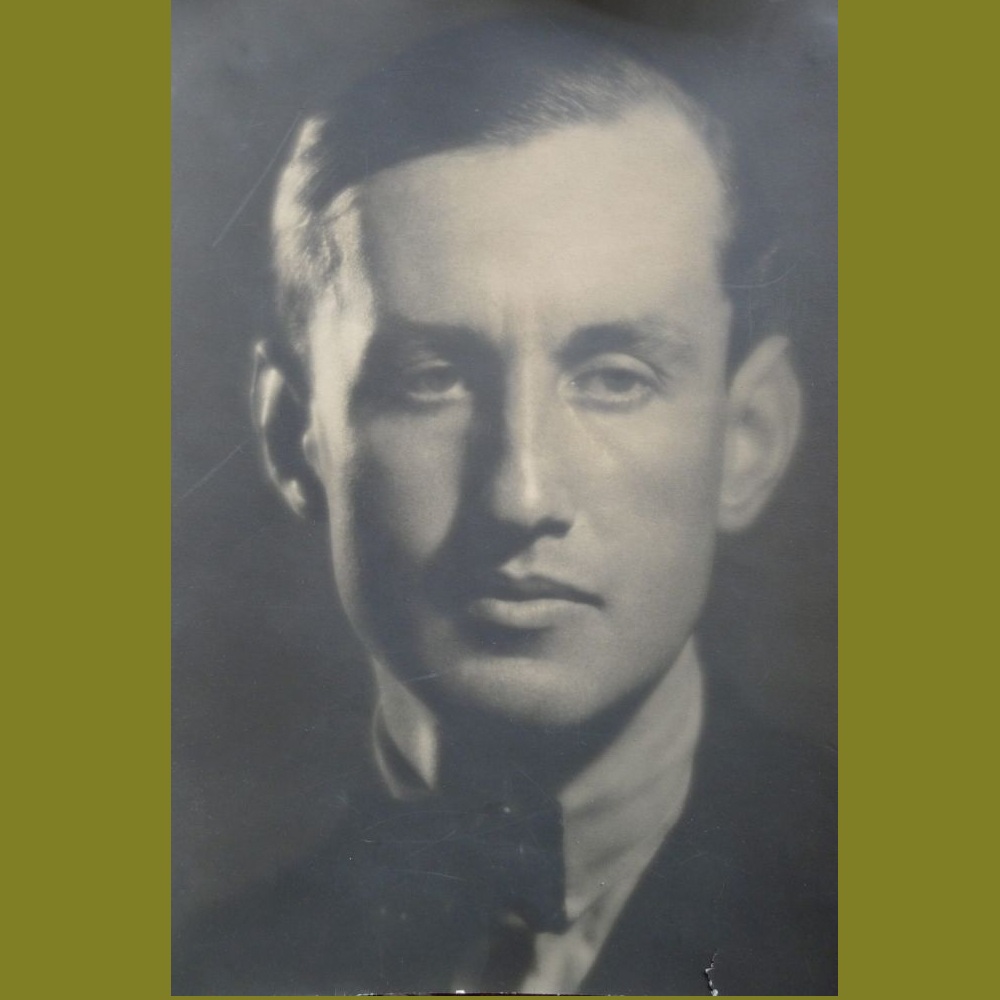
Not that he was an unprickly or an easy subject to dig up. Early on, Charles de Mestral, the son of his Swiss fiancée Monique, sent me an envelope containing the original photographs that his mother had taken of Ian in the early 1930s when they were engaged, and which she had preserved in a sort of shrine all her life. I propped up the largest photograph on my desk, I suppose as some sort of talisman; a black and white studio portrait of him c 1931. For four years, he stared impenetrably at me, defying my attempts to crack him. Only towards the end did I glance across and see Fleming through the veil of his cigarette smoke, and have a sense that I understood him better – and more than that, quite liked him. It was the opposite trajectory of my experience in writing about Bruce Chatwin, someone I had known personally and admired, but whom – because of the unnatural, up-close nature of biography – I ended up becoming less enamoured about.

How has writing this biography changed how you read and think about Bond? 

That no day passes without James Bond making a media appearance is a testament to the ongoing power of his brand. Even so, I probably did not appreciate, quite, the reach of his influence. What I came to recognise is the astronomical extent of this. “He is better known than God,” Fleming’s niece Gilly told me. “All the Tibetans know of James Bond. They’ve never heard of God.” The Italian film director Adolfo Celi was welcomed with feasts in forlorn villages in Africa “where they had never seen or read anything, but where they had seen Thunderball.”

But it’s not only to foreigners that Bond has succeeded in promoting a seductive ideal of what it means to be British. He has done this most effectively to the British themselves. When we required an Ambassador to represent us at the opening of the 2012 London Olympics, who did we pluck from the heavens to act as the Queen’s bodyguard, in a cameo appearance watched by an estimated 1 billion people, but the one other Britisher to have enjoyed Her Majesty’s fame (she had attended not a few of his premieres as well).

The sun may have set on colonialist misogynists, but not on Fleming’s addictive and unmistakeable conception of a patriotic British male, attractive to both sexes, who is impossible to pay off. As a signature of Britain, Bond has proved impervious to time, to changing mores. Infinitely malleable, eternally refreshable, with his latest dialogue and behaviour contemporised by none other than Phoebe “Fleabag” Waller-Bridge, Bond is the mythical hero who not only never dies – despite earlier heart-stopping intakes of alcohol and tobacco – but who goes on getting livelier: a character with central values that still hold appeal and are adaptable enough to be reinvented over decades. As Max Hastings told me: “It seems to me that whatever reservations we all have about Ian Fleming and Bond, today it is impossible to overstate their quite extraordinary influence in making something English seem important in the twenty-first century world. James Bond has a stature to which no modern prime minister, nor royal, nor indeed anything can lay claim.”

And finally, what is your favourite 007 book and why?

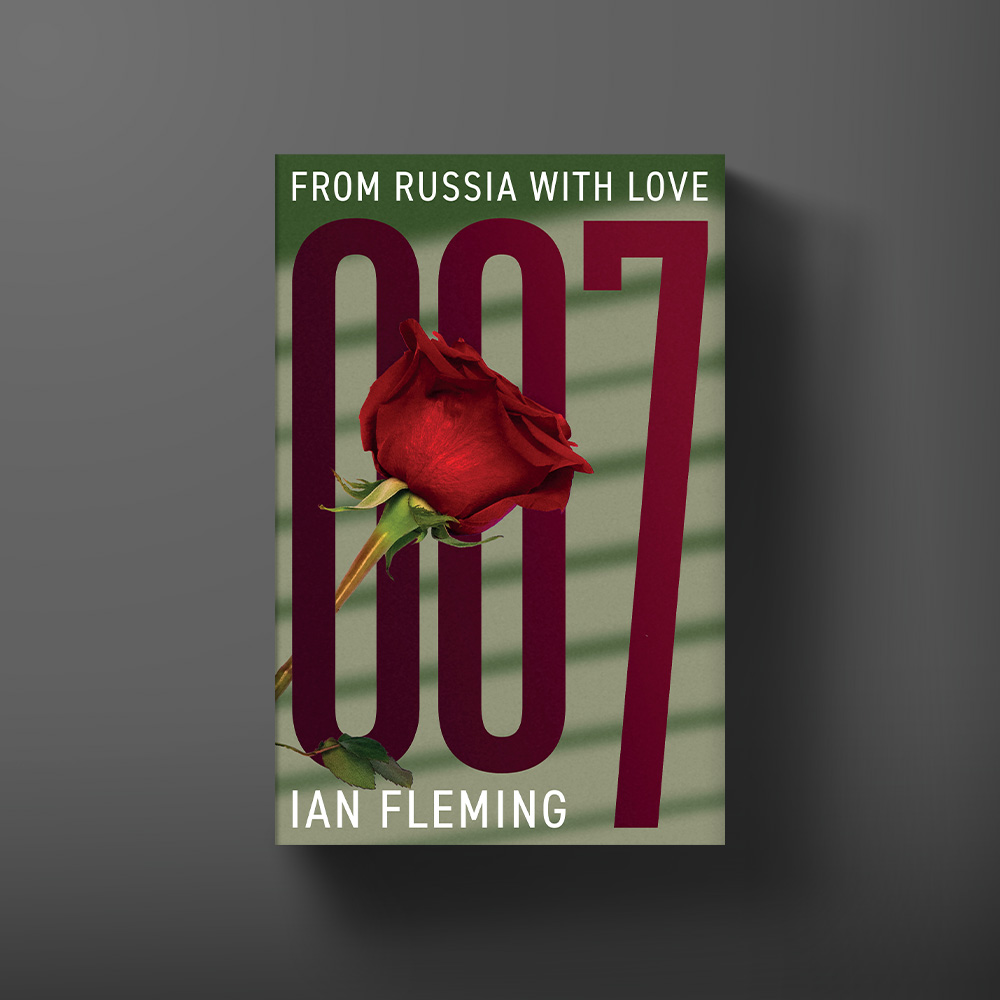
My favourite 007 book is From Russia, With Love, which was also Fleming’s own favourite. I can’t do better than quote the reaction of his American publisher Al Hart: “A real wowser, a lulu, a dilly and a smasheroo. It is also a clever and above all sustained piece of legitimate craftsmanship.”

Paperback book cover for From Russia with Love by Ian Fleming.

Discover Nicholas’ biography Ian Fleming: The Complete Man, at our shop.

Interview: Audio Book Narrator, Nathaniel Parker

Join us as we delve into the world of audiobooks with TV, stage and voice actor, Nathaniel Parker, narrator of all nine Young Bond books.

Do you remember your first experience with James Bond?

It was wonderfully exciting. I think my first experience was at the Kensington Odeon. I thought it was Goldfinger, but I would have only been two years old, so I think it was probably You Only Live Twice. It felt so grand, with the audience standing and singing the national anthem, guided by an organist on the stage in front of the screen, before the curtain up. Such a glamorous introduction. I was hooked.

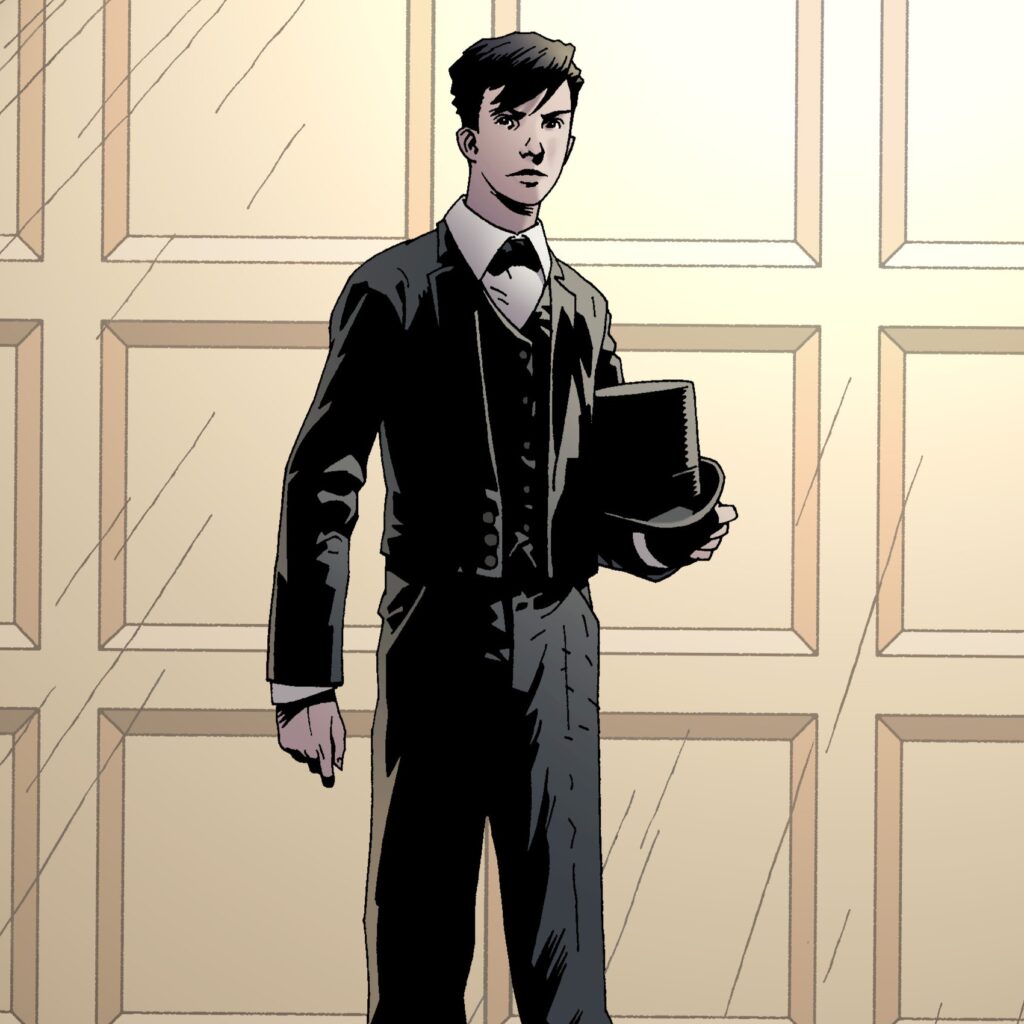
Illustration of James Bond, from the young Bond book series. James is shown in his Eton school uniform as a young man.

How did you find your voice for Young Bond?

Well, obviously, I look to my own voice for James himself because I have always cherished the thought of playing him! This is the biggest buzz of all you see, pretending to be James Bond. The voices are great fun to find, but I will admit to using some old Bond villains from the films as a basis for some of them – Charles Gray, for instance. Such fun to do. I worked with him years ago and his marvellous gravelly voice with a side helping of evil is wonderfully adaptable.

I do look to include as much variety as possible, but perhaps that’s only in my head. I can usually picture the character and fit a voice to that. Sometimes, like in Strike Lightning, I am told quite clearly by the author. That always helps. Take a listen.

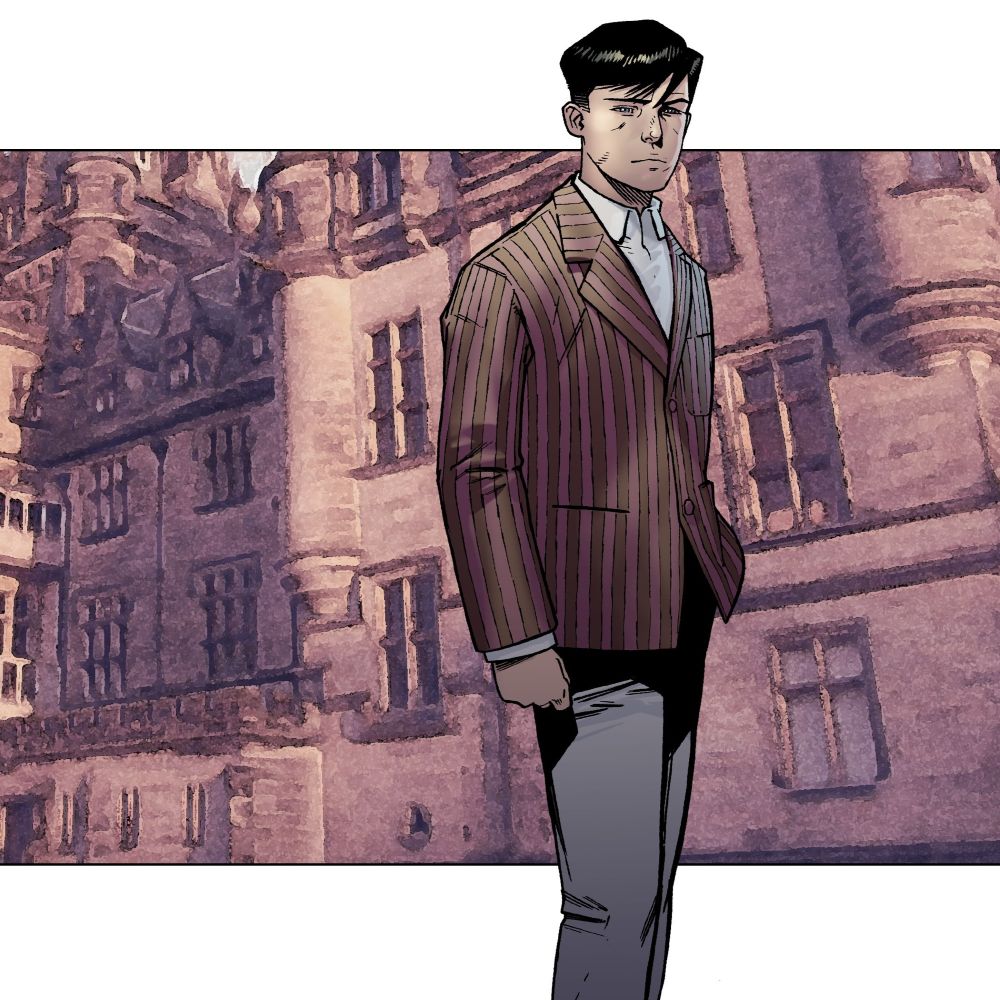
Illustration of James Bond from the Young Bond book series. James is shown here in his striped school blazer as a young man.

How does Bond change on the journey from SilverFin to Strike Lightning?

He definitely changes. He has to grow up fast. One of the most intriguing parts of the process is seeing how he learns various death-defying talents and how they progress into the grown up version we see in the later books. There’s a little less naivety and he accepts the thrill of the moment as a bit of a drug. What is unchanging is his reliance on justice and his ‘fight for right’.

What is your most memorable Young Bond moment?

I think it was in Hurricane Gold, when Bond has to get through an obstacle course and there are alligators and more waiting to snap him if he falls – reminiscent of Live and Let Die. I think I generally enjoy the pace as it all builds up to the denouement. Strangely for me, I make slightly fewer mistakes at pace. I am slightly dyslexic, so it can be a wee bit tortuous for the engineer.

Can you tell us more about the process of recording audiobooks?

One of the joys about audiobooks that has not been afforded to me as an actor on stage or screen, is the opportunity to do my voices. I have always loved imitating others and finding voices and accents, and this is the perfect platform. Some books, like the Artemis Fowl series I used to do, actually have made up creatures, so finding voices for them is terrific fun. As for performance, it is relentless. Nowhere else do you sit in a tiny room for roughly eight hours a day trying to keep up the pace and passion that in turn keeps the audience listening. The studios themselves often get hot and then you put on the air-con and then your voice dries up, so it’s a delicate balance, and you need to get on quickly and trustingly with your producer and engineer through the window.

Which are your favourite characters to bring to life?

Baddies, definitely.

And finally, if you were to feature in a Young Bond novel, would you play a heroic ally, or a scheming villain?

Well, to be honest the heroic allies don’t get much of a look in. They’re there a lot, but you only really want to know what’s happening to James Bond himself, and that is usually down to the villain. So baddie for me.

Find out more about Nathaniel Parker here.

The Story Behind: Bond On Radio

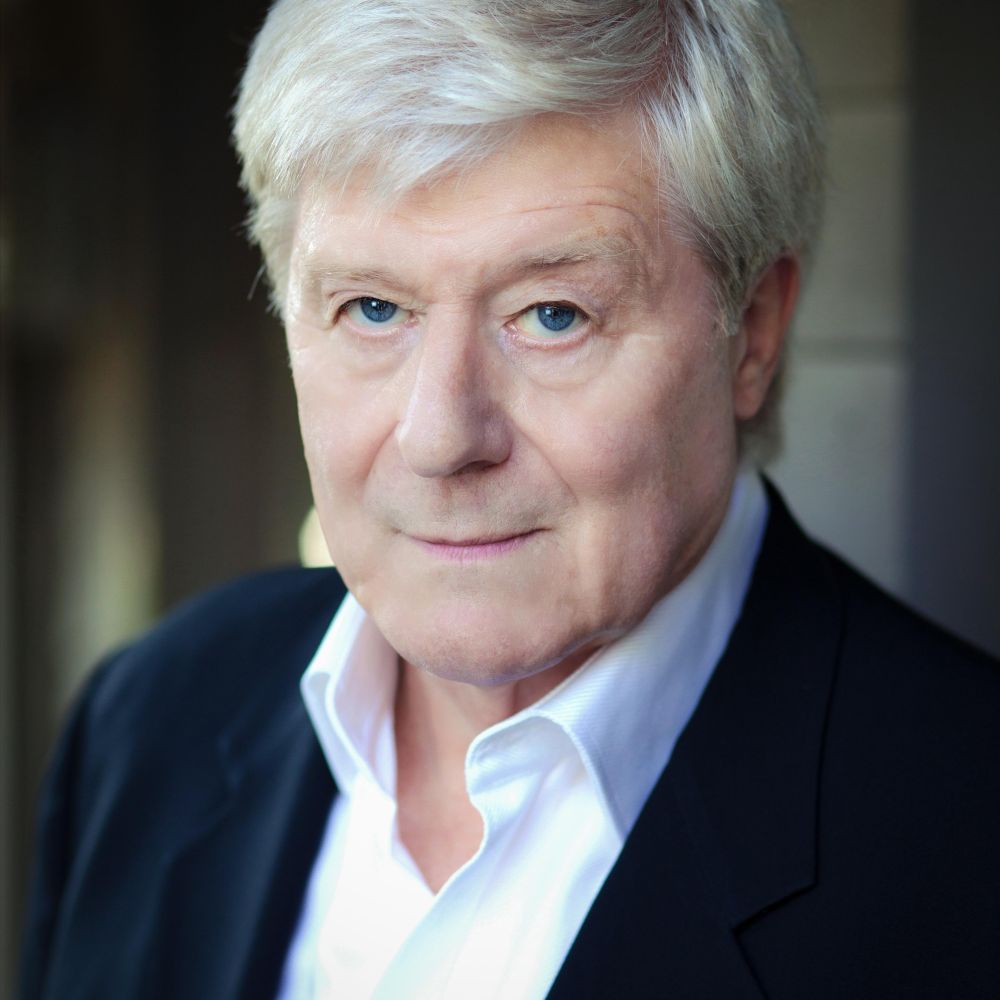
We talk to Martin Jarvis OBE, actor, director and producer about 007 on the radio. Martin has co-produced a number of drama adaptations of Ian Fleming’s Bond novels for BBC Radio 4, narrated the You Only Live Twice audiobook, and is the voice of Ian Fleming in the Radio 4 production of Thunderball.

When did your interest in producing for radio begin? What was it about the medium that inspired you to produce your own dramas?

A life-long interest in radio drama. At first as a child, enjoying adventure serials on radio – Journey Into Space and Dick Barton Special Agent. Great stories and exciting spring-boards to the listening imagination. Then as an actor, recording all kinds of plays and comedies in BBC radio studios (and writing some of them) taught me the basic techniques of creating drama for radio. It seemed only natural that my company, Jarvis & Ayres Productions should start to offer the BBC specially produced plays and comedies for the medium. I’m delighted to say that BBC saw the force of this too. Rosalind Ayres and I have now produced hundreds of programmes ranging from plays, series, serials and readings, as well as big dramas for BBC Radio 3 and 4. And, we’re pleased to say, six James Bond feature-length radio-screenplays. We have also directed and/or performed numerous productions for National Public Radio in America.

How did you decide which of Fleming’s books to adapt?  

At the suggestion of Ian niece, Lucy Fleming, EON Productions, the rights holders at that time, gave permission for a production. They suggested we produce Dr. No as a one-off to celebrate Ian Fleming’s centenary. There was no question of doing more than just that single dramatisation. However it went so well with the BBC Radio 4 audience – Toby Stephens a perfect 007 and David Suchet a brilliantly authentic Dr. No – that EON asked if we might like to produce another of the titles. Of course! It was suggested that Goldfinger might be fun – and so it turned out, with Sir Ian McKellen inhabiting the role with great wit and brilliance – and a fine Latvian accent!

What do you think it is about Fleming’s work which makes it so well suited for the radio?

As well as his understanding of the complex world of espionage, Fleming has great and graceful narrative skills. In his travel writing he is always able to evoke the colours, scents and atmosphere of exotic locations, and this he does equally compellingly in his novels. The scenarios are perfect, too, for radio, where you can literally go anywhere – under the sea, above the Bahamian waters in a sea-plane, visit a Saratoga race track, ride on the Orient Express, join the mafia in New York and win or lose at cards in Le Touquet or Las Vegas. Wonderful, enticing locations, and characters – all transposed from Fleming’s entertaining writing directly into the actors’ (and therefore the listeners’) imagination.

Was 007 a part of your literary upbringing?

Yes, along with P.G. Wodehouse, John Buchan, Richmal Crompton, Agatha Christie, and Shakespeare! I read most of the novels and always particularly enjoyed the card game sequences. When I came to adapt /direct On Her Majesty’s Secret Service, Diamonds Are Forever and most recently Thunderball for radio, I initially wondered how it would be possible to ‘show’ the minutiae of baccarat, chemin de fer or blackjack. But it seems to work well, partly due to the fact that, in radio, we can enter James Bond’s head and almost take part in the game ourselves via his inner thoughts and responses. No lack of focus there!

How do you set about casting the stories? 

It seems that many actors have enjoyed the Bond novels. And it has been gratifying that so many stars have relished the chance to take part in our productions including Toby Stephens, Dame Eileen Atkins, Stacy Keach, Sir Ian McKellen, Joanna Lumley, Tom Hollander, David Suchet, Alfred Molina, Jared Harris, Tom Conti, Nigel Havers, Lisa Dillon, Peter Capaldi, Alistair McGowan, John Sessions, Tim Pigott-Smith, Janie Dee, John Standing, Mark Gatiss and many more. When Mark joined us to play Colonel Kronsteen in From Russia With Love he told me ‘this is the best acting day of my life!’

Ros Ayres and I have of course worked with many of this extended company on screen or in the theatre – it’s very often an excuse to get together and have fun (again) courtesy of 007, the BBC, EON and the genius of Ian Fleming.

Is there any significance in the order in which you’ve chosen to produce the Bond radio dramas? Or is it a case of which one seems the most interesting project to follow the previous?

Sometimes there’s a neat progression. After Diamonds, in which Bond is in quite a bad way at the end, it seemed appropriate to bring him back after ‘some time away’ and have him sent (in Thunderball) to the Shrublands health farm. But then in his adventurous life he often needs a period of recuperation before the next extravaganza. Don’t we all!

Find out more about Martin here.