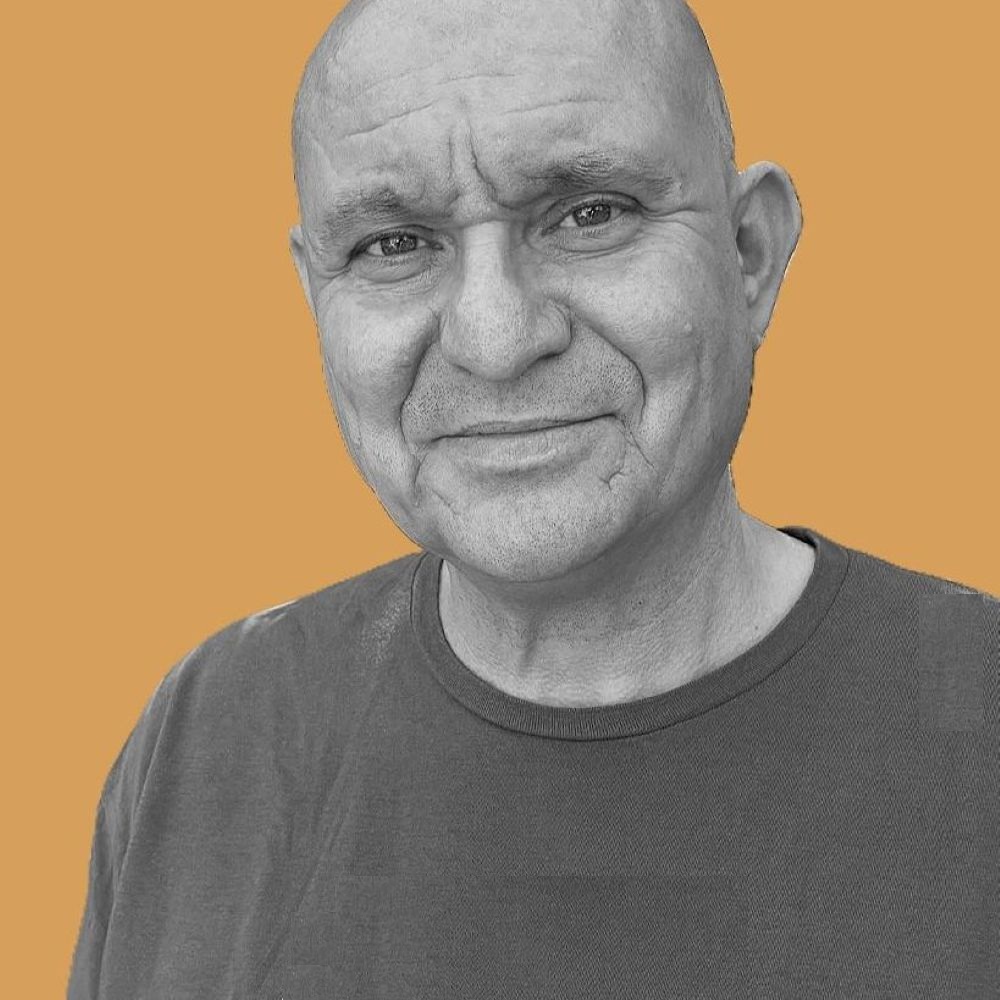
We’re thrilled to announce a new blockbuster 007 literary adventure, James Bond and the Secret Agent Academy, by bestselling crime writer M.W. Craven. Publishing in June 2026, it will kick-off an action-packed new series for readers aged 8-12.
The series will take the world’s most beloved secret agent to a place of dread, weirdos and strange food: school. A new generation of young heroes, mentored by 007, have entered the Secret Agent Academy to see if they have what it takes to join the ranks of the Double O’s. Together with Bond can they defeat a deadly foe lurking in the shadows – and, more importantly, can they pass their exams? For existing fans and a new generation of spy adventure readers, this is 007 like you’ve never seen him before.
The series is written by bestselling and CWA Ian Fleming Steel Dagger award-winning crime and thriller author M.W. Craven who says, “While writing a middle-grade book that features James Bond training the secret agents of tomorrow is undoubtedly an extraordinary honour, it also comes with a daunting responsibility. The challenge of introducing Ian Fleming’s Bond – a brand that has transcended books and movies to become part of our national identity – to a brand-new audience is not something to accept lightly, but after speaking with the team at Ian Fleming Publications Ltd, sharing our concerns about recent research from the National Literacy Trust in the UK showing that reading for pleasure amongst children is at a 20-year low, it wasn’t an opportunity I felt I could turn down. Yet this is not James Bond as you’ve seen him before. Expect whacky gadgets, whacky lessons, and even whackier members of staff.”
Simon Ward, Publishing Director at Ian Fleming Publications, says: “We are always looking for stories we want to read: stories that have everything we love from Ian Fleming’s legendary James Bond adventures but with new characters and new settings that Ian would approve of. This is a James Bond story unlike any other we’ve done: a world of twisted villains, extremely silly names and bizarre gadgets but with a contemporary setting and a cast of young heroes children can relate to. For this we needed an author unlike any we’ve had before: M.W. Craven is the perfect combination of fierce intelligence, nail-biting action and mischievous humour. Not only is he the perfect adult thriller writer, it turns out that he is also a born children’s author. This is a series that kids and grownups alike will love. We look forward to welcoming all new recruits.”
James Bond and the Secret Agent Academy will be published in June 2026. Pre-order your copy now.
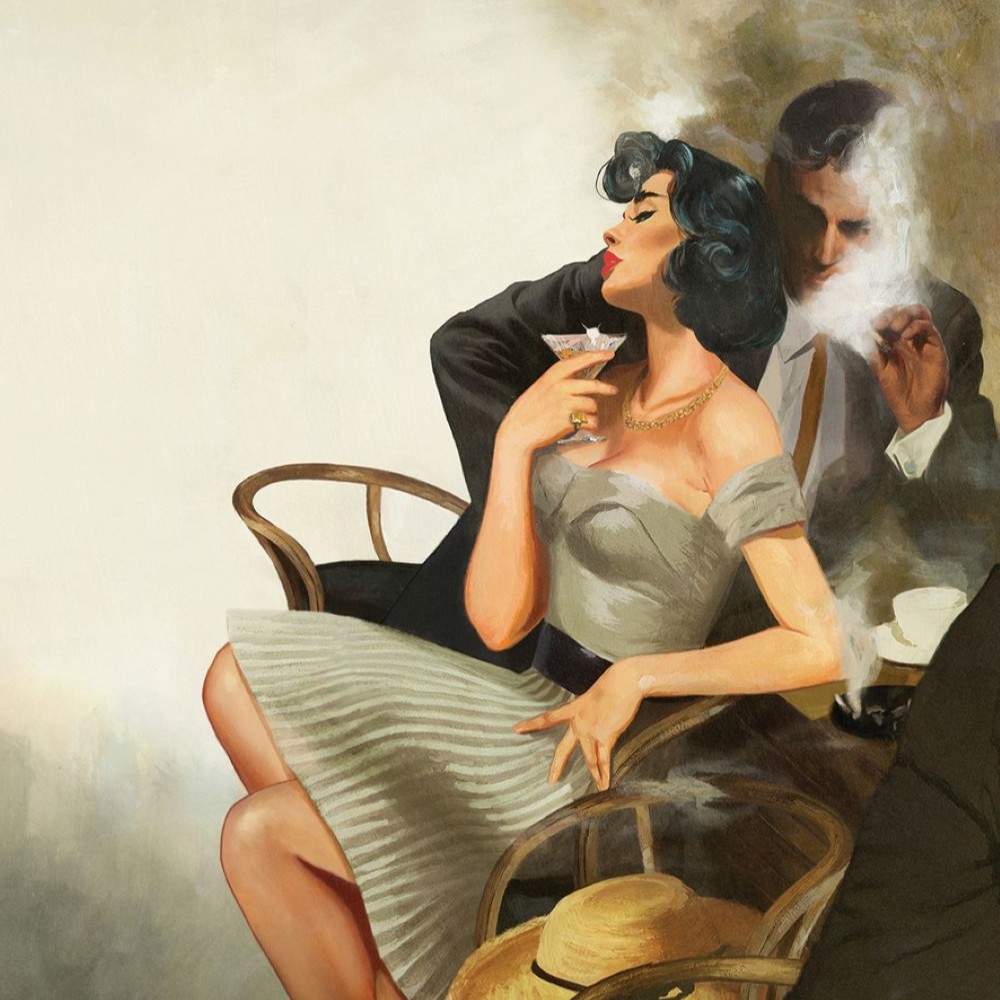
Join us as we take a look at the role drinks play in Ian Fleming’s James Bond novels.
It begins in the very first 007 adventure, Casino Royale, with the immortal line, ‘shaken and not stirred’ and The Vesper martini, christened in honour of Bond’s great love, Vesper Lynd. From then on, strong, carefully crafted drinks are at the heart of every 007 story.
Ian Fleming was very particular about the finer details of his hero’s lifestyle. As well as Bond’s drinking habits, his clothes, weaponry, cars and food are all described with precision, a narrative trait which is perfectly highlighted by his instruction on how to make the perfect martini.
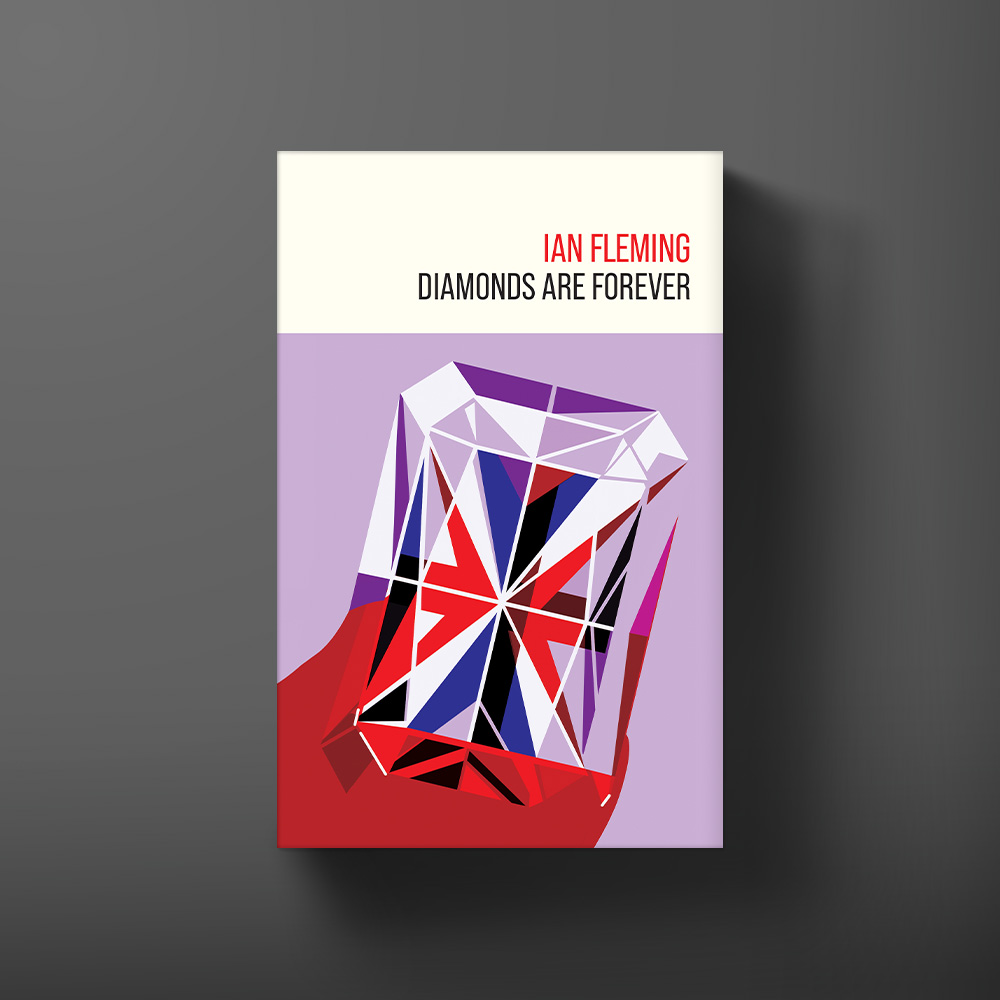
Diamonds Are Forever
‘The waiter brought the martinis, shaken and not stirred, as Bond had stipulated, and some slivers of lemon peel in a wine glass. Bond twisted two of them and let them sink to the bottom of his drink. He picked up his glass and looked at the girl over the rim. “We haven’t drunk to the success of a mission” he said.’
The particular attention that is paid to how eggs should be scrambled, how a car should be customised and how best to serve vodka, are all testament to the writer’s own preferences. Though many have debated how much of Ian Fleming there was in James Bond, there has always been agreement amongst fans that Fleming shared his own tastes and enthusiasms with his character. Along with the advocation of particular brands, these strokes of realism provide a layer of truth and help to bring the fantasy of James Bond’s world to within the readers’ reach. ‘All these small details’, Fleming wrote, ‘are ‘points de repère’ to comfort and reassure the reader on his journey into fantastic adventure.’
Goldfinger
‘James Bond, with two double bourbons inside him, sat in the final departure lounge of Miami Airport and thought about life and death.’
In a feature titled ‘London’s Best Dining’ for Holiday magazine, Fleming provides a tip for American tourists on how to sample a decent martini, showing how much it mattered to him beyond the pages of his novels.
‘It is extremely difficult to get a good martini anywhere in England. In London restaurants and hotels the way to get one is to ask for a double dry martini made with Vodka. The way to get one in any pub is to walk calmly and confidently up to the counter and, speaking very distinctly, ask the man or girl behind it to put plenty of ice in the shaker (they nearly all have a shaker), pour in six gins and one dry vermouth (enunciate ‘dry’ carefully) and shake until I tell them to stop. You then point to a suitably large glass and ask them to pour the mixture in. Your behaviour will create a certain amount of astonishment, not unmixed with fear, but you will have achieved a very large and fairly good Martini.’
Paying attention to exact details are crucial skills for any spy who wants to complete a mission successfully and safely. The life of a secret agent is one of daring action and life-threatening peril. James Bond’s preference for the finer things in life suggests that when the moments of danger have passed, pleasures should be indulged. Enjoying the very finest dover sole and a glass of chilled champagne provides 007 with a reward and pushes his experiences to the height of sophistication and quality, in those brief respites from danger.
Live and Let Die
‘There are moments of great luxury in the life of a secret agent… occasions when he takes refuge in good living to efface the memory of danger and the shadow of death.’
As well as enjoying the pleasures of drinking, alcohol serves to ease the conscience of a cold blooded killer such as 007, and provides moments of relief in a life of violence and upheaval. Drinks play a soothing role in the James Bond novels and offer a well-earned splash of luxury after a long day spent navigating the dirty business of spying.
Discover 50 cocktails inspired by the characters and plots of the 007 novels in Shaken: Drinking with James Bond and Ian Fleming, created by the team at award-winning Bar Swift in London’s Soho.
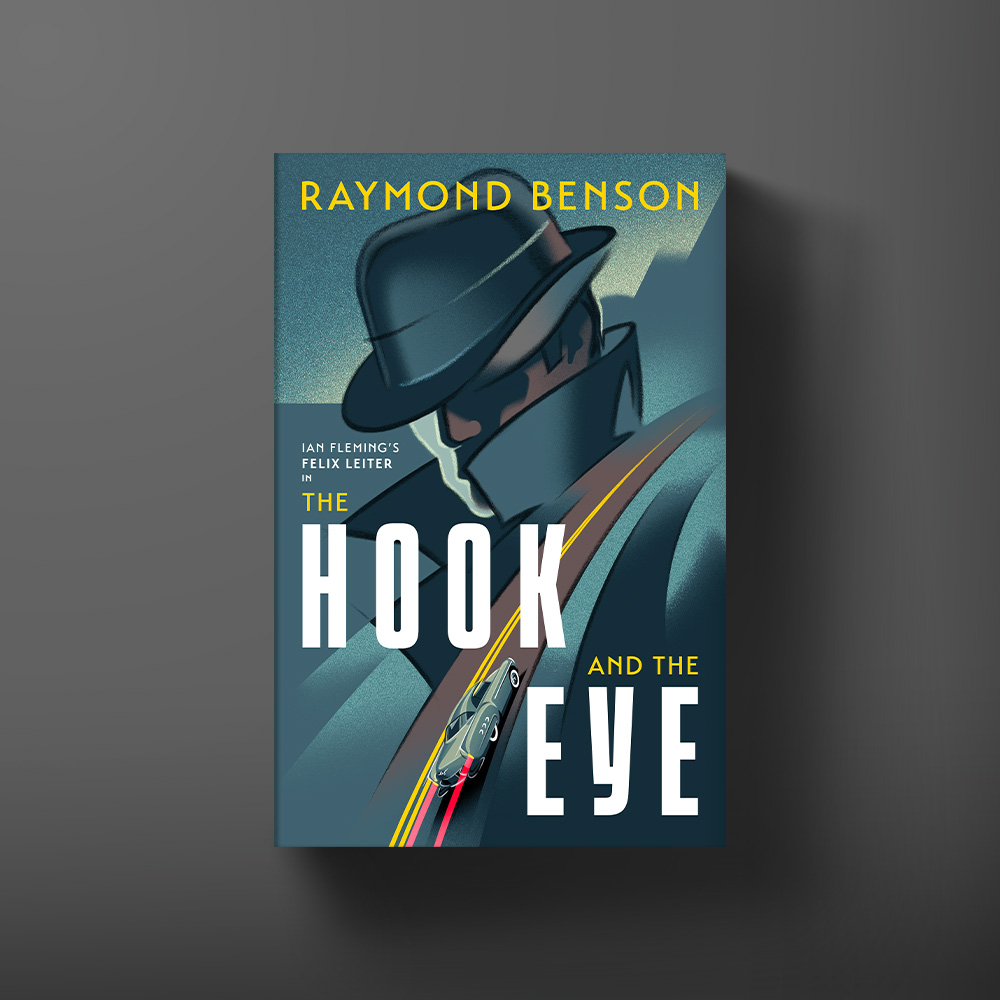
We sat down with Bond novelist Raymond Benson to talk all things Felix, Fleming, and The Hook and the Eye. Read on to learn more about the latest adventures of James Bond’s trusted friend and ally.
After a long break from writing for Ian Fleming Publications, how does it feel to be back with a brand new story?
It feels great! For one thing, the people at Ian Fleming Publications are fabulous to work with. Both now and back when I was doing the Bonds in the late 1990s and early 2000s when there was a completely different team in place. In the past I was fortunate to work with Peter Janson-Smith, the man who was Ian Fleming’s literary agent. He not only acted as editor and mentor in a professional capacity to me, but he was also my friend. I miss him a great deal. That said, I love working with you lovely folks at IFPL now. It’s been a uniquely rewarding experience doing The Hook and the Eye with everyone. I’m glad to be back.
How did you find reconnecting with Felix, was it challenging at first or did it feel like returning to an old friend?
I love Felix. I always have, ever since I first read Fleming’s books as a kid in the 1960s. Somehow I identified with him, maybe because he was a Texan (I was born and raised in Texas, too). And while several fine actors portrayed Felix in the films, we’ve never seen Fleming’s literary character on the silver screen. For one thing, in four of the six books Fleming wrote in which Felix appears, he has a prosthesis for a right hand. But there’s also a joviality to his personality that’s only in the books. He’s very much a “kidder” and he always stays upbeat. Having the opportunity to get to know Felix better and place him in his own adventure was indeed like returning to an old friend—and that includes revisiting the Bond universe itself.
What was the very first thing you did regarding your research for this project?
The first thing I did was re-read all the Felix passages in the Fleming books. I’ve read the novels numerous times throughout my life and I know them well. I just wanted to reacquaint myself with Felix’s speech, the way Fleming presents him, and also note the details of Felix’s life and history that Fleming gave us. There isn’t a lot about Felix prior to his meeting Bond in Casino Royale. But there are tidbits and clues… enough for me to take and then develop into something bigger. I then wanted to know exactly how his prosthesis would affect his life. Fleming doesn’t give us much info about the “hook.” When I first read the books, I pictured in my head a pirate hook. That, of course, is not what it would have been. In the time period I set the story—the early 1950s—Felix’s prosthesis would have been supplied by the Veterans Administration and similar to what actor Harold Russell had in the movie The Best Years of Our Lives. I sought out a prosthetics doctor who provided a lot of the information I needed to give readers a better understanding of how Felix deals with his disability and still manages to be something of a detective hero!
Felix Leiter is usually seen as a loyal ally to James Bond, but in this novel, he’s on his own. How did you approach writing from Felix’s perspective, especially in the context of a detective story as opposed to a Bond adventure?
I was certainly inspired by the pulp noir novels of the 1940s and 1950s, and certainly by Fleming’s 1950s-era novels. There’s a certain vibe that you get when you read those things. I’m not saying The Hook and the Eye is a pulp noir crime novel, but there are elements. I also wouldn’t call Fleming pulp noir nor “hard-boiled.” He was his own unique thing. I suppose I’ve fashioned the book more in his direction. I wanted it be as if Fleming had somehow developed an American voice and written the book himself in 1953. One thing that helped me immensely was the decision to write the novel in first person, from Felix’s perspective. This also helps generate that noir sensibility, but it also allows the reader to get to know Felix very, very well! We’ve never had a Bond novel written in first person, save for The Spy Who Loved Me, and that narrator isn’t Bond! So that’s a big difference in the way I’ve approached a Felix Leiter detective story as opposed to a James Bond adventure.
This project has been in the works for a long time. How different is the end result from your original concept?
Not very different at all! I’m not sure this is relevant, but way back in the late 1980s the very first novel I ever wrote was about a private detective who had a prosthesis. He wasn’t Felix Leiter. He was a different guy, but similar enough that down in my subconscious I was maybe thinking he was my version of a Felix Leiter. The title of the book was, coincidentally, Hook and Eye, Inc., as that was the name of the character’s detective agency. The story, locations, and time period were completely different from The Hook and the Eye. Peter Janson-Smith read the book and gave me some good feedback, but he agreed with me that it was the proverbial “first novel” and belonged in a drawer, never to see the light of day again! But it was a learning experience, and perhaps Peter saw then that, for future reference, I could begin a novel and, more importantly, finish it. Anyway, the current “true” conception of a Felix Leiter novel began after I had done my Bonds, which finished up in 2002. I wanted to see a Felix book in Fleming’s timeline that addressed his life and work in the early 1950s. The notion had come up occasionally in conversation with you at IFPL since that time, but doing a project like that just wasn’t in your plans then. Now it is! Last May 2024 I pitched the concept to Simon Ward, and that evolved into a full blown written proposal and outline, after which I received the green light. The concept and story hasn’t changed since. I suggested the title, The Hook and the Eye. I never meant for that to echo the title of my long lost unpublished first novel, but it better fits this one.
Aside from having a Texan background, are there any similarities between yourself and Felix, either in terms of personality, values, or life experiences? How much of yourself do you see in him, and did that influence your writing of his character?
Whenever any author uses a first person narrative, I believe a touch of the author’s own voice goes into that of the narrator. I don’t think it can be helped. I think I know exactly how Felix would sound in real life because I knew and know men like him. I don’t think Felix has an exaggerated Texas drawl. He spent time in Europe and Washington DC. His accent would be tempered, much like mine. My Texas drawl was drilled out by being in theatre for so many years! I left Texas in my early twenties and moved to New York City. I have lived in other places in the north since then and now the Chicago area. Maybe Felix talks like I do, perhaps slower. As for other character traits… I’m sure my values match Felix’s, but we are of different generations. Felix would have been in my father’s generation, having served in World War II. That, in and of itself, makes our world outlooks markedly different. Felix did military service and worked in government afterwards—all that is foreign to me. But I know enough about those things and I have known men who have had those life experiences. It’s more about Felix’s personality. That is closer to me. I like to think I’m as upbeat as Felix. When I’m with my pals I joke around like Felix. I enthusiastically praise whatever food and drink we’re having in Felix fashion. I’m not the heavy drinker or smoker that Felix is, that’s for sure, but, like him, I’m a jazz fan! Incidentally, there’s a member of my family who was born without a right hand. So, there’s that familiarity, too. Also relevant to my own life are the locations. I’ve lived in or been to all of the locations in the story. A certain national park plays a big part in the tale, one that I’ve visited numerous times because it was in close proximity to where I grew up. The route of Felix’s road trip is one I traveled a few times. The settings in The Hook and the Eye are some of my favorite places in America.
Your attention to historical detail, particularly with the placement of the story between Live and Let Die and Diamonds Are Forever, adds a level of authenticity to the narrative. What were the challenges in fitting The Hook and the Eye into this established timeline, and how did you integrate the social and cultural landscape of 1952 into the plot?
John Griswold’s 2006 book, Ian Fleming’s James Bond: Annotations and Chronologies for Ian Fleming’s James Bond Stories speculated when in the real world that Fleming’s books took place. John used clues from the books and other factors and came up with believable conceits. He determined that Live and Let Die actually took place in January and February 1952. Diamonds Are Forever was in late summer 1953. Thus, my story for Felix could take place throughout most of 1952. This was fortunate for me because some real world events occurred that year that I felt could play into the tale. Once I committed to that setting, it became a matter of researching the period, especially the American landscape at the time in terms of roads, restaurants, and hotels that Felix would be using. I had to approximate what did and didn’t exist in 1952 in certain cities that are in the story. I was born in the 1950s. It really wasn’t too far removed from my own memories. The small town in Texas where I grew up was always at least five years behind the times of major urban areas like, say, New York… or even Dallas. There are a lot of places in the States, especially in rural areas, where remnants of the past still exist. Even today you can visit small towns in America and find a Main Street that was built in the 1930s or 1940s with vintage movie theaters, retail businesses, diners and coffee shops, and offices. Sort of a ”lost Americana” that’s hiding in plain sight. That’s what I was interested in conveying. When I could, I used real places that might have been prominent in 1952 but are now either a shadow of what they were or, usually, completely gone. I also had to be mindful of what things cost then. Then there were the social mores that existed then. All the smoking. The drinking. Repressed sex. The burgeoning jazz scene. The Cold War political environment. All of this plays into The Hook and the Eye.
Without giving too much away, how did you go about developing Felix’s love interest/sidekick, Dora? What can readers expect from her?
Well, to talk too much about her would indeed give a lot away! I suppose I was thinking about the old films noir that had femmes fatale. (A femme fatale in those old films was usually a bad woman who led an otherwise good man to his doom.) I wanted someone that evoked that kind of character… but mind you, that doesn’t necessarily mean that Dora is a femme fatale. I wanted to give her an air of mystery that is compelling for Felix. Is she bad? Is she good? I’m hoping that she will keep the readers guessing, just as she keeps Felix guessing.
There is so much to love about Felix as a protagonist. What do you hope readers enjoy most?
I’m hoping that readers will connect to Felix’s personality and get to know him as a fully drawn character. The positive feedback I’ve received so far from beta readers, editors, and the IFPL board seems to concentrate on Felix himself and the voice I’ve given him. The mystery-melodrama story/plot is also something a bit different for the Bond literary universe, but I believe it’s something Fleming might have come up with had he decided to write a Felix Leiter novel himself back in the 1950s. At least I’d like to think so.
Find out more about Raymond’s writing process in our Hooked on Leiter video series.
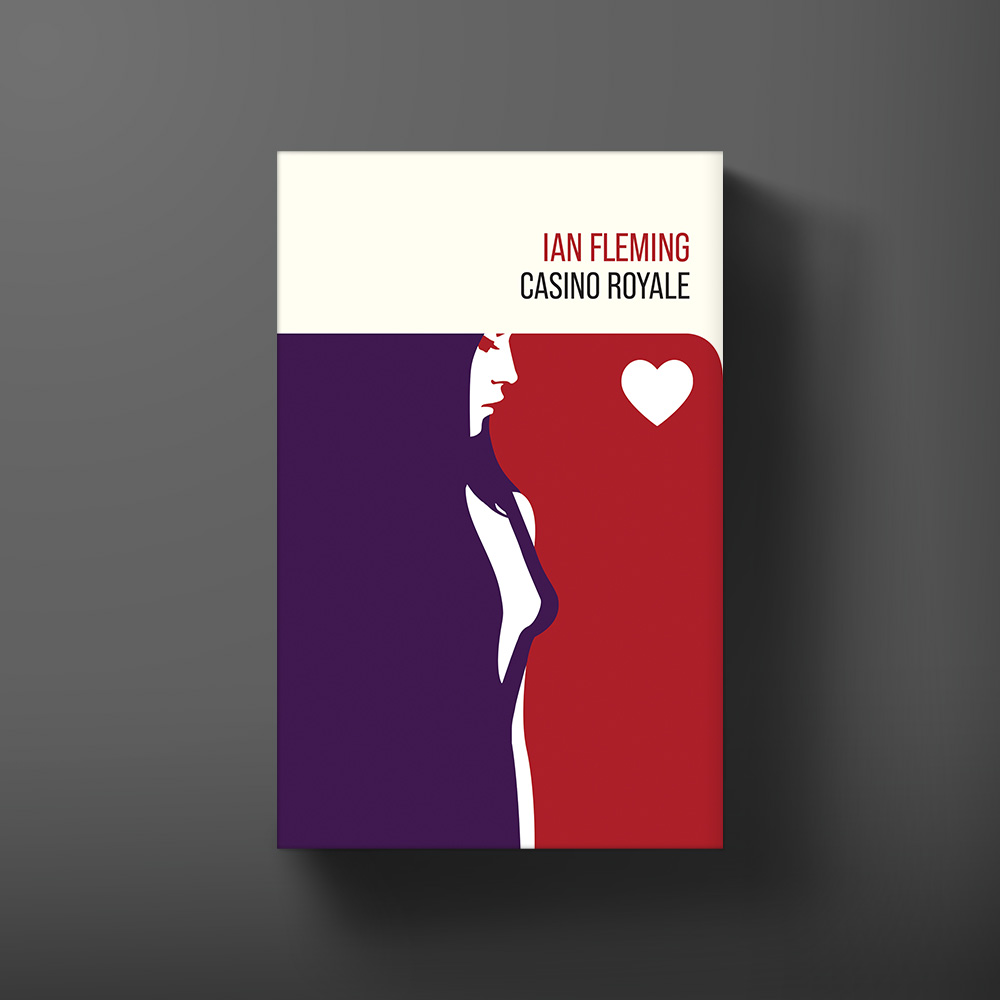
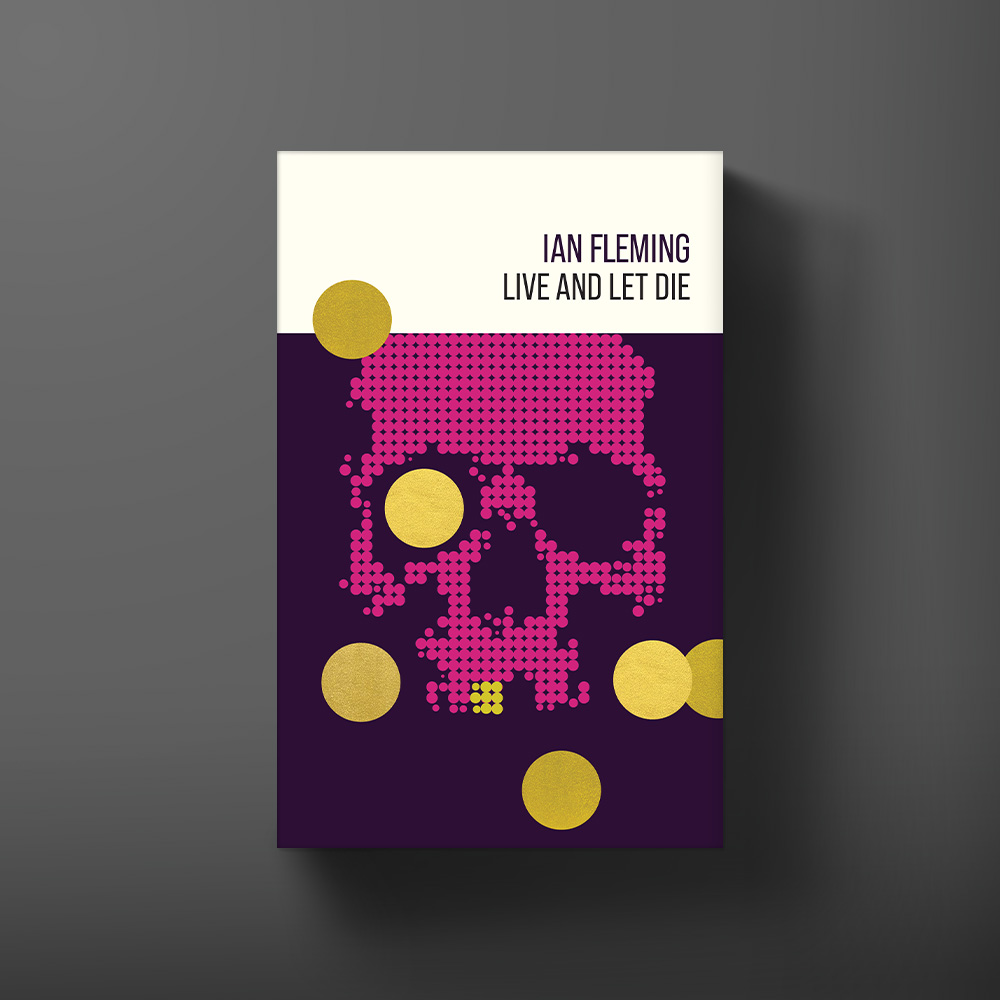
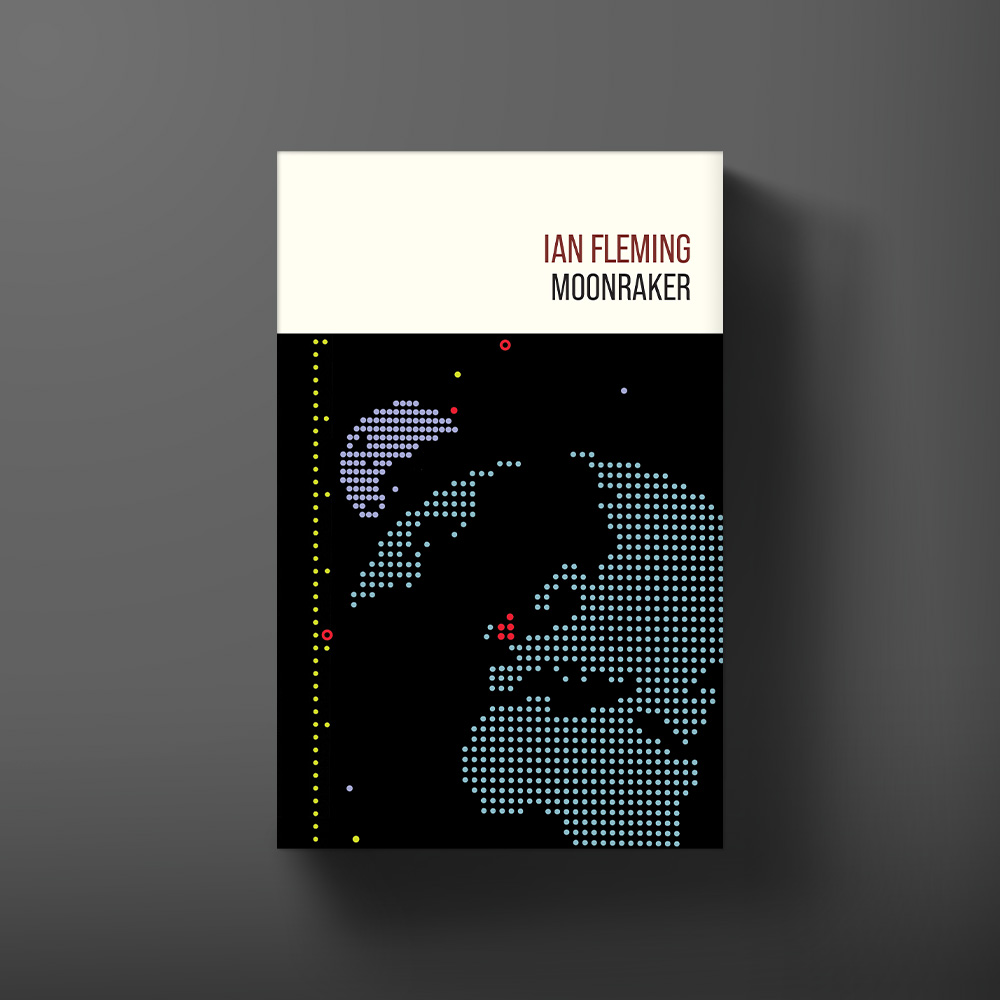
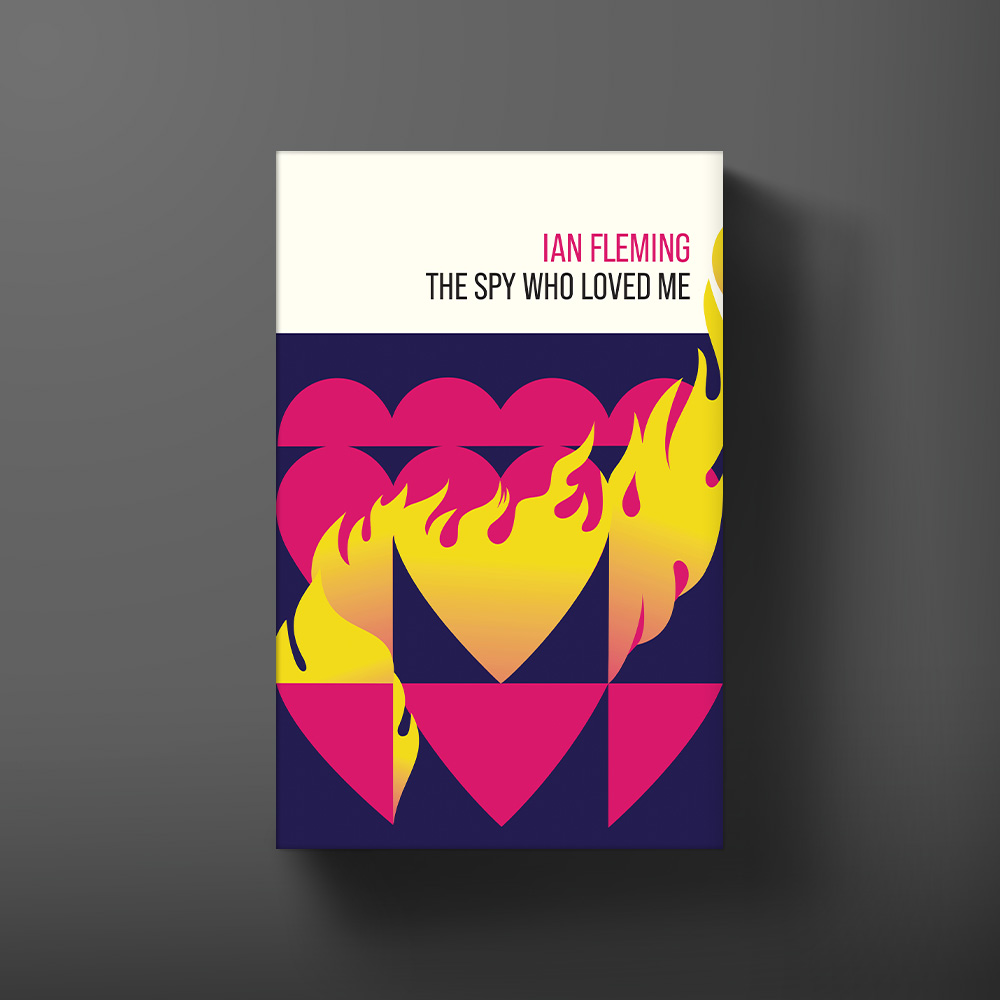
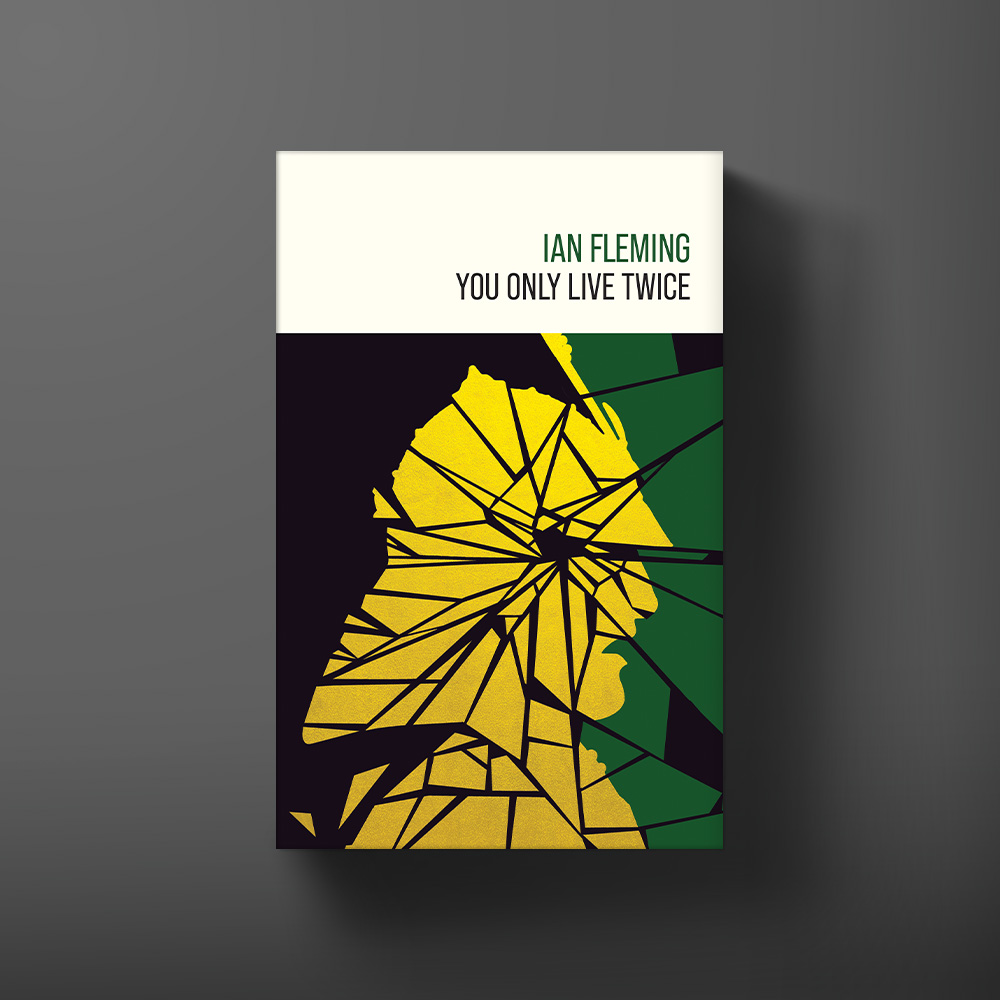
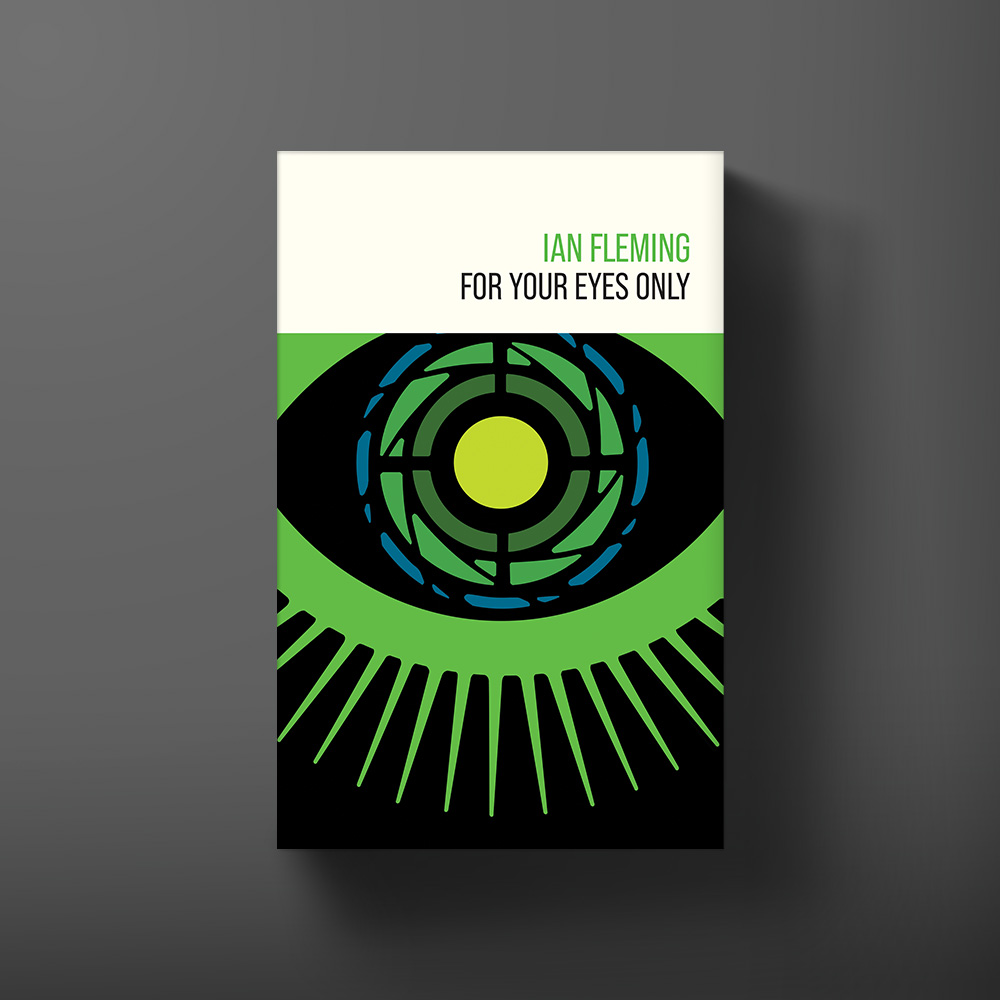
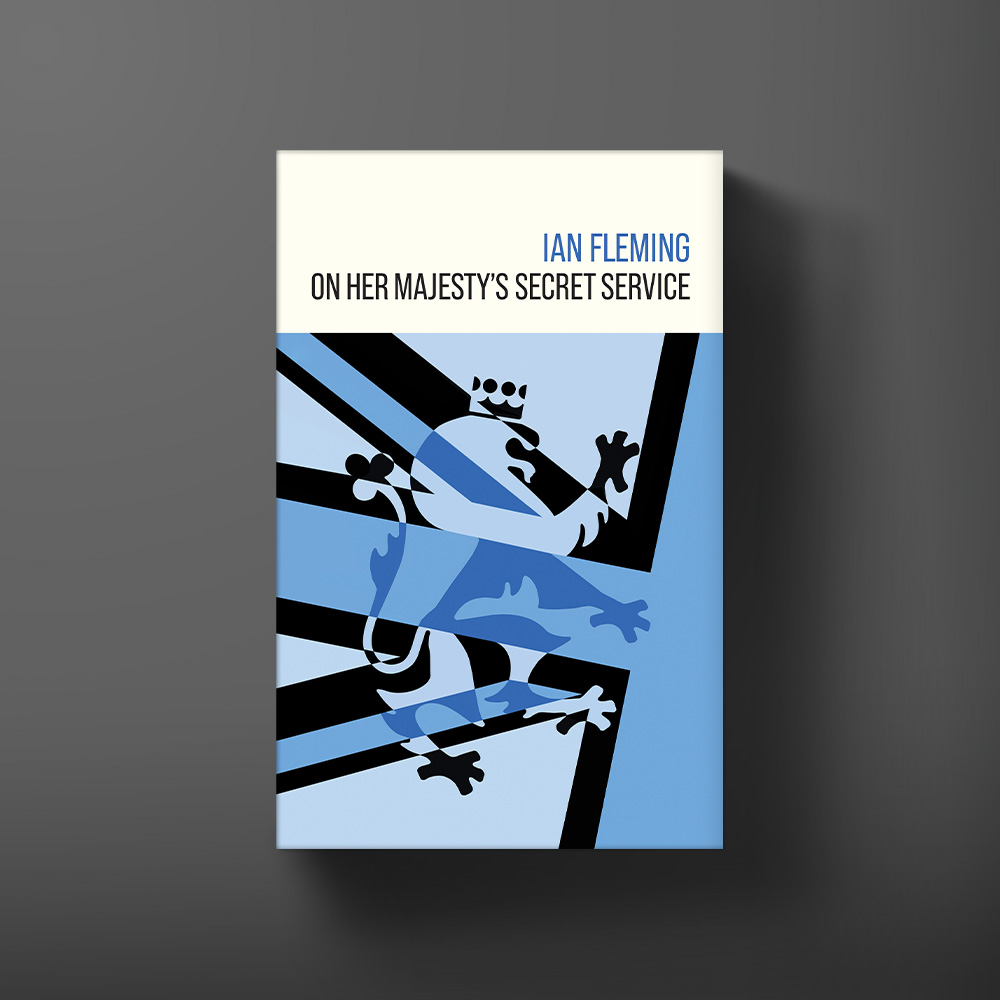
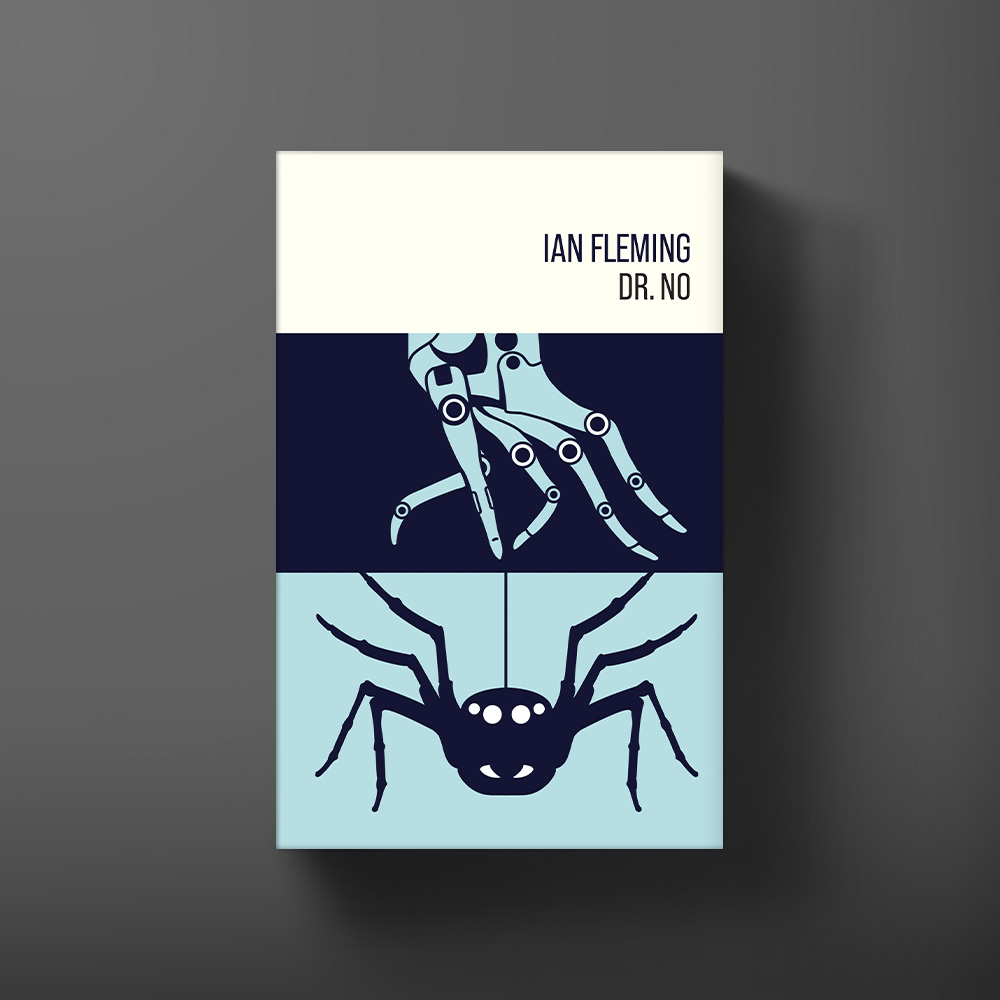
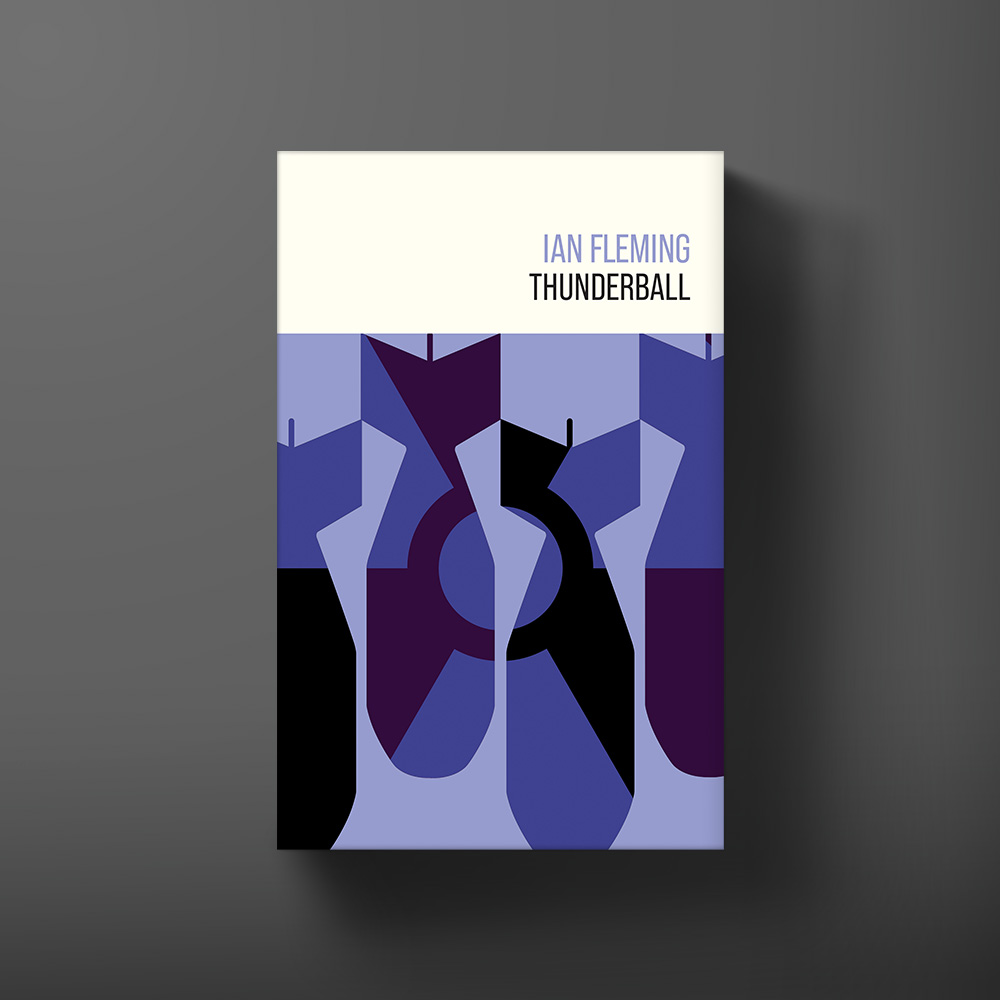
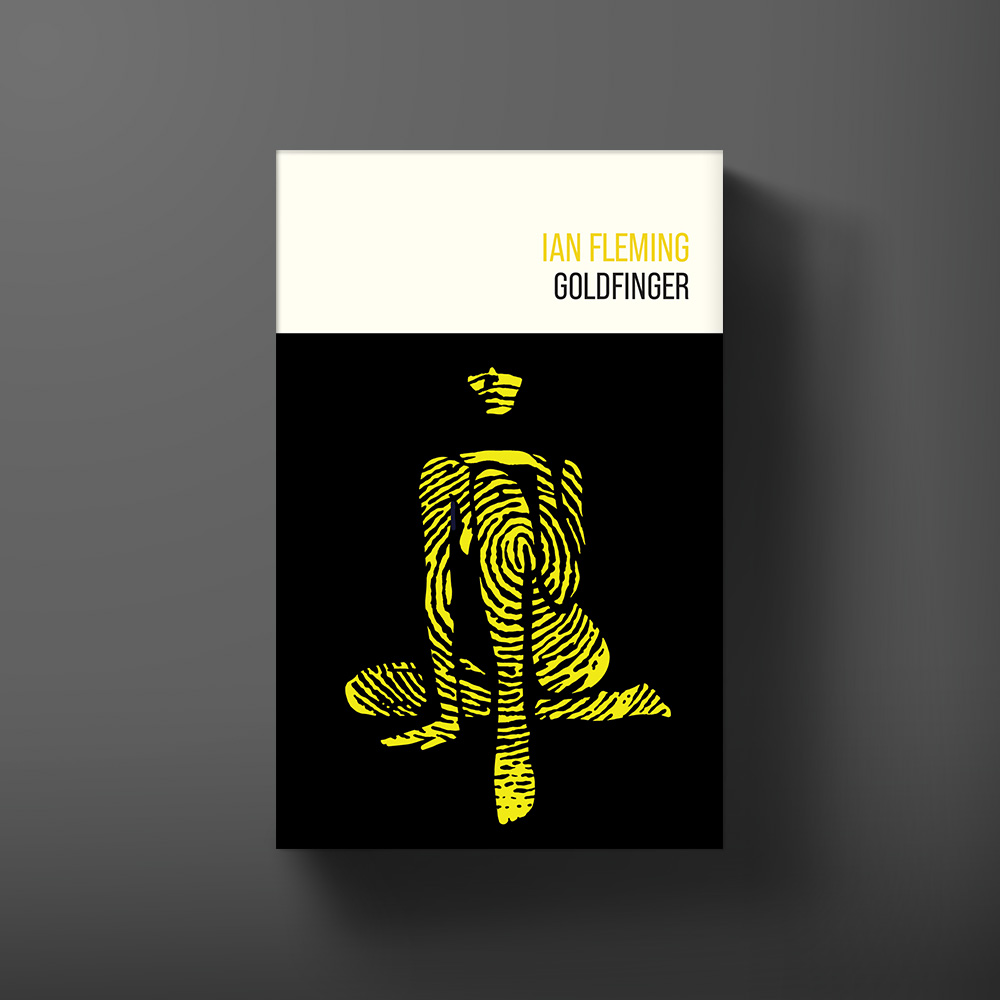
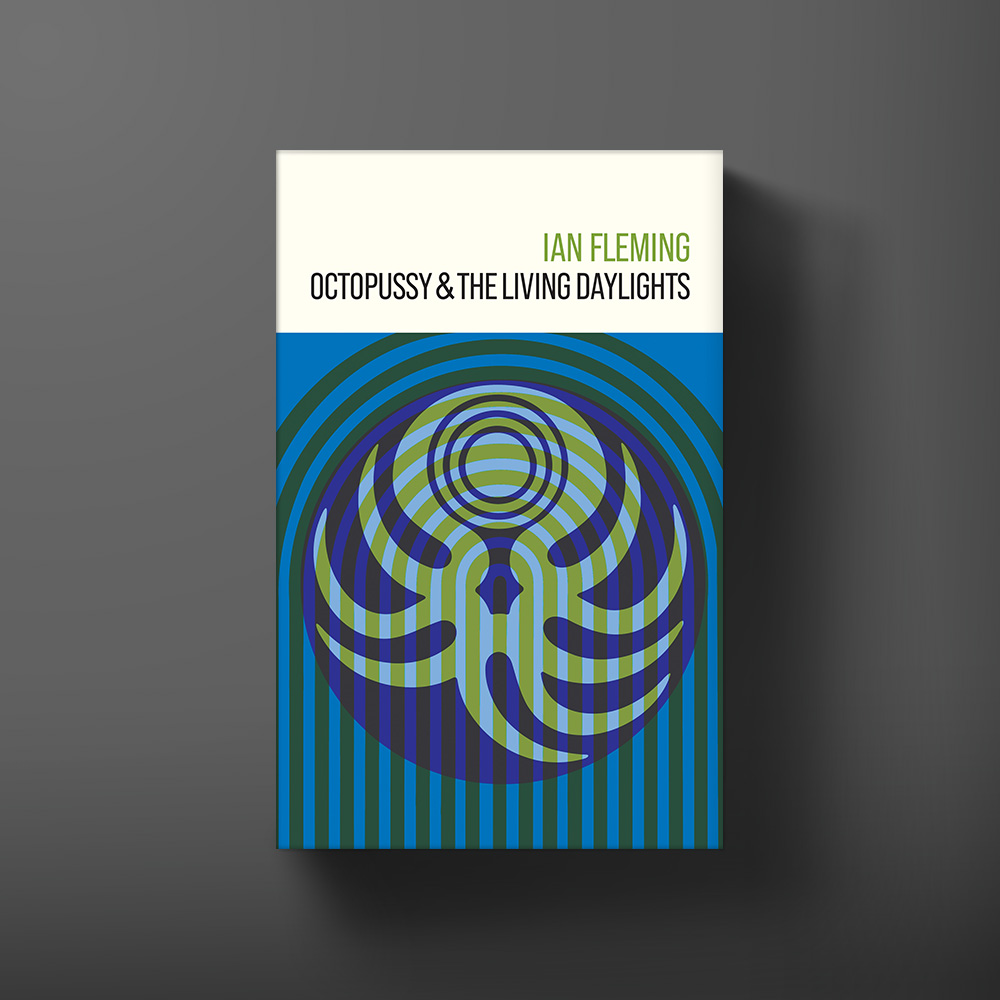
We sit down with Michael Gillette, the man behind the colourful James Bond hardback editions, which are now also available in limited edition art prints at ianflemingshop.com.
How did it feel to collaborate to build on Fleming’s 007 legacy with us at the start of our self-publishing journey?
2018 was when I first had the idea to pitch these designs. I felt like it was inevitable that you would self-publish the books. I’m not sure you’d even decided to at that point [we hadn’t!] so I don’t know why I was so convinced. I had the idea for something really geometric, simple, bright and bold which hadn’t been done, that I could recall. I’m really glad you’re self-publishing. In the shifting sands, it’s the right thing to do. And I know it’s a massive venture. I started out doing sleeves for indie bands, and it feels a bit like that. Being part of a smaller unit, you’re much more part of the endeavor, and you want it to succeed. I want the books to succeed and I want you folks at Ian Fleming Publications to succeed.
I view my career as a rodeo illustrator. Certainly when I did the centenary editions, I was right in the middle of doing a million other jobs. And obviously, I never had any dealings with The Ian Fleming Estate then, just a shadowy missive every now and again that would come through Penguin. You don’t really build a relationship, you do the job and then it’s off and gone. It’s been really interesting to get to know you all, to see how it works, and to watch your progress too. I don’t want to conflate my experience with everyone’s experience, but it seems as things get more and more virtual, the relationships that sustain are the real world relationships. That’s the way I feel. It seems like The Estate has always been a bit like that anyway – more about direct relationships and for sure, it’s hard to get into, but it is loyal once you are in there.
There was no doubt that these books had to be designed by someone who understood the Bond book world. Do you think these new circumstances had an effect on the designs and the design process?
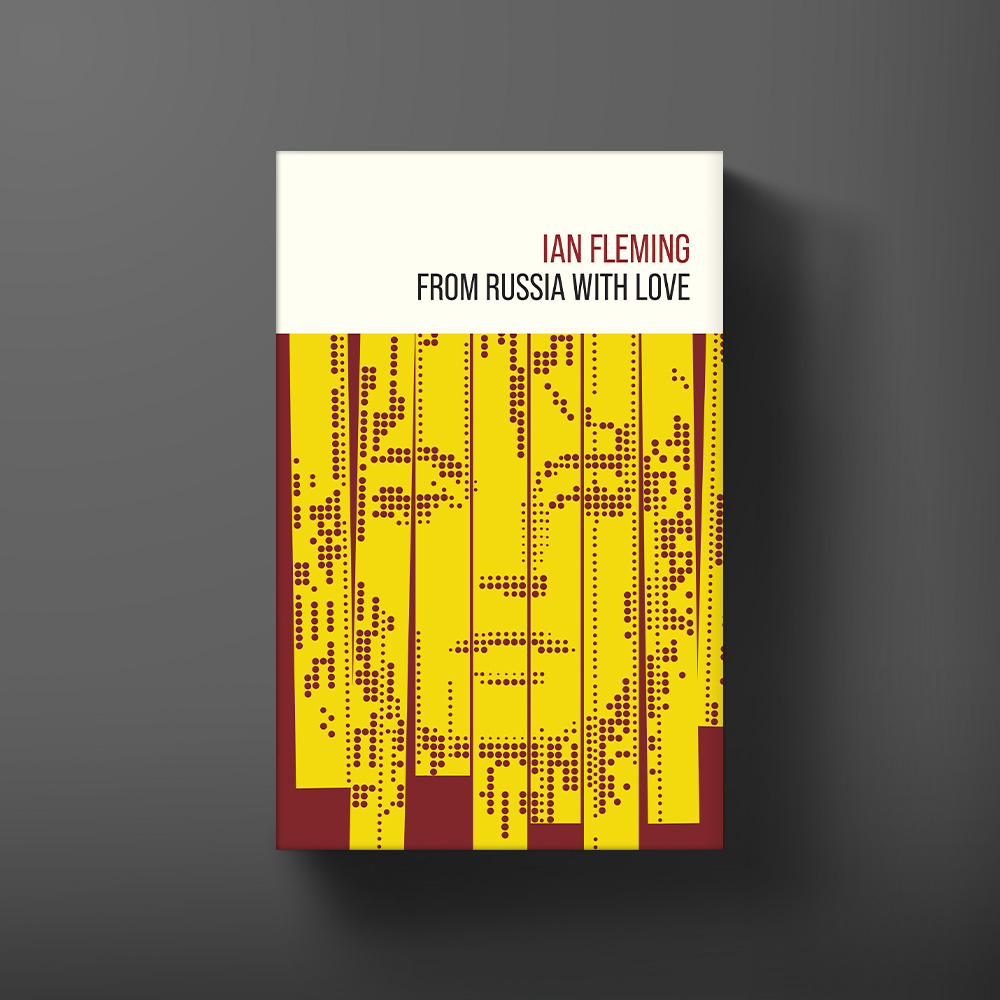
Yes definitely. At Penguin, there was a whole marketing department, a designer and an art director, John Hamilton, a legend. It did go very smoothly, but you’re being presented with something and told what to do. Even though it’s what everyone sees first, the artist is generally hired last. They know what they want, and then they pick an illustrator to do it. This project was completely the opposite, it was self-initiated. I could do anything I wanted, certainly to begin with. Take From Russia with Love. You’d already approved a different idea, but I thought this was better.
Does that extra flexibility facilitate your creative process? Do you wait for the flash of inspiration or do you go looking for it?
Well, initially the ideas came in a flood. I did this very geometric burst to begin with and then I just put them away until 2021. I was teaching a class on concept illustration which includes things like negative space and symbolism. I’d say to the students ‘your mind will give you as many solutions as you ask of it,’ which sounds ridiculous, but it’s actually true. Most people only ask for one idea, or ask for a couple of ideas, and then get very stuck. At the end of that class, I had a lull because Covid was still strong in California, so I took another two weeks. I had these ideas that were based on what I’d been teaching and showing the students, these graphic concepts. The designers I introduced them to were people like Saul Bass, and those ideas were absorbed into them too. So I did another two week burst of that, and then put them away again. I thought I could just be doing it forever.
I guess it’s just trying to keep things fresh. I teach my students that your subconscious is where all the ideas are, and your conscious is, you know, the little peak on the mountain, above the sea, and all the ideas that are going on underneath it, you just have to keep asking for them. If I got really stuck with an idea, I’d go back and read the book just to try and find a new direction on it. The other difference of this job is just how long it went on. I’ve never had anything go on this long. It’s been six years and I couldn’t show anybody at any point, apart from maybe my wife, who is a good sounding board.
With From Russia with Love, for example, there were at least four versions which are all very similar. Do you think a design improves the more times you do it, or can you overdo it?
Oh, you can kill something by over-polishing it. That one is a bit different, because it was a technical difficulty. I had an idea which I couldn’t find an easy way of executing. I could get it approximated quite quickly but making the image read without the face getting wider or distorted took a lot of shifting of dots by hand. It might have been a day and a half’s worth of shifting small dots to make it right. I’d spent so long getting it to try and work, and realizing that it was working, that I probably did ‘white knuckle’ it a bit and say, ‘no, this is the idea.’
Why were you insistent that we went with this cover in particular?
Because it’s an idea that I think is absolutely right for the book. It suits the story of the book. The two lures of the story are the cipher machine and the love interest. For those things to be married together in a single image with just two colors, it just works. Saul Bass is about symbolizing and summarizing. And that’s exactly what this cover does. I suppose there’s a point at which you’ve spent so much time on something that you will not let it go. Your mind has become shrunk to that idea. It’s like you’ve become a stalker for your own idea. I think that’s the only one that I really felt like that about. It was a good call. Well, it was a call.
The design process for these books was more like creating an object than just a cover. What did you learn from this?
With the 2008 books, I didn’t see them until they were physical products. Apart from the cover, I had no idea what the rest of it was. When I left college, I started designing for bands. That was my USP. I really loved it. I stopped because my illustration career took over, but I’ve always been into the idea of the total look of something. To be able to have that total look really excites me. I think that at this point in time to make a physical book, especially a beautiful hardback, there’s got to be a level of thought behind it that’s worth people buying it. You just think, ‘how does this look in the hand?’ That’s why I tried to make things look as close to the size they would be, like the bullets.
I’m not saying it’s a dying art, I think it’s just that designers are dying off because they can’t afford to do it as a job. You go into Waterstones and everything looks very much the same, the same typeface and the same treatment. With the self-publishing, you’ve done something more considered.
The endpapers really add to this. How did you go about making them?
I’ve got this sketchbook with lots of ideas, where I would just draw endlessly, like a bank of ideas. I always tell my students to use their sketchbooks. Draw, draw, draw. Sketch it out. You never know what you’re going to get. The muse comes when you’ve got a pencil in your hand. I couldn’t understand how I was still coming up with ideas, but they were working. Sometimes, the more ideas you’re having, the more ideas they have. I don’t know how it works, but that’s how it works.
Many of them are like optical illusions. This must have been fiddly and time-consuming?
They’re techniques I taught at college: concept art and digital design. So I know how to manipulate things that way and make them repeat. Sometimes they work and sometimes they don’t. Like for Thunderball with the silencer that almost looks like a crucifix – that’s a motif that worked really well. I was amazed at how I was still doing all the endpapers right down to the wire. It takes a long time. I want to give some value for money there. I know the expectancy of being a fan of something and the disappointment when it’s shabbily treated. I want to speak to that in the Bond world.
For the centenary editions, you decided not to use any guns. Why was that and what was different for these editions?
We just don’t want to glamorise guns, really. They’re still not gun heavy but they just work so well. I feel they draw on the action of the books a lot more than the previous covers. If there was a big wheel of things, this series draws on them: gadgets, some girls, some guns, some death, some bombs… The whole world of it has become so iconic that it’s so much fun to play around with that stuff. I’m not reinventing the wheel, just putting some good rims on it, trying to combine things in a new way to make you see them slightly differently. It’s so much fun just to play around with that stuff, it’s why everybody loves James Bond.
The wheel is a great analogy. The designs draw on so many elements, but then they feel cohesive at the same time. Was this hard to achieve?
That is the difficult thing to pull off. When I was at college, I could make really good images of things, but I could never make a second one the same. I couldn’t make a cohesive series of things, which is a bit like where AI is currently at. It can’t make a cohesive set of ideas. It’s taken me a long time to be able to pull that manoeuvre off. I do sometimes wonder how long it will be before AI makes that leap.
I try to ask myself, ‘what is a human response to this?’ Is this natural or is this synthetic? Leonardo da Vinci said that 98% of people create nothing but excrement. A lot of work that I’ve done wasn’t very good, but I was sharpening the axe to do something which was good.
What are you doing in your work to combat these fears? What would you teach to your students?
Look at Ian Fleming, he didn’t wait for the muse. He went on holiday and then bombed them out. But they’ve endured somehow. Something went on those pages that’s well beyond what you could ask a machine for. And I think it’s his complicated human nature that’s connected with people. Whether they know the books or not, there’s something about the complicated nature that he has put into James Bond that has endured. Bringing it back to the books, I view this as a vote for the continuation of holding something in your hand and connecting with it. I hope that the physical world is going to continue, and things like books had better be good in order to survive. We’ve all got to try a bit harder at it, I think, to be more considered. That’s why it’s so exciting that you’re doing it yourself. You know your product and your mind enough to know when something is right or not, and you know it’s not about what’s new, but what’s true. I think that’s what people want to respond to.
Check out more of Michael’s work here and find the full range of books and art prints at our shop.
Looking for the your latest read? Meet Stuart Neville, author of Blood Like Mine, shortlisted for the Ian Fleming Steel Dagger literary prize at the annual Crime Writers’ Awards which celebrates the best in new thriller writing.
Tell us about Blood Like Mine and what inspired you to tell this story?
Blood Like Mine is about a mother and daughter on the run from a terrible secret. When an FBI agent finally tracks them down, he finds that Rebecca Carter will do anything to protect her daughter Moonflower, even if she’s a monster. I’ve always enjoyed the gray area between thriller and horror, and with this book, I wanted to take one of the oldest horror tropes and use the thriller format to treat it in a realistic way.
What do you hope readers will take away from your book?
First and foremost, I want readers to keep turning the pages into the small hours, and maybe have a few scares along the way. But ultimately, I hope they’ll see the core theme is the unyielding devotion of being a parent, even in the most desperate circumstances.
How did it feel to be on the shortlist for the CWA Ian Fleming Steel Dagger?
It’s a tremendous honour: it feels like a validation of all the weeks and months that goes into writing a novel.
What is your writing process?
I didn’t used to outline my books, but as the years have gone on, I find it more necessary to map out where I’m going with a story. I’ll start with a broad structure then extrapolate from there. The actual writing tends to come in bursts; there’ll be a few weeks where I’m writing thousands of words, then a few weeks when it slows to a trickle. If I could change anything, it would be to be more consistent.
What is your favourite thriller and why?
I think The Silence of the Lambs is the perfect example of a novel and film that straddles the border between horror and thriller. As a thriller it’s perfectly engineered, and although it doesn’t veer into the supernatural, its portrayal of Lecter comes close. Red Dragon, the book that first introduced Lecter, is also in the very top tier of thrillers.
And finally, what advice would you give to aspiring thriller writers?
I’m not a great believer in writing advice because every writer is different, and what works for me won’t necessarily work for someone else. The one bit of advice I always give, however, is not to flog a project to death, and to move onto the next thing. I see too many aspiring writers who complete one manuscript then spend years trying to refine and sell it rather than writing the second book, and third.
Find out more about the Crime Writer’s Awards here and learn more about Stuart Neville here.
Looking for the your latest read? Meet M.W. Craven, author of Nobody’s Hero, shortlisted for the Ian Fleming Steel Dagger literary prize at the annual Crime Writers’ Awards, which celebrates the best in new thriller writing. Craven is also writing our new James Bond and the Secret Agent Academy series for younger readers, due out in 2026.
Can you tell us about Nobody’s Hero and what inspired you to tell this story?
Nobody’s Hero is the second book in my US-set Ben Koenig series. The first, Fearless, was written ten years earlier, although it wasn’t published until 2023. When I finished writing Fearless, I spent time thinking about what a sequel might look like should it ever see the light of day. I knew I’d want to go bigger and badder, in both scope and action (and humour); and a plot revolving around a well-resourced, highly motivated group hoping to irrevocably destroy the United States fit the bill perfectly. Impossible odds, bone-crunching action and a spattering of inappropriate humour. I think Ian Fleming would have approved . . .
What do you hope readers will take away from your book?
My job as a thriller author is simple – I am supposed to entertain the reader. If I’ve done that, I’ve achieved my goal. If I haven’t, I’ve failed. I like to throw in interesting, but mostly useless facts, I like to offer some light social commentary, and I like to make readers laugh when they’re not really supposed to. But mostly when they reach the end of one of my books, I want them to have enjoyed it.
How does it feel to be on the shortlist for the CWA Ian Fleming Steel Dagger?
As always, it feels astonishing to have even been considered. And as the longlist this year was one of the strongest I’ve seen for a long time, just making it onto the shortlist feels like a real achievement. Roll on awards night.
What is your writing process?
I write Monday-to-Friday (weekends if I’m on a roll or nearing a deadline) and I pretty much stick to the same routine. I get up, have coffee and think about what I’ll be writing that day. At ten a.m. (ish) I start and I don’t finish until around five or six p.m. I don’t use any writing tools other than my trusty MacBook Air, and my notes, which include research, lines of dialogue, prose, plot points etc, are kept in rough chronological order in a lever arch file. I have an idea of where the story is going, but it often deviates as more interesting directions occur to me. With Nobody’s Hero, the major deviation from the original plan occurred right at the end (a twist that kind of worked perfectly and set up interesting scenarios for future books), pretty much the last page. I then had to retrofit the changes I wanted in the next draft.
What is your favourite thriller and why?
It’s either Dr. No by Ian Fleming or The Day of the Jackal by Frederick Forsythe. Dr. No because it was Fleming going all in with the sadistic nature of his villain. I don’t think there’s a thriller writer, past or present, who writes villains like Fleming – Julius No, Auric Goldfinger, Blofeld, Hugo Drax (who cheats at cards, you know), all iconic, all eternally memorable. And The Day of the Jackal because it’s technically flawless and a stunning example of what can be achieved using real world events.
And finally, what advice would you give to aspiring thriller writers?
Don’t be daunted by what has come before you. Don’t try to copy what has come before you. And most importantly, don’t be limited by what has come before you. It’s fiction – you can write whatever the hell you want. There are no rules when it comes to thrillers and if someone tells you otherwise throw onions at them until they go away.
Check out the book for yourself. Find out more about the Crime Writer’s Awards here.
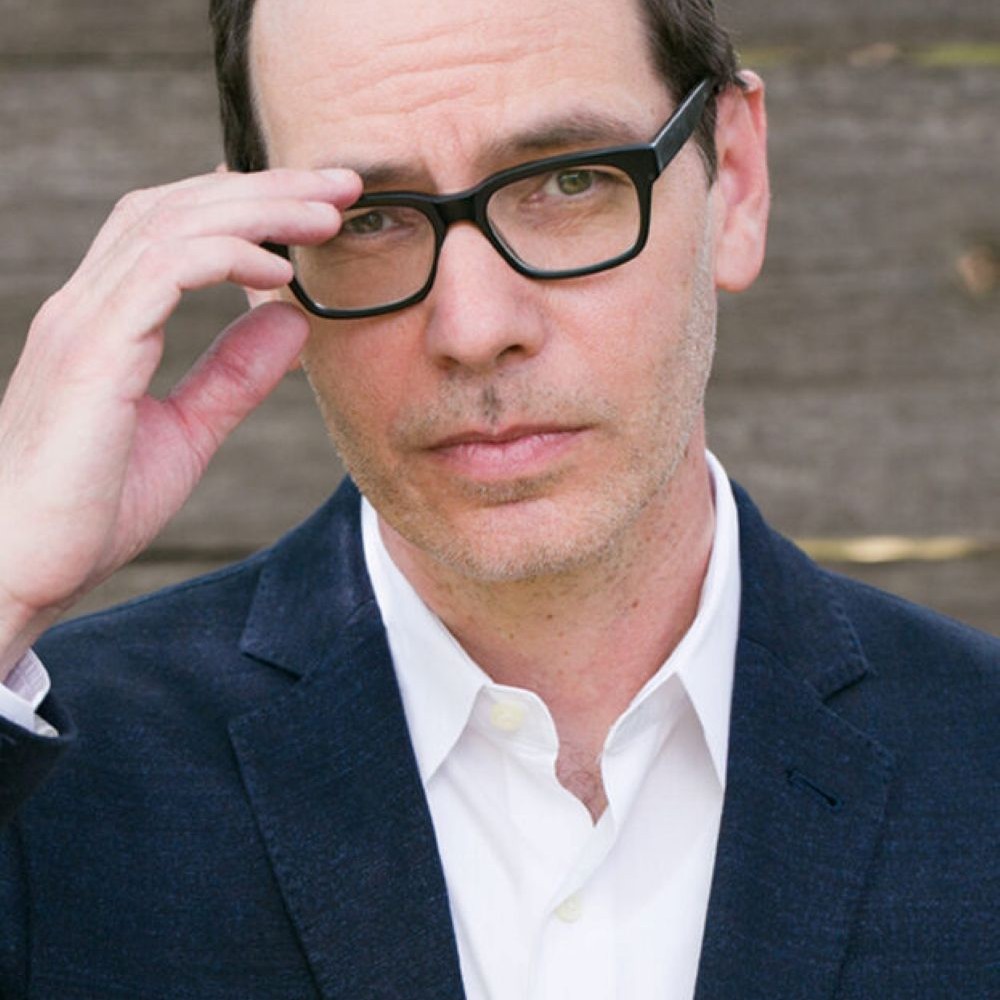
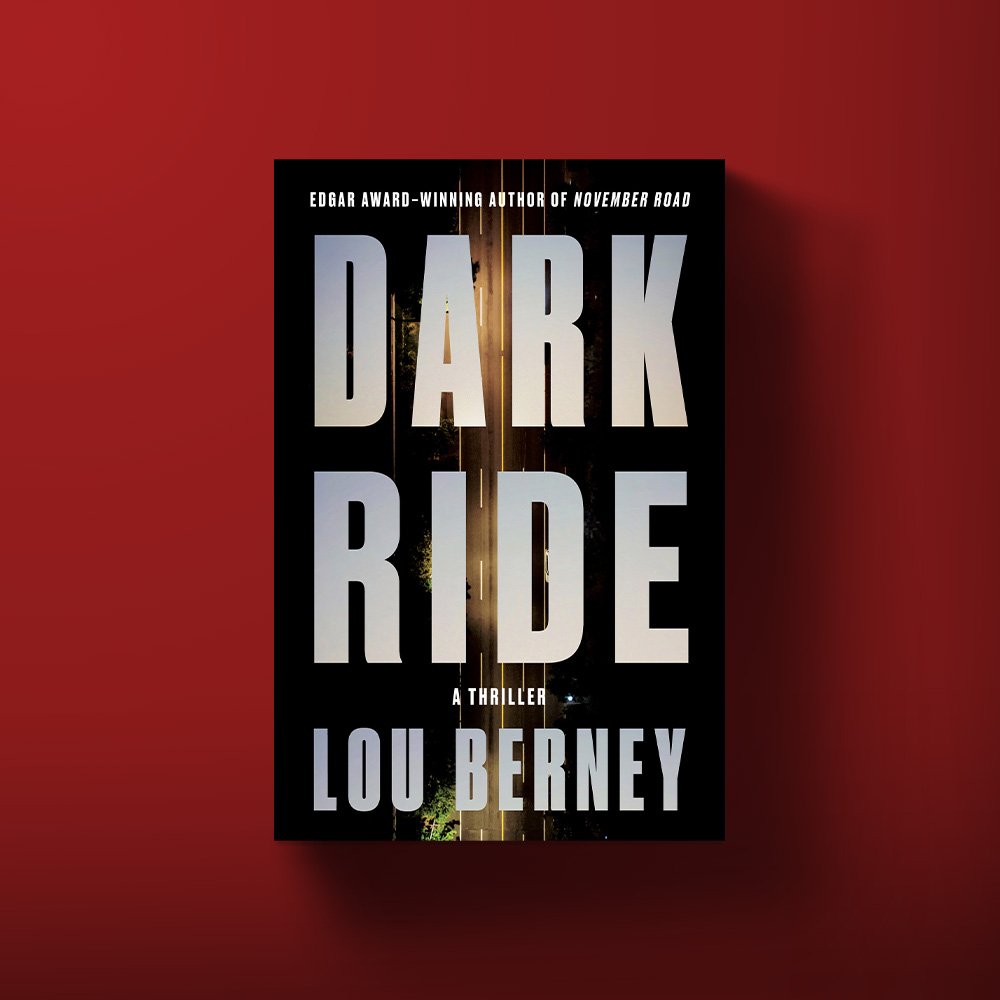
Looking for the your latest read? Meet Lou Berney, author of Dark Ride, shortlisted for the Ian Fleming Steel Dagger literary prize at the annual Crime Writers’ Awards which celebrates the best in new thriller writing.
Tell us about Dark Ride and what inspired you to tell this story?
Dark Ride is about a grievously ill-equipped and out-matched thriller hero. I often feel like a grievously ill-equipped and out-matched thriller writer, so it seemed like a good fit. I’m a fan of the underdog!
What do you hope readers will take away from your book?
The big idea behind Dark Ride, for me, is that acts of heroism can be complicated. In real life, there’s often a price to be paid for doing the right thing – and understanding what the right thing is isn’t always clear.
How did it feel to be on the shortlist for the CWA Ian Fleming Steel Dagger?
It’s a huge honor and very humbling since I’m a big fan of the other authors on the shortlist.
What is your writing process?
I do lots of brainstorming, lots of outlining, lots of preparing to draft. And then, once I start drafting, a lot of that goes out the window and – I hope! – I follow the characters where they lead me.
What is your favourite thriller and why?
Truly impossible to name just one, so here are three (also truly impossible): Case Histories, by Kate Atkinson; In a Lonely Place, by Dorothy B. Hughes; and Devil in a Blue Dress, by Walter Mosley.
And finally what advice would you give to aspiring thriller writers?
Make sure, on every page, there’s a burning question the reader wants answered.
Check out Lou’s book for yourself. Find out more about the Crime Writer’ Awards here.
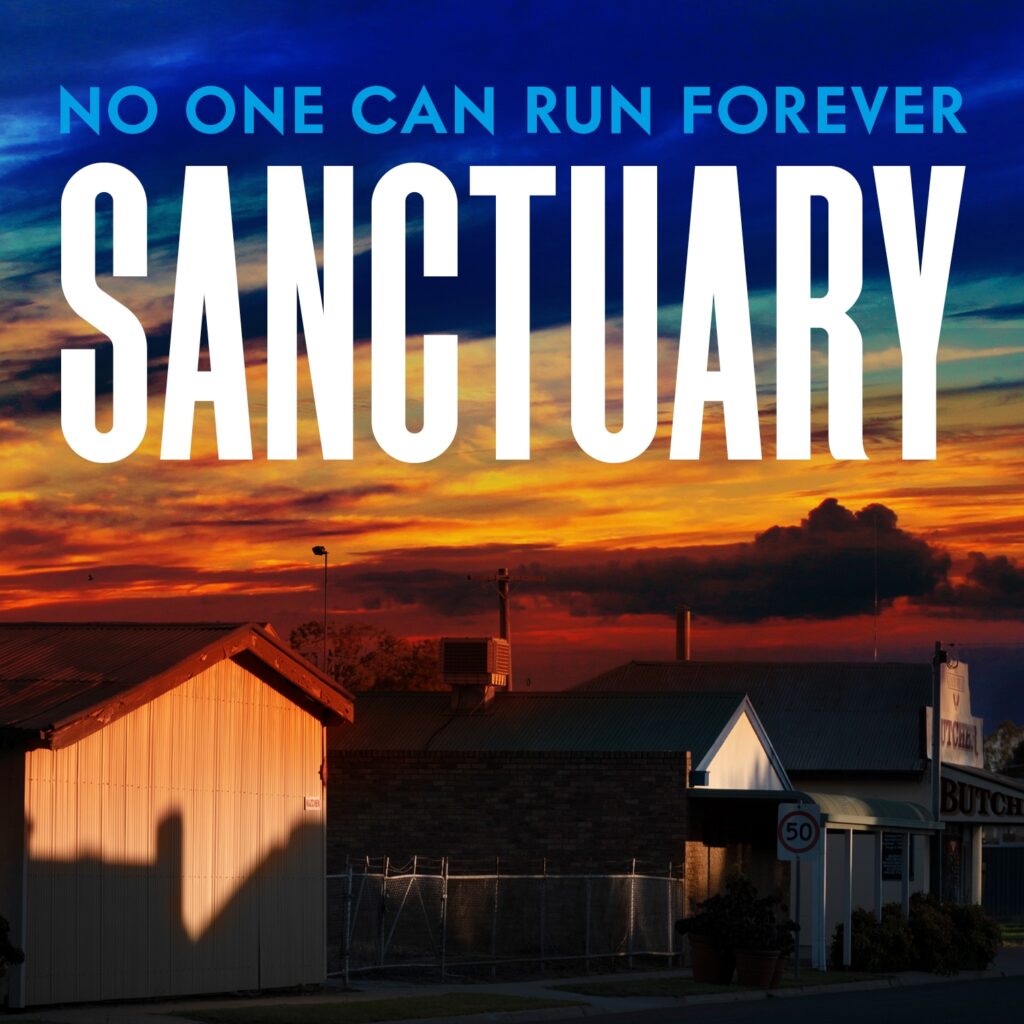
Looking for the your latest read? Meet Garry Disher, author of Sanctuary, shortlisted for the Ian Fleming Steel Dagger literary prize at the annual Crime Writers’ Awards – which celebrates the best in new thriller writing.
Tell us about Sanctuary
I’ve always been interested in crime-from-the-inside novels. I’ve written a series featuring an armed hold-up man named Wyatt, for example. Readers tell me, ‘I don’t approve of Wyatt, but I want him to win’—which is exactly my intention. Grace, the main character in Sanctuary, is a kind of female Wyatt, and first appeared as a minor thief in Blood Moon, one of my Challis and Destry police procedurals. She wouldn’t leave me alone afterwards; she demanded her own story. In Sanctuary she’s trying to go straight, and finds work selling antiques, but a hard man from her past is looking for her, and a violent ex-husband is looking for her boss, and Grace finds herself drawing on old skills to survive.
What do you hope readers will take away from your book?
In all of my crime fiction I try to place the events in the context of prevailing social tensions rather than pretend they occur in a bubble, and so we see, in Sanctuary, the effects of toxic masculinity, greedy influencers, conmen and domestic violence. I don’t believe in preaching, of course: the story comes first.
How did it feel to be on the shortlist for the CWA Ian Fleming Steel Dagger?
I’ve won several Australian and German best-crime-novel awards over the years, but somehow this shortlisting is more fulfilling—mainly because it’s the Steel Dagger but also because, until recently, I’d not had a sense of a readership in Australia, let alone anywhere else, and it’s been gratifying to find new readers, and recognition, in the UK. Also, I was an Earls Court Aussie, back in the 1970s. We were always made welcome—but with a faint tinge of ‘dumb colonials.’ This Steel Dagger shortlisting is my revenge.
What is your writing process?
I write from 8 a.m. until noon, six days a week, and in that time might write several pages or only a paragraph. I write longhand, for I can’t think through a keyboard, with lots of crossings-out, notes-to-self and, arrows and asterisks, often typing (editing and rewriting as I go) the morning’s work into my desktop computer in the afternoons. I’m also a planner, spending weeks on the plan until the whole book is in my head—but I’m not a slave to it, I’m always alert for the voice at the back of my head, the tap on my shoulder.
What is your favourite thriller and why?
The Butcher’s Boy, by Thomas Perry, first published in 1982 and winner of an Edgar Award. I read everything Perry writes, from his standalones to his Jane Whitefield series, featuring a character who helps people escape from those who mean them harm. The main character of The Butcher’s Boy is a hired killer cheated out of his fee for killing a senator. While seeking redress he’s tracked by a young Justice Department analyst. Perry’s books are always soundly researched, the actions are convincing, and the writing, though plain, is tense and efficient.
And finally, what advice would you give to aspiring thriller writers?
Read widely until you have a good sense of the widely differing approaches of seasoned writers to storylines, settings, style and characters. Don’t feel that your own approach has to be utterly original: boy-meets-girl has been told over and over again in romance fiction, for example. But you should write a story that matters to you, that you have faith in, that perhaps only you could tell, rather than a copy of the latest bestseller. Do solid research (but wear it lightly) and ensure that your main character saves the day rather than chance, coincidence or the cavalry riding to the rescue. And write: don’t think or say that you’re going to write.
Check out his book for yourself. Find out more about the Crime Writers’ Awards here.
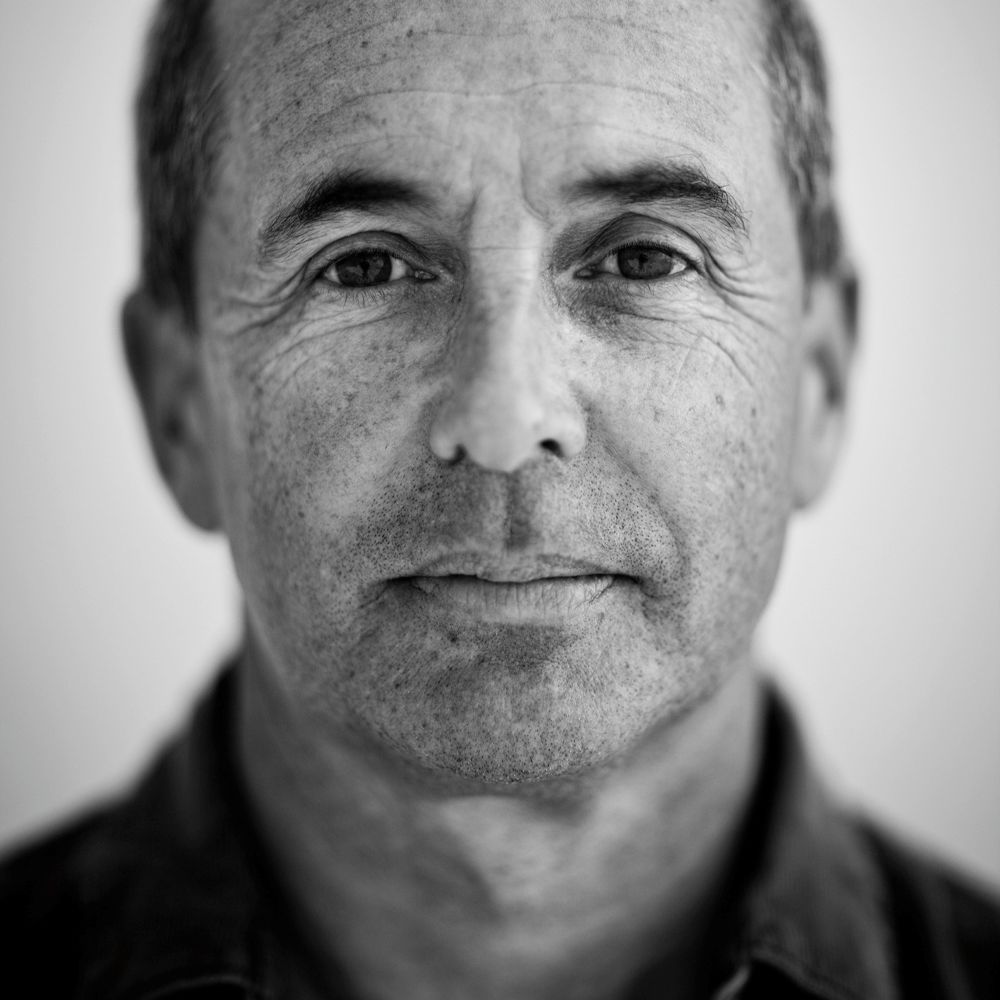
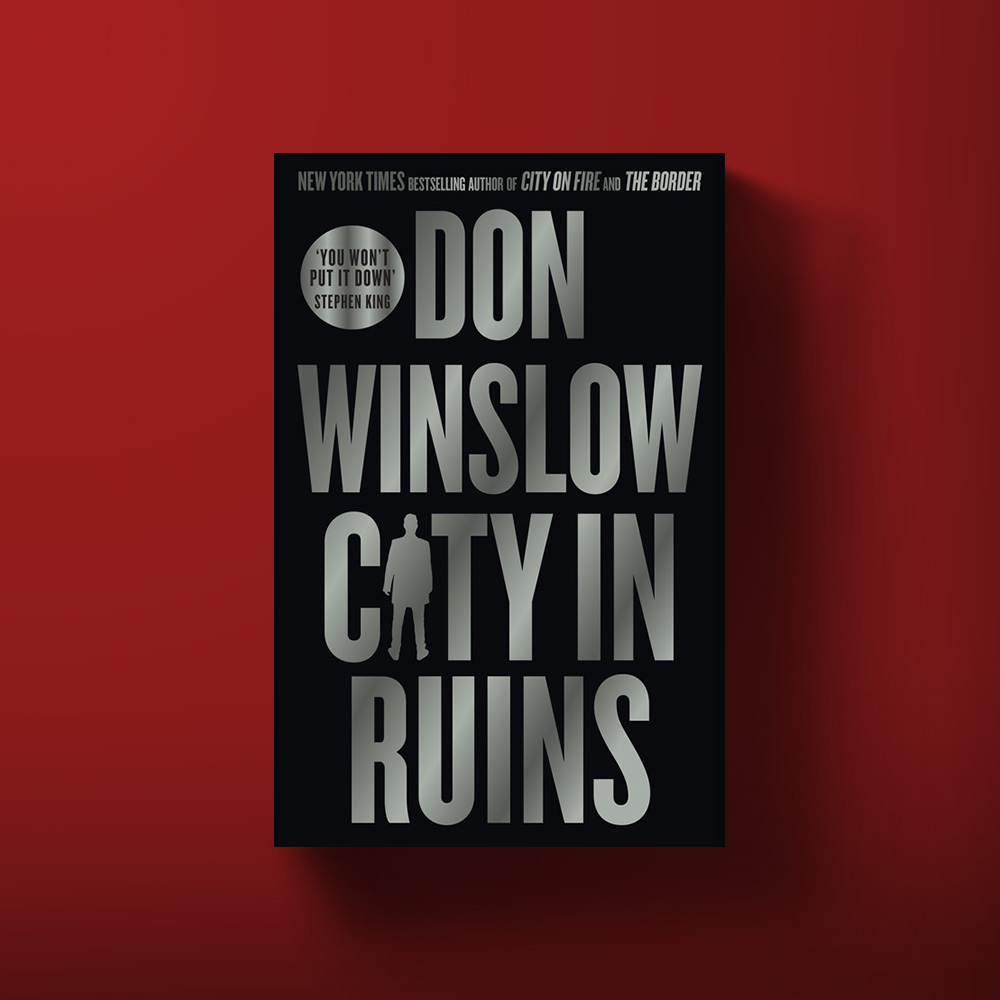
Looking for the your latest read? Meet Don Winslow, author of City In Ruins, shortlisted for the Ian Fleming Steel Dagger literary prize at the annual Crime Writers’ Awards which celebrates the best in new thriller writing. City On Fire, the first of the trilogy, is being made into a film, starring Austin Butler, made by Sony 3000 Pictures and produced by Butler, David Heyman and Shane Salerno.
Tell us about City in Ruins
City in Ruins is the third part of a trilogy that retells elements from the Aeneid, Odyssey, Iliad and some Greek tragic dramas in a contemporary crime setting. It finishes the story of Danny Ryan, whom we first meet as a minor player in a war being fought between the Irish and Italian mobs in New England, and who, in this final instalment, is building a gaming empire in Las Vegas.
What do you hope readers will take away from your book?
I hope a strong sense of character and story. I tried to portray real, vivid human beings (albeit drawn from the aforementioned classics) with real lives, hopes, fears and loves. I should hasten to add that it doesn’t matter if the reader has no knowledge of or interest in these classics, that I hope the novels stand on their own. As always, I want the reader to be drawn in by both the characters and the story.
How did it feel to be on the shortlist for the CWA Ian Fleming Steel Dagger?
Of course, it feels great. Just to be mentioned in the company of past nominees and recipients, and also to be in the company of my good friend Lou Berney, is more than gratifying. Also, having spent a good part of my life in the UK – over twenty summers in London, Oxford and Cambridge – the nomination is all that more meaningful to me.
What is your writing process?
Pretty dull, actually. I start at 5:30 am and finish around the same time in the evening. I treat it like a job, although it is a job that I love and the one that I’ve always wanted. I don’t outline or create charts; I just sit down and type until the good ideas come. Some days they do, some days they don’t. I also rewrite constantly, going back over chapters to see if I used the best words and have written the best possible dialogue. (There are times when I’m doing public readings where I realize that I haven’t, and make revisions on the fly.)
What is your favourite thriller and why?
I’m always reluctant to answer this question because there are so many great thrillers out there. But if I absolutely, positively had to choose one, it would be The Friends of Eddie Coyle by George V. Higgins. (Also a great film, by the way, directed by Peter Yates and starring Robert Mitchum.) Why? Well, Higgins was just a great writer – the narrative prose and dialogue are vivid – and it is the most realistic, gritty mob novel ever.
What advice would you give to aspiring thriller writers?
Write. That sounds glib and I don’t mean it to. But writers write. They don’t talk about it, or sit in a coffee shop and think about it, they sit down and write. I also would tell them to do the do-able, not to set unrealistic goals for themselves and then get frustrated. When I was aspiring to do this thing, I committed to write five pages a day no matter what and managed to stick to that. But if you write even one page a day, in a year or so you have a book. Also, read. Read the good stuff in our genre.
Check out the book for yourself and find out more about the Crime Writers’ Awards here.
Go behind the scenes of Felix Leiter’s adventures in The Hook and the Eye, with our exclusive video series, Hooked on Leiter. Author Raymond Benson takes you through each episode and gives insight into his writing process and inspiration. Be warned… each episode contains spoilers.
The Hook and the Eye paperback edition and ebook are out now at the ianflemingshop.com.
Manage Consent
To provide the best experiences, we use technologies like cookies to store and/or access device information. Consenting to these technologies will allow us to process data such as browsing behaviour or unique IDs on this site. Not consenting or withdrawing consent, may adversely affect certain features and functions.
Functional
Always active
The technical storage or access is strictly necessary for the legitimate purpose of enabling the use of a specific service explicitly requested by the subscriber or user, or for the sole purpose of carrying out the transmission of a communication over an electronic communications network.
Preferences
The technical storage or access is necessary for the legitimate purpose of storing preferences that are not requested by the subscriber or user.
Statistics
The technical storage or access that is used exclusively for statistical purposes.The technical storage or access that is used exclusively for anonymous statistical purposes. Without a subpoena, voluntary compliance on the part of your Internet Service Provider, or additional records from a third party, information stored or retrieved for this purpose alone cannot usually be used to identify you.
Marketing
The technical storage or access is required to create user profiles to send advertising, or to track the user on a website or across several websites for similar marketing purposes.
 Skip to main content