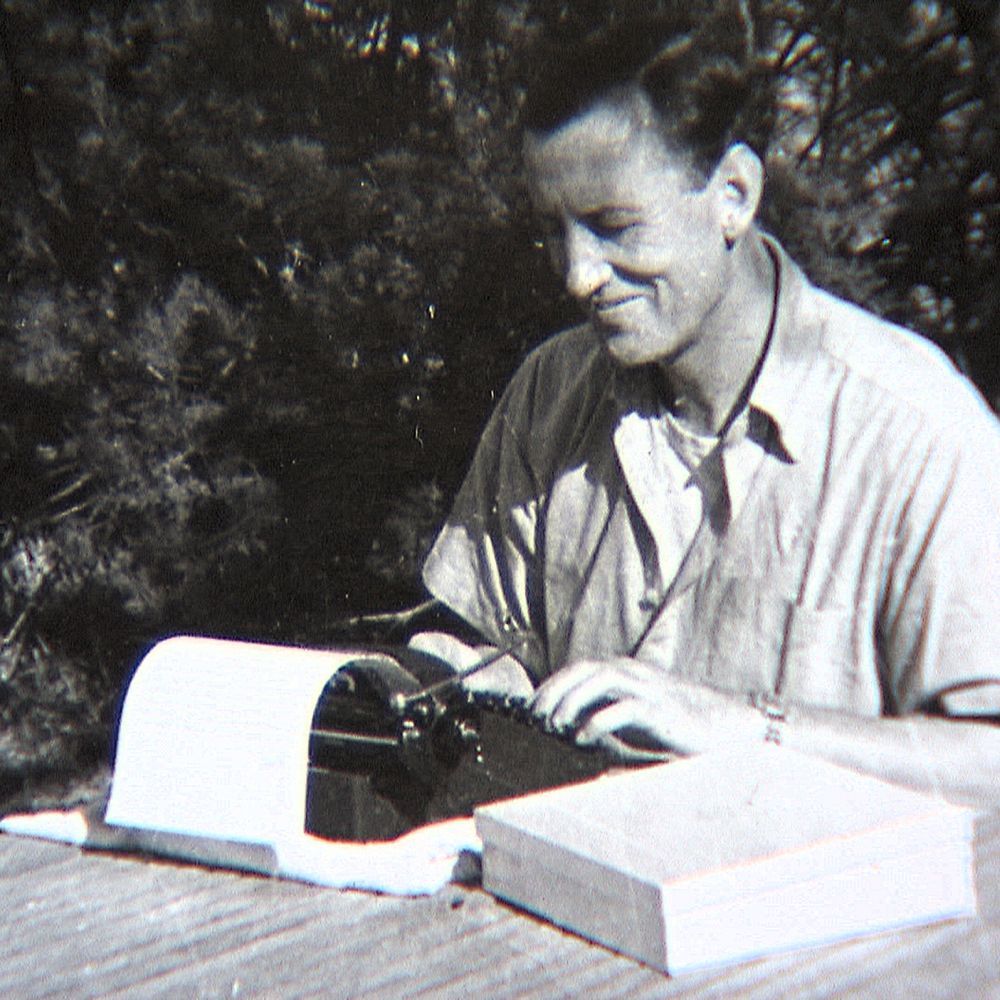
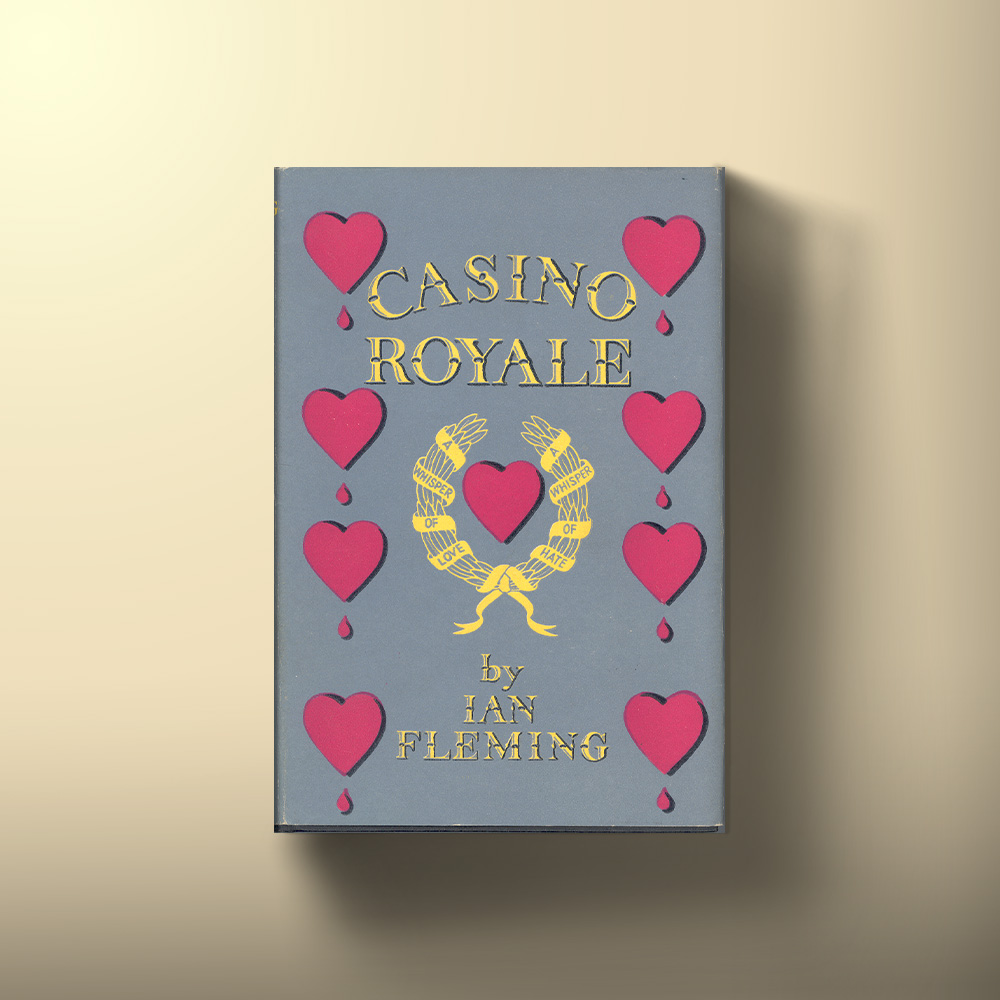
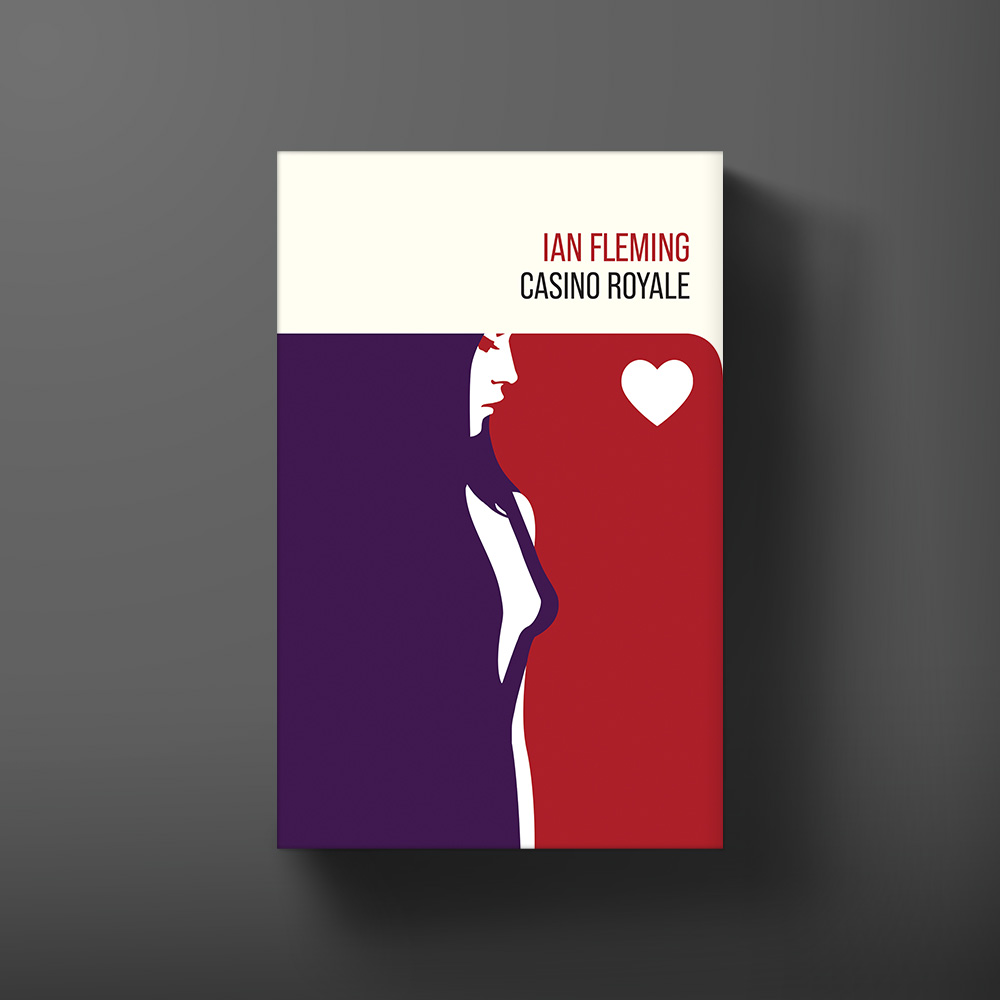
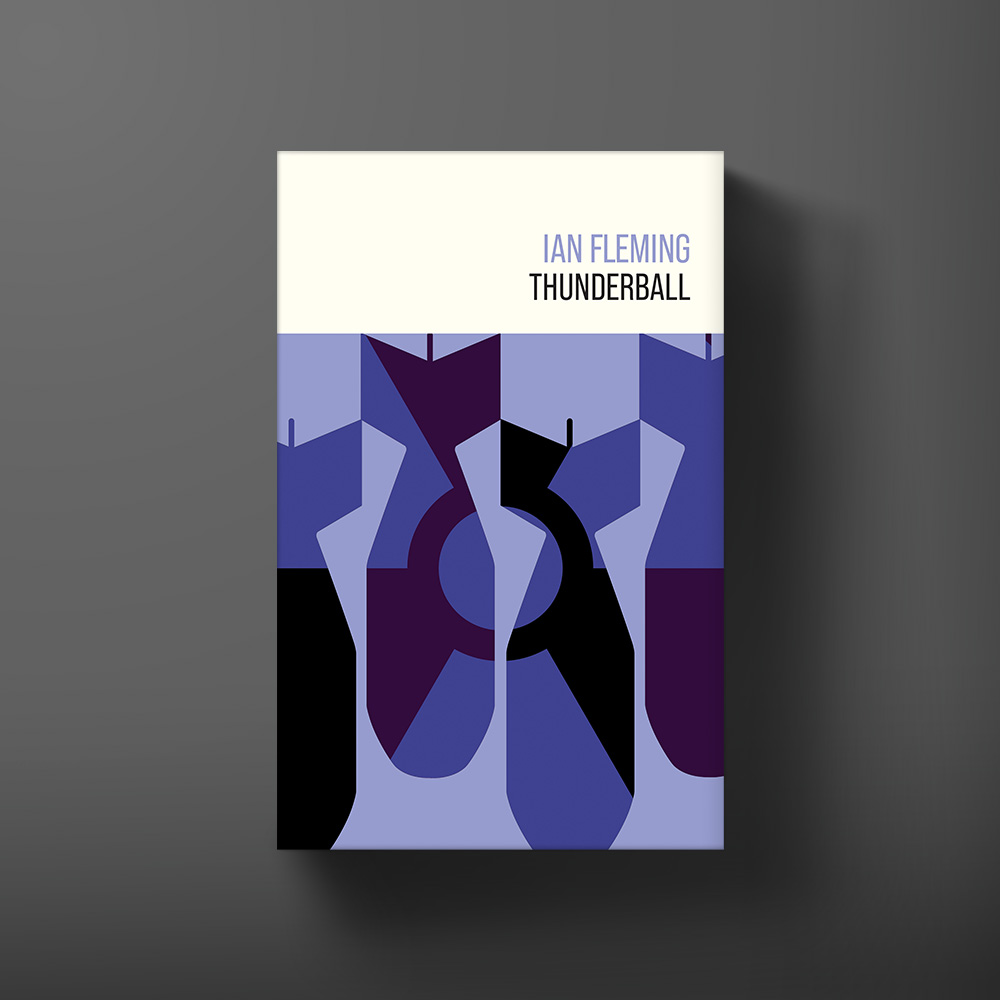
We speak to Fergus Fleming about his inspiration for his book, The Man with the Golden Typewriter, his developing view of his uncle Ian Fleming, and some of the correspondences he discovered while researching.
Why did you start the project?
A book of Ian’s letters was long overdue and, somewhat rashly, I raised my hand. Even more rashly, the offer was accepted.
Can you tell us more about Ian Fleming’s golden typewriter?
The golden typewriter was Ian’s great joke to himself. Just imagine his glee when it arrived in all its glittering splendour (smuggled in from America by his friend Ivar Bryce to avoid taxes). Serious-minded contemporaries considered it the height of vulgarity, but Ian didn’t care. Let them sneer! He had a golden typewriter and they didn’t. The machine in question was a Royal Quiet De Luxe and cost the princely sum (then) of $174. It wasn’t the only one in the world: the Royal Typewriter Co. produced a small run of them as an advertising gimmick. They were often given away as sports prizes or to favoured employees. None, however, have achieved the same iconic status as Ian’s. In 1995 an unknown bidder – rumoured to be Pierce Brosnan – bought Ian’s Quiet De Luxe for a sum that has been calibrated by the Guinness Book of Records as the highest ever paid for a typewriter.
Did Ian use it for the Bond novels? My impression is that he didn’t. It doesn’t seem to feature in any of the pictures of him at his desk. But who knows?
How much did you know about your uncle’s works and legacy when you were growing up?
Ian’s books were on the shelves when I grew up, but I don’t remember them being held in particular reverence. As he said to Raymond Chandler, ‘[I] meekly accept having my head ragged off about them in the family circle’. My father was so horrified by The Spy Who Loved Me that he made my mother read it under a brown paper cover. His brother Peter was also a writer, and his books too were on the shelves. So it was just an accepted fact of life that our family wrote books.
But I will say this. When checking a fact in You Only Live Twice, I used an original copy. And there, all at once, was the excitement of it. The Chopping jacket, the typeface, the Cape logo, the smell, the feel of the paper, the price – 16s. net – and the memory of something you will never find in a bookshop today. For a moment I caught the thrill that Ian, and his readers, must have experienced when the latest Bond came out.
Do you have any favourites from the correspondences you went through?
One of the best is Ian’s apology to Mrs. James Bond. Her husband was an ornithologist whose book Birds of the West Indies happened to be on Ian’s desk in GoldenEye when he wrote Casino Royale. In 1961 she caught up with him and demanded an explanation.
‘Your husband has every reason to sue me in every possible position and for practically every kind of libel’
Ian replied, adding that he had chosen James Bond because it was plain, masculine and anonymous – unlike Peregrine Carruthers or some such. In recompense,
‘I can only offer your James Bond unlimited use of the name Ian Fleming for any purpose he may see fit. Perhaps one day he will discover some particularly horrible species of bird which he would like to christen in an insulting fashion.’
Did any of the letters mention ideas that he never used in his Bond books?
This is a sensitive matter that falls under The Official Publishing Secrets Act and as such I am not permitted to disclose the contents of any files that may or may not have come to my attention. That said, he did float the possibility of setting a Bond novel in Australia – which would have been interesting.
Did your opinion of Ian Fleming change after reading his correspondence and did you discover any new aspects of his character?
Ian has been portrayed so often in films and books as a callous, suave womaniser – in essence a mirror image of Bond – that I was prepared for something along those lines. To my surprise it didn’t materialise. Of course, this isn’t a biography and a fuller examination would probably confirm the accepted picture. All I can say is that his letters reveal a man who was witty, punctilious and kind, assailed by fits of self-doubt yet resolutely optimistic, who worked hard to make a living the best way he knew.
Do you think Ian was a true eccentric, or was the typewriter more a symbol of a persona he enjoyed cultivating as the writer of thrilling – and at times bombastic – fiction?
Ian wasn’t an eccentric. I would say he was more a romantic. He enjoyed turning dreams into reality and vice versa. He had an urge to tell stories. If he could make life a story – the martinis, the golden typewriter – then all to the good. If he could make a story out of life – to tell people what he saw, what he experienced, and how it inspired him – then so much the better.
‘Writing makes you more alive to your surroundings,’ he once said, ‘and since the main ingredient of living… is to be alive, this a quite a worthwhile by-product of writing.’ If writing made him alive, so did the imagination that underpinned it.
Writer Benjamin Welton looks back at Ian Fleming’s war years and how they influenced his literary creativity.
James Bond remains the quintessential cold warrior of fiction, and yet it’s not that conflict that animated his creator. Sure, the Soviet Union and her agents are the arch villains of Fleming’s oeuvre, and the mere existence of SMERSH (a real entity of history) is evidence enough of Fleming’s interest in using Bond as a loyal British ‘instrument’ in the service against a contemporary enemy. But despite Fleming’s journalistic attachment to current events, the engine driving his creation of Bond was World War II.
Described by Fleming once as a ‘very interesting war,’ the Second World War gave this former Etonian and child of privilege not only an insider’s view of intelligence work and covert operations, but also a deep sense of duty that he later bequeathed to 007. As a result, Fleming’s Bond novels are haunted by the specter of the 1939-1945 conflict, from the machinations of diehard Nazis like Sir Hugo Drax or former double agents like Ernst Stavro Blofeld to Bond’s overall excitement for what American President Theodore Roosevelt once called ‘the strenuous life,’ albeit one chock full of custom-made cigarettes, well mixed drinks, and beautiful, but slightly damaged women.
Salad Days
The military and the call to defend the crown were never far from young Fleming. His father, Valentine Fleming, had served first as a Conservative MP before being killed on the Western Front in 1917. The death of his father left a giant vacancy in the Fleming household, and his mother Evelyn pushed her sons to pick up the mantle left behind by their father. Fleming’s older brother Peter became not only an Oxford-educated adventurer and travel writer, but he also served as an officer in charge of military deception during World War II in Southeast Asia.
It took longer for such glory to come Ian’s way. After attending Eton College, where he collected an impressive array of sporting titles and trophies, Fleming was pushed by a disapproving housemaster at Eton and his mother to attend the Royal Military College at Sandhurst. While there less than a year, Fleming flaunted a good many of the school’s strict regulations and left after an indiscretion out in town.
After failing to achieve a commission, Fleming spent the interwar years performing an assortment of high-end jobs. Besides trying his hand at banking with Cull & Co. and being a stockbroker with Rowe and Pitman, Fleming’s most important role before becoming a novelist was his time as a journalist and sub-editor for Reuters. Although Fleming’s mother had lobbied for the job on behalf of her wayward son, Fleming proved to be an excellent journalist, which Anthony Burgess, in a preface to the 1987 Coronet paperback editions of Ian Fleming’s original Bond novels, blames for Fleming’s ‘clarity of…style’ :
‘It is important to remember, that, like Daniel Defoe, [Fleming] was a journalist before he was a writer of fiction, and a good journalist too. The clarity of his style in the novels proclaims this, the apt image, the eye for detail, the interest in world affairs on the one hand and, on the other, the fascination with the minutiae of everyday life.’
While on assignment for Reuters in 1933, Fleming covered the trial of six British engineers with Metropolitan-Vickers who were accused of espionage and sabotage while working in the Soviet Union. The trial was nothing more than a Stalinist show trial, but it did provide Fleming, who had only been with Reuters for eighteen months at that point, with a taste of the world of international espionage. While not his first taste (Fleming had earlier attended a private school in Austria run by a former British secret agent named Ernan Forbes Dennis), the Metropolitan-Vickers trial did however expose Fleming to the dangers of communism and the potential thrills associated with being a British spy abroad.
On His Majesty’s Secret Service
Later in life, Fleming admitted that: ‘I extracted the Bond plots from my wartime memories, dolled them up, attached a hero, a villain, and there was the book.’ Barring some exaggeration, Fleming could lay claim to being privy to some of the war’s more interesting elements. As a Royal Navy Commander attached to Senior Service, Fleming got to experience the ‘intelligence machine’ from the inside. While serving as a liaison between MI5, the Security Service, and SOE, Fleming regularly attended top secret meetings and had access to Bletchley Park, where men like Alan Turing and others were busy decoding the ciphers of the German Enigma machine.
Fleming wasn’t content to just spend the war as a go-between, however. As author Nicholas Rankin details in his excellent book Ian Fleming’s Commandos, Commander Fleming was instrumental in the creation of a commando force within the Naval Intelligence Division, which he labeled an ‘Intelligence Assault Unit.’ Called both 30 Commando and 30 Assault Unit, this collection of Naval intelligence officers and Royal Marine Commandos were tasked with ‘pinching’ secret material from the enemy. Along the way, 30AU saw action in Algeria, Norway, the Greek Islands, Sicily, and most disastrously of all, the assault on Dieppe.
While Fleming was not frequently on the front lines, he did however actively engage in overseeing the unit’s activities (he was also known to accompany them on certain assaults), plus he had a habit of concocting fabulous missions for his men. Examples include Operation Ruthless, which was a plan devised before the creation of 30AU in order to retrieve the Enigma codebooks while using what Fleming himself described as ‘a tough bachelor, able to swim.’ Operation Ruthless’s ideal operator not only prefigures James Bond’s grueling underwater storming of Mr. Big’s fortress in Jamaica in Live and Let Die, but Fleming’s description of the task reads like a synopsis of one of Bond’s many exploits:
TOP SECRET
For Your Eyes Only. 12 September 1940
To: Director Naval Intelligence
From: Ian Fleming
Operation Ruthless
I suggest we obtain the loot by the following means:
Obtain from Air Ministry an air-worthy German bomber
Pick a tough crew of five, including a pilot, W/T operator and word-perfect German speaker. Dress them in German Air Force uniform, add blood and bandages to suit
Crash plane in the Channel after making SOS to rescue service
Once aboard rescue boat, shoot German crew, dump overboard, bring rescue boat back to English port
Another Fleming-created operation was Operation Golden Eye, which centered on keeping the lines of communication open to Gibraltar if Spain decided to join the Axis. Like Operation Ruthless, Operation Golden Eye was closed down before it could be put into action.
The War Becomes a Best-Seller
When Fleming set out to write Casino Royale, the ‘hot war’ had turned cold. Britain’s main enemies were communism and the various post-colonial nationalist movements that helped to bring down the empire. And yet, in most of Fleming’s Bond novels, the action as well as the villains all have some tie to the older conflict. Moonraker deals not only with the lingering fear of the Nazis’s V-2 rocket, but also the idea that some former Nazi scientists in Britain and America were still enraptured by the Hitlerian philosophy. According to Ben Macintyre’s For Your Eyes Only: Ian Fleming and James Bond, the inspiration behind mining Mr. Big’s boat in Live and Let Die and giving the Disco Volantea trap door in Thunderball may very well have been the 10th Light Flotilla, a special unit of the Italian Navy that Fleming saw operate in the Mediterranean during the war. Of course, Bond’s most enduring enemy, Blofeld, began his life of infamy as a Polish double agent who sent secret items to the Nazis ahead of their 1939 invasion of Poland.
Even Bond himself is a product of the war, for while serving as Commander Bond in the Royal Navy’s Intelligence Service, he earned his 007 title by killing what he describes in Casino Royale as ‘two villains’ — a Japanese cipher expert and a Norwegian double agent. And while Bond spends a small portion of the same novel conflicted over his role in the more morally slippery Cold War, he nevertheless decides to stay in the action as an agent tasked with eliminating or weakening some of the wrongs associated with the postwar fallout between the former Allies. In another way, the Bond novels can be read as a continuation of Fleming’s work during the war, as Bond, through fiction, reasserts British dominance on the world stage all the while re-living some of his creator’s experiences from his time as an intelligence officer.
Benjamin is a freelance journalist who has been published in The Atlantic, VICE, MI6-HQ, and others. He is a regular contributor to Literary007.com.
Raymond Benson gives us an insight into the life and origins of Felix Leiter.
I love Felix Leiter. Always have. Ever since I first read Ian Fleming’s novels in the 1960s. While it was certainly the character of James Bond who lit a fire under me at a very young age, I identified with Felix. After all, Felix was a Texan. So was I. In the premiere book, Casino Royale, Bond reflects that “good Americans were fine people and that most of them seemed to come from Texas.”
Where did the author find his inspiration for Felix Leiter? We really don’t know. Felix’s first name was one of the middle names of Fleming’s longtime friend, John Felix Charles Bryce (but everyone knew him as “Ivar”). The surname came from Fleming’s Washington, DC friends, socialites Tommy and Marion “Oatsie” Leiter. Neither of them were Texans. Did Fleming know any Texans? I am not aware of any evidence to that effect.
Unless one has read Fleming’s books, a Bond fan might not know the “real Felix.” While several fine actors have portrayed the character on film, a faithful incarnation of Fleming’s Felix has never been seen.
Allow me to paint a portrait of Ian Fleming’s Felix Leiter. Felix is Bond’s closest ally in six of the novels. At first, he’s with the CIA. After Felix loses a right arm and a leg to a shark in Live and Let Die, the CIA lets him go; however, he then finds work with Pinkerton’s Detective Agency. Felix remains with Pinkerton’s until Thunderball, in which Allen Dulles (the CIA chief) puts Felix on the reserve force. Felix is again placed on the reserves in The Man With the Golden Gun.
When Bond meets him in Casino Royale, Felix is about thirty-five. He is tall and thin, and he wears his clothes “loosely from his shoulders like Frank Sinatra.” Although his movements and speech are slow, Bond gets the feeling that there is plenty of speed and strength in Felix, and that he would be a “tough and cruel fighter.” Fleming goes on to describe him in Chapter 7:
‘As he sat hunched over the table, he seemed to have some of the jackknife quality of a falcon. There was this impression also in his face, in the sharpness of his chin and cheekbones and the wide wry mouth. His grey eyes had a feline slant which was increased by his habit of screwing them up against the smoke of the Chesterfields which he tapped out of the pack in a chain. The permanent wrinkles which this habit had etched at the corners gave the impression that he smiled more with his eyes than with his mouth. A mop of straw-coloured hair lent his face a boyish look which closer examination contradicted.’
One of the ties between the Englishman and the American may be that they enjoy being barroom rivals. There is almost always an obligatory scene in which the two visit a bar and drink themselves silly. In Casino Royale, Bond educates Felix on the making of a “real” martini, and Felix remembers the formula in subsequent novels. In Thunderball, Felix seems to have studied martinis thoroughly, for he, in turn, educates a barman in a Nassau hotel on the ingredients of that real martini. Felix knows when he’s being had; the martinis at the hotel are served with inadequate portions of liquor. Felix explains to the barman: “… here’s one who’s dry behind the ears. A good barman should learn to be able to recognize the serious drinker from the status-seeker who wants just to be seen in your fine bar.”
Kingsley Amis, in The James Bond Dossier,seems to think that Felix has no personality. Nonsense! (Sorry, Kingsley.) Felix’s personality is clearly revealed in his manner of speech and the subjects about which he speaks, as well as through several of the character’s idiosyncrasies. For instance, Felix is a jazz fan, and he escapes a nasty scrape in Live and Let Die by “arguing the finer points of jazz” with his black captor. Felix tells Bond many anecdotes about America while giving him guided tours of New York, Saratoga, or Florida. He and Bond have a good laugh at the quaint citizens of St Petersburg, and they take pleasure in complaining about the commercialism of the Bahamas’ hotels.
Felix is actually a bit of a goofball! He is so buoyant that the sun always seems to shine on him when he’s around Bond. Even after his mishap with the shark, Felix retains his upbeat humor. He’s the kind of joker who comes up behind Bond (in Diamonds Are Forever), sticks his hook against Bond’s back, and says, “All right, Limey. Take it easy unless you want lead for lunch.”
Most importantly, though, is the fact that Felix reinforces the theme of Friendship running through the series. The bond between the two men is extremely heartfelt. Felix Leiter, of all of Bond’s allies, brings to the books a warmth and joviality which is missing most of the time.
When Bond first encounters Felix in Casino Royale, the Texan is amiable and boyish. Fleming succeeds in giving the character a personality that is distinctly American. But the CIA man is a mere shell of what is to come. Not much is revealed about Felix in Casino Royale, but he is an immediately likeable figure. Fleming was wise in using Felix as the “cavalry to the rescue” when Bond loses all his money at the baccarat table.
Felix is further developed in Live and Let Die, where he has a strong supporting role. His cheeriness is an excellent complement to Bond’s seriousness, almost a breath of fresh air. Felix acts as Bond’s guide to America, and much of Fleming’s sense of humor is revealed in the Texan’s speeches: “You can get through any American conversation,” advised Leiter, “with ‘Yeah,’ ‘Nope,’ and ‘Sure.’ The English word to be avoided at all costs,” added Leiter, “was ‘Ectually,’” Bond had said that this word was not part of his vocabulary.
The friendship between Bond and Felix comes to fruition in this second novel. From the first chapter, in which the American surprises the Englishman by greeting him in a hotel room, to the tragic incident in which Felix almost loses his life to a shark, the men are inseparable. They barhop through Harlem together, sharing meals, conversation, and clue-gathering. Despite their differences in background, the men hit it off as if they’ve been friends since childhood. Bond seems to depend on this alliance with a male friend—it means more to him, sometimes, than his relationship with any woman in the novels. Bond even has trouble keeping the emotion from choking his voice in Chapter 17 when he learns that Felix, after having lost half an arm and half a leg, will live after all.
‘Bond’s heart was full. He looked out of the window. “Tell him to get well quickly,” he said abruptly. “Tell him I miss him.”’
Interestingly, Fleming killed off Felix in the first draft of the novel. It was the author’s American literary agent, Naomi Burton, who objected and talked Fleming into keeping Felix alive. She recognised the appeal of the character.
One of the highlights of Diamonds Are Forever is Bond’s reunion with Felix. Bond seems to remove his cold, stone-faced exterior when he’s around the Texan. Their tight friendship is apparent in their conversation and actions. Bond again allows some emotion to reveal itself when he says goodbye to Felix toward the end of the novel in Chapter 21:
‘Bond felt a lump in his throat as he watched the lanky figure limp off to his car after being warmly embraced by Tiffany Case. “You’ve got yourself a good friend there,” said the girl.
“Yes,” said Bond, “Felix is all of that.”’
Felix accompanies Bond to Saratoga and again pops up in the nick of time in Las Vegas. Now Felix is working for Pinkerton’s Detective Agency, “The Eye That Never Sleeps.” Felix does not seem bitter at all about carrying a steel hook for a right hand or limping through life with a wooden leg. He is as good-humored as ever. Perhaps this conscious negation of his physical disabilities is one reason why Felix remains a useful friend to Bond. Their reunion on the streets of New York is a joyful moment: they immediately proceed to their usual form of entertainment, i.e., eating and drinking. Besides procuring Bond’s drinks, Felix takes the liberty of ordering the Englishman’s meal. Felix is once again very helpful as Bond’s tour guide. He “mansplains” everything Bond needs to know about the Saratoga race track, Las Vegas gambling statistics, and American life.
The character appears only briefly at the end of Goldfinger, again in the form of cavalry to the rescue. He saves Bond’s life and the Englishman admits that Felix is always good at doing so. Felix, who still works for Pinkerton’s, is the same cordial character who is so refreshing to have around. It’s too bad his appearance is so brief in the book.
Felix has one of his biggest roles in Thunderball. The alliance between Bond and Felix is the tightest it has ever been. The loyalty thesetwo men have for each other is one of the warmest qualities of the book—the sequence in which Bond meets the CIA agent at the airport and realizes it’s none other than Felix is an uplifting moment. Then it seems all they want to do is drink each other under the table after gorging themselves with meals. Describing the “chopped tenderloin of beef” at the Royal Bahamian, Nassau in Chapter 12, Felix complains, “This is hamburger and bad hamburger. The French onion rings were never in France, and what’s more, they’re not even rings. They’re oval.”
Bond and Felix constantly kid each other, much like how I understand the relationship between Ian Fleming and his American friend, Ernest Cuneo, would have played out. For example, in the following Chapter 14, the men are using the cover of a property-seeking English businessman and his American lawyer when they meet in a hotel restaurant:
‘Bond joined Leiter at a corner table. They both wore white dinner jackets with their dress trousers. Bond had pointed up his rich, property-seeking status with a wine-red cummerbund. Leiter laughed. “I nearly tied a gold-plated bicycle chain round my waist in case of trouble, but I remembered just in time that I’m a peaceful lawyer. I suppose it’s right that you should get the girls on this assignment I suppose I just stand by and arrange the marriage settlement and later the alimony.”’
Felix doesn’t seem to have any bitterness about the loss of his right hand and leg. Toward the end of the book in Chapter 22, the Texan insists on joining Bond in the underwater ambush of Largo’s men:
‘Felix Leiter interrupted. He said obstinately, “And don’t think you’re going to leave me behind eating Virginia ham. I put an extra foot-flipper on this”—he held up the shining hook—”and I’ll race you over half a mile any day, gammy leg and all. You’d be surprised the things one gets around to improvising when someone chews off one of your arms. Compensation it’s called by the medics, in case you hadn’t heard about it…”
Leiter turned to Bond. “You goddam shyster. Thought you were going to leave your old pal behind, didn’t you? God, the treachery of you Limeys! Perfidious Albion is right, all right.”
Bond laughed. “How the hell was I to know you’d been in the hands of rehabilitators and therapists and so on? I never knew you took life so seriously. I suppose you’ve even found some way of petting with that damned meathook of yours.” Leiter said darkly, “You’d be surprised. Get a girl round the arm with this and you’d be amazed the effect it has on their good resolutions.”’
The character’s final Fleming appearance is in The Man With the Golden Gun. Although there is no traditional drinking scene between Bond and Felix (a disappointing first), the sequences in which the Texan appears are high points. As usual, Felix pops up in the nick of time at the novel’s end, clearing the way for Bond to clean up the business at hand. And again, as usual, Felix is hurt and can’t participate in the final battle. Felix escapes this adventure by breaking his one good leg. Then, in a half-kidding, half-poignant moment in Chapter 15 as he leaves the hospital on crutches where Bond is under medical care, Felix tells Mary Goodnight:
‘“Okay, Miss Goodnight. Tell matron to take him off the danger list. And tell him to keep away from me for a week or two. Every time I see him a piece of me gets broken off. I don’t fancy myself as The Vanishing Man.” Again he raised his only hand in Bond’s direction and limped out.’
It is my great pleasure and privilege to be inserting into Ian Fleming’s timeline a special tale featuring someone I’ve considered a friend for a long time… Felix Leiter in The Hook and the Eye.
For more insights from Raymond, check out his book, The James Bond Bedside Companion.
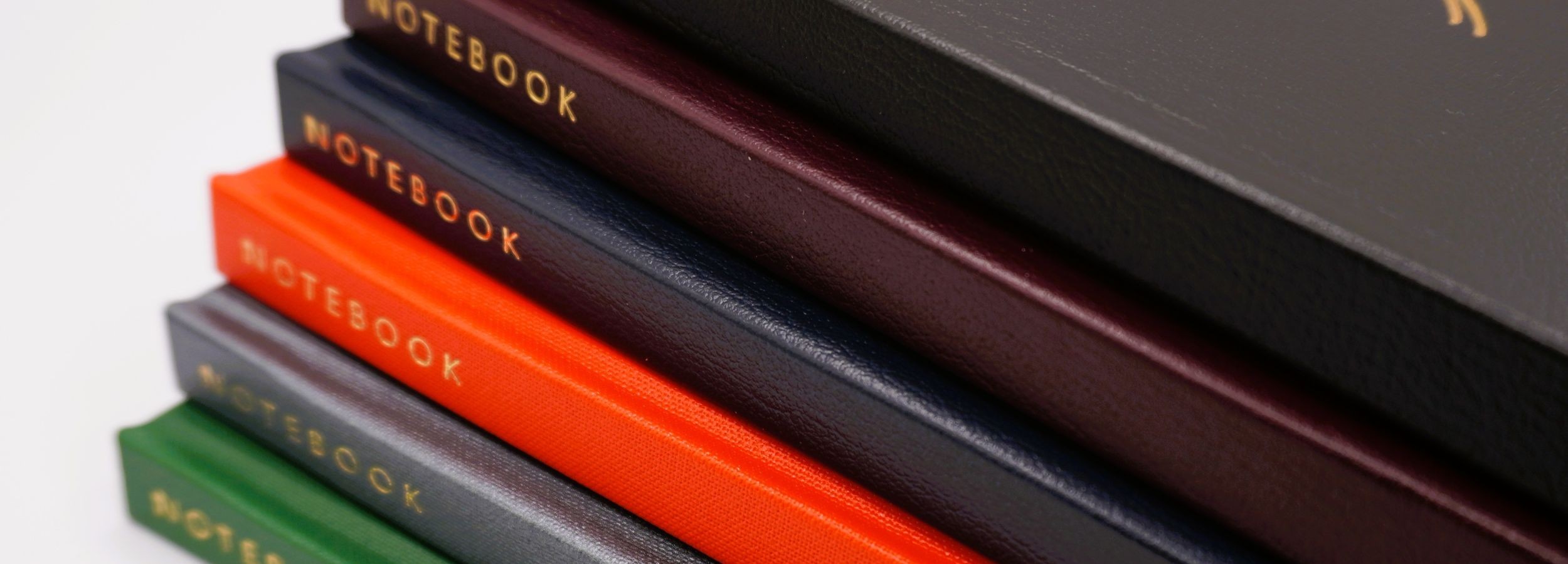
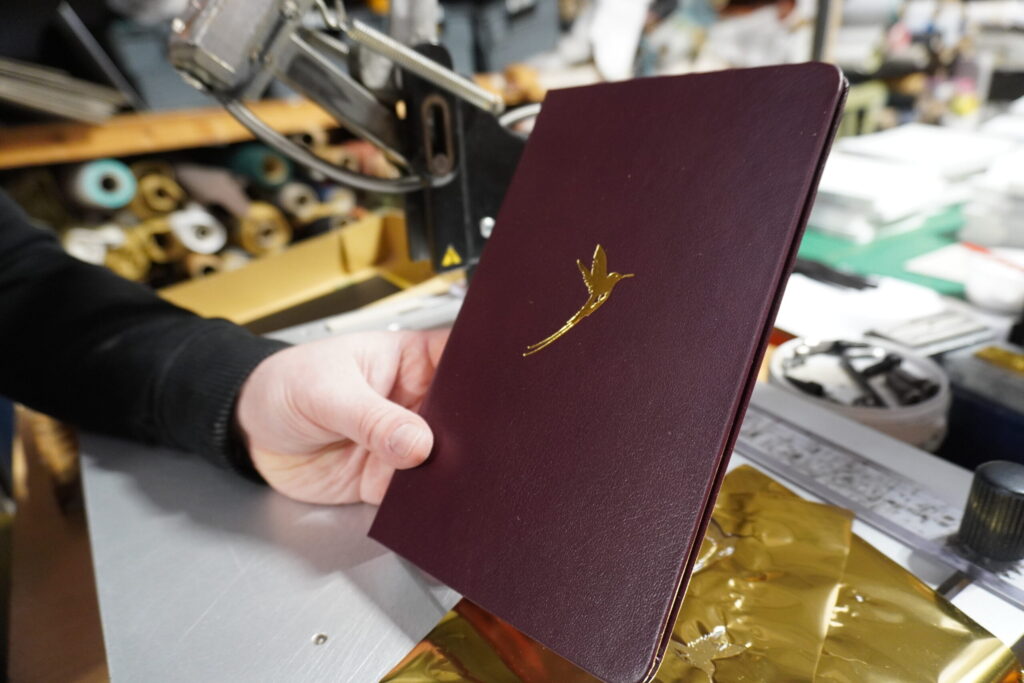
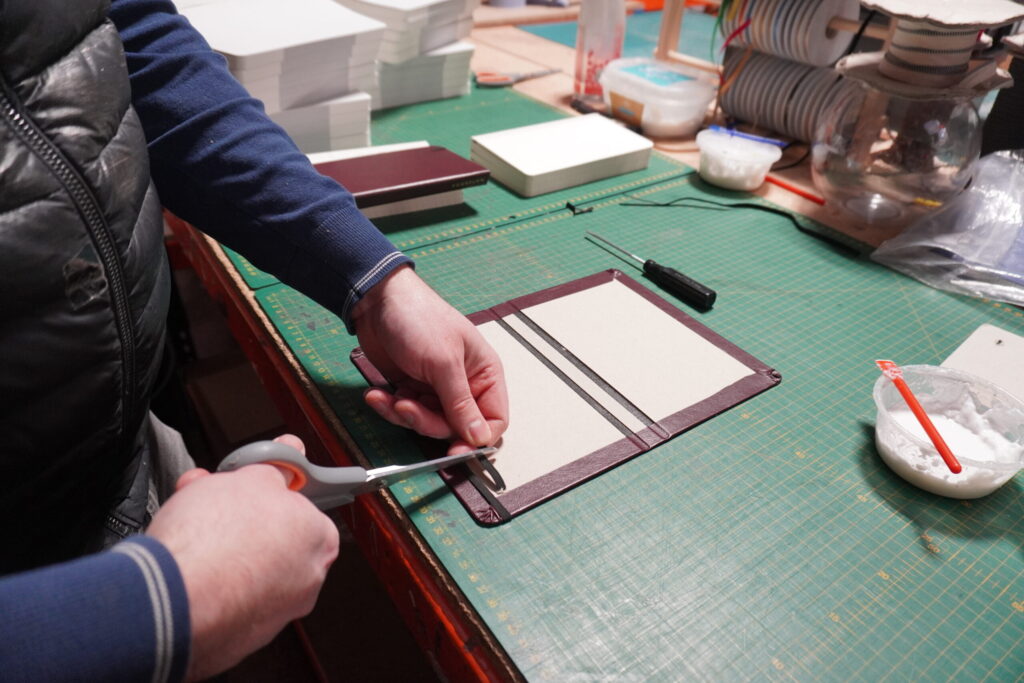
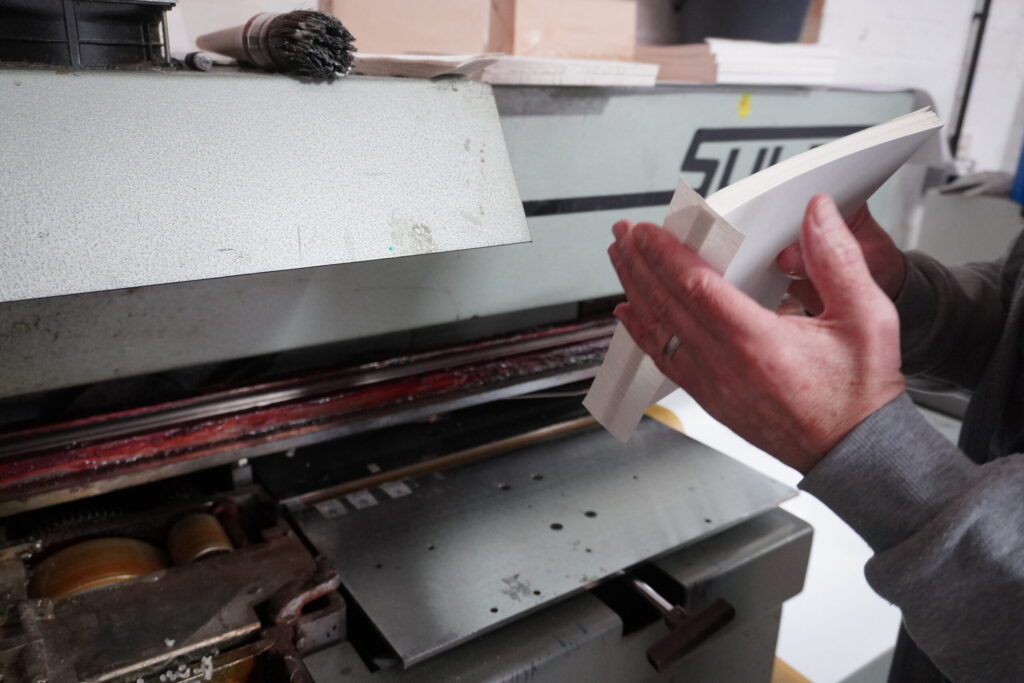
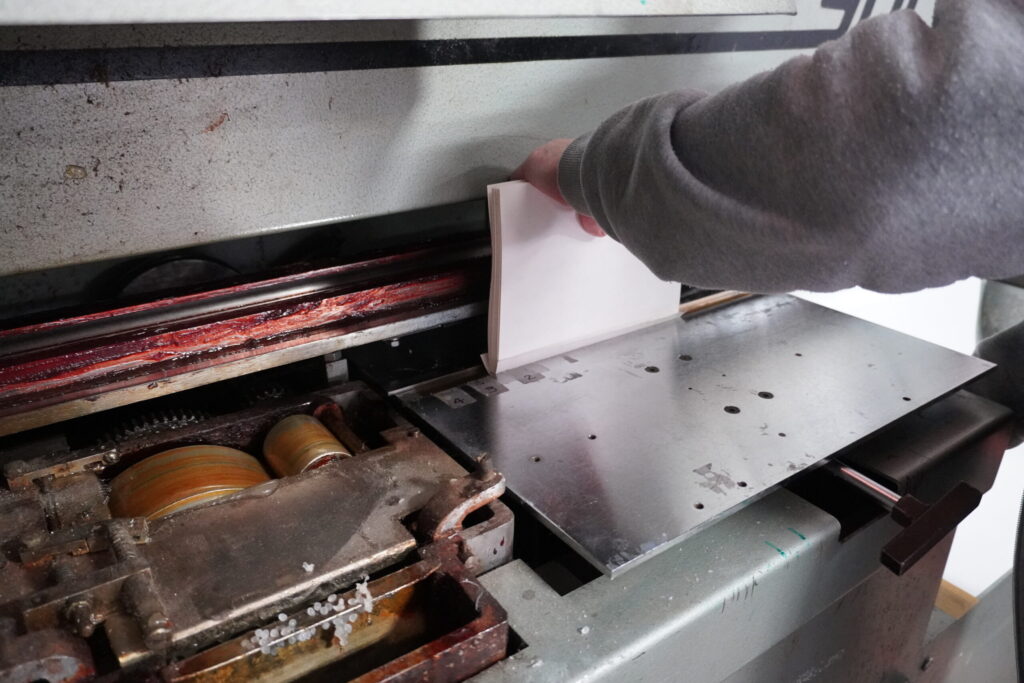
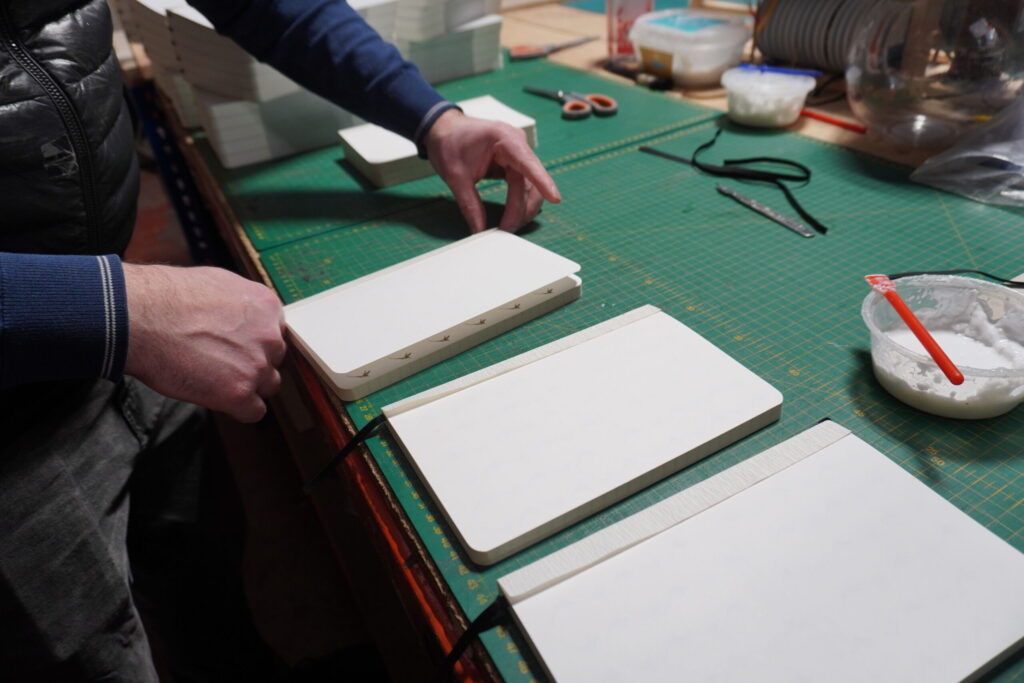
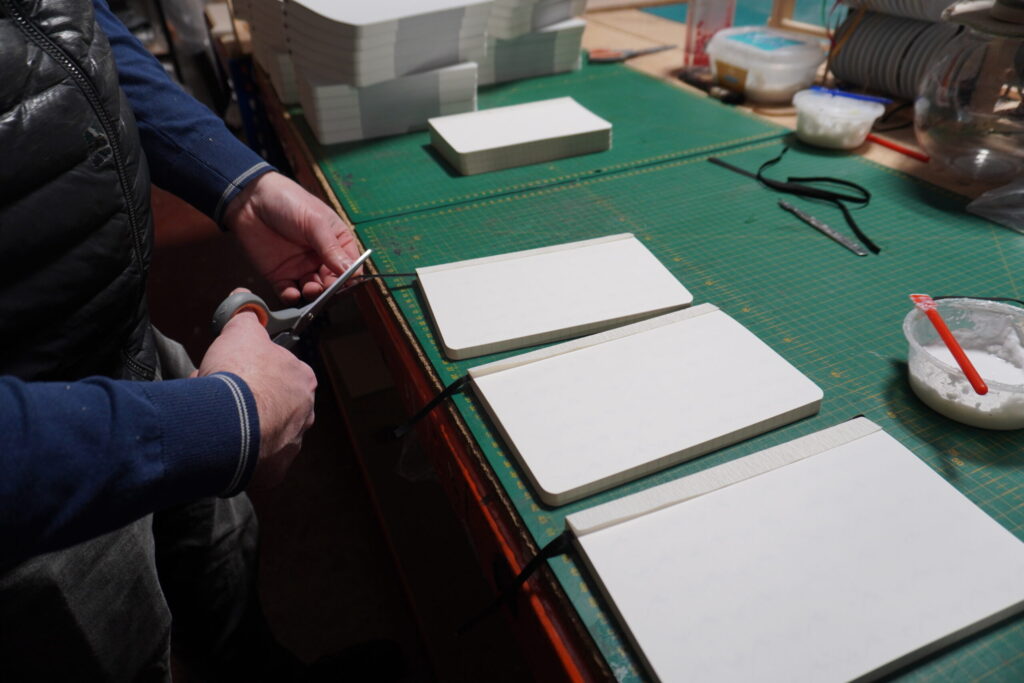
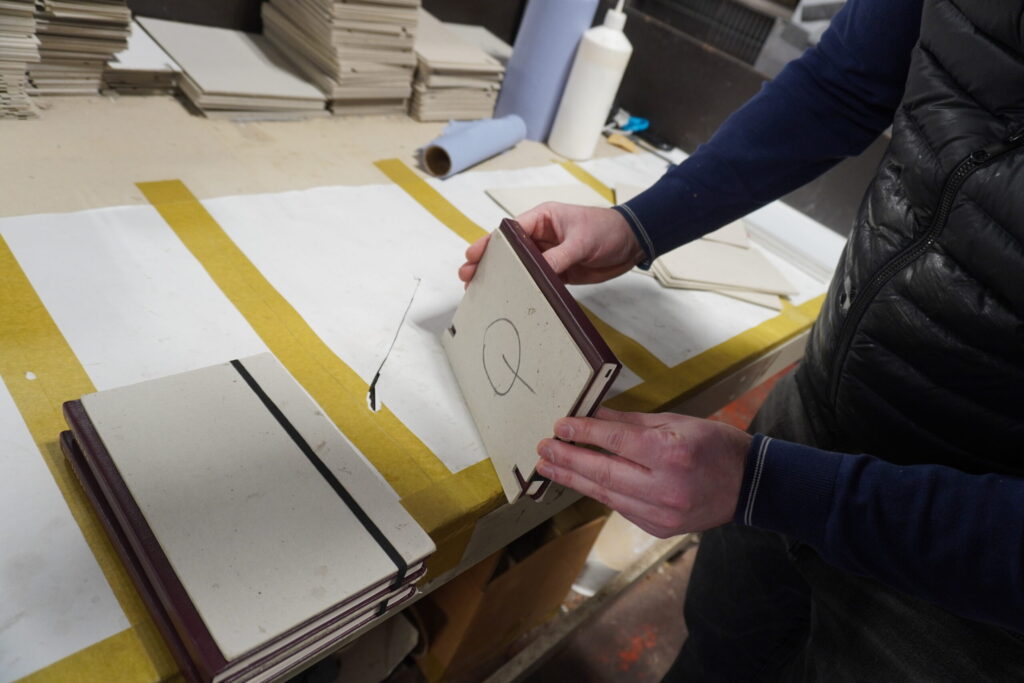
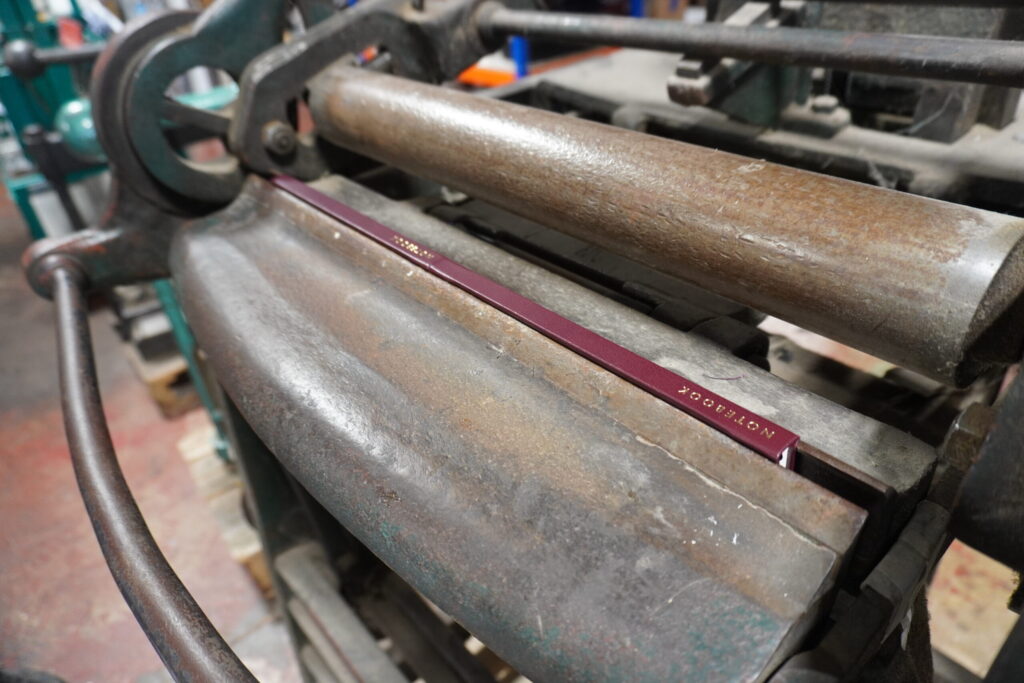
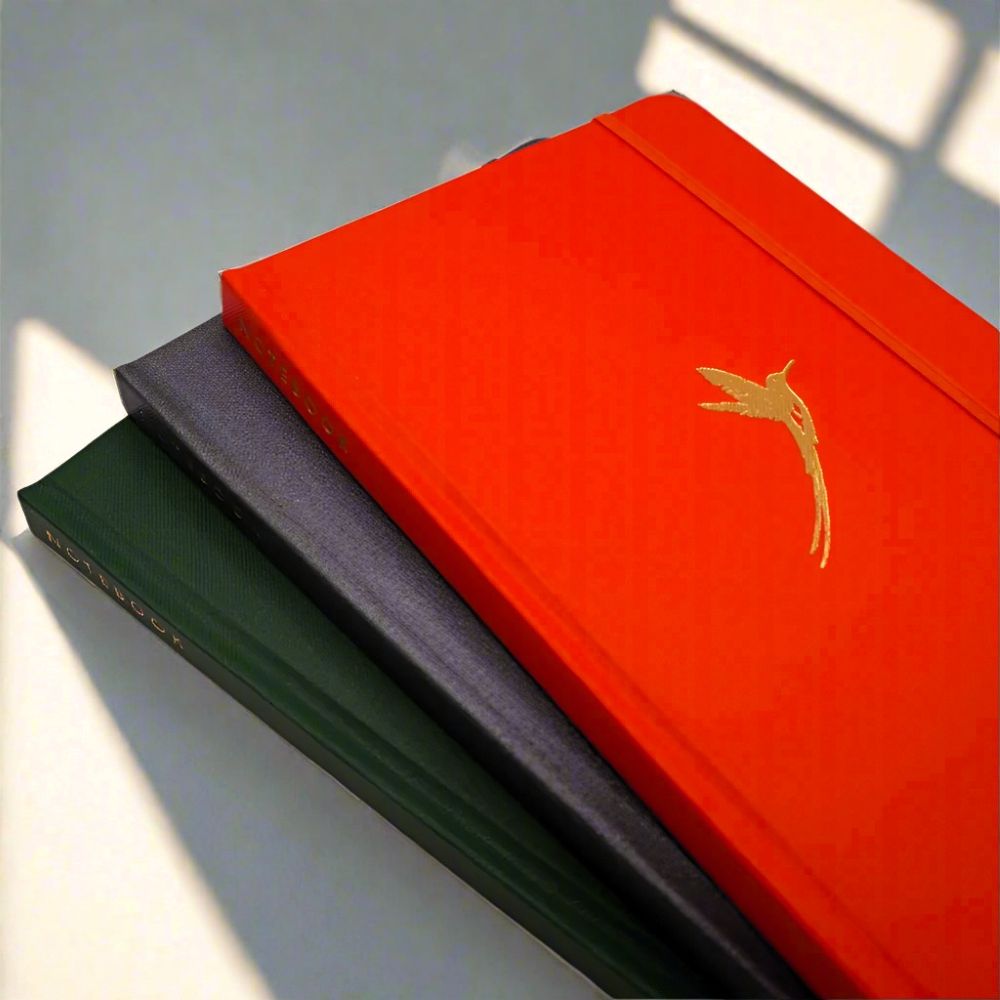
Ever wanted to see a book being made? Come with us into the English binding workshop of the Stamford Notebook Company, to watch our Hummingbird Notebooks being made. Let’s go.
CREATING THE COVER
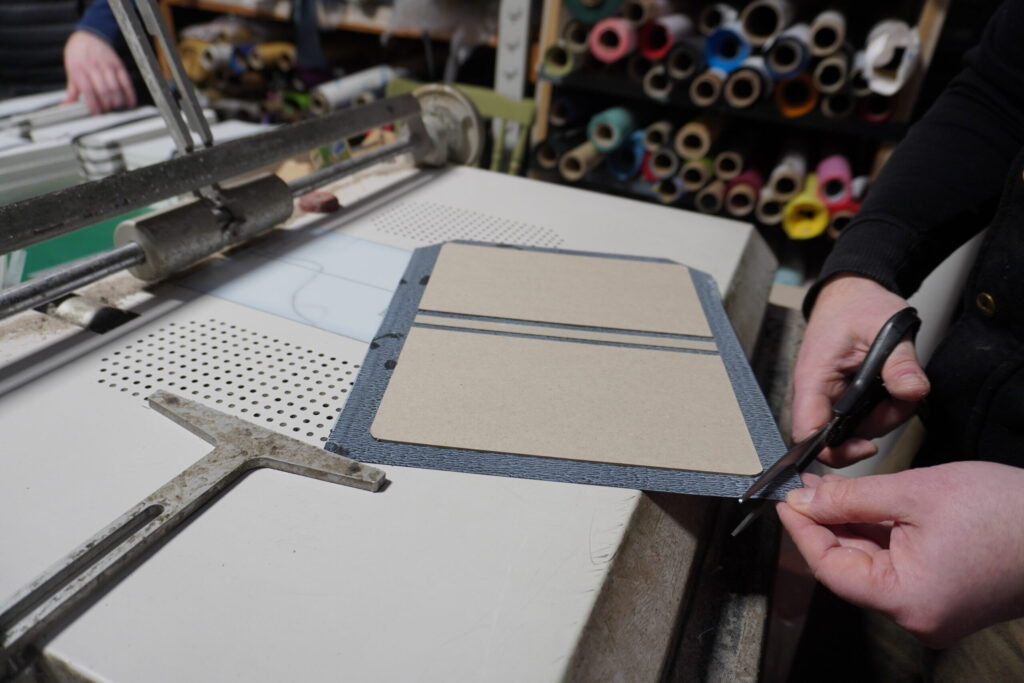
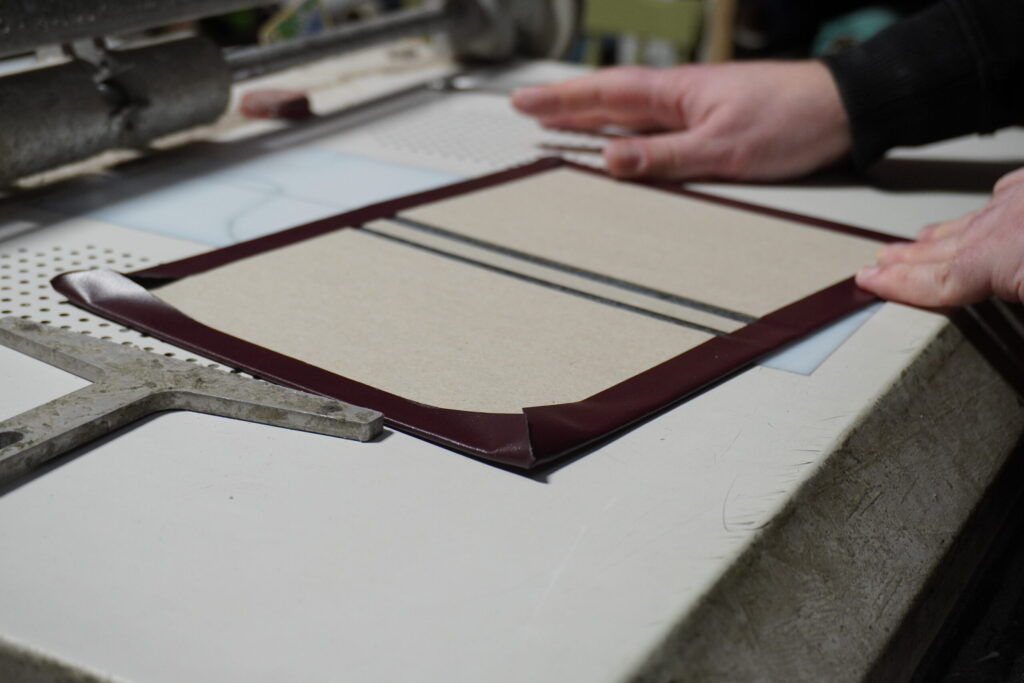
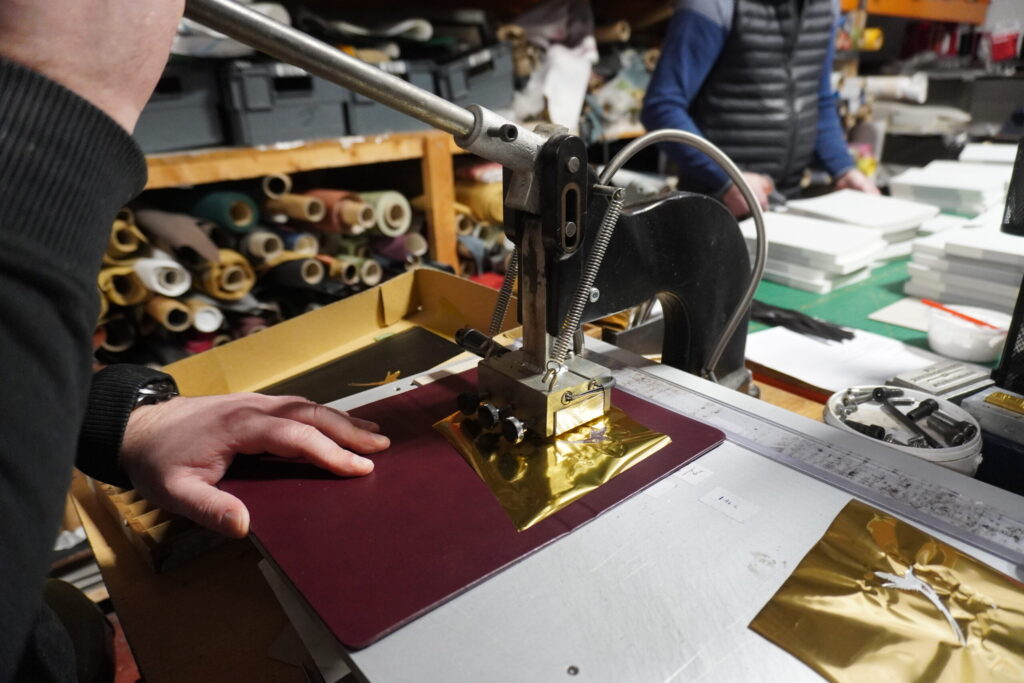
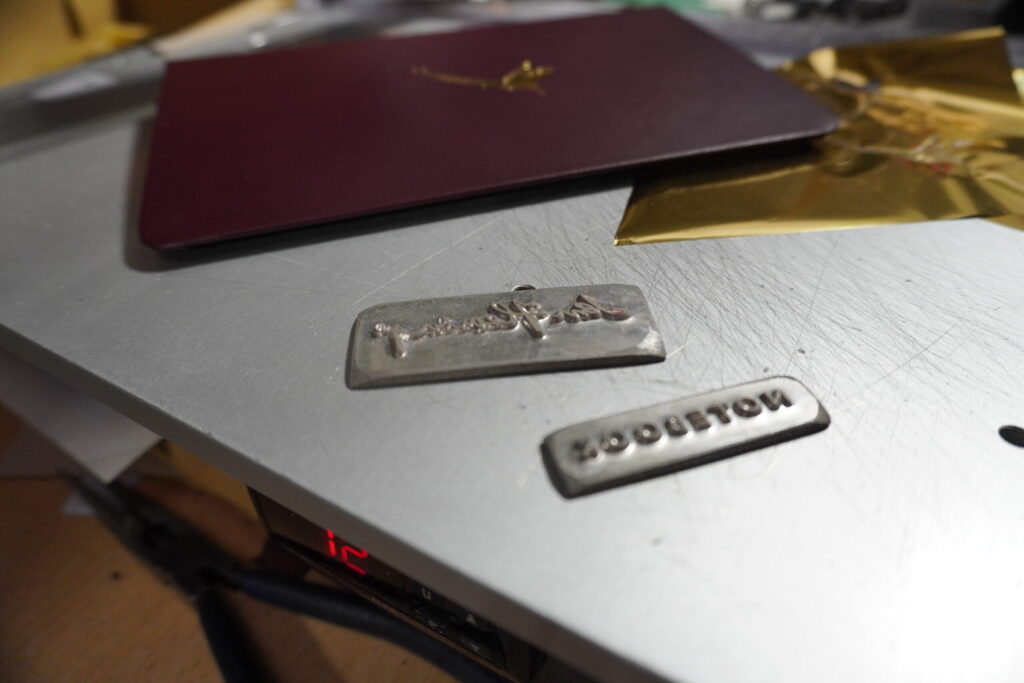
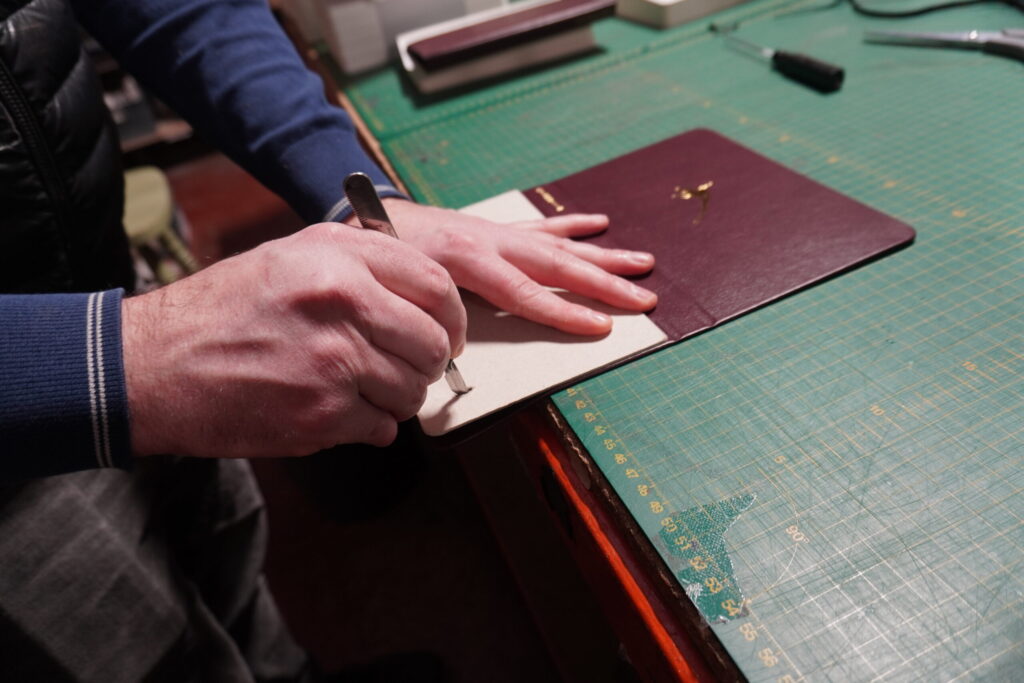
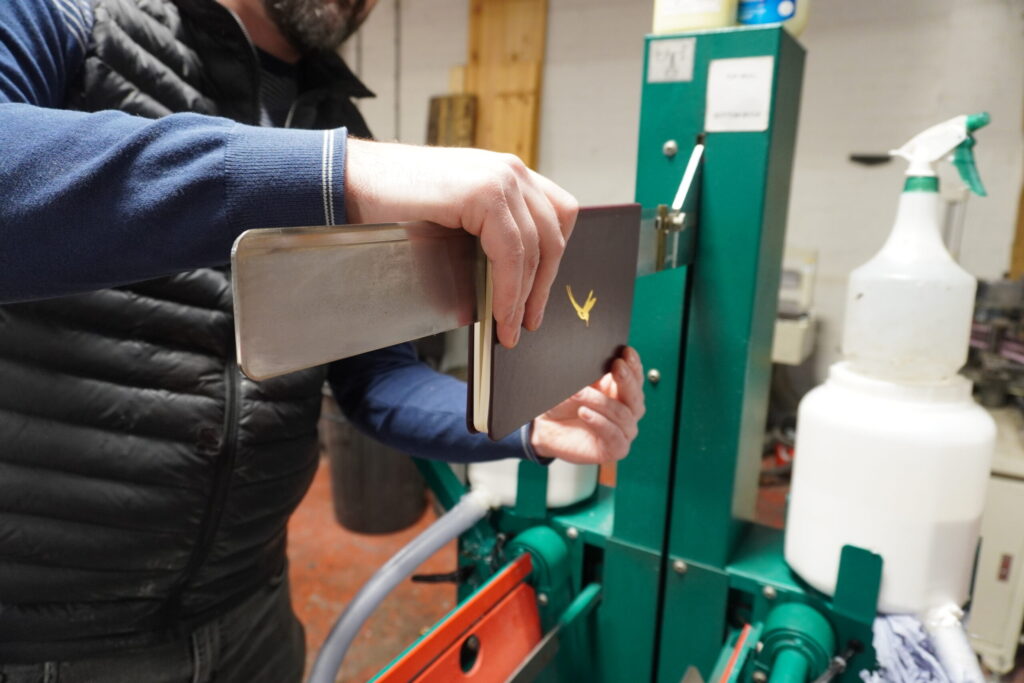
Soft leather or buckram fabric is selected for the cover – we offer a choice of two finishes. Cardboard panels are glued to the cover material, then trimmed, folded and carefully smoothed out. Custom metal dies and gold foiling are then used to blind emboss and hot foil emboss the hummingbird into the front cover. Slits are made in the back cover to allow elastic to be inserted, trimmed and glued in place.
CREATING THE PAGES
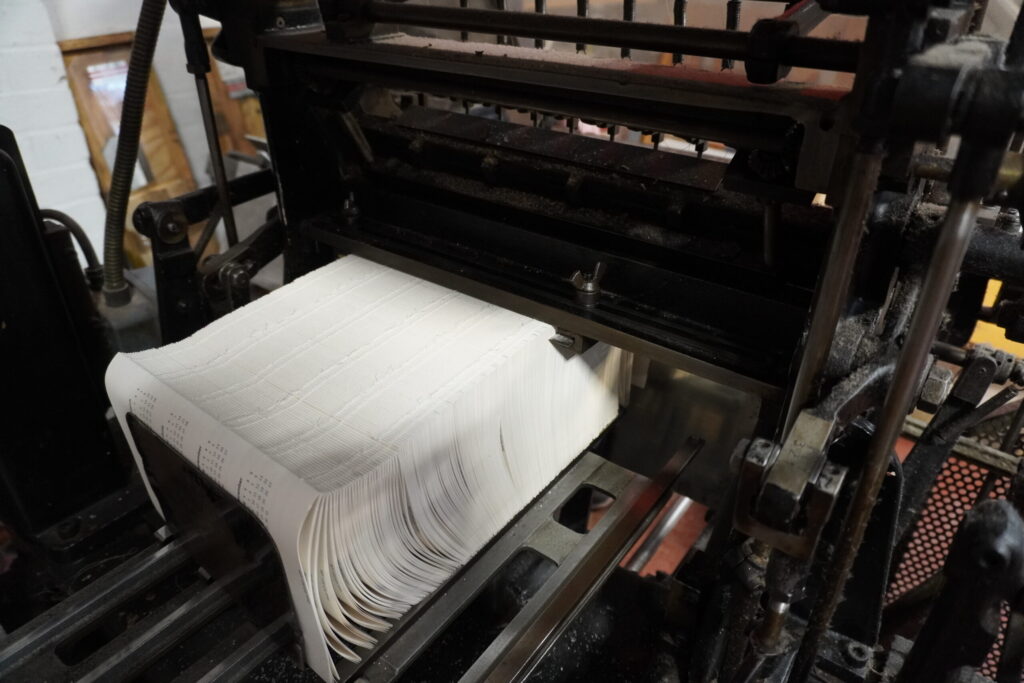
The notebook pages are printed in-house using British made, fountain-pen friendly paper milled in the Cumbrian town of Kendal.
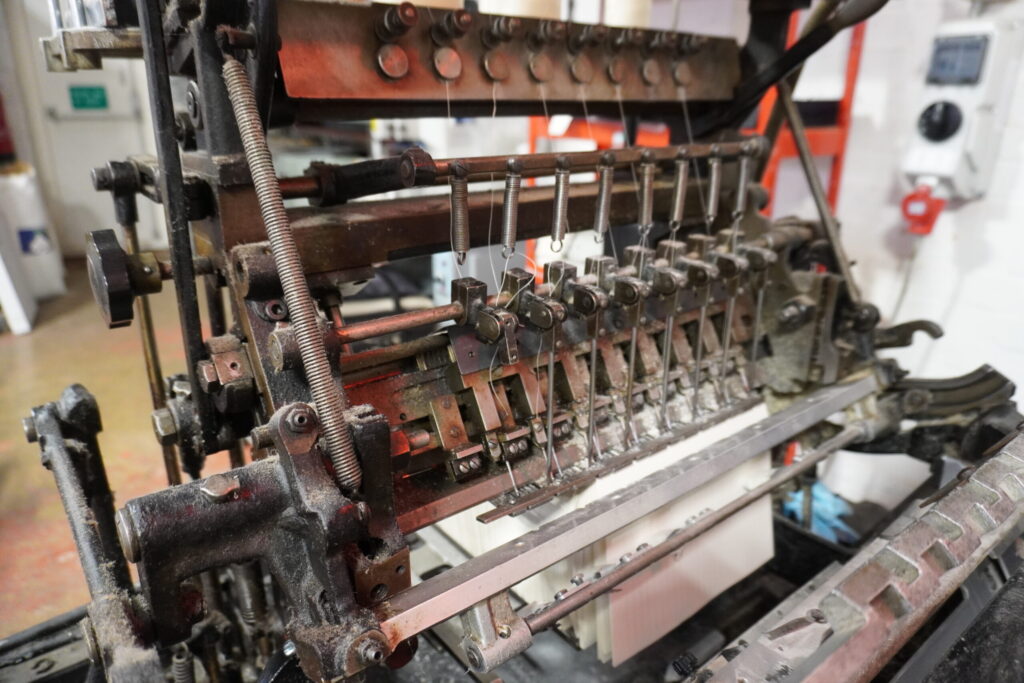
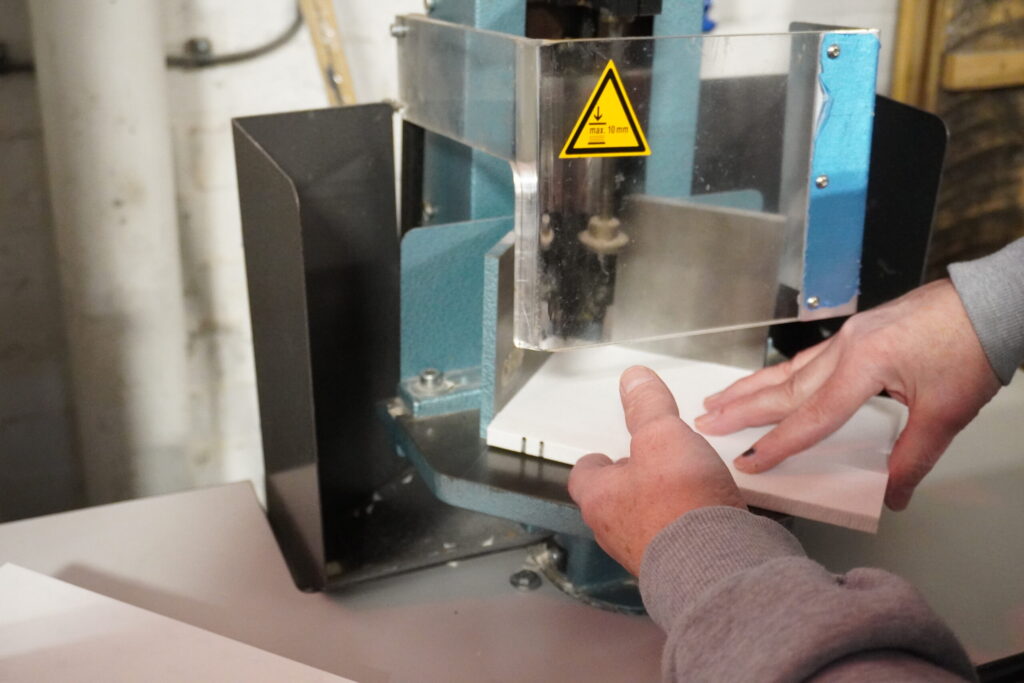
Groups of printed sheets folded in the middle, called sections, are sewn together by a 1948 Smyth book sewer, which allows the book to open fully whilst remaining very strong. A piece of reinforcing paper is glued over the sewn sections, securing the endpapers in place. The pages are trimmed – first around each edge, and then the corners are rounded.
FINAL DETAILS
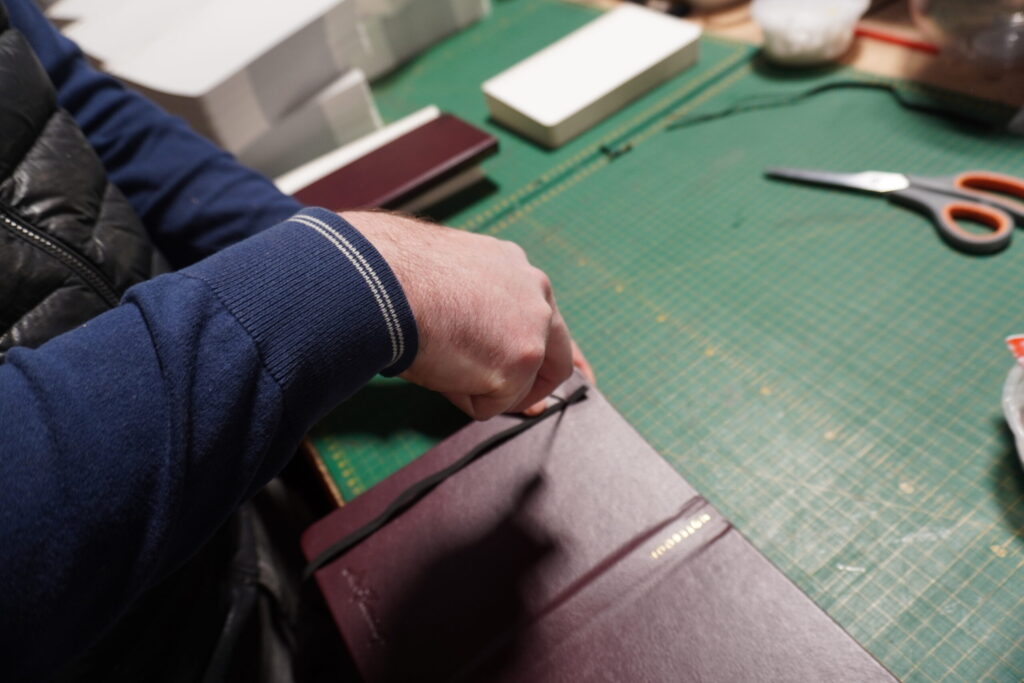
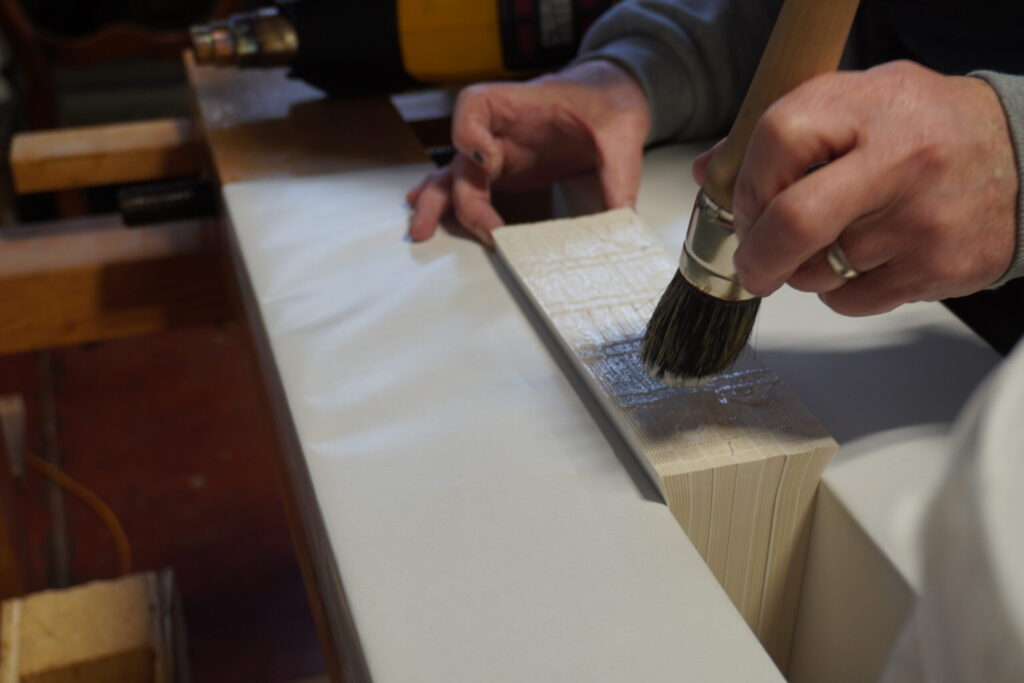
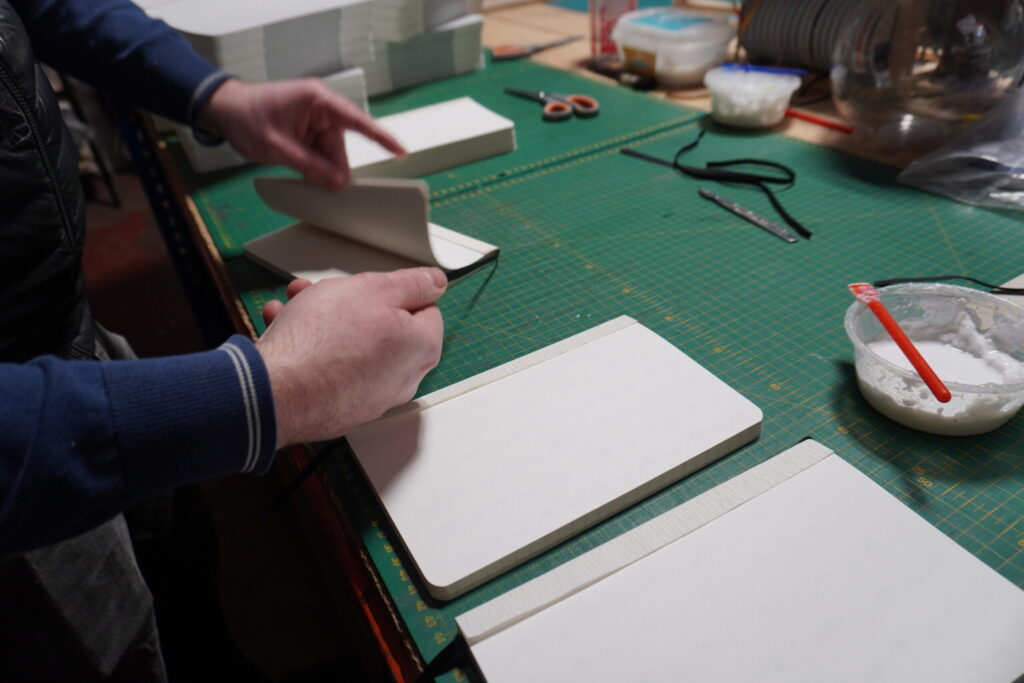
A bookmark ribbon is glued to the spine of the pages and trimmed. The book is then cased-in – the first and last pages are coated in glue, and the cover is attached.
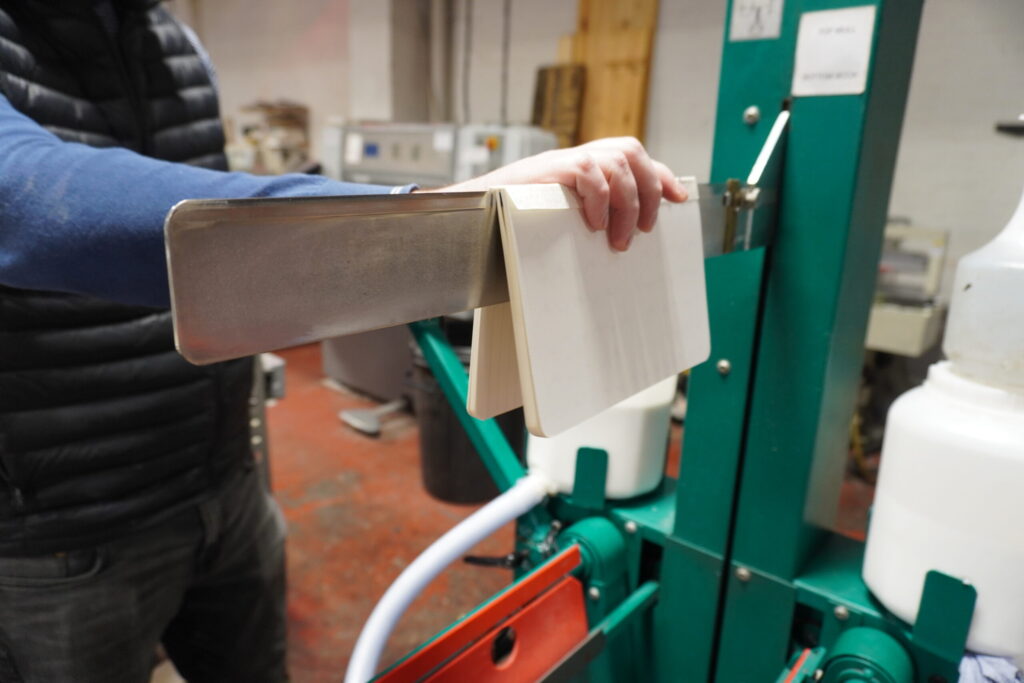
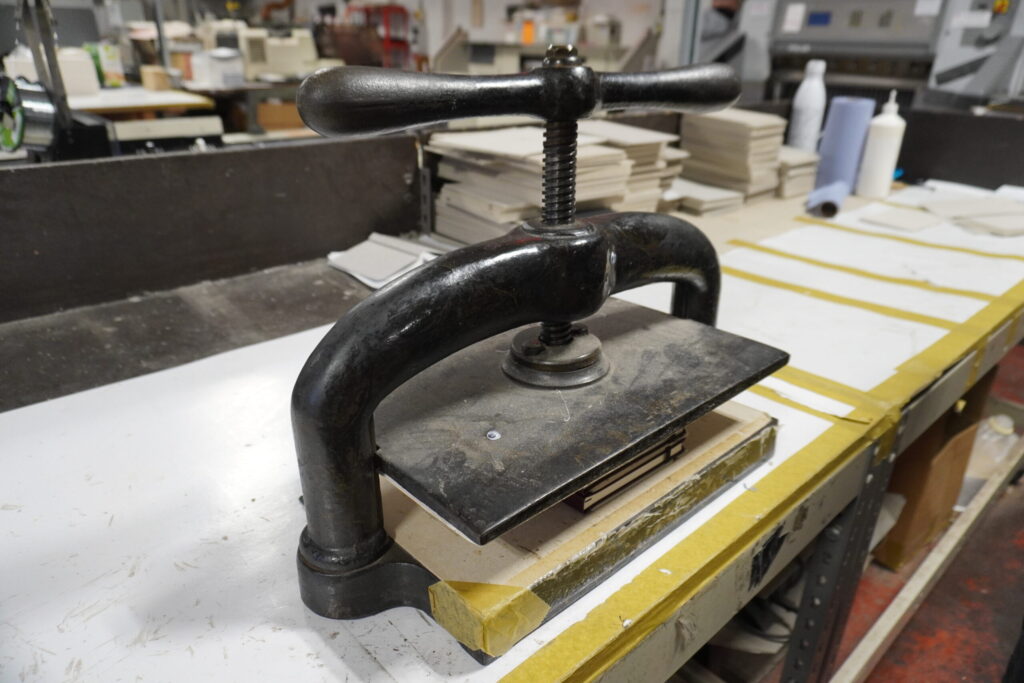
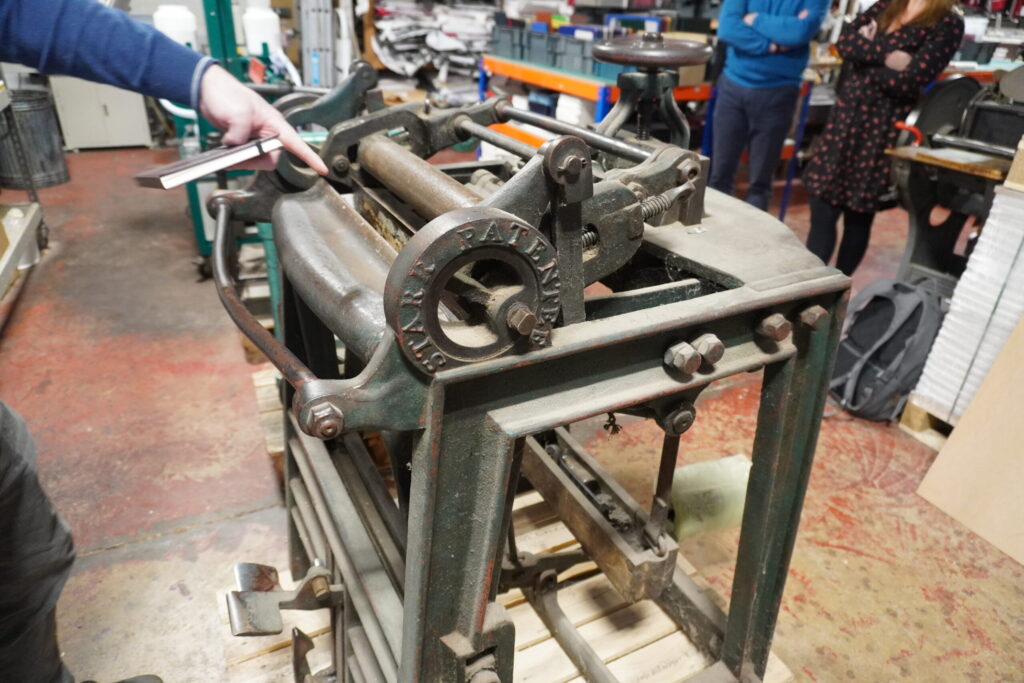
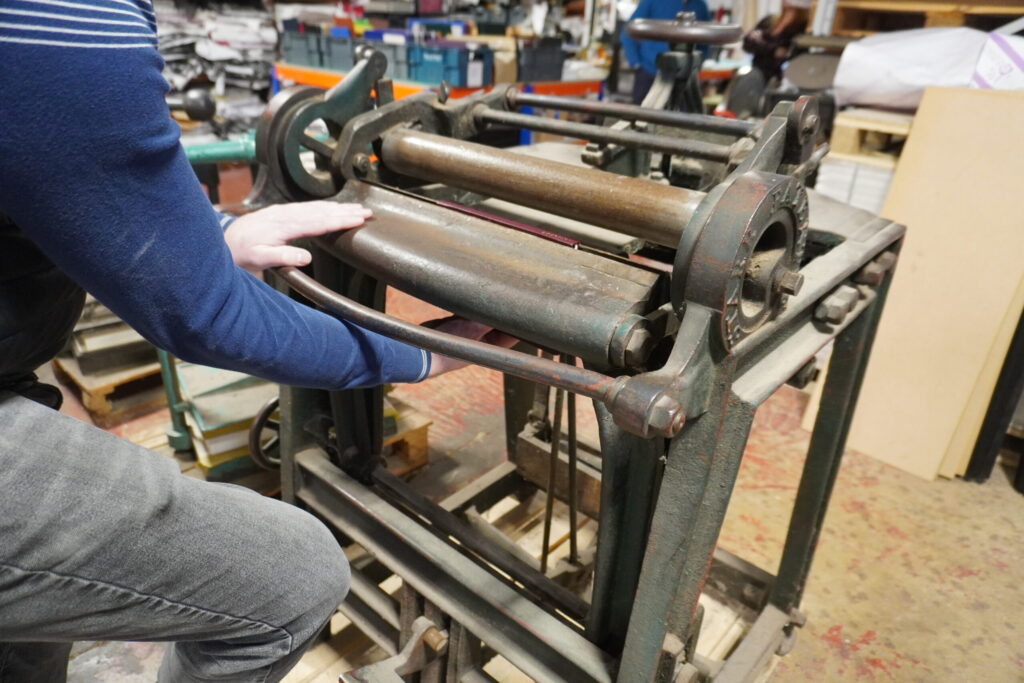
The notebooks are sandwiched between sheets of protective cardboard, and then pressed in a hand-operated press to help seal the glue. As a finishing touch, they are then pressed in a separate machine to produce an indent along the spine – the French Groove – which allows the book to open flat.
THE FINISHED BOOK
The Hummingbird Notebook is available exclusively from our shop here in a range of colours and cover finishes.
Thomas Gilbert, artist on two of the newest Ian Fleming Publications releases, talks to us about his work.
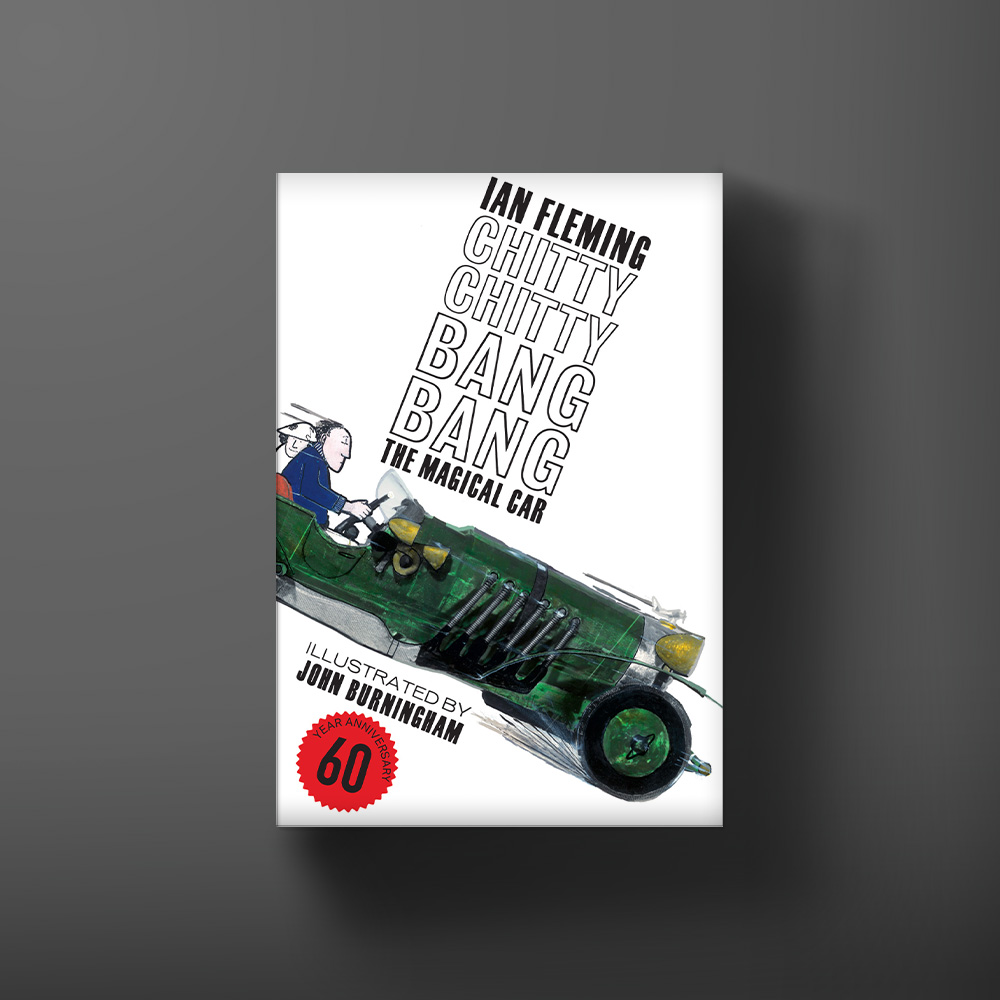
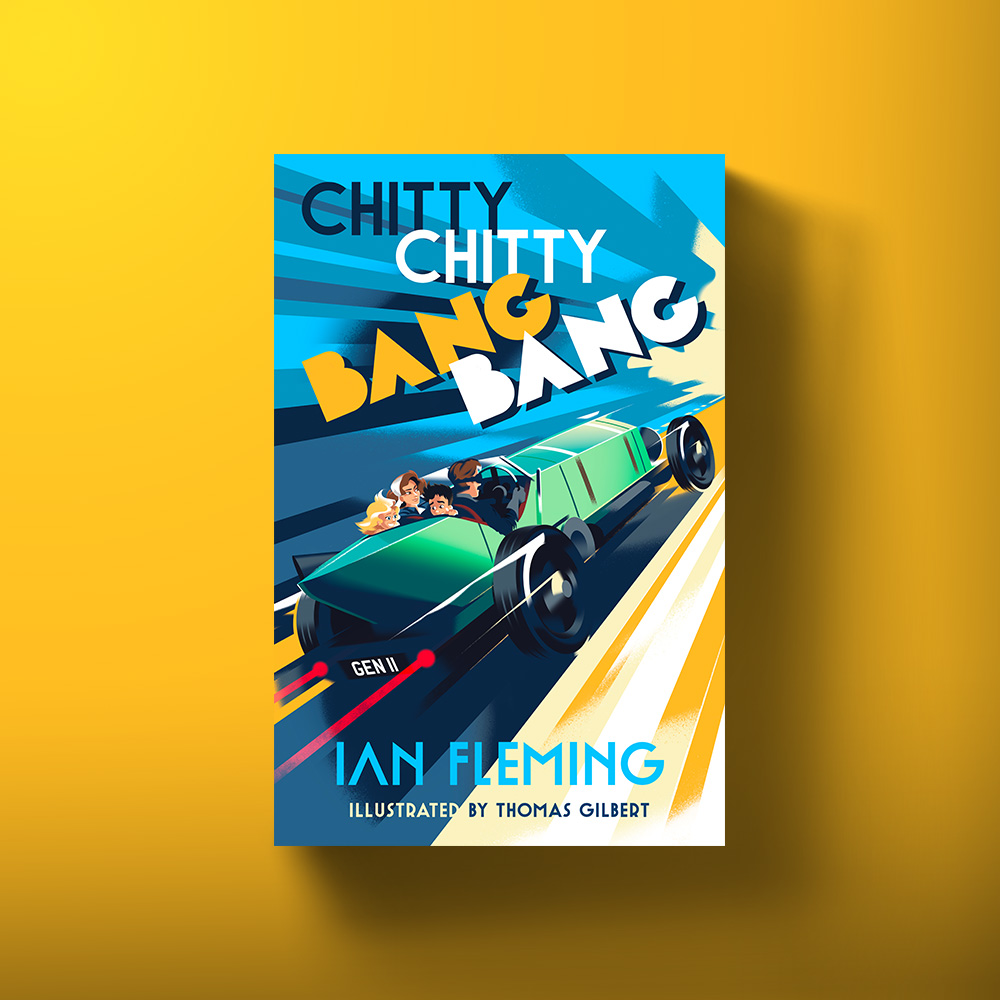
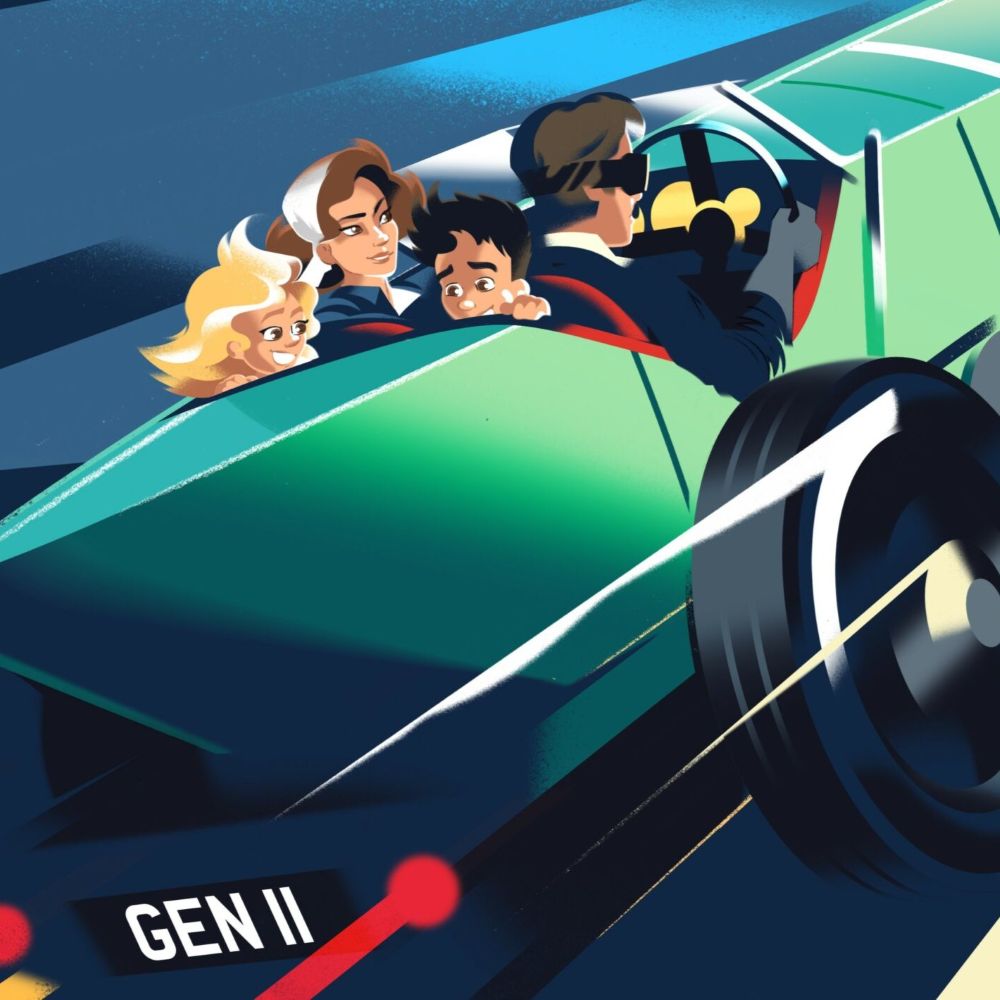
In 2024 we released a new paperback edition of Ian Fleming’s children’s classic adventure, Chitty Chitty Bang Bang. The team first came across Thomas through his striking fan covers for Fleming’s Bond novels, and fell for his bold style. Publishing Director Simon Ward says, “From the moment we saw Thomas’ work we knew he’d be perfect for this beloved book. His imagination and knowledge of Ian’s classic car is second to none.”
Thomas is a graphic artist and illustrator, based in Warwickshire, England. Working primarily in the field of poster illustration, he has a passion for modernising vintage styles through a combination of traditional and digital media. A lifelong car enthusiast, Thomas has a background in car design. He graduated with a Masters Degree from Coventry University in 2011, and has since enjoyed creating several high profile cars for iconic British marques.
“I am a lifelong fan of Ian Fleming, so to be asked to illustrate one of his most iconic books is an incredible honour. In book and film form, Chitty Chitty Bang Bang is a story which has always been close by. I grew up somewhat surrounded by vintage cars (one in particular is a lot like my family’s very own Chitty!) so the notion of a car being alive and a part of the family just naturally resonated with me from a very young age. Chitty is a wonderful story, imbued with all of Fleming’s characteristic warmth, adventure, inventiveness and authenticity – I’m very excited to be illustrating it for a new generation of young readers.”
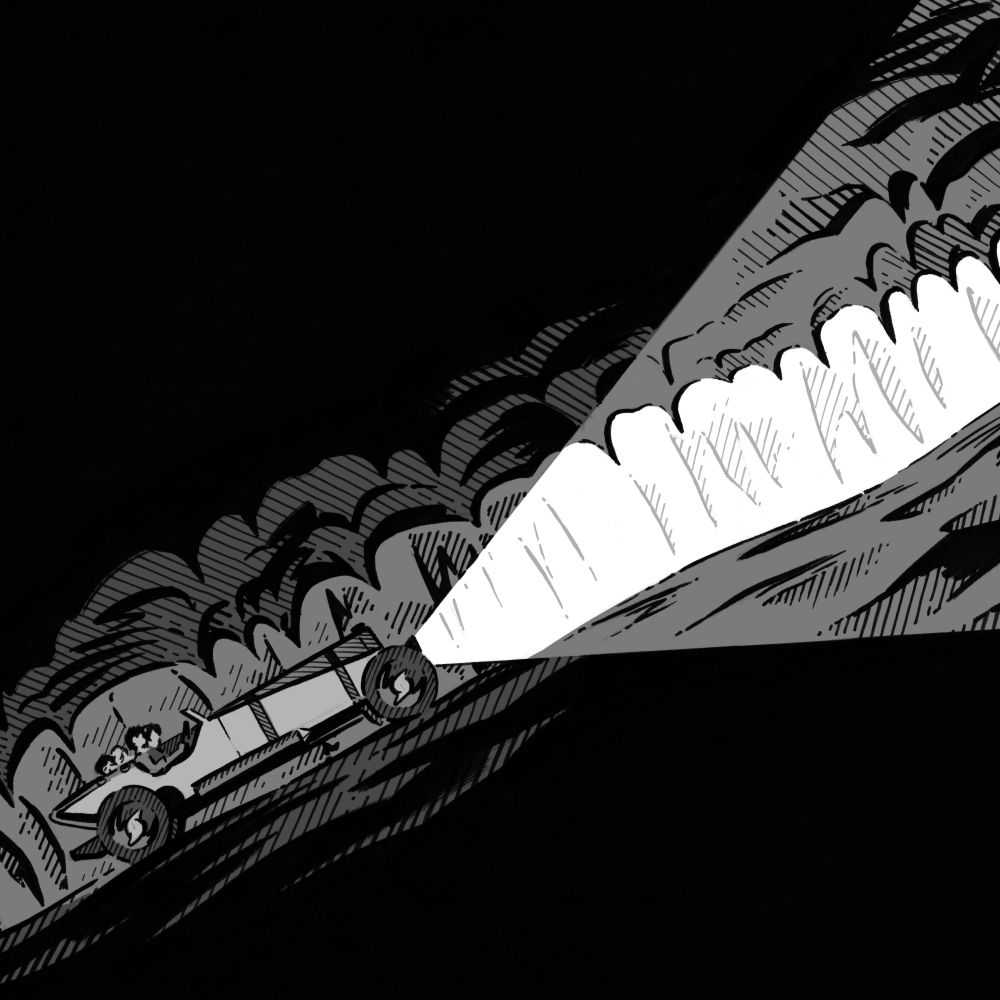
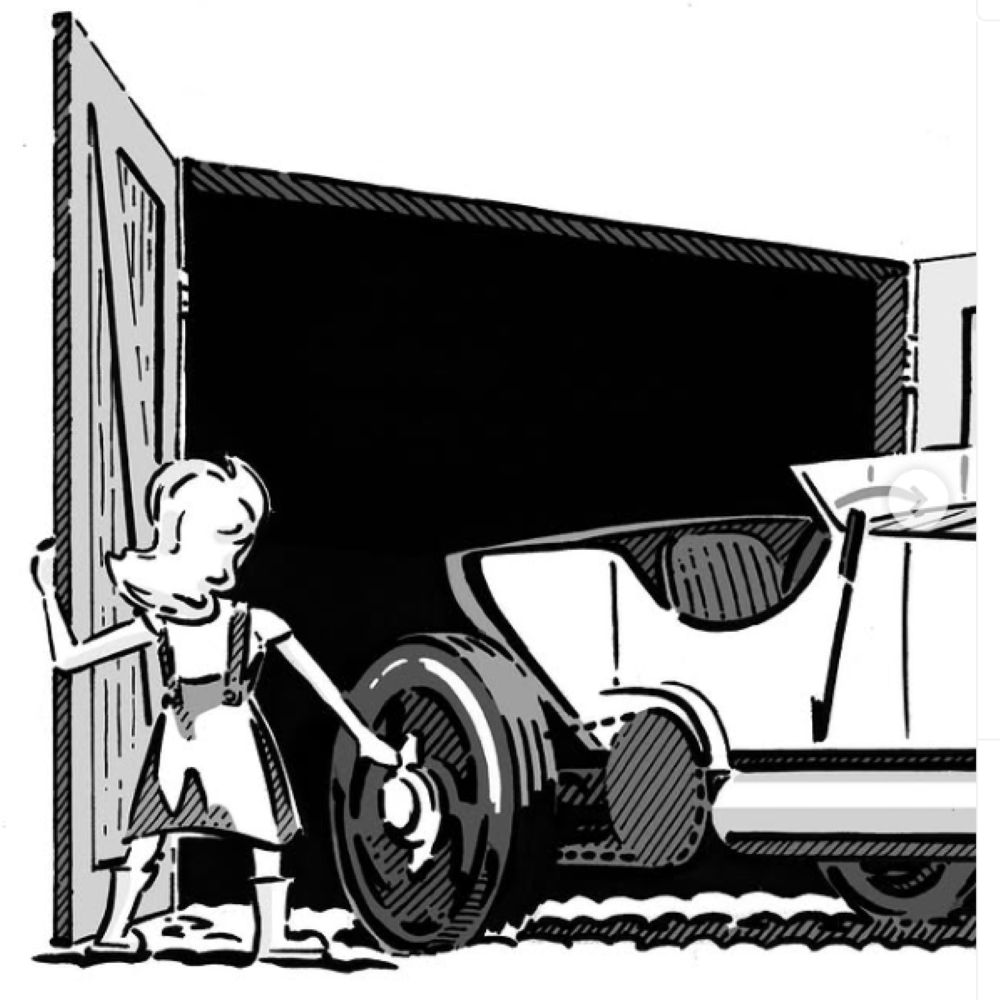
Thomas brings a vibrant new look to this treasured story, with a dynamic cover design and 30+ original black and white illustrations for the interior. Take a look at the evolution of the cover below.
“Chitty Chitty Bang Bang was inspired by a real life speed trial car. As a young boy, Ian Fleming witnessed Count Louis Zborowski driving his monstrous Chitty Bang Bang special over 100mph at Brooklands – and that is the car and the scene that he describes in the book’s foreword. So when I was preparing to illustrate the book, there was zero question for me that this HAD to be the car I would draw. It’s a brutish car, a sort of sledgehammer on wheels! But with such astonishing proportions and simple honest lines, it was a pleasure to draw. I only had to simplify the design very slightly for the illustrations, cherry-picking and combining the best of Zborowski’s various design iterations like the tapered tail and blunt heptagonal grille.”
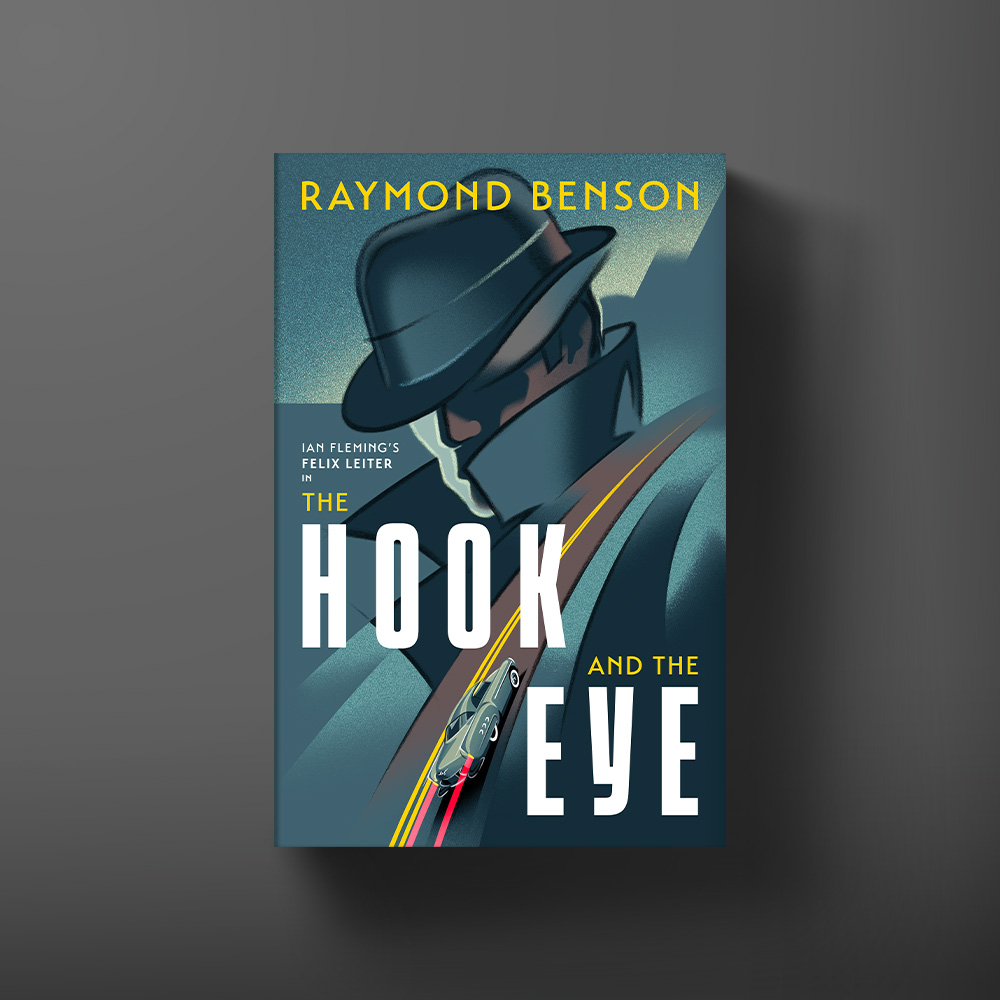
Thomas has also created the striking cover for over very first solo Felix Leiter novel, The Hook and the Eye, by Raymond Benson. This he describes as ‘a dream project’ and depicts Felix, now a private investigator in year 1952, as a mysterious figure with a noir styling.
‘When I read the manuscript of The Hook and the Eye I was struck by its lovingly hand-crafted, analogue feel. To do justice to the warmth and authenticity of Raymond’s words, I felt the cover could only be an original piece, sketched by hand. I explored some wide ranging ideas – the book was a gold mine of possibilities! Pencil on paper gives an energy and texture that can’t be replicated – most of the pencil strokes remain in the final cover art.’
Discover more about Thomas’ work and process here.
As the publishers of Ian Fleming’s literary work, we are deeply grateful to Michael G. Wilson and Barbara Broccoli for their remarkable stewardship and vision. Their imagining of James Bond on screen has created one of the world’s great film franchises and has led the incredible success of the British film industry.
We are enormously excited about the next phase of the James Bond story on film under Amazon’s creative leadership and are confident in their new stewardship of Ian Fleming’s extraordinary creation. James Bond will return!
The Fleming family would like to add to the tributes to EON and the Broccoli family – Cubby Broccoli in the early days and then Barbara and her brother Michael G. Wilson. Their achievement with James Bond is nothing less than astonishing – 25 films over a period of 60 years, all known and loved the world over. They have always respected the legacy of Ian Fleming and his words and his original depiction of Agent 007. We wish Barbara and Michael a happy future and send them our sincere thanks. We look forward to the future and await the dossier from M.
‘”There’s a big packet of smuggled stones in London at this very moment”, said M, and his eyes glittered across the desk at Bond’
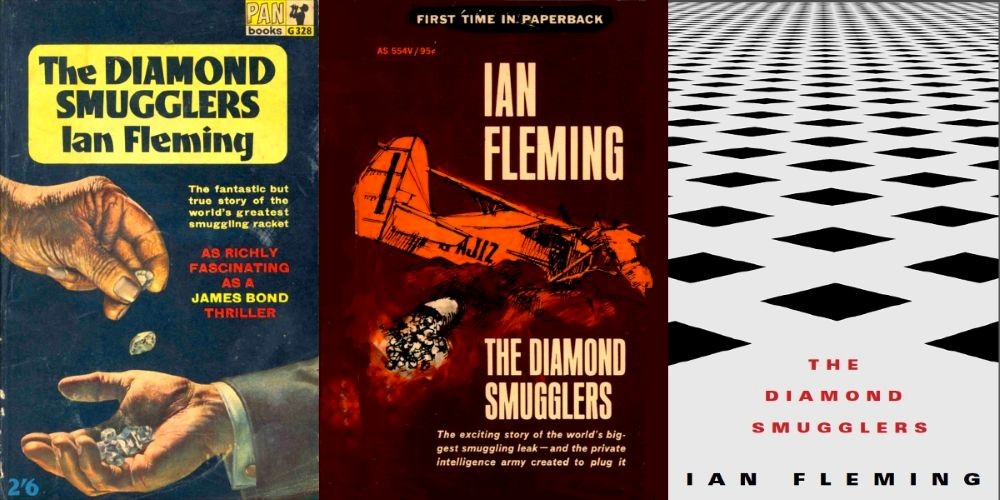
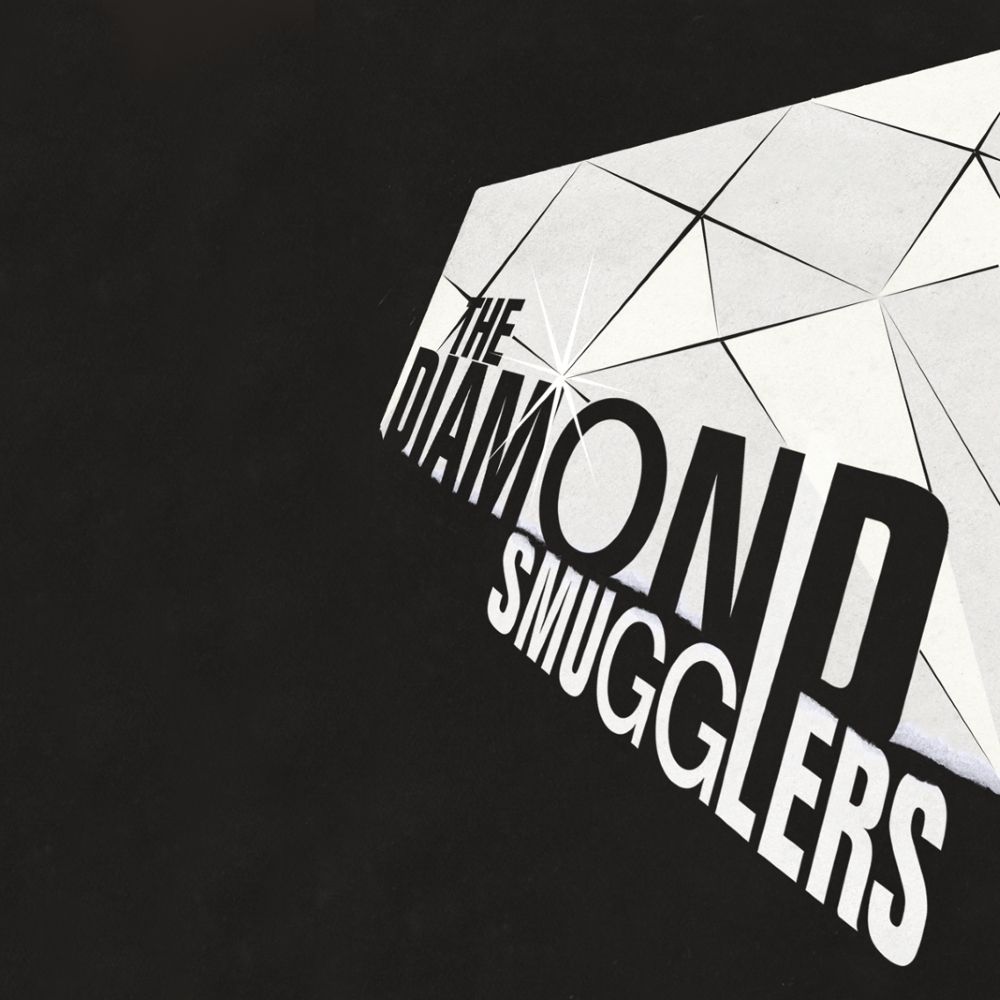
On 15th September 1957, Ian Fleming’s true account of diamond smuggling in Africa was serialised by the Sunday Times. The articles were then bound together and published as a book the following year. Sixty years on, we celebrate this fascinating piece of journalism which shows a side to Fleming’s writing career not often in the spotlight.
After a period studying in Europe, Fleming became a journalist in the 1930s for Reuters News Agency and covered stories such as the Metro-Vickers espionage trial in Moscow. After trying his hand at stockbroking and then working in Naval Intelligence during the Second World War, Fleming returned to journalism and became Foreign Manager at Kemsley News, owners of the Sunday Times. Fleming’s experience in journalism helped him to hone a quick and engaging writing formula which shaped his style as a thriller writer.
Fleming first read a story about illicit diamonds leaving Sierra Leone in the Sunday Times in 1954. The article intrigued him and he was inspired to research it for the basis of one of his James Bond stories. Diamonds Are Forever was published in 1956 and the following year, Fleming was invited to write an account of the experiences of a real-life diamond spy, resulting in The Diamond Smugglers.
Here, Fergus Fleming, writer and Ian Fleming’s nephew, takes us behind the book.
When The Diamond Smugglers was first published Ian Fleming had a copy bound for his own library. On the flyleaf, as was his custom, he wrote a short paragraph describing its genesis. It started with the alarming words: “This was written in two weeks in Tangiers, April 1957.” As the ensuing tale of woe made clear, he didn’t consider it his finest fortnight. He ended with the dismissive verdict: “It is adequate journalism but a poor book and necessarily rather ‘contrived’ though the facts are true.”
It should have been a golden opportunity. The Sunday Times had acquired a manuscript from an ex-MI5 agent called John Collard who had been employed by De Beers to break a diamond smuggling ring. Fleming, whose Diamonds Are Forever had been one of the hits of 1956, was invited to bring it to life. Treasure, travel, cunning and criminality: here were the things he loved. Flying to Tangier – home to every shade of murky dealing – he spent ten days interviewing Collard, for whom he had already prepared the romantic pseudonym “John Blaize” and the equally romanticised job description of ‘diamond spy’.
The glister tarnished swiftly. He visited neither the diamond fields of Namibia or Sierra Leone, with which the story was primarily concerned, but sat in the Hotel Minzah typing up his notes. It rained constantly and he found the landscape dull. There was little scope for literary flair, his more extravagant flourishes being blue-pencilled routinely by Collard. When the final version was serialised by the Sunday Times in September and October 1957 further material had to be excised under threat of legal action by De Beers. “It was a good story until all the possible libel was cut out,” Fleming wrote gloomily.
Yet if The Diamond Smugglers was a disappointment to its author it still contains flashes of Fleming-esque magic. Amidst the Tangerian alleys he strays unerringly to the thieves’ kitchen of Socco Chico, “[where] crooks and smugglers and dope pedlars congregate, and a pretty villainous gang they are.” Travelling with ‘Blaize’ to the Atlantic coast, he encounters a forest of radio masts – still one of the world’s communication hubs – where they “could imagine the air above us filled with whispering voices.”
Later, as they walk down the beach they stumble (literally) on a shoal of Portuguese Men of War driven ashore by a storm. Alone on the tip of Africa, with the coast stretching 200 miles to Casablanca, the sea running uninterrupted to America, and a carpet of jellyfish beneath their feet, the two men conduct what has to be one of the most surreal interviews in history. “It amused Blaize to stamp on their poisonous-looking violet bladders as we went along,” Fleming wrote, “and his talk was punctuated with what sounded like small-calibre revolver shots.”
Today The Diamond Smugglers is one of Fleming’s least known works. But in its time it was one of his most commercially valuable. It sold in its hundreds of thousands. No sooner was it in print than Rank bought a film treatment for the princely sum of £12,500. (Further misery: he had to split the proceeds with Collard and the Sunday Times.) Nothing came of the project. But in 1965, by which time Fleming was dead and Bond a worldwide phenomenon, it flared briefly into life. Items concerning its progress featured in the press: a thrusting young producer had it in hand; John Blaize would emerge as a new Bond-like character; Kingsley Amis had been hired to write the script; the drama would be intense. After a while the announcements became slightly plaintive. And then they stopped.
More than forty years later it remains something of a conundrum; a journalistic chore that its author disliked but which nevertheless became a best-seller and very nearly his first film; a book that is neither travelogue nor thriller but combines the discarded hopes of both; a tale of international intrigue and exploding jellyfish that leads to the final question: “Who wouldn’t rather play golf?”
It is a wry, unplaceable thing, but all the more interesting for that. Certainly it doesn’t live up to Fleming’s self-damning critique. Take this sentence from the opening paragraph:
“One day in April 1957 I had just answered a letter from an expert in unarmed combat writing from a cover address in Mexico City, and I was thanking a fan in Chile, when my telephone rang.”
If you’re given a line like that you can only read on.
Fergus Fleming is the author of The Man with the Golden Typewriter: Ian Fleming’s James Bond Letters.
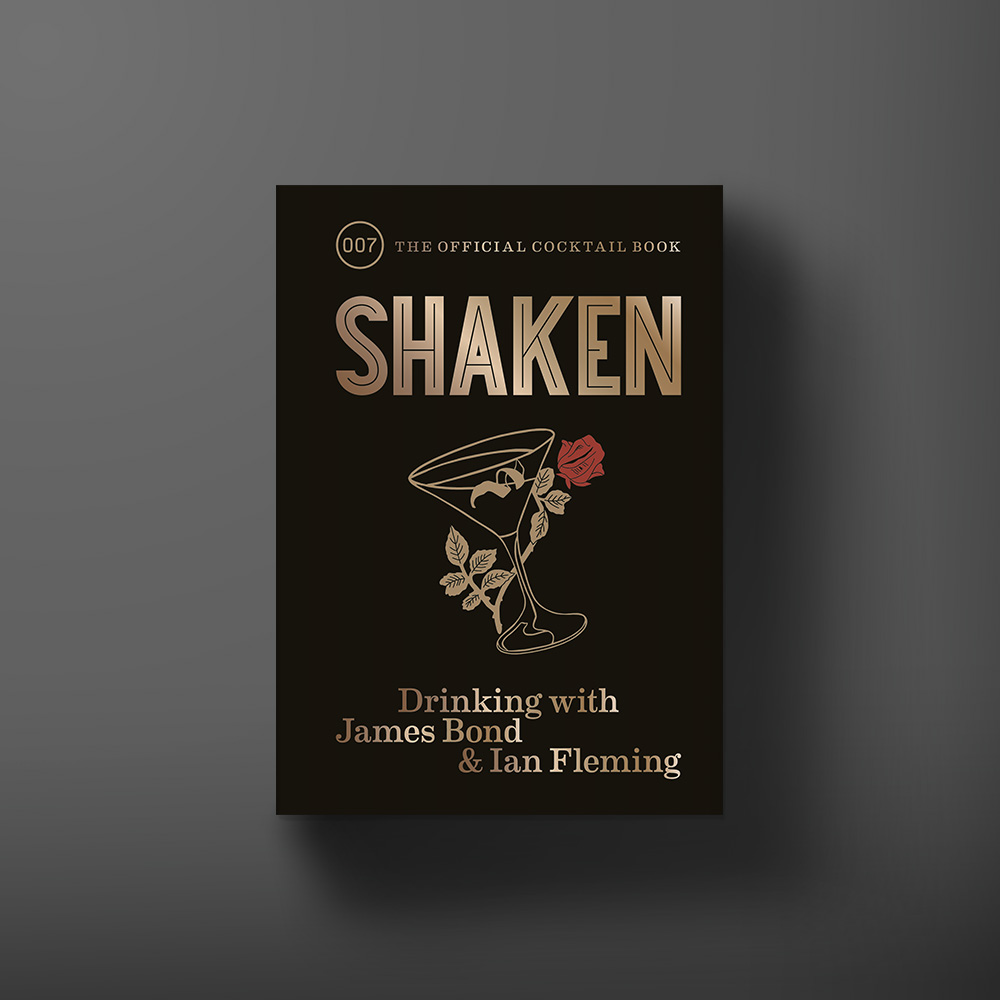
Meet cocktail maestro Edmund Weil, part of the team behind essential cocktail book, Shaken: Drinking with James Bond and Ian Fleming. A distant relative of Ian Fleming, Edmund introduces a range of James Bond and Ian Fleming inspired cocktails to make at home, presenting each recipe with knowledge and passion for both the literary connection and the art of mixology.
The book is the work of experienced bar keepers – and real life husband and wife team – Edmund Weil and Rosie Stimpson, together with bar industry legends Bobby Hiddleston and Mia Johansson. Here we talk to Edmund about how the project came together and what makes the perfect cocktail.
We love the detail behind each drink – something that Fleming himself was particular about in his own books. How did you achieve this?
The selection of passages from the books and the names and themes selected by Ian Fleming Publications made it a real pleasure to research and execute the cocktail creation and write them up. In my experience it is much easier to create the perfect cocktail with a clear framework; whether it’s a theme for a menu, or thinking about a very particular clientele, or as in this case a literary inspiration.
How did you first get involved in the world of speakeasies?
My wife Rosie and I have always loved vintage style and music; that was always going to be the basis for our dream of opening a bar. Our first bar, Nightjar, was also located underground with an unassuming doorway between a café and a chicken shop, so the concept of a hidden bar really lent itself to the space. Luckily the drinking public at the time were also very taken by the speakeasy concept and the craft cocktail revolution, so it became very popular very quickly.
All of your bars, Nightjar, Oriole and Swift are named after birds. What was the inspiration?
My grandfather, who was Ian Fleming’s cousin, had a great passion for birds and passed that on to me. It was very interesting to learn while researching this book that this passion was shared by Ian Fleming himself. His descriptions of nature (and birds in particular) are rivalled only by his descriptions of food and drink.
How have drinking habits changed from Ian Fleming’s day in the 1950s to now?
By the 1950s the first golden age of the cocktail was already on the wane. Prohibition, followed by the 2nd World War, had eroded much of the cocktail knowledge and finesse that had built up during the Belle Epoque. Fleming, on the other hand, was a greater connoisseur than most. Some of his preferred methods are a little unorthodox by today’s standards (you won’t find too many bartenders shaking their martinis for instance!). Perhaps the biggest societal change however is quantity; if you look at Bond’s alcohol consumption over the timeframes of the novels it works out at about 92 units per week! Today’s drinkers are as a rule, more abstemious and more discerning, which means that creating special but responsible drinking experiences for guests is the biggest challenge for bar operators.
What makes the perfect cocktail?
The perfect cocktail must have excellent ingredients, which need to be mixed in harmony and balance. With some ingredients (especially pungent amari) even a few drops can change the balance of a drink completely. Likewise it is often the simplest of drinks in which that harmony is hardest to attain. That’s why I would advise any budding cocktail-maker to always taste their drinks before serving. This gives the chance to rebalance the drink if it’s off.
Which of the 50 cocktails in the book is your personal favourite?
I’m a sucker for ‘stirred down and brown’ drinks with pungent flavours, so the Trueblood is high on the list. It’s based around barrel proof blended Japanese whisky, with strong support coming from Campari, crème de dassis and sweet vermouth. The perfect after-dinner digestif.
Which of the recipes would you suggest a cocktail beginner start with?
The Moneypenny is an excellent choice. A rose and cucumber-tinted Collins, it’s refreshing and easy on the palate, but still has enough flavour elements to turn someone on to the joy of mixing drinks.
Which is best for a party?
Without doubt the Old Man’s Thing. Adapted from a punch that Ian Fleming would serve to his guests at GoldenEye, it is a delicious classic rum punch with a theatrical element in the flaming float of overproof rum.
Do you have a favourite literary Bond character?
Tiger Tanaka. The ultimate badass.
And a favourite Bond novel?
Casino Royale – it is the grittiest and most realistic of the Bond novels (he even falls in love!). I love the vividness of the gambling scenes and Vesper Lynd is a fantastic femme fatale.
Check out Shaken: Drinking with James Bond and Ian Fleming for yourself in our shop.
Have you read Ian Fleming’s children’s adventure story? David Lowbridge-Ellis MBE thinks you should. Read on to hear why.
As with Bond, most people’s first encounter with that other great Fleming creation, Chitty Chitty Bang Bang, is through the film version. It’s an admirable adaptation and it still works, nearly sixty years down the road from its first release. I recently rewatched it with my niece (age seven, going on 17) and nephew (aged four, obsessed with anything that goes on four wheels) and they enjoyed it immensely, as did I.
But I’ve spoken with so many avowed fans of Fleming – people who have read all fourteen Bond books cover to cover ad infinitum – who have never even picked up a copy of Chitty Chitty Bang Bang, let alone read one. Why? The obvious answer is that Chitty doesn’t feature the character of James Bond. But there are several Fleming ‘James Bond’ stories where 007 barely features. See for instance, Quantum of Solace and Octopussy, widely acclaimed as two of his best (and two of my personal favourites). Even more so than Bond himself, many of us are attracted to Bond’s world. As anyone who has read Chitty Chitty Bang Bang already knows, all of Fleming’s works take place in the same milieu.
Perhaps Bond fans resist reading Chitty because it’s pigeonholed as a children’s book. But this argument holds less water than it once did. There’s a growing recognition that reading books intended for children doesn’t merely reconnect us to our childhoods in a nostalgic way. Rather than infantalising us, reading the odd children’s book every once in a while is good for us, reminding us of what we once thought we might be capable of, before our imaginations were stifled by adulthood, thereby motivating us to make more ambitious life choices.
WH Auden – incidentally a big Fleming Bond fan – summed it up best: “There are good books which are only for adults, because their comprehension presupposes adult experiences, but there are no good books which are only for children.”
As someone who read their first Fleming Bond book aged eight, I can attest to some of the ‘adult experiences’ in Thunderball being beyond my comprehension! Had I instead taken Chitty Chitty Bang Bang into school as my reading book I would no doubt have provoked less eyebrow-raising from my teacher.
But the worlds of Chitty and Bond are not as different as they first appear. While we’re currently going through a golden age of multiverses in popular media, Chitty and Bond are recognisably part of the same universe, even a shared universe.
There are treasures aplenty in Chitty for hunters of Bond Easter Eggs. I won’t spoil it for those about to embark on their first reading, but much of the action of the first section takes place in territory familiar to fans of Fleming’s Moonraker. And later in the story, the Pott family check into a hotel that anyone who has read Casino Royale will recognise immediately.
The Pott family’s patriarch, Commander Caractacus Pott, not only shares Bond’s Royal Navy rank but also his predilection for bacon and eggs. He’s more of a free-spirit than Bond, living a precariously-impecunious existence. But although Pott didn’t follow Bond’s career path into salaried civil servitude, you could easily imagine them having served together in the Second World War.
Commander Pott is the character who Fleming has vocalise his own personal credo (which Fleming himself inherited from his mother):
“Never say no to adventures. Always say ‘yes’, otherwise you’ll lead a very dull life.”
While Fleming never has Bond himself say this, the principle underpins the whole of the Bond series. We all know how quickly his 007 goes off the rails whenever boredom appears on the horizon. His you only live once (or possibly twice) attitude to life is something many Bond fans seek to emulate. If anything, Chitty Chitty Bang Bang is an even purer distillation of Fleming’s carpe diem philosophy. Midway through the story, after the Pott family realise they are in very real danger, the response of their patriarch is to cheerfully announce: “You never get real adventures without a bit of risk somewhere.”
Like all of the best books primarily intended for children, Chitty Chitty Bang Bang doesn’t skimp on putting its heroes at risk. By turns they face many of the threats Bond faces down throughout his adventures, being almost drowned, electrocuted, shot and blown to smithereens. An encounter with a human skeleton is genuinely creepy for readers of all ages. One of my favourite passages is the Pott family sailing Chitty – in her hovercraft form, years before 007 rode an inflatable gondola through Venice in the film of Moonraker – through spooky shipwrecks. Here, and throughout the novel, Fleming’s imagery is as uncanny as it ever is in the Bond series.
The villains are more grounded than those of the film adaptation, but no less colourful. As with his Bond books, Fleming revels in using underworld argot, deploying it with brio. The difference with Chitty is he stops to explain what the slang terms mean to younger – or less criminally-conversant – readers. Who knew there were so many terms for high explosives? If this all sounds a bit patronising, don’t fear; when I re-read Chitty recently, I found all of the direct addresses to the reader gave the whole book a surprisingly (post)modern feel, certainly compared with other children’s books from the 1960s.
Even when writing for adults, Fleming was never afraid to slip into the declarative mood, explaining things to us – food, drink, vehicles, weapons, architecture – like a patient and ever-so-knowledgeable teacher. As escapist as the Bond books are, they are also great infotainment. A standout example in Chitty is Fleming’s veritable essay on how a French breakfast differs from an English one, which even present day readers who are well aware of the meaning of cafe au lait will find satiating.
Fleming knows exactly what he is doing. His omniscient narration is so playful, you can’t help but get drawn in. Rather than explain everything about the villain’s plan in tedious detail, he tells us this is “more or less” what they’re up to, cobbled together from overheard conversations by young heroes Jeremy and Jemima, who are both given more agency as the story progresses. This is childhood as we choose to remember it: with the boring bits cut out.
As adult readers, we take delight in Fleming’s playful asides (was there ever a book with more parentheses?). It’s also a joy to read Fleming doing what he rarely dares to do in the Bond series: undercutting the seriousness. You can see this as soon as the opening sentence. As ever with Fleming, the book’s opener is a punchy and perfectly formed conglomeration of clauses – but here there is a wry and very relatable toffee-related twist in the tail.
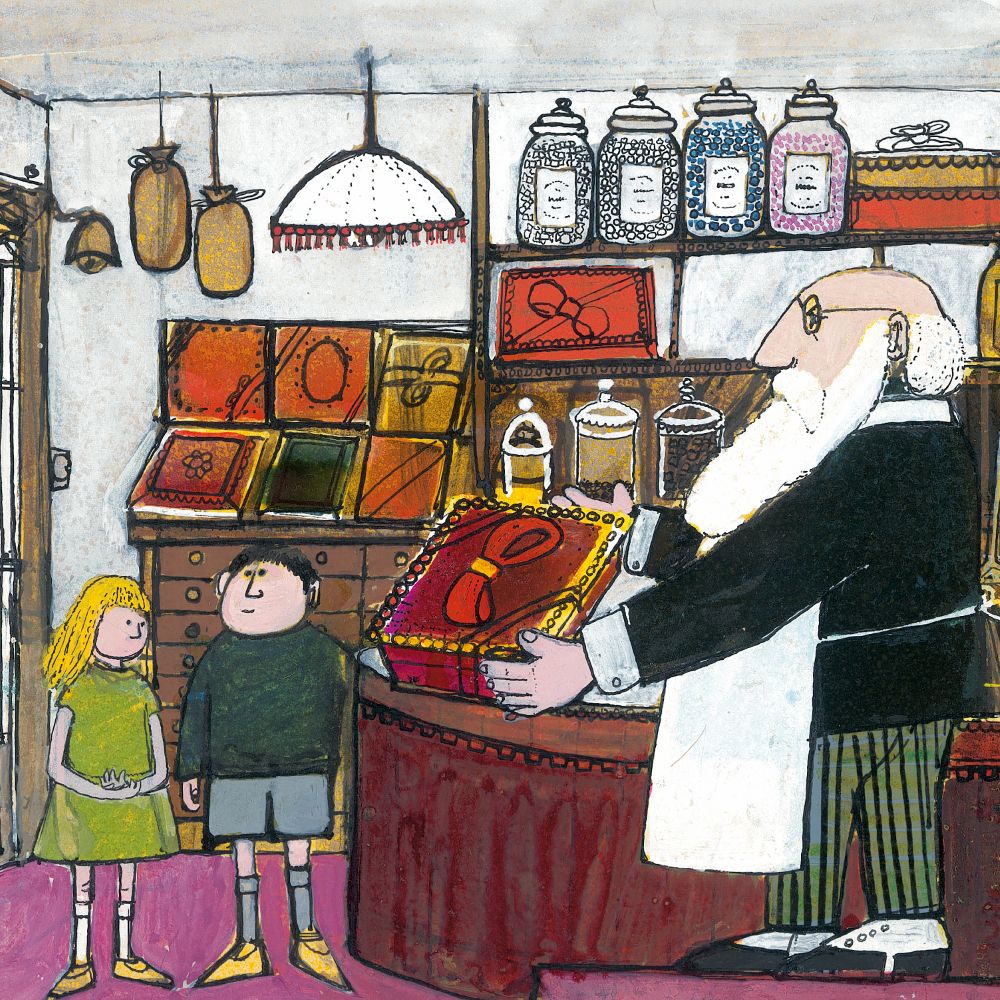
The spectre of confectionery looms large across the whole story. In the world of Bond, sweet things are associated with childhood memories (most notably in the opening to On Her Majesty’s Secret Service). In Chitty, sweets are the story, culminating in an “easy to make and absolutely delicious” fudge recipe (folded more organically into the story than Ian’s recipe for scrambled eggs in 007 in New York, the raison d’etre of that particular short story/apology to the denizens of NYC).
As ever with Fleming, the women are a force to be reckoned with. This is as far from a ‘boy’s own’ story as you can imagine. Young Jemima has just as much – if not more – agency than her twin brother Jeremy. She’s certainly more of a strategist than her male counterpart, preferring to think her way out of problems. Jeremy is more content to follow his first impulse and suggest blowing things up. There are definitely shades of the male/female dynamics at play at the end of Fleming’s Moonraker, with Jemima emerging as a younger version of Gala Brand.
But the ‘Bond Girl’ of the piece is, of course, Chitty herself. Early on, we have Commander Pott picking apart why we use female pronouns for “all bits of machinery that people love”. And Chitty – anthropomorphised throughout – is more than capable of giving this love back in return. After escaping not-quite-unscathed from an adventure, she is “quite happy being attended by a host of admiring French mechanics”. Oooh la la!
In a 1956 letter to Raymond Chandler, Fleming described his own books as “pillow fantasies of the bang-bang, kiss-kiss variety”. There is nothing approaching kiss-kiss action in Chitty, but we do get a lot of bang bang.
While Chitty was generally well-reviewed on its original release in 1964, John Rowe Townsend in The Guardian was one of the dissenters. He sniffily observed that “we have the adult writer at play rather than the children’s writer at work.”
Needless to say, generations of children have disagreed with him. And to my adult ears, although Townsend didn’t intend his comment to be taken as ringing endorsement, this is what it sounds like to me! As an adult reader well-versed in Fleming’s other work, it’s a joy to read Fleming in more playful mode, especially considering the circumstances that attended the writing. When Fleming wrote Chitty Chitty Bang Bang, he was recovering from a heart attack, unable to have any adventures beyond those in his own head. Chitty had been going around in his brain for years; it started life as the bedtime story he told his son Caspar. Even though Fleming was far from firing on all cylinders physically, his imagination was driving away with him. Forbidden by doctors to use a typewriter, he wrote the whole of Chitty in pencil. Writing provided him with some sorely needed escapism.
Anyone thinking they shouldn’t bother reading the book of Chitty Chitty Bang Bang because they’ve already seen the film would do well to remember how different experiences the Bond books are from the Bond films. The film of Chitty was produced by Albert R. Broccoli, co-written by You Only Live Twice screenwriter Roald Dahl and features several Bond film alumni in the cast. While technically not an Eon production (Harry Saltzman did not co-produce) it’s almost as Eon-ised a version of Fleming’s world as the one depicted in the Eon Bond films.
Both the book and film of Chitty are adventures well worth saying yes to.
Fleming himself appeared to be uncertain about whether he had succeeded in writing Chitty for children, telling his publisher “Heaven knows what your children’s book readers will think of them”. Self-deprecating as ever about his literary talent, he nevertheless rallied sufficient courage to nail his colours to the mast, adding “they are in fact designed for a readership of around seven to ten”.
Whatever one’s age, Fleming’s original text is well worth reading in its own right, especially if you’re a Bond fan.
David Lowbridge-Ellis MBE is a lifelong Bond fan, a teacher by vocation and the creator of the Licence to Queer. Launched in 2020, the website, podcast and social channels are on a mission to uncover why James Bond appeals so much to the LGBTQIA+ community. David always intended Licence to Queer to reach the widest possible audience, not just people who identify as LGBTQIA+. To that end, Licence to Queer straddles the line between being educational and fun.
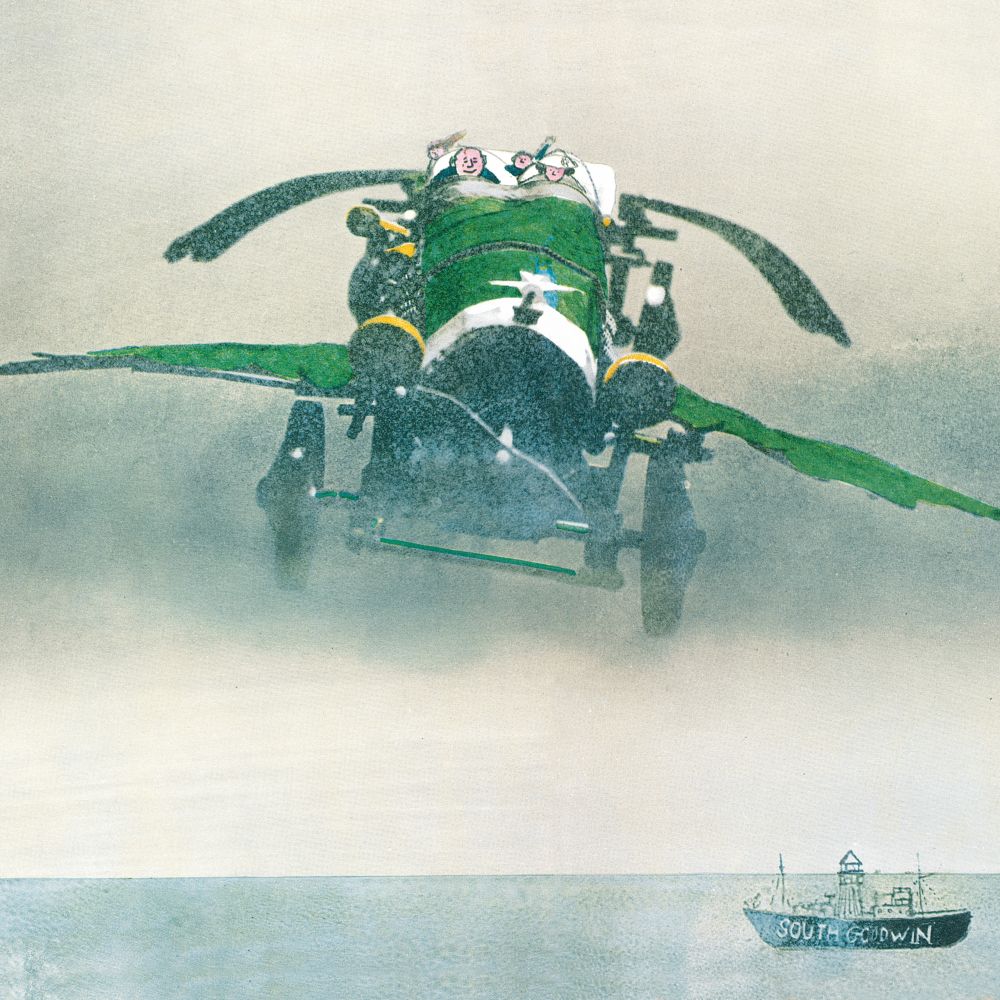
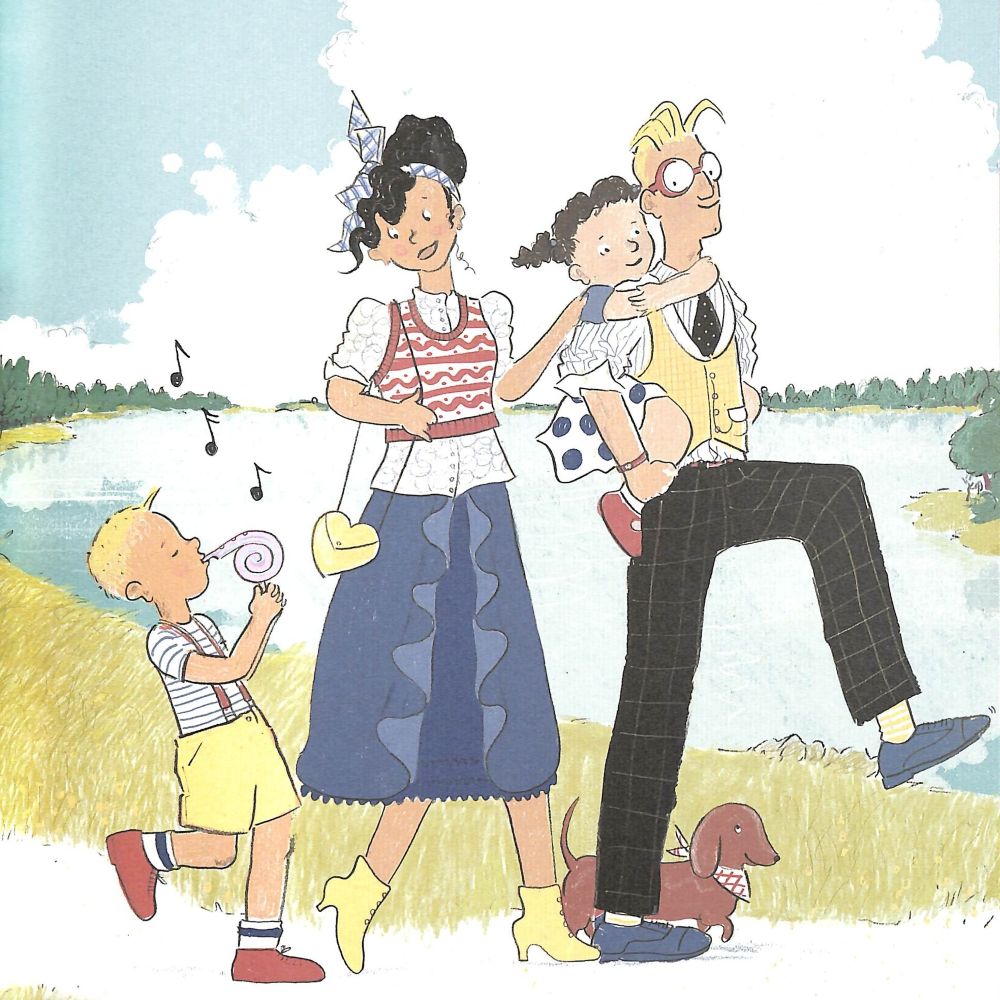
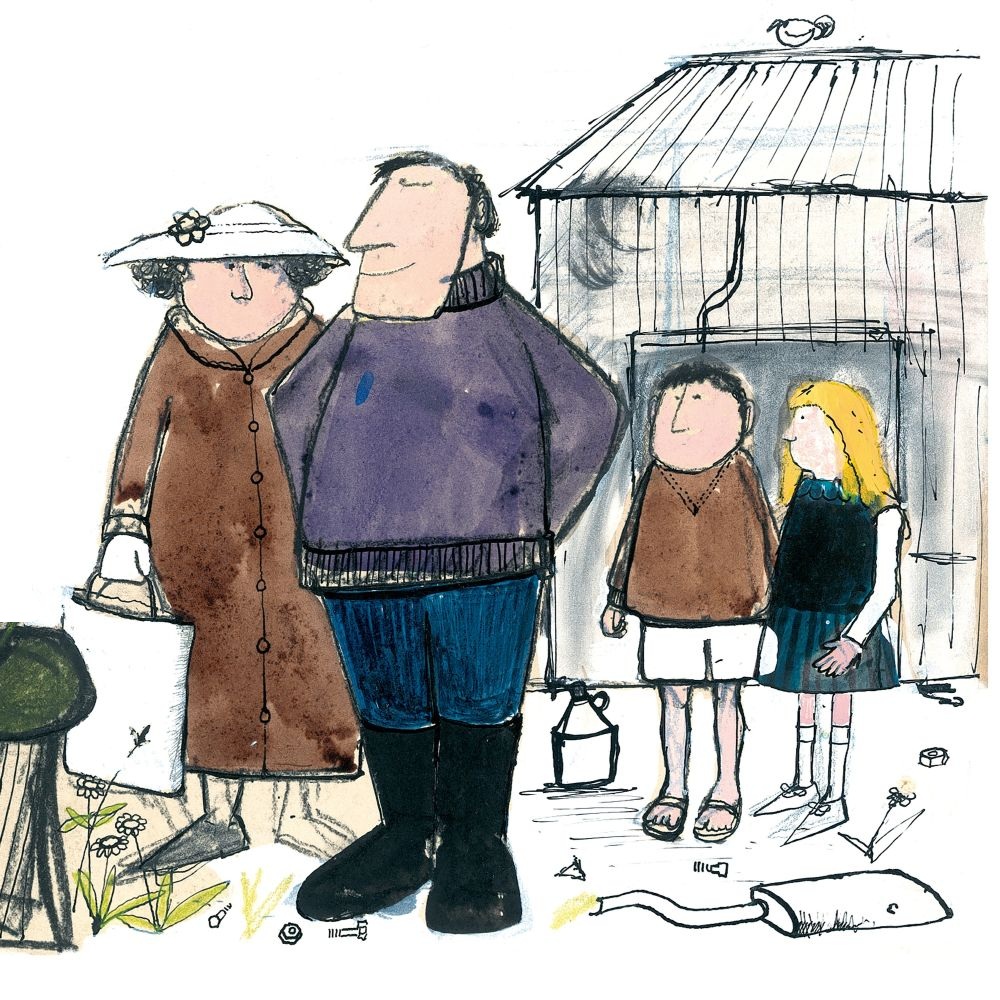
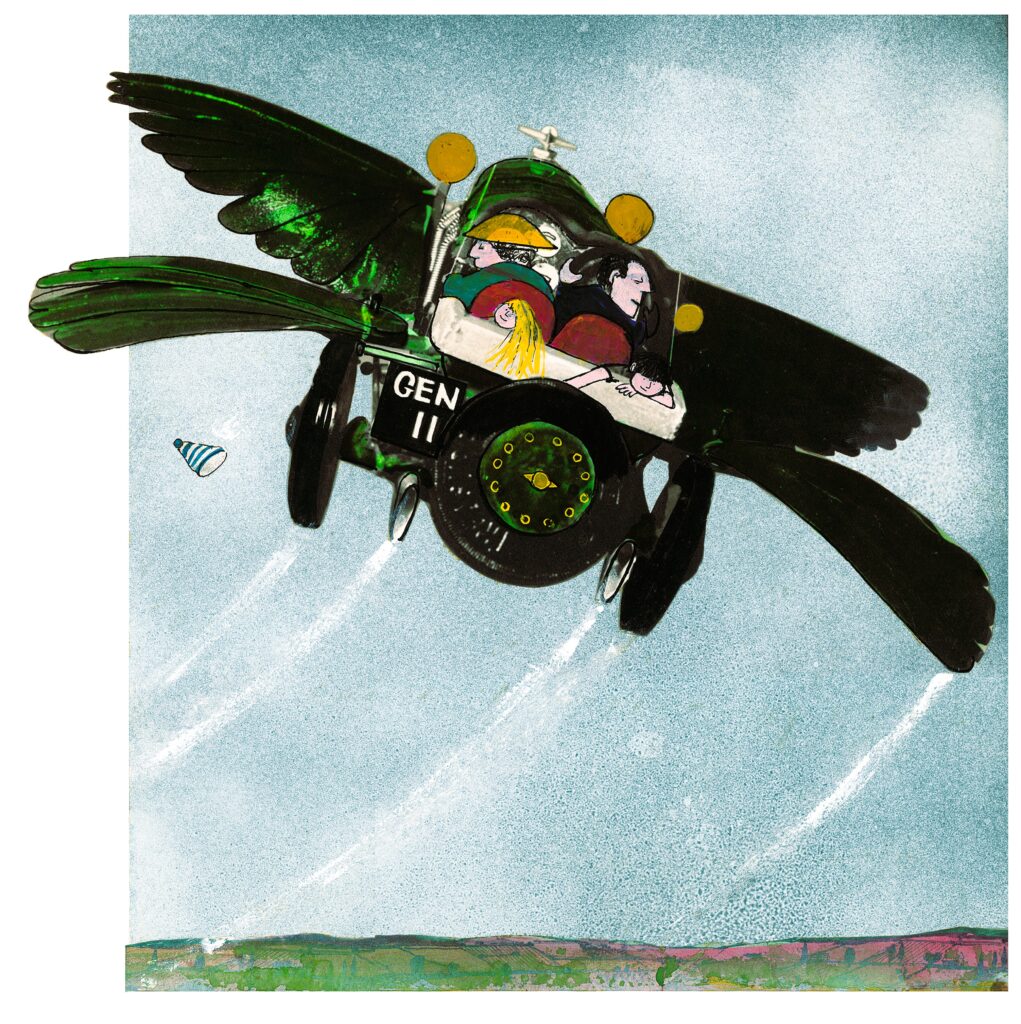
When Chitty Chitty Bang Bang was first published in 1964 it featured original illustrations by John Burningham. Burningham had been the recipient in 1963 of a Kate Greenaway Medal for his illustrations in his book Borka: The Adventures of a Goose With No Feathers and he would go on to win many more awards throughout his long career, creating books beloved by generations.
The initial artist in the frame for Chitty Chitty Bang Bang was Wally Fawkes, better known as ‘Trog’. Fawkes was the cartoonist for the Daily Mail and his work was far more in the mold of caricature and surrealism, which, whilst suiting the eccentricity of the Potts clan, may not have appealed to all ages. To Ian’s mind, the ideal reading group was children aged seven to ten and while Trog’s iconic ‘Flook’ character had started as children’s comic strip it had by the Sixties already begun to appeal more to parents, with its sardonic, satirical tone.
Getting the image of the car itself right was of utmost importance to Ian Fleming and to this end he himself sent the only copy of the manuscript he had available to his old friend Amherst Villiers. Villiers was an automotive and aeronautical designer and in addition to designing the car that broke the land speed record in 1927, he developed a supercharger that could be successfully fitted to a Bentley – which is exactly what James Bond drove in his earliest prose adventures. Fleming asked Villiers to try his hand at Chitty, with specific instructions as to the technology of the car and its appearance. Making this magical car a tactile vehicle – with gadgets and engineering based in reality rather than fairy land – was crucial to the character of Chitty. This distinction bases the car so beautifully in reality and gives children a relatable place to begin before they and the Potts family get whisked away to France.
Villiers could not commit to providing illustrations for the book, so the mantle then fell to Haro Hodson, a war artist and cartoonist working with the Observer when Chitty landed on his desk. Haro – who died in February 2021 at the age of 97 – shared a mutual friend with Ian Fleming in the form of Noël Coward. His sophisticated, Indian ink drawings still ooze style half a century later and he was able to offer some preliminary designs for the Chitty manuscript.
By the time John Burningham was brought on it was late 1963 and his artwork was what finally brought the magical car to life on the page. Ian Fleming died in May 1964, with the book first published in a staggered release in the UK from October that year until January 1965.
The film adaptation took flight in 1968, with the titular car designed by the legendary production designer Ken Adam, whose work was already synonymous with Fleming due to his James Bond movie sets. A novelisation of the movie was also published but not with illustrations.
In 2002 the stage production of the film used a car prop that has been listed in the Guinness World Records as the most expensive stage prop ever and now reportedly resides in film director Peter Jackson’s collection.
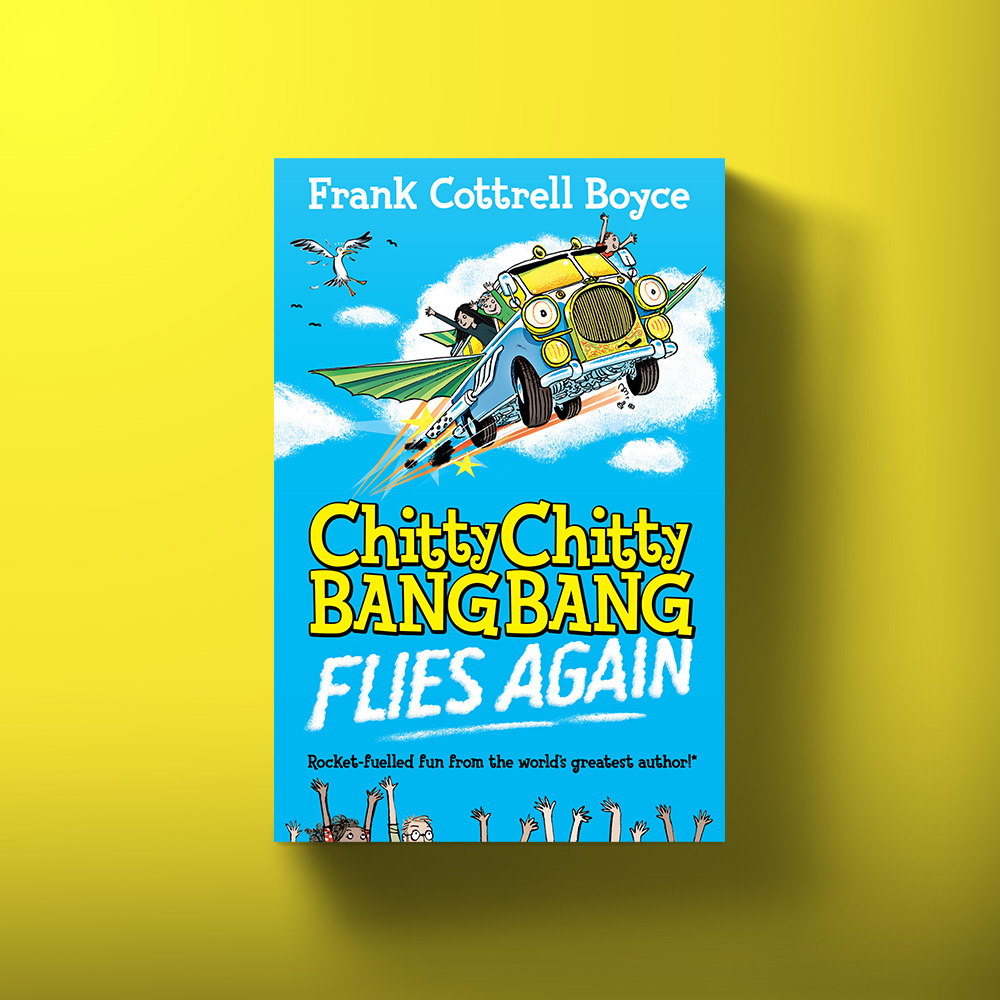
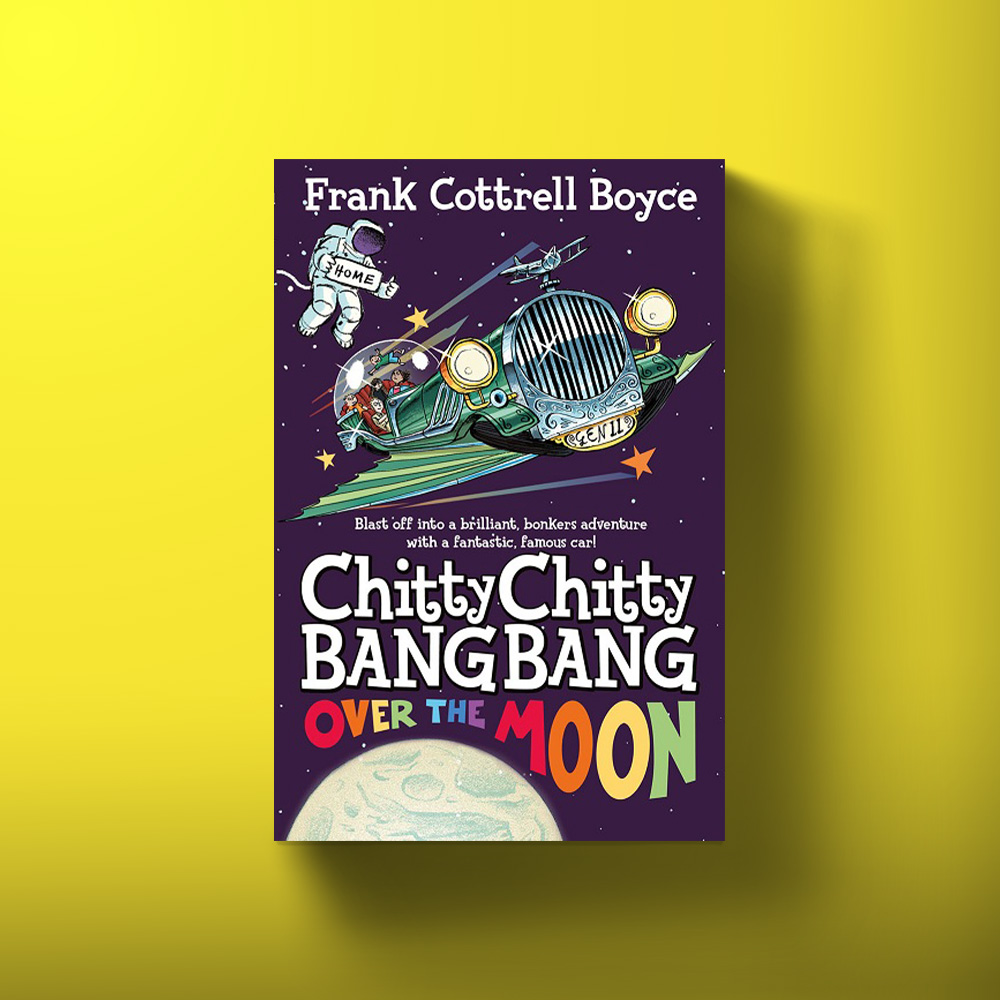
While the original novel was published with designs by different artists over the years, Chitty was reinvented on the page in 2011 in the official book sequel by Frank Cottrell Boyce Chitty Chitty Bang Bang Flies Again. The all-new illustrations for what became a trilogy of books were by Joe Berger. Berger’s line is dynamic, full of adventure but with wonderfully detailed technology that Amherst Villiers would no doubt pore over. Berger also illustrated a new edition of the original Fleming classic, bringing 21st century colour and action to new readers.
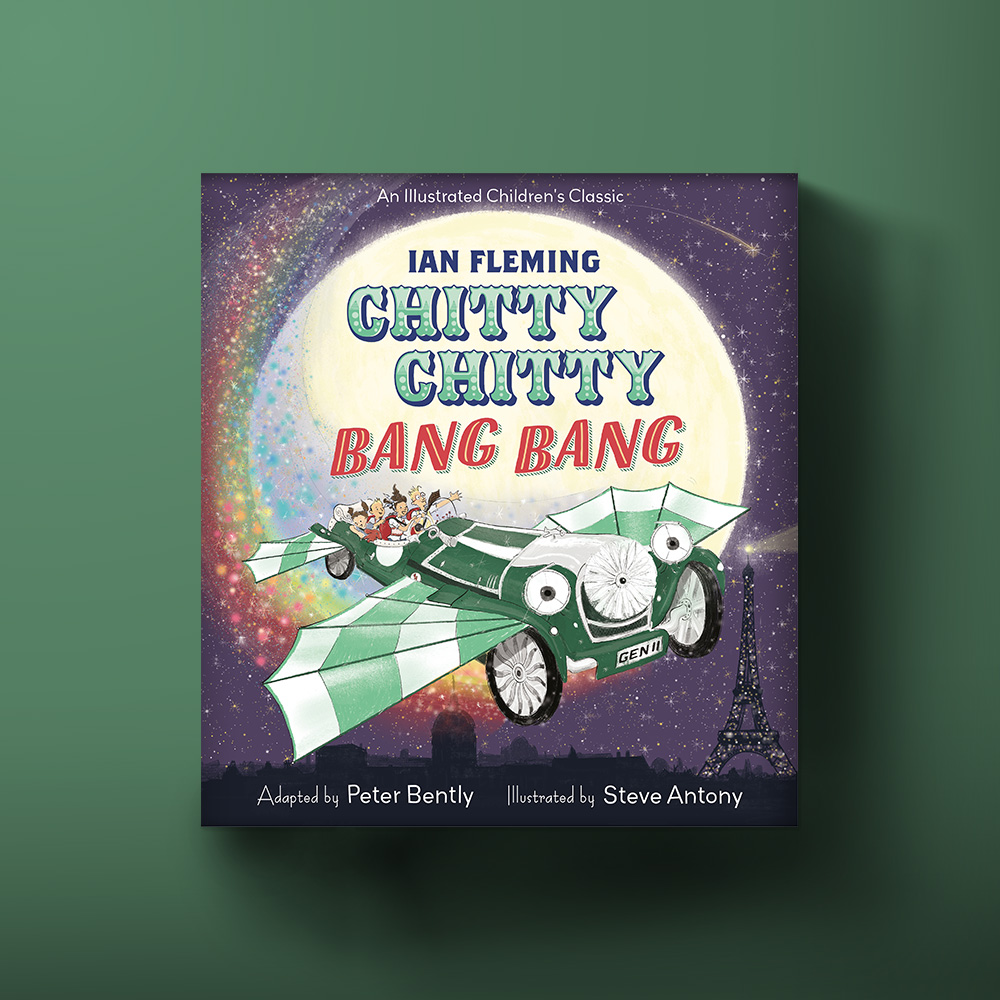
The flying car would be in the garage for only a handful of years before she was reintroduced in 2020 in hardback picture-book format, adapted by Peter Bently and illustrated by Steve Antony. Aimed at the younger readership of 3-5 years-old, the story has never been more accessible or more playful. A paperback edition with foil cover finish followed.
In 2024 a new British artist was commissioned to reimagine the iconic car and story for a new edition of Fleming’s treasured children’s classic. Thomas Gilbert drew on his longtime love of vintage cars to create a dynamic new cover design and 30+ original black and white illustrations for the interior.
The story in the pages is as fresh as ever and whilst the design of the car has evolved and adapted over the years, the character and spirit of Chitty has never altered. We can never know what Ian Fleming would have thought of the finished artwork, but it is safe to say that he would have been amazed and delighted by the incredible legacy of his story. Much like the various reincarnations of James Bond onscreen, no matter which iteration has been drawn for the page, decades of readers have a version of Chitty Chitty Bang Bang in their own imaginations.
Manage Consent
To provide the best experiences, we use technologies like cookies to store and/or access device information. Consenting to these technologies will allow us to process data such as browsing behaviour or unique IDs on this site. Not consenting or withdrawing consent, may adversely affect certain features and functions.
Functional
Always active
The technical storage or access is strictly necessary for the legitimate purpose of enabling the use of a specific service explicitly requested by the subscriber or user, or for the sole purpose of carrying out the transmission of a communication over an electronic communications network.
Preferences
The technical storage or access is necessary for the legitimate purpose of storing preferences that are not requested by the subscriber or user.
Statistics
The technical storage or access that is used exclusively for statistical purposes.The technical storage or access that is used exclusively for anonymous statistical purposes. Without a subpoena, voluntary compliance on the part of your Internet Service Provider, or additional records from a third party, information stored or retrieved for this purpose alone cannot usually be used to identify you.
Marketing
The technical storage or access is required to create user profiles to send advertising, or to track the user on a website or across several websites for similar marketing purposes.
 Skip to main content