 Skip to main content

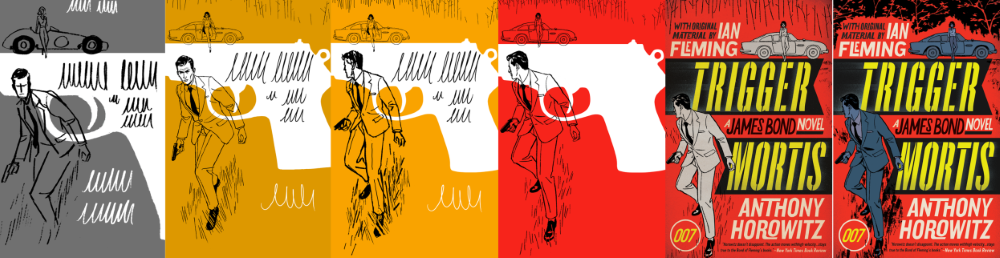
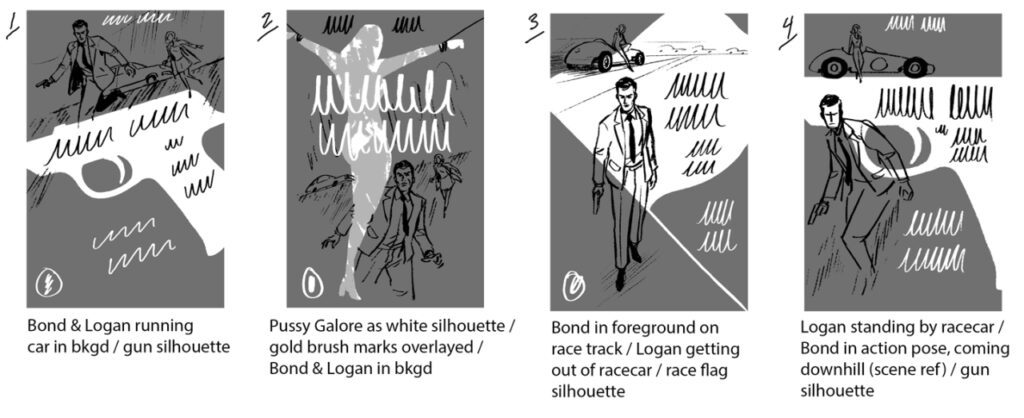
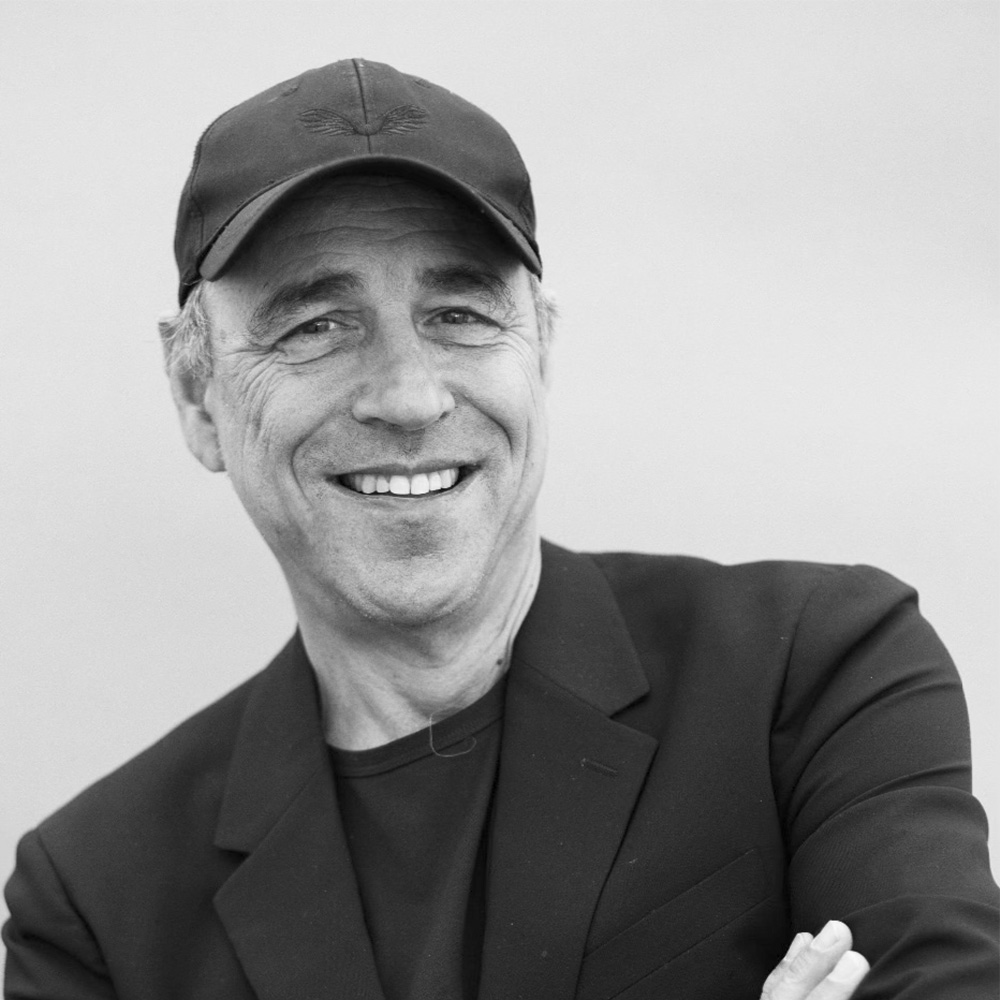
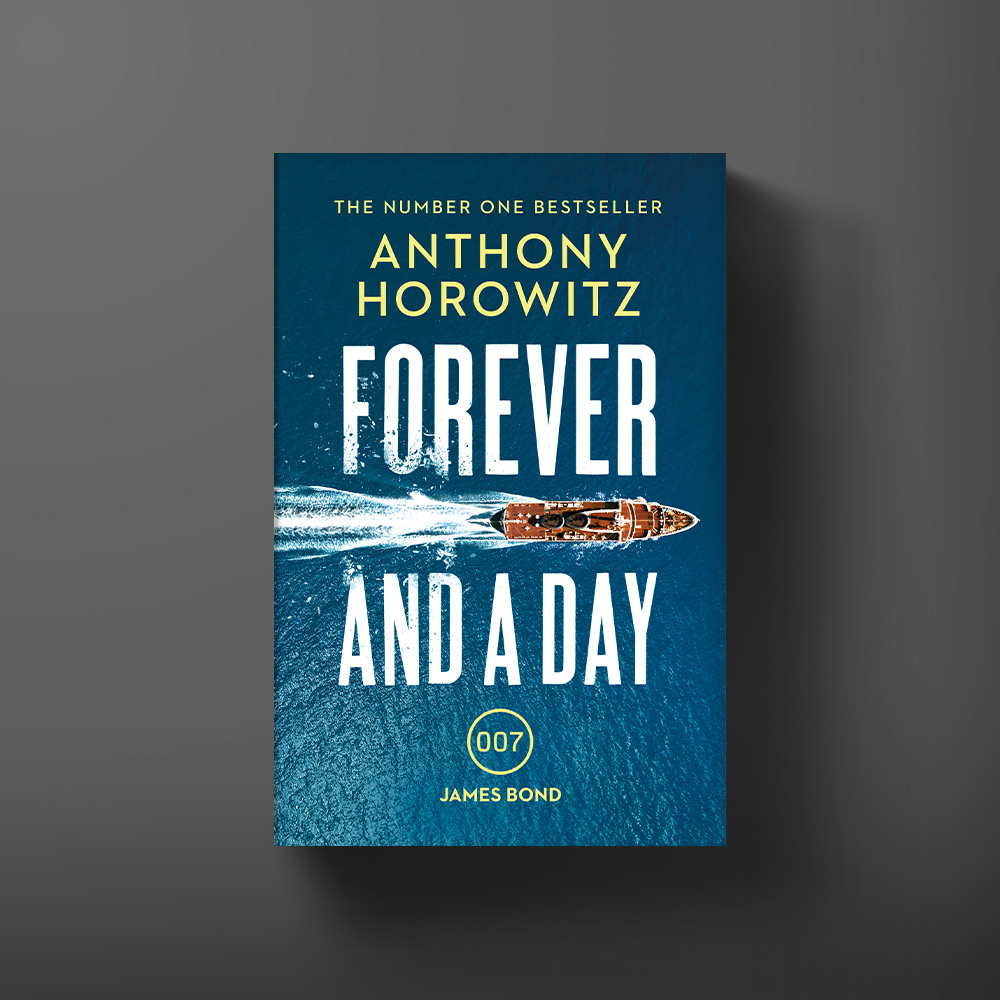
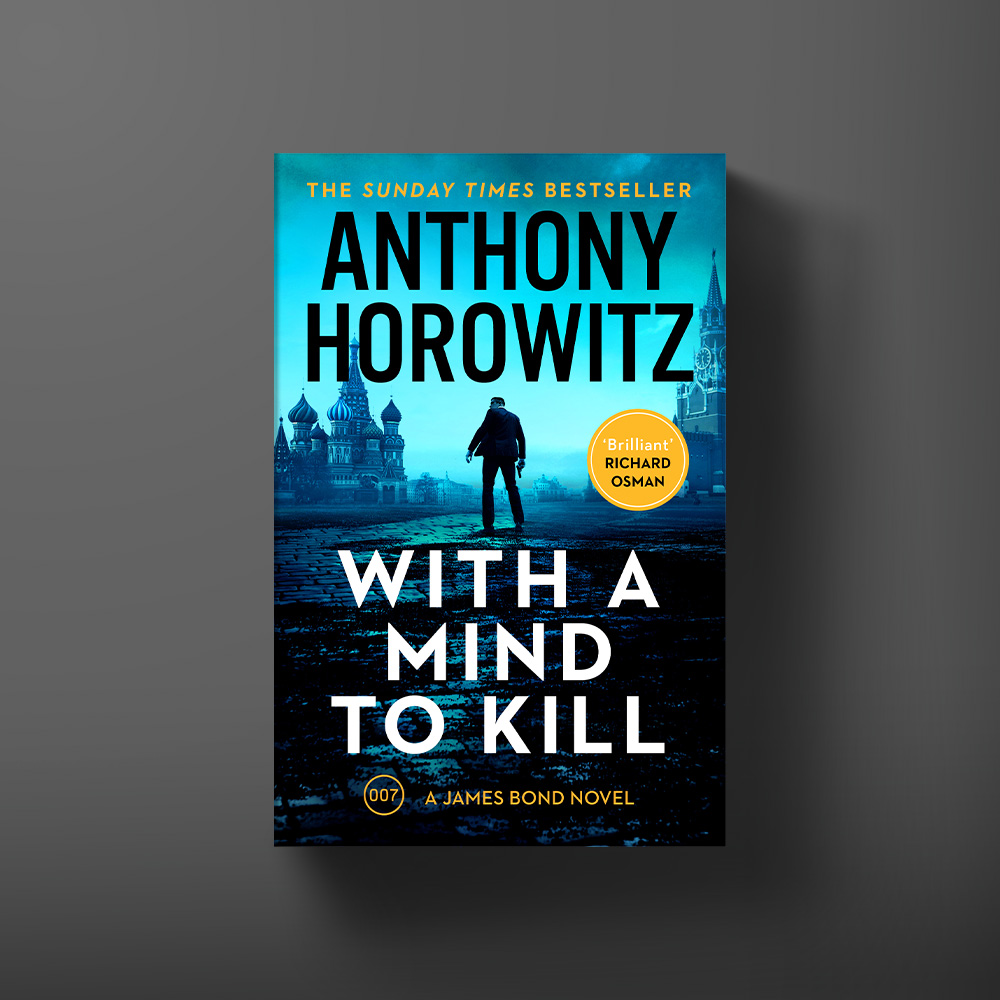
We meet British author Anthony Horowitz to talk literary inspiration, Ian Fleming and James Bond. Anthony has written three official James Bond continuation novels, Trigger Mortis (2015), Forever and a Day (2018) and With a Mind to Kill (2022), all of which draw on original material by Ian Fleming.
What was the greatest challenge involved in writing a Bond novel?
I’ve been a James Bond fan pretty much all my life and I suppose the greatest challenge, for me, was meeting my own expectations. It’s not just that he’s such an iconic character. I think people forget just how good a writer Ian Fleming was. He came up with amazing set pieces, wonderful action sequences, memorable characters. How could I possible write as well as him?
Why did you to choose to keep Bond in his original time period?
Bond represents a particular sort of man at a particular time. He is the ultimate spy at a time – the Cold War – when spying mattered most. He brings with him all the best values that we associate with the Second World War but he has the coldness and ruthlessness demanded by a new atomic age. He is an amazing character who epitomises the age he lived in, which is why, for me, it was critical to keep him in his original timeline.
How did you conjure up Trigger Mortis‘ wonderfully sinister Jason Sin and his Korean War backstory?
Getting the villain right in a James Bond novel is perhaps the biggest challenge of all. Make him too monstrous, too extreme, and you risk slipping into parody. And yet he/she has to be somehow larger-than-life. At the end of the day, what matters most, I think, is that the villain should be real and believable. It struck me that although both Hugo Drax and Goldfinger employed Koreans, there had never been a major Korean villain in a James Bond novel. Looking at the history of Korea, I stumbled upon the massacre at No Gun Ri. At that moment, I knew I had my villain, a man with every reason to hate the West.
In Fleming’s James Bond books are there any phrases you wish you’d written? Or that you feel particularly embody the spirit of a Bond novel?
There are dozens of lines and phrases that I wish I’d come up with myself. That was Fleming’s genius. The 007 designation, the licence to kill, the names of the characters (M, Miss Moneypenny), the unforgettable titles – it’s impossible to do better.
Do you have a favourite phrase/sentence of your own from Bond series?
My favourite line in Trigger Mortis – because it really does capture Fleming’s style, is the line that opens Chapter 24. ‘Rain swept into London like an angry bride.’ I’m not sure what it means. Or why it works. But when I read it, it makes me smile.
How has the process of writing Bond differed from that of your revival of another British literary legend, Sherlock Holmes?
There’s not much comparison – except that I have an equally healthy respect for Sir Arthur Conan Doyle. Sherlock is so much more distant that I didn’t feel quite so nervous writing about him. Late Victorian England is easier to characterise than the 1950s. I’d add that in the end I enjoyed writing the books equally. If you’re going to write a continuation novel, it helps to love the world into which you’ve been invited.
Which authors have influenced you the most and inspired you to become a writer yourself?
Obviously, Doyle and Fleming. I read both of them when I was a boy, dreaming of being a writer. Other influences were Charles Dickens and Tintin’s creator, Hergé.
Discover more about Anthony Horowitz here.