The Story Behind: Three Bond Women

Writer Tom Cull explores the real heroes behind some of Ian Fleming’s most admired characters.

Like many authors before him, Fleming took ideas for his James Bond novels from the world around him and the people he knew. The plots were often heightened re-imaginings of his wartime experiences or altered versions of real-world intrigues he’d reported on as a journalist. He often drew upon the names of his real-life acquaintances when christening his characters: from Felix Leiter whose name is inspired by combining the middle name of Fleming’s school friend Ivar Felix Bryce with the surname of their good friends Tommy and Oatsie Leiter, to Mary Trueblood whose name is a nod to Ian Fleming’s secretary at the Sunday Times, Una Trueblood. Many of the female characters in Fleming’s stories have intriguing links to people Fleming knew and many could claim to have been immortalised under the stroke of Fleming’s typewriter keys.

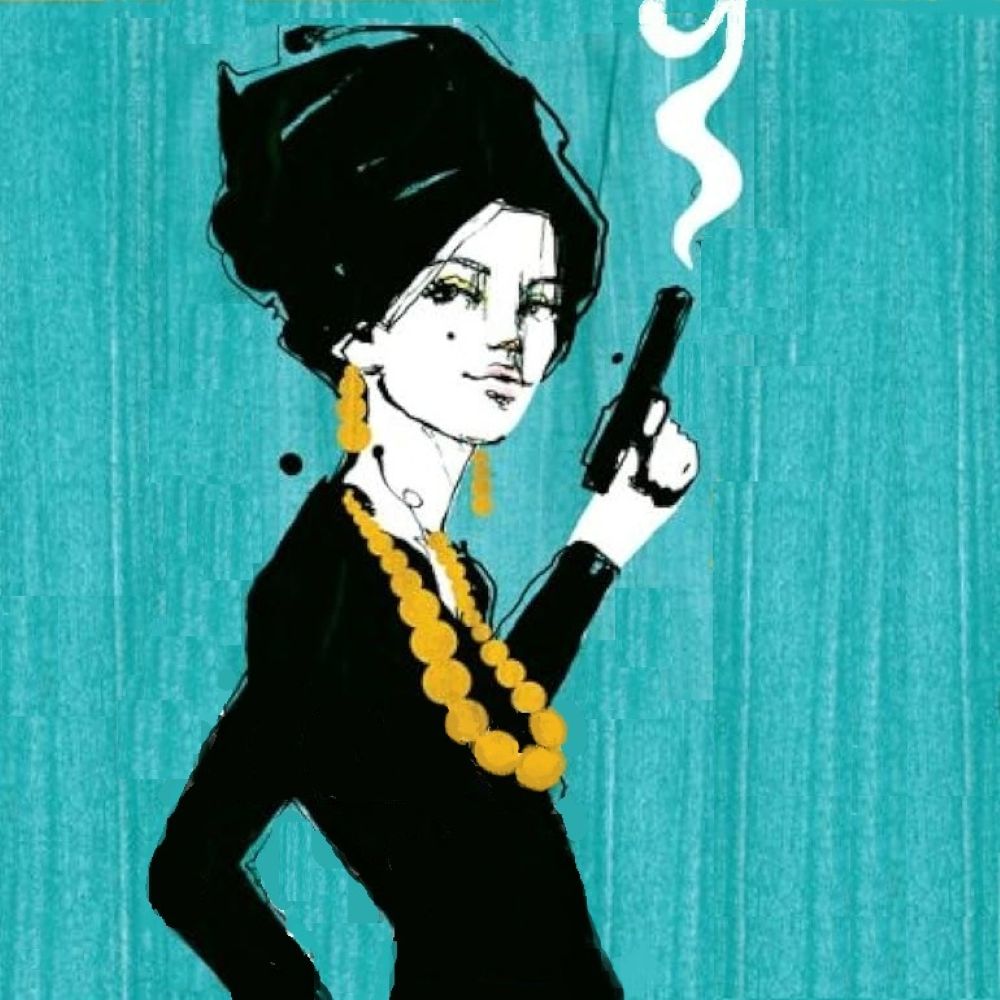
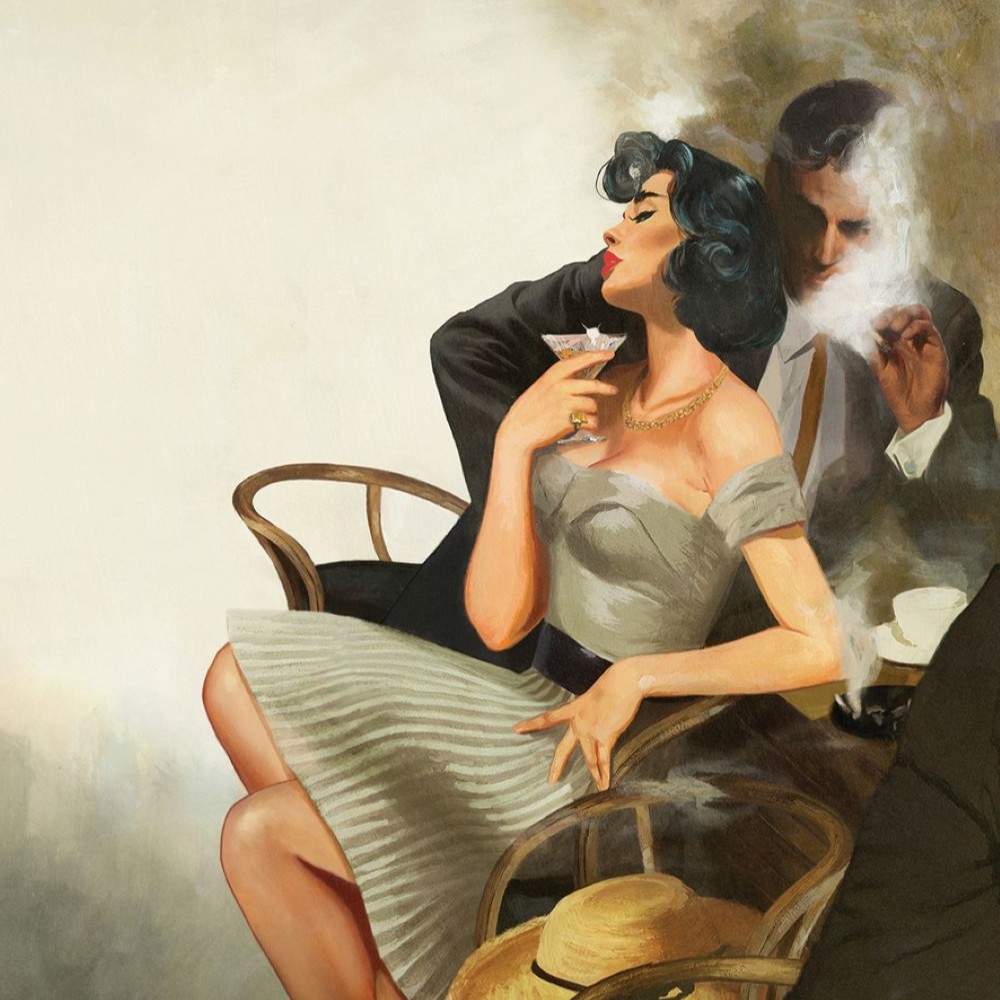
An illustration of Miss Moneypenny from Ian Fleming's James Bond. Image shows a woman with black hair piled on top of her head in chic fashion, holding a smoking gun on a teal background.

Miss Moneypenny

‘Moneypenny screwed up her nose. ‘But, James, do you really drink and smoke as much as that? It can’t be good for you, you know.’ She looked up at him with motherly eyes.’

Thunderball

As part of the Special Operations Executive (SOE) during the Second World War, Vera Atkins is a strong candidate as an inspiration for Miss Moneypenny. Atkins would visit Room 055a in the Old Admiralty Building down the corridor from Fleming’s office and he would have known of her. She joined Section F (France) in April 1941 and oversaw the secret preparation of more than 400 agents, seeing off most of them in person. Vera was most intimately associated with the female agents whom she called her ‘girls’, among whom were Noor Inayat Khan and Violette Szabo.

Many who worked with Atkins could find her intimidating and protective of her operatives but she commanded the respect of her superiors. The atmosphere at Orchard Court, one of the SOE headquarters, was akin to a private members’ club, with women smoking at their desks and handsome men passing through and breaking into French. They were only known by their aliases.

Another inspiration for Moneypenny is hinted at in an early draft of Casino Royale, where M’s assistant is named Miss ‘Petty’ Pettaval, no doubt borrowed from Kathleen Pettigrew, the Personal Assistant to the Chief of MI6, Stewart Menzies.

Fleming had many loyal secretaries throughout his career and greatly admired their skill and dedication. At The Times, it was Joan Howe who typed the manuscript of Casino Royale. Others who played their part included Beryl Griffie-Williams and Una Trueblood, but perhaps Jean Frampton was the most significant. Letters between Fleming and Frampton appeared in 2008 at Duke’s auctioneers in Dorset. Amy Brenan of Duke’s comments

“You can look on Mrs. Frampton as Ian Fleming’s Miss Moneypenny because he really does seem to rely on her. She was the first person to read the books and the collection is interesting because it details how the James Bond books were put together in the early 1960s.”

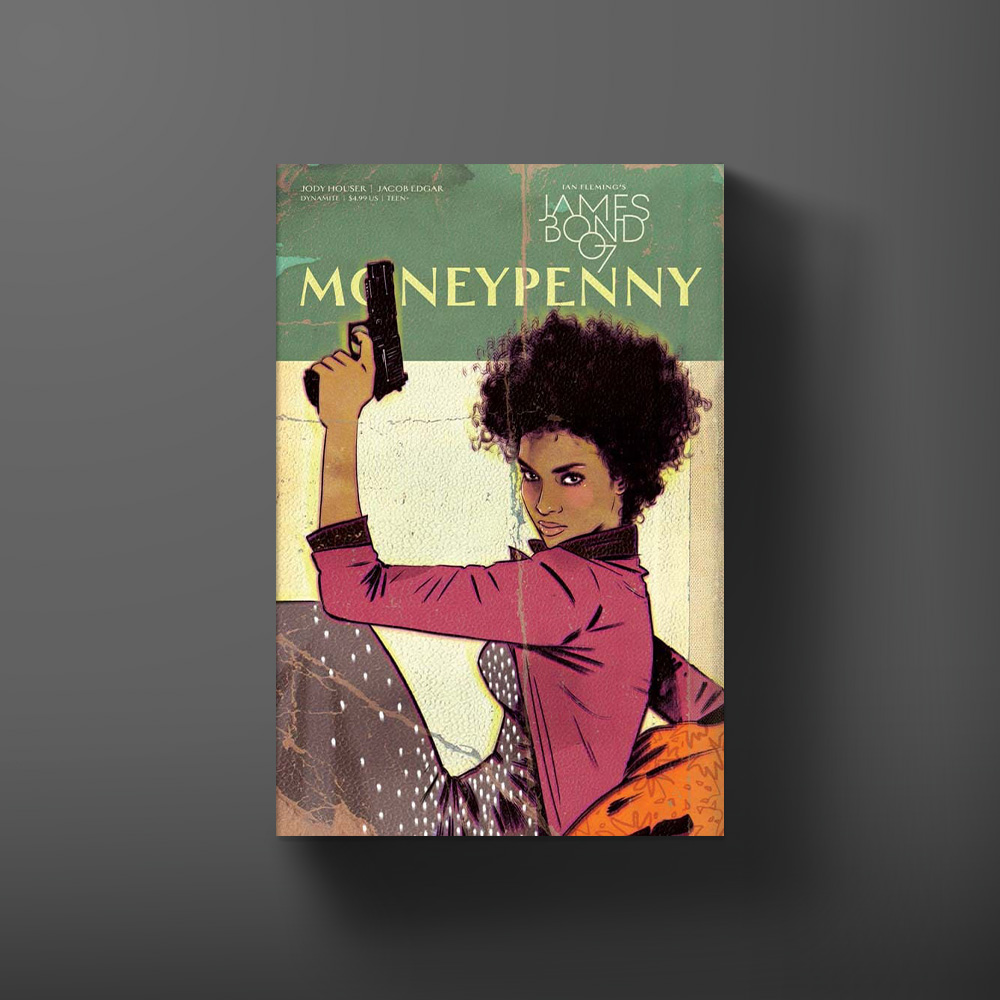
Cover for the Moneypenny graphic novel written by Jody Houser, with art by Jacob Edgar.

Mary Ann Russell

‘Taking these people on all by yourself! – It’s showing off.’

From a View to a Kill

In the short story From a View to a Kill, the character Mary Ann Russell is an agent for Section F who saves Bond’s bacon against the Russian military intelligence agency. Her name is likely to have been inspired by a woman who played a significant role in Fleming’s life, Maud Russell. Her granddaughter Emily Russell has recently edited a revelatory collection of Maud’s war-time diaries, and explains:

‘Maud and Ian met in late 1931 or early 1932 and they quickly became close friends. Through Maud and her husband Gilbert Russell, Ian met a number of influential political figures during the 1930s and also obtained contacts in Military Intelligence. After Gilbert died in May 1942, Ian got Maud a job at the Admiralty. From 1943, she worked in the Admiralty’s Naval Intelligence Division (NID) 17Z, a section led by Donald McLachlan that was dedicated to generating white, grey and black propaganda from naval intelligence to undermine enemy morale.’

Maud shared the same zeal for her work at the NID as Fleming did, as she notes in her diary:

‘London, Thursday 10 December 1943 — On Monday the Scharnhorst sinking kept us very busy. Only Mc., C.B. & I. [Ian Fleming] in the room. Then came the news of the sinking of the blockade runner and more excitement.  Only Mc. reacts as I do, froths and fizzes over with inward excitement. I. of course is the same as Mc. and I – tension, excitement, hammering energy.GR’

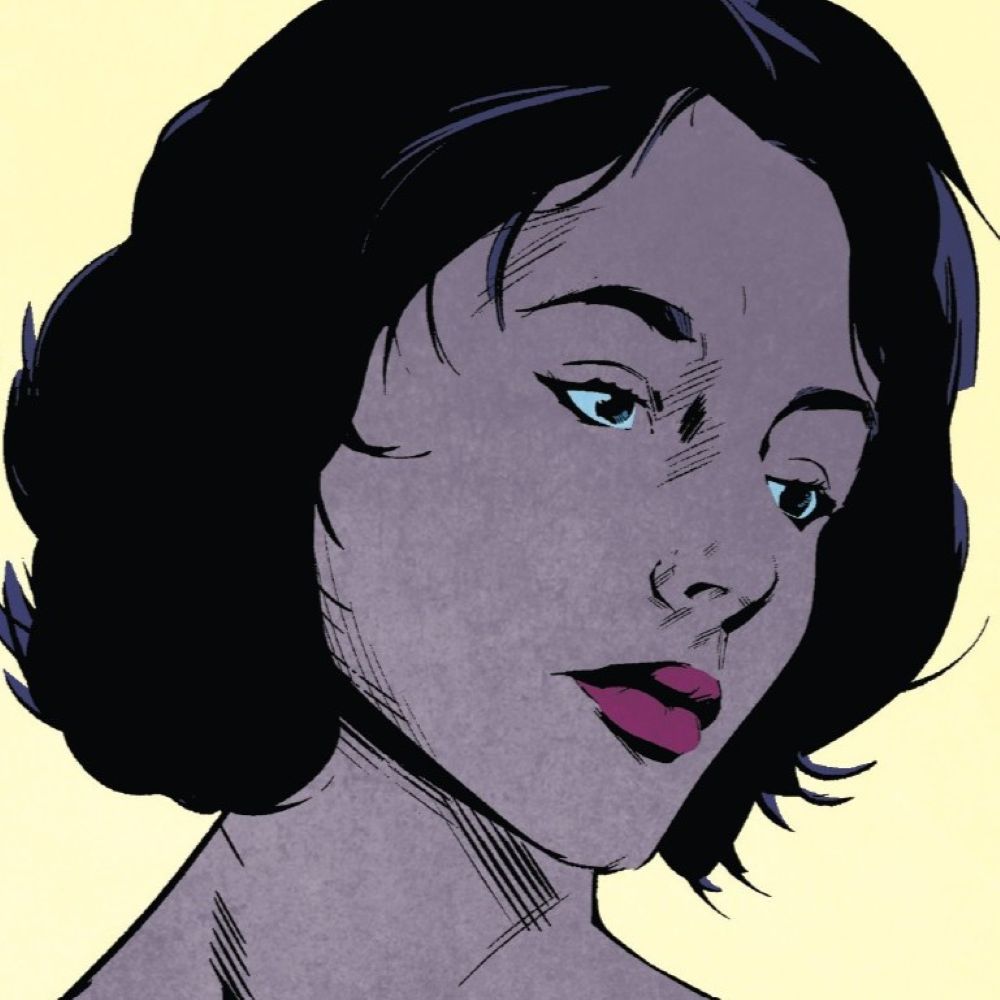
A picture of Vesper Lynd from Ian Fleming's Casino Royale, seen as a comic book art of a white woman with dark hair and red lipstick

Vesper Lynd

‘”People are islands”’ she said. “They don’t really touch. However close they are, they’re really quite separate.”’

Casino Royale

A popular suggestion for the inspiration behind Vesper Lynd was the SOE agent Krystyna Skarbek, also known as Christine Granville. Polish by birth, she was recruited by the SOE, won a George Medal and was reputedly Churchill’s favourite spy.

Granville was remarkably beautiful and she stole, and broke, many hearts. She was certainly known to Fleming who briefly mentions her in his non-fiction book The Diamond Smugglers. The rumour that Ian Fleming had an affair with Christine Granville is unfounded as her biographer Clare Mulley and writer Jeremy Duns have explored. Christine Granville survived the War but was tragically stabbed by a love-crazed stalker in 1952, aged 44.

There were other members of the SOE who Fleming would have encountered during his time working with Section 17 in Naval Intelligence, where he was responsible for coordinating intelligence between divisions. Violette Szabo was recruited by the SOE at 23, as a war widow with a one year old child. She was dropped into France in 1943 and bravely served the war effort, in one instance fending off an SS Panzer division with a Sten gun before collapsing exhausted. After being captured, Szabo, was shot along with fellow agents Denise Bloch and Lillian Rolfe at the Ravensbrück concentration camp in northern Germany. Szabo’s defiance was greatly admired by her fellow prisoners and she was one of only four women to receive a posthumous George Cross Medal.

Whatever the truth behind the fiction, the women Fleming encountered during his time in Naval Intelligence were truly courageous. They faced daily dangers and risked everything to help secure the freedom of Europe. Fleming was inspired to write about many interesting characters from his real life, from naming Bond’s mother Monique after a former fiancée, to calling Bond’s Secretary Loelia Ponsonby after the Duchess of Westminster. We may never know the full extent of the real people who lend parts of themselves to the James Bond story, but it’s certainly inspiring to learn more about these real-life heroes.

Tom Cull runs Artistic Licence Renewed. He knew iconic Bond cover artist Richard Chopping well as a child and Tom’s great grandfather hired a young Ian Fleming to work at the family bank Cull & Co. between 1933 and 1935.

Interview: Audio Book Narrator, Nathaniel Parker

Join us as we delve into the world of audiobooks with TV, stage and voice actor, Nathaniel Parker, narrator of all nine Young Bond books.

Do you remember your first experience with James Bond?

It was wonderfully exciting. I think my first experience was at the Kensington Odeon. I thought it was Goldfinger, but I would have only been two years old, so I think it was probably You Only Live Twice. It felt so grand, with the audience standing and singing the national anthem, guided by an organist on the stage in front of the screen, before the curtain up. Such a glamorous introduction. I was hooked.

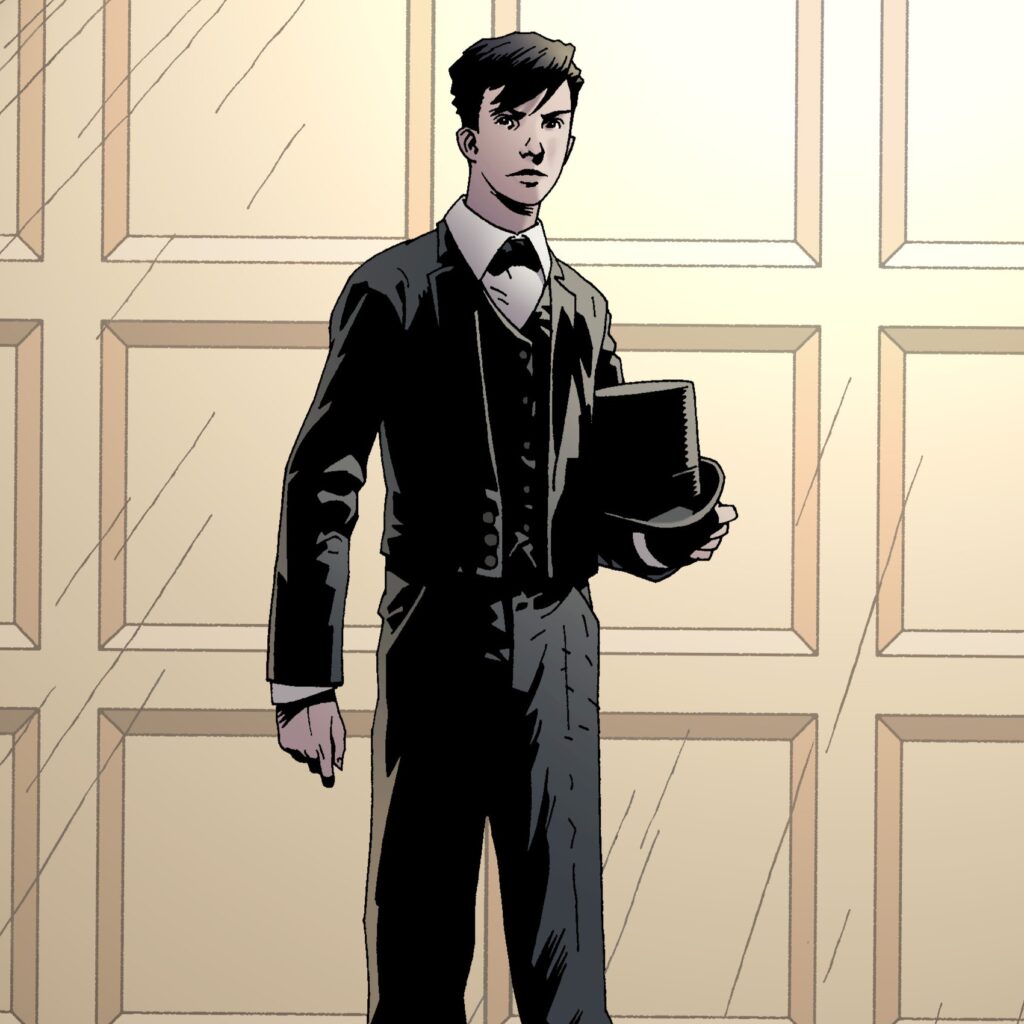
Illustration of James Bond, from the young Bond book series. James is shown in his Eton school uniform as a young man.

How did you find your voice for Young Bond?

Well, obviously, I look to my own voice for James himself because I have always cherished the thought of playing him! This is the biggest buzz of all you see, pretending to be James Bond. The voices are great fun to find, but I will admit to using some old Bond villains from the films as a basis for some of them – Charles Gray, for instance. Such fun to do. I worked with him years ago and his marvellous gravelly voice with a side helping of evil is wonderfully adaptable.

I do look to include as much variety as possible, but perhaps that’s only in my head. I can usually picture the character and fit a voice to that. Sometimes, like in Strike Lightning, I am told quite clearly by the author. That always helps. Take a listen.

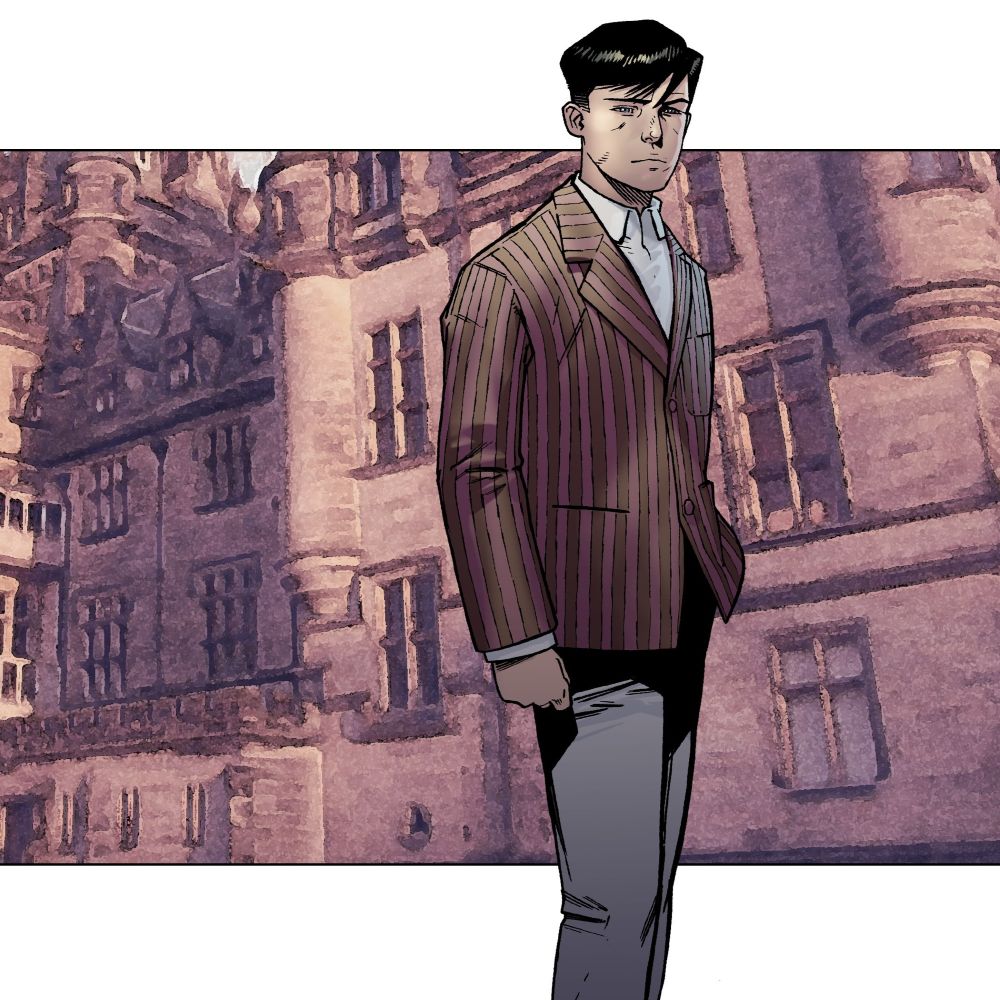
Illustration of James Bond from the Young Bond book series. James is shown here in his striped school blazer as a young man.

How does Bond change on the journey from SilverFin to Strike Lightning?

He definitely changes. He has to grow up fast. One of the most intriguing parts of the process is seeing how he learns various death-defying talents and how they progress into the grown up version we see in the later books. There’s a little less naivety and he accepts the thrill of the moment as a bit of a drug. What is unchanging is his reliance on justice and his ‘fight for right’.

What is your most memorable Young Bond moment?

I think it was in Hurricane Gold, when Bond has to get through an obstacle course and there are alligators and more waiting to snap him if he falls – reminiscent of Live and Let Die. I think I generally enjoy the pace as it all builds up to the denouement. Strangely for me, I make slightly fewer mistakes at pace. I am slightly dyslexic, so it can be a wee bit tortuous for the engineer.

Can you tell us more about the process of recording audiobooks?

One of the joys about audiobooks that has not been afforded to me as an actor on stage or screen, is the opportunity to do my voices. I have always loved imitating others and finding voices and accents, and this is the perfect platform. Some books, like the Artemis Fowl series I used to do, actually have made up creatures, so finding voices for them is terrific fun. As for performance, it is relentless. Nowhere else do you sit in a tiny room for roughly eight hours a day trying to keep up the pace and passion that in turn keeps the audience listening. The studios themselves often get hot and then you put on the air-con and then your voice dries up, so it’s a delicate balance, and you need to get on quickly and trustingly with your producer and engineer through the window.

Which are your favourite characters to bring to life?

Baddies, definitely.

And finally, if you were to feature in a Young Bond novel, would you play a heroic ally, or a scheming villain?

Well, to be honest the heroic allies don’t get much of a look in. They’re there a lot, but you only really want to know what’s happening to James Bond himself, and that is usually down to the villain. So baddie for me.

Find out more about Nathaniel Parker here.

Interview: Comic Artist, Jason Masters

We catch up with Jason Masters, South African artist responsible for the 007 comic book series’ VARGR, Eidolon and Black Box, to find out about his work, his collaboration with Warren Ellis and time with James Bond.

Are you a fan of the Bond universe?

I’m pretty sure I was hooked after the first cold open in the film Octopussy. It introduced me to the idea that there were other 00’s and that they could die. How was Bond going to defeat a villain that 009 couldn’t handle? Surely he was better than 007? He was 2 whole numbers above Bond! At least that’s how my kid’s brain interpreted the information. I loved it and made my way backwards and forwards through the catalogue from there.

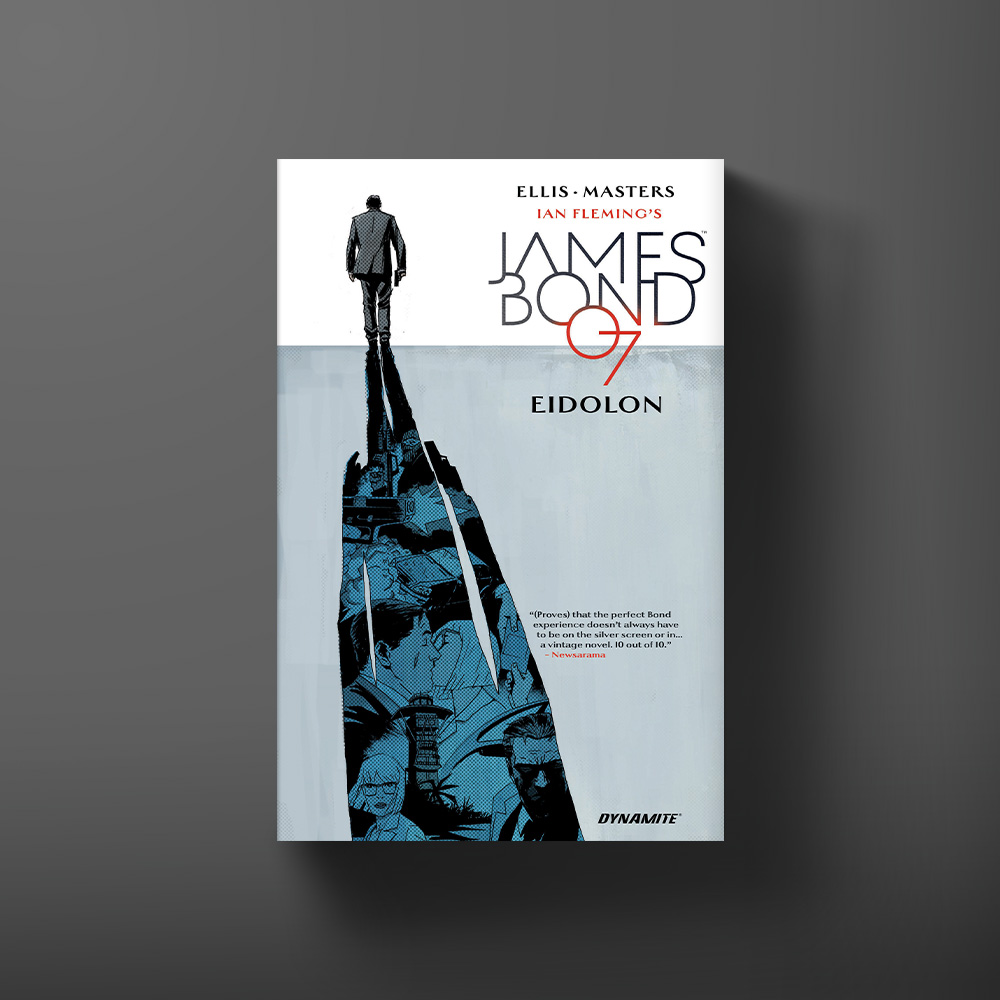
Cover for the Eidolon graphic novel written by Warren Ellis, with art by Jason Masters.

How did you go about creating Bond’s look for VARGR? 

If James Bond hadn’t been played by so many different actors, the design process would probably have been a lot easier. There were times I’d sketch something, come back, and realise I’d drawn Timothy Dalton or Sean Connery. I thankfully got to bounce a few ideas off Warren in the beginning and that was incredibly helpful. In the end, starting with the actor Hoagy Carmichael as a base got me to where I am now. I easily did 20+ versions of Bond’s look before everyone was happy. Everyone has an idea of how Bond should look and pleasing everyone is very difficult.

I spent quite a lot of time thinking about 007’s body language. How would someone who is, almost certainly, the most dangerous person in the room carry himself? There would be a confidence there, not arrogance per se, but comfort in almost any situation. At any point, wherever he is at the time, it certainly isn’t the worst thing he’s been through that day. ‘Comfort’ within his surroundings might be too strong a word but any situation in which his environment isn’t trying to murder him must be quite a relief.

Bond might appear quite simple at face value but his aesthetic choices seem to say he’s a man who could be dead at any point, so why not experience the finest the world has to offer? He’s sometimes a killer dripping with brutal character.

What’s it like collaborating with the legendary Warren Ellis?

I’ve wanted to work with Warren for a long, long time. I never quite dreamed I’d get the added bonus of first working with him on a character so tremendously iconic. He’s a very generous creator, allowing me to throw in the occasional storytelling idea and answering my inane questions succinctly. He could have been a horrible monster to work with and I would still have come out of this smiling. It’s been quite the opposite experience in fact.

Was there anything he asked you for which was too crazy to draw?

Definitely not! To paraphrase Robert Crumb, ‘it’s just lines on paper’. I don’t think you could ask me to draw anything that was too crazy, difficult, sure but that’s the job. One of the most satisfying parts of the comic drawing process is the problem solving.

Can you talk through the style and atmosphere you have in mind when you sit down to draw these Bond stories – and how you use layout to reinforce that?

My pre-comic background is in advertising, art direction and design. From there I moved to commercial illustration and as a result, I like to approach a project by first trying to figure out a look for it. It’s a habit I can’t break but it does get me into what I think is the correct headspace for each job.

I did quite a bit of research on the old James Bond newspaper strips. I thought it would be fun to take the look and feel of that but give it a modern storytelling twist. Then if possible throw in a little bit of the grandeur that is present in all the settings of the films.

These are all the ingredients I tried to throw into the pot. What I achieved was nowhere near what I aimed for but I got close enough for me to at least feel I had made something enjoyable for the reader. Thankfully Dynamite also agreed to let me bring Guy Major on board for the colours and he’s been a great collaborator. Seeming to know exactly what I was trying to do from the start.

We love the crisp realness of the settings and the architectural detail. Is this something which has always been a component of your style? 

There’s probably always been an element of that in my work. I want backgrounds to be characters that are influenced by how the characters react to them. Unfortunately, the only way I know right now to make environments believable is to add details.

How do you approach the action and intense gore of Warren’s scripts? 

Warren writes action exactly how I like to draw it. While I love bold over-the-top superhero action I believe there’s also a place for violence with immediate consequences. I love depicting the almost chess-like moves and decisions a character has to make in a fight to get the results he wants. Bond is the most like this of all the characters I’ve ever drawn. Using what’s around him to get the job done with the least amount of attrition. That’s not always possible of course and sometimes he gets hurt. Violence is ugly and brutal and in these stories it shouldn’t be elevated. Violence without consequences is dancing. I’m not sure there’s a comic artist out there that doesn’t giggle to themselves, at least a little bit, when they have to draw something gross.

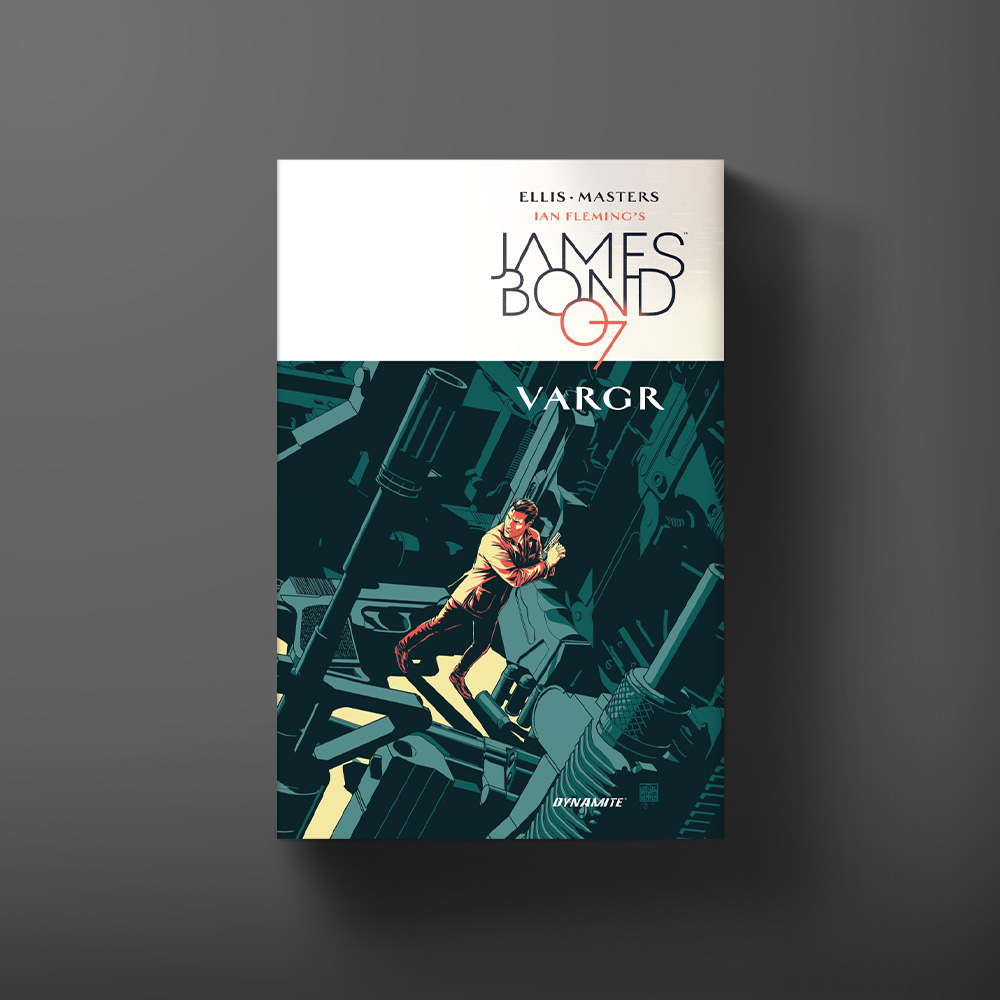
Cover for the VARGR graphic novel written by Warren Ellis, with art by Jason Masters.

Can you talk about your variant cover for issue #1? Were you given any sort of brief, or was it purely a case of constructing an image which embodied the spirit of this new Bond iteration?

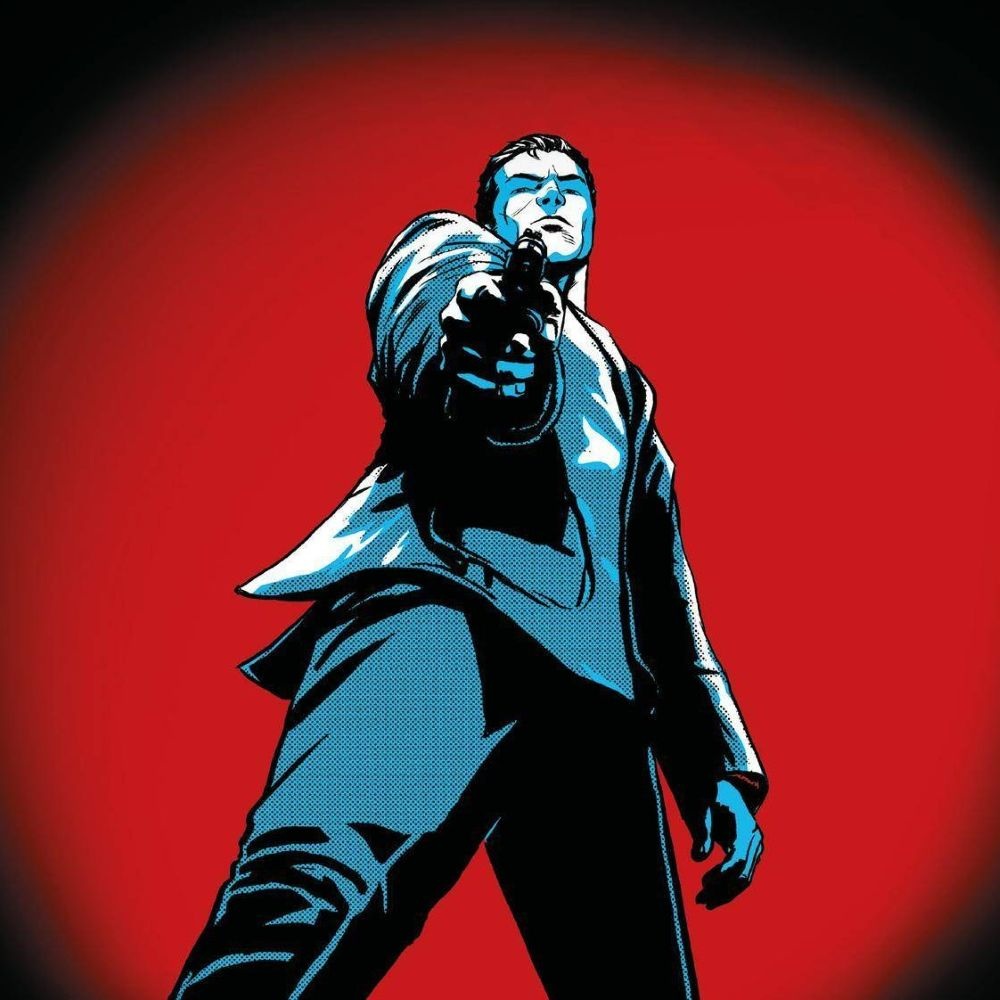
Dynamite has been great with letting me try out ideas. I wanted an image with a minimal colour palette that would stand out on the comic shelf. In Bond’s hands anything could be a weapon: walls, furniture etc. So the idea was an environment made out of weapons while he, a weapon made flesh, stalked or was stalked by his prey. I think it turned out pretty well.

And finally, is the character Masters in the comic, a total coincidence?

Ha! I actually asked Warren that exact question when I got the first script but it turns out he hadn’t realised he’d done it. I think subconsciously, knowing Masters’ end, Warren might have wanted me dead for harassing him about working together.

Find out more about Jason Masters here.

The Story Behind: Bond On Radio

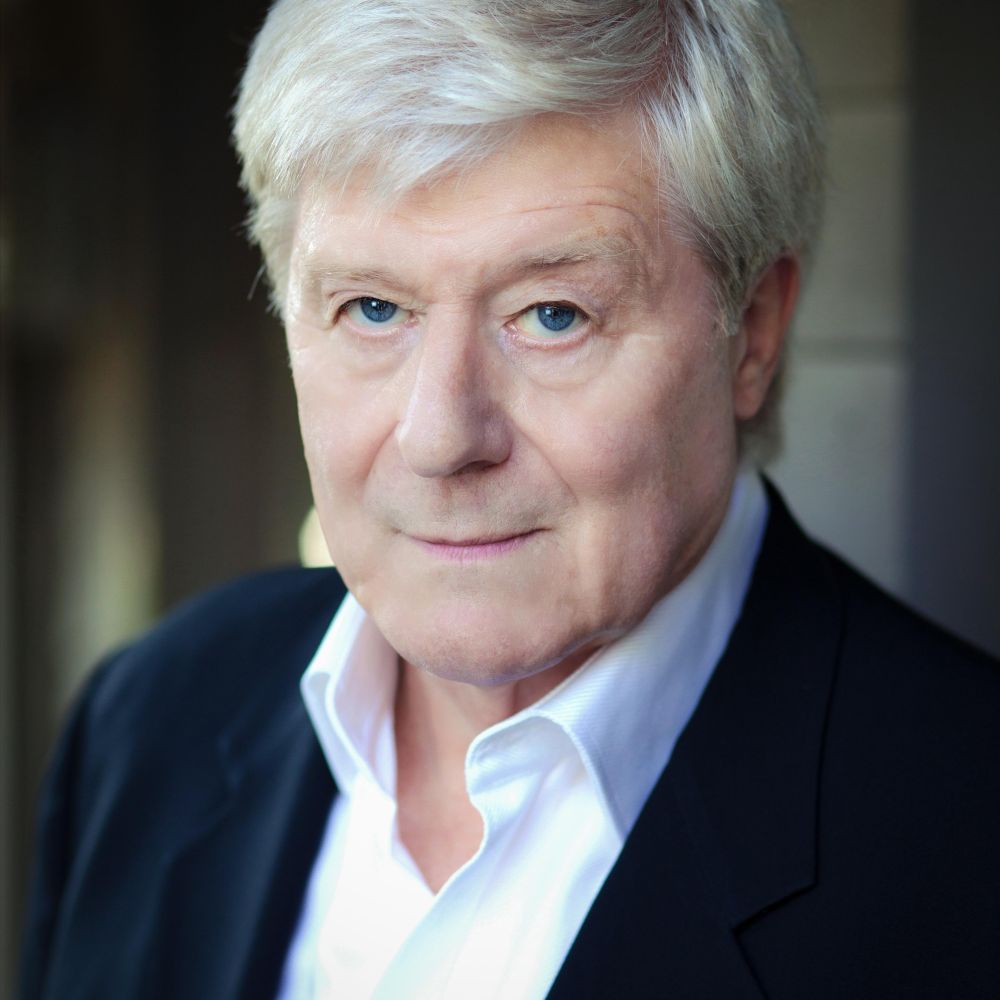
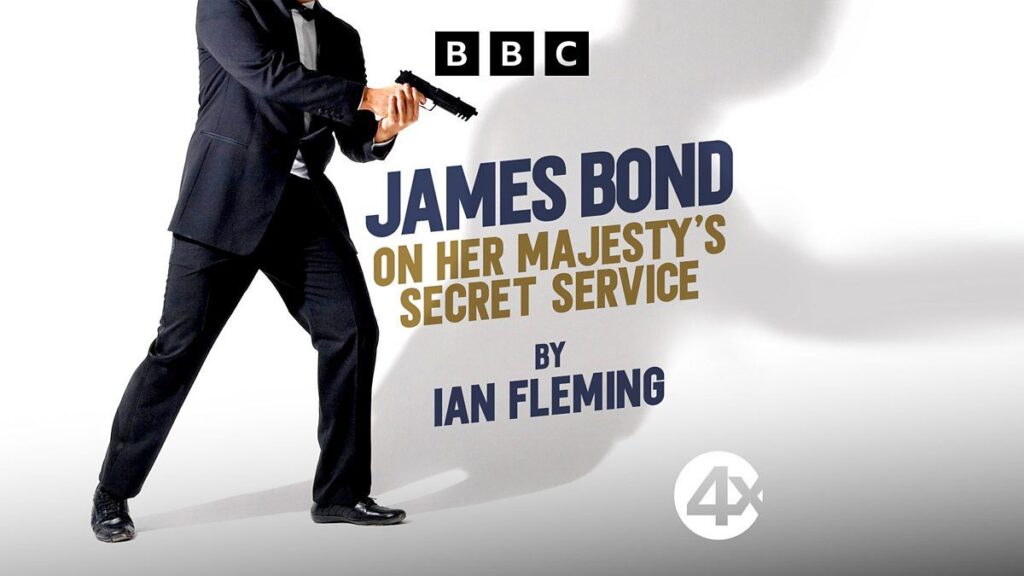
We talk to Martin Jarvis OBE, actor, director and producer about 007 on the radio. Martin has co-produced a number of drama adaptations of Ian Fleming’s Bond novels for BBC Radio 4, narrated the You Only Live Twice audiobook, and is the voice of Ian Fleming in the Radio 4 production of Thunderball.

When did your interest in producing for radio begin? What was it about the medium that inspired you to produce your own dramas?

A life-long interest in radio drama. At first as a child, enjoying adventure serials on radio – Journey Into Space and Dick Barton Special Agent. Great stories and exciting spring-boards to the listening imagination. Then as an actor, recording all kinds of plays and comedies in BBC radio studios (and writing some of them) taught me the basic techniques of creating drama for radio. It seemed only natural that my company, Jarvis & Ayres Productions should start to offer the BBC specially produced plays and comedies for the medium. I’m delighted to say that BBC saw the force of this too. Rosalind Ayres and I have now produced hundreds of programmes ranging from plays, series, serials and readings, as well as big dramas for BBC Radio 3 and 4. And, we’re pleased to say, six James Bond feature-length radio-screenplays. We have also directed and/or performed numerous productions for National Public Radio in America.

How did you decide which of Fleming’s books to adapt?  

At the suggestion of Ian niece, Lucy Fleming, EON Productions, the rights holders at that time, gave permission for a production. They suggested we produce Dr. No as a one-off to celebrate Ian Fleming’s centenary. There was no question of doing more than just that single dramatisation. However it went so well with the BBC Radio 4 audience – Toby Stephens a perfect 007 and David Suchet a brilliantly authentic Dr. No – that EON asked if we might like to produce another of the titles. Of course! It was suggested that Goldfinger might be fun – and so it turned out, with Sir Ian McKellen inhabiting the role with great wit and brilliance – and a fine Latvian accent!

What do you think it is about Fleming’s work which makes it so well suited for the radio?

As well as his understanding of the complex world of espionage, Fleming has great and graceful narrative skills. In his travel writing he is always able to evoke the colours, scents and atmosphere of exotic locations, and this he does equally compellingly in his novels. The scenarios are perfect, too, for radio, where you can literally go anywhere – under the sea, above the Bahamian waters in a sea-plane, visit a Saratoga race track, ride on the Orient Express, join the mafia in New York and win or lose at cards in Le Touquet or Las Vegas. Wonderful, enticing locations, and characters – all transposed from Fleming’s entertaining writing directly into the actors’ (and therefore the listeners’) imagination.

Was 007 a part of your literary upbringing?

Yes, along with P.G. Wodehouse, John Buchan, Richmal Crompton, Agatha Christie, and Shakespeare! I read most of the novels and always particularly enjoyed the card game sequences. When I came to adapt /direct On Her Majesty’s Secret Service, Diamonds Are Forever and most recently Thunderball for radio, I initially wondered how it would be possible to ‘show’ the minutiae of baccarat, chemin de fer or blackjack. But it seems to work well, partly due to the fact that, in radio, we can enter James Bond’s head and almost take part in the game ourselves via his inner thoughts and responses. No lack of focus there!

How do you set about casting the stories? 

It seems that many actors have enjoyed the Bond novels. And it has been gratifying that so many stars have relished the chance to take part in our productions including Toby Stephens, Dame Eileen Atkins, Stacy Keach, Sir Ian McKellen, Joanna Lumley, Tom Hollander, David Suchet, Alfred Molina, Jared Harris, Tom Conti, Nigel Havers, Lisa Dillon, Peter Capaldi, Alistair McGowan, John Sessions, Tim Pigott-Smith, Janie Dee, John Standing, Mark Gatiss and many more. When Mark joined us to play Colonel Kronsteen in From Russia With Love he told me ‘this is the best acting day of my life!’

Ros Ayres and I have of course worked with many of this extended company on screen or in the theatre – it’s very often an excuse to get together and have fun (again) courtesy of 007, the BBC, EON and the genius of Ian Fleming.

Is there any significance in the order in which you’ve chosen to produce the Bond radio dramas? Or is it a case of which one seems the most interesting project to follow the previous?

Sometimes there’s a neat progression. After Diamonds, in which Bond is in quite a bad way at the end, it seemed appropriate to bring him back after ‘some time away’ and have him sent (in Thunderball) to the Shrublands health farm. But then in his adventurous life he often needs a period of recuperation before the next extravaganza. Don’t we all!

Find out more about Martin here.

Opinion: Is Moonraker Fleming’s Finest Work?

Writer Tom Cull draws the links between Moonraker and Trigger Mortis, and explores the place Fleming’s third novel holds in the minds of fans and critics alike.

One of the main of conceits of Anthony Horowitz’s James Bond novel Trigger Mortis is the Russian-backed villain, Jason Sin’s plot to deal a symbolic blow to America using a V2 rocket – a throwback to Ian Fleming’s Cold War era novels. As we know, the chronological antecedent to Mr. Horowitz’s novel is Goldfinger, but much of this new book’s DNA can be traced back to Fleming’s 1955 masterpiece, Moonraker.

Moonraker stands unique in many ways amongst the Fleming canon and indeed many, myself included, consider the novel some of his finest work.

The seeds of Moonraker had been germinating for years in Fleming’s mind after his wartime experiences. The bitter after-taste of the Nazis and their terrible bombing by their V1 rockets in 1944 had a profound effect on him, not least the death of his friend Muriel Wright, killed during an air raid in March 1944. They had met during the summer of 1935 at a ski resort in Kitzbühel in the Austrian Tyrol.

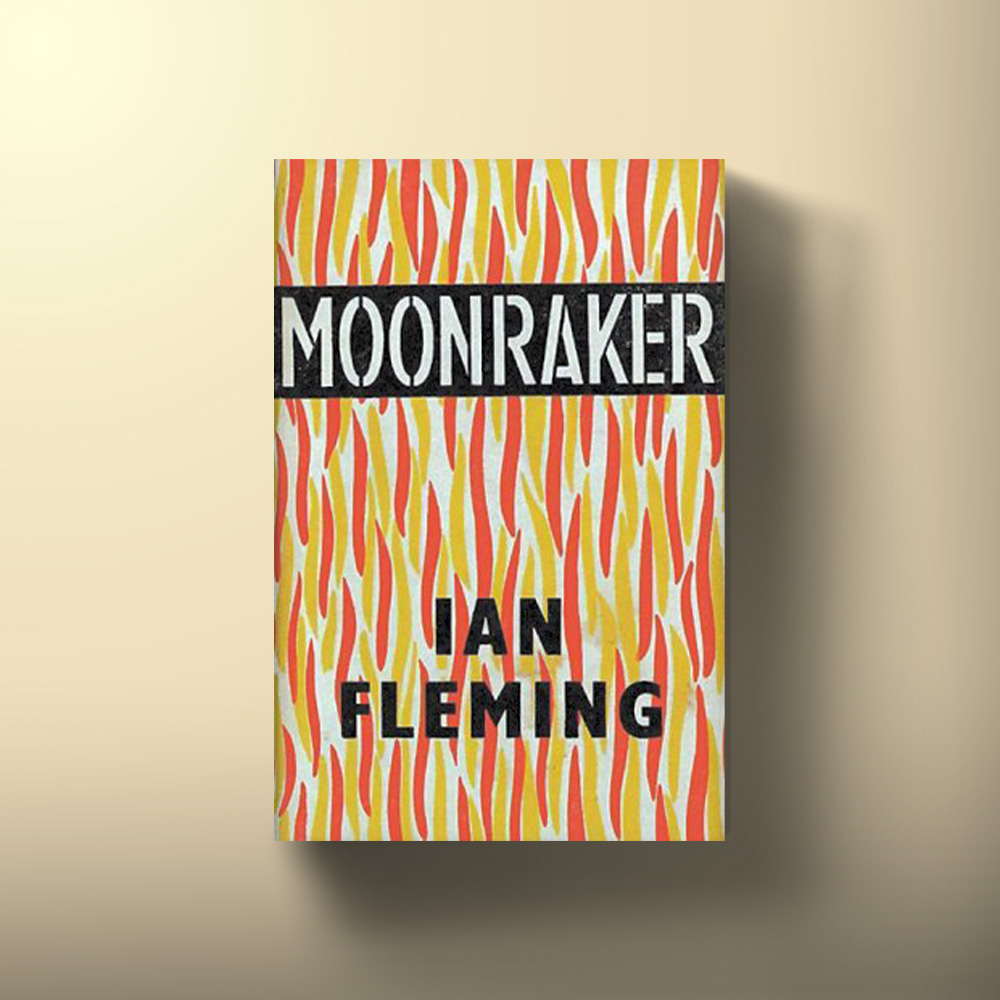
Book cover for Moonraker by Ian Fleming, featuring bold black and white typography and a yellow and red background reminiscent of flames.

A few years later on 16th December 1951, Fleming and his now wife Ann, took over the lease of his great pal Noel Coward’s beach front home ‘White Cliffs Cottage’ at St. Margaret’s Bay in Kent. Ian loved it there and could indulge his love of golf at the nearby Royal St. George’s Club, thrash down the Dover Road on his commute to London and enjoy keeping an eye on the passing ships in the Channel.

By 1955, the Cold War was dipping to frosty temperatures. Burgess and Maclean had defected in 1951 (although not made public until 1956); in 1953 Nikita Khrushchev had become Soviet leader and the Warsaw Pact was formed in 1955. Fleming’s own commando unit – the 30AU – had been involved in the secretive targeting and capturing of Nazi scientists in 1945; work later carried out by the T-Force.  One such scientist was Wernher von Braun, a member of the Nazi party and the SS, who was credited with the creation of the V2 rocket who subsequently surrendered to the Americans to then be recruited under their program Operation Paperclip.

All in all, rich seams to mine for Fleming and Horowitz, but Fleming waited until this third book to finally get it down on paper. Now fully ensconced at White Cliffs cottage it seemed the right time, but it did not have an easy birth. Fleming explained that the novel emerged from a failed attempt to sell a film script to the Rank Organisation:

‘This was written in January and February 1954 and published a year later. It is based on a film script I have had in my mind for many years. I had to more or less graft the first half of the book onto my film idea in order to bring it up to the necessary length.’

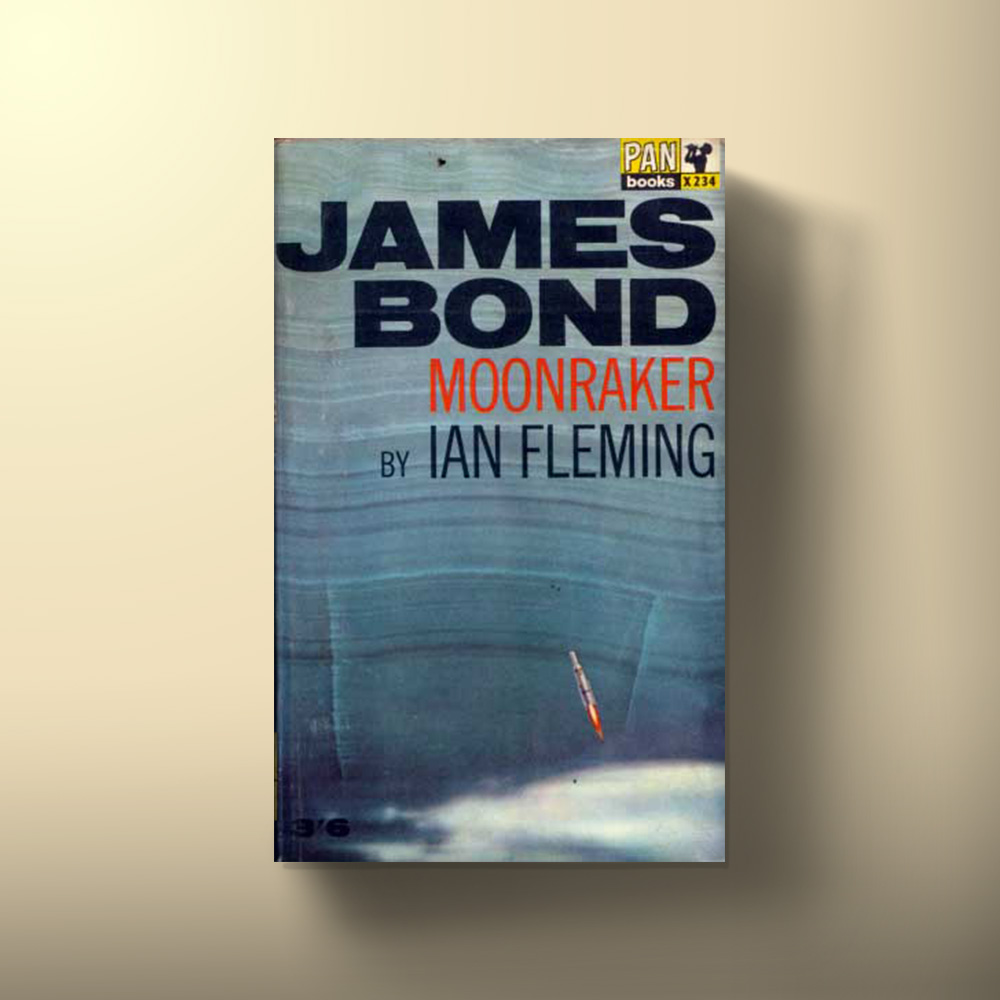
Book cover for Moonraker by Ian Fleming, featuring a rocket against a blue background.

In the novel, Sir Hugo Drax employs fifty scientists to work on a missile based at the foot of the White Cliffs between Dover and Deal. Drax, whose name was borrowed from the wonderfully named Sir Reginald Aylmer Ranfurly Plunkett-Ernle-Erle-Drax and Fleming’s brother-in-law Hugo Charteris, was the perfect combination of a traitorous former Nazi under the employ of the Russians, who had ingratiated himself into British society. He was believable and a threat that was close to home for British readers.

Nicholas Rankin, author of ‘Ian Fleming’s Commandos’ also sees Moonraker as the perceived threat in the “British reliance on German scientists and German technology – even in motor cars, British was best.” And so perhaps began Fleming’s penchant for overt branding (or product placement in today’s parlance) still seen as a powerful rallying cry for politicians and the 007 film franchise. In Moonraker he pits Bond’s Bentley against Drax’s Mercedes. No prizes for guessing the winner but the meta-branding effect works and you remember the car Bond drives.

The setting, villain and the particularly British Bond girl all give Moonraker the noir-ish feel of a detective novel in the vein of Eric Ambler or John Buchan. It also gave a more realistic insight into the everyday life of a secret service agent:

‘It was only two or three times a year that an assignment came along requiring particular abilities. For the rest of the year he had duties of an easy going senior civil servant – elastic office hours from around ten to six; lunch, generally in the canteen; evenings spent playing cards in the company of a few close friends, or at Crockfords; or making love with rather cold passion to one of the three similarly disposed married women; weekends playing golf for high stakes at one of the clubs near London.’

It could be a day in the life of former senior civil servant Ian Fleming…

Even the distractions of the Bond girl are ancillary to this mission, which as a result gave us the most believable Bond girl of all in Gala Brand. Gala is engaged to be married, which offers a fresh challenge to Bond. There are real moments of pathos and wistfulness in Bond’s relationship with Brand resulting in some of the most romantic prose Fleming ever wrote, but even he knows when he’s beaten and has to ‘take his cold heart elsewhere.’

“’I was going to take you off to a farmhouse in France,’ he said, ‘And after a wonderful dinner I was going to see if it’s true what they say about the scream of a rose.’

She laughed. ‘I’m sorry I can’t oblige. But there are plenty of others waiting to be picked.’”

A steel dagger even to Bond’s cold heart.

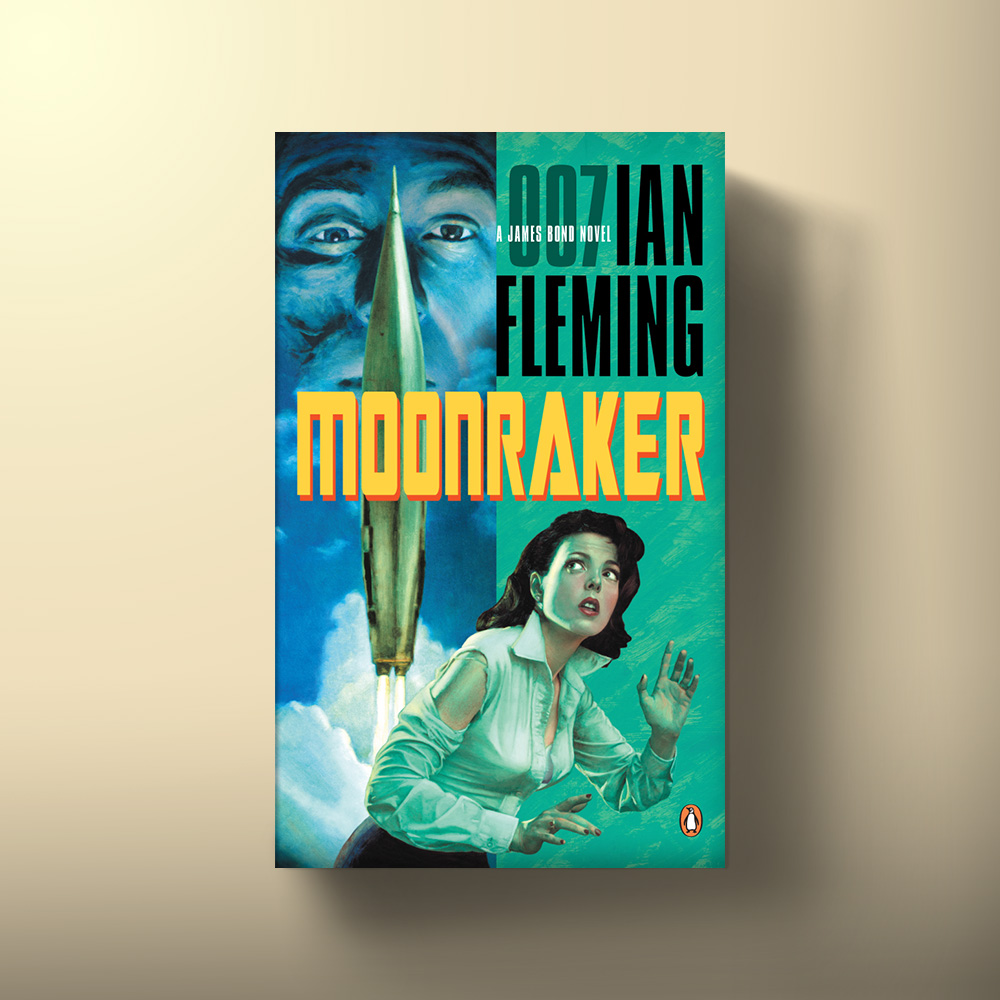
Book cover for Moonraker by Ian Fleming, featuring an illustration of a rocket, and a white woman looking shocked.

In Susan Hill’s introduction to the Vintage edition of Moonraker, she considered the book the only one Fleming used to ‘tackle a subject of real and serious contemporary concern.’

Why is it only the favourite book of Bond aficionados rather than the casual reader? Responses to the novel are mixed with some readers bemoaning the lack of exotic locations. ‘We want taking out of ourselves, not sitting on the beach in Dover.’ (Matthew Parker, Goldeneye. London: Hutchinson 2014). Audiences at the time can be forgiven for this gripe off the heels of the highly exotic Live and Let Die.

The novel is estimated to have been set in 1953, which was a confusing time for Britain transitioning out of an Empire that Fleming’s novels in general reflected. He presented a conflicting view of the world, on the one hand a conservative traditionalist and on the other a libertarian. Historian David Cannadine said in his 1979 paper James Bond and the Decline of England, ‘Bond’s England is unashamedly the England of post-war Conservatism.’ And make no mistake about Moonraker. Fleming sent Bond to do a job on behalf of the Free World, ‘the West’ or even England in the fight against communism.

The tough man of the world. The Secret Agent. The man who was only a silhouette.”

Tom Cull runs Artistic Licence Renewed. He knew iconic Bond cover artist Richard Chopping well as a child and Tom’s great grandfather hired a young Ian Fleming to work at the family bank Cull & Co. between 1933 and 1935.