Find inspiration for your wishlist or gift list with our 2025 present edit.
FOR THE COLLECTOR
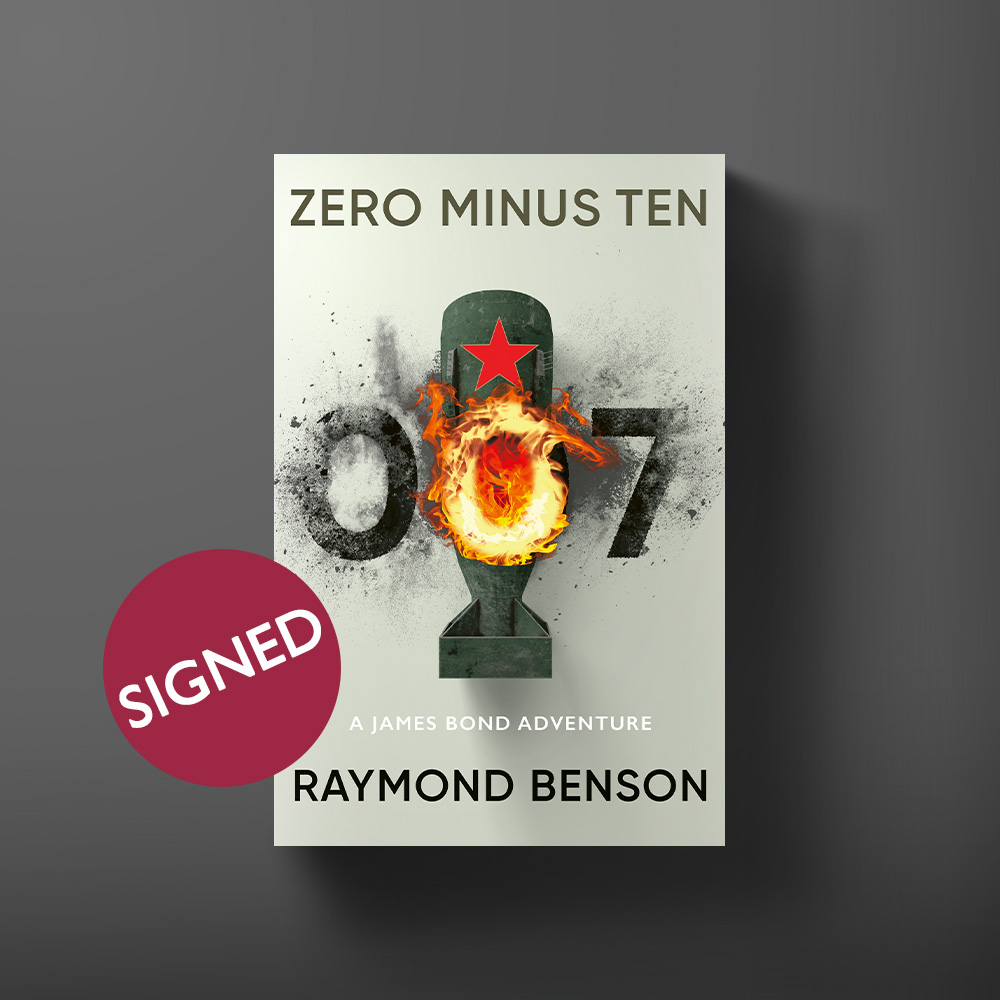
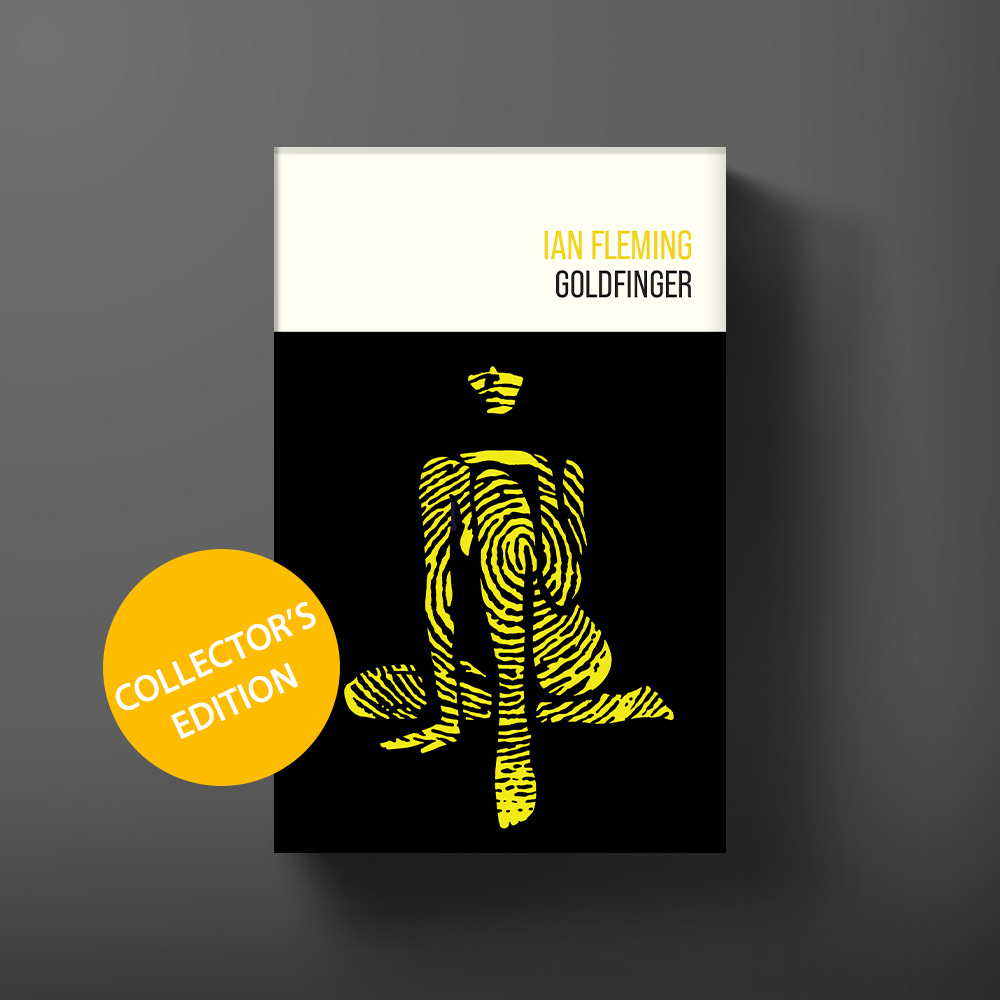
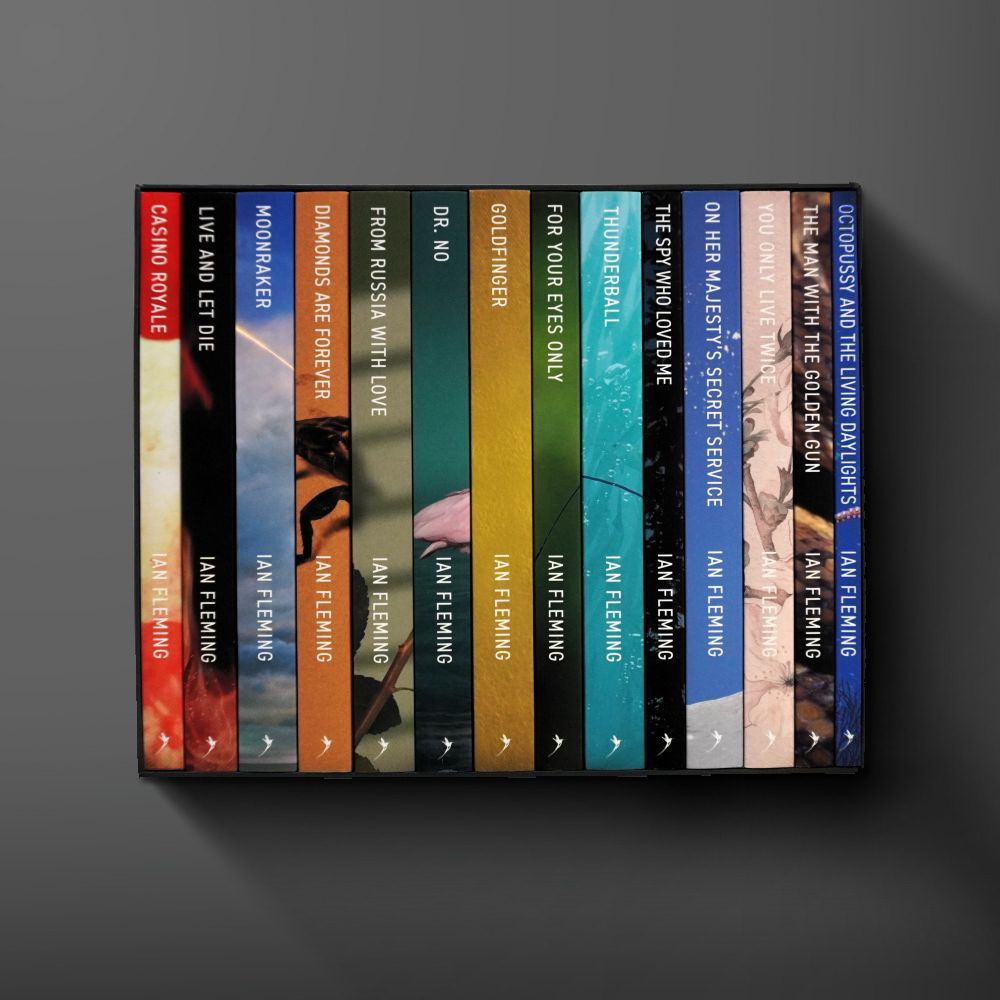
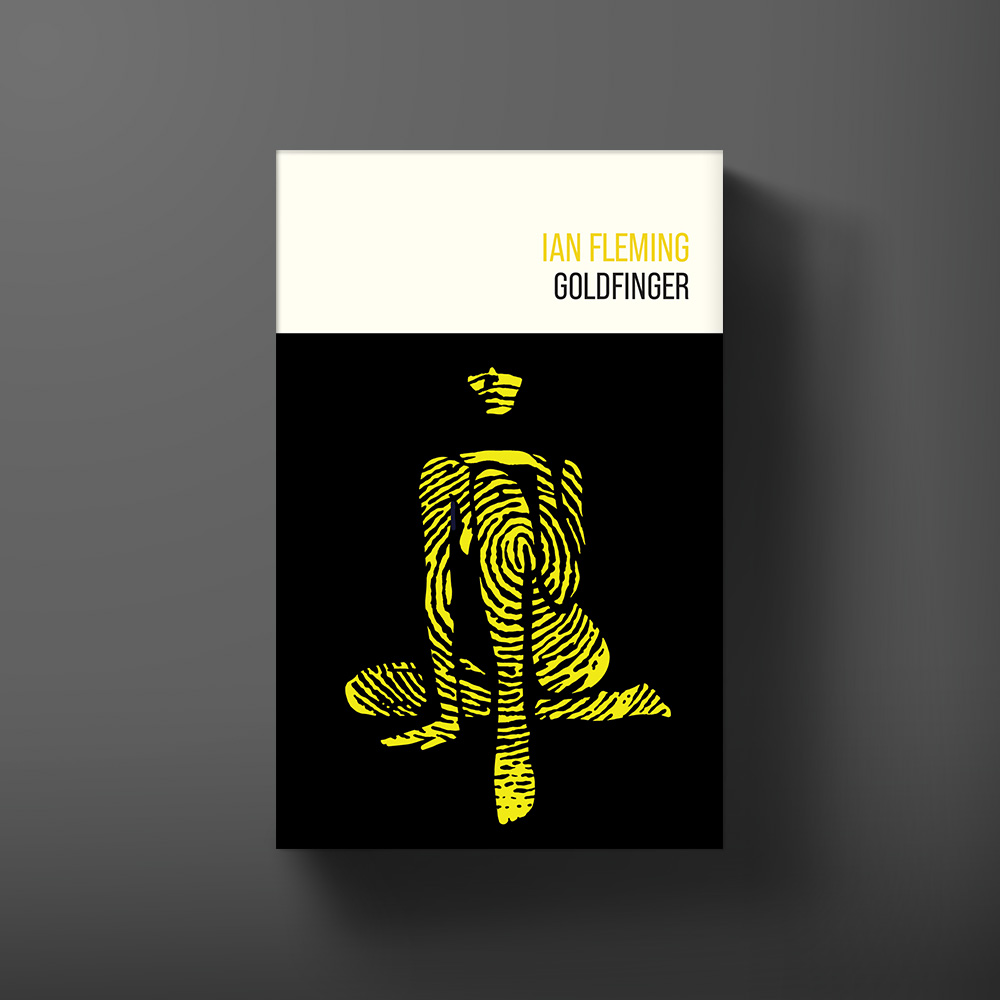
Completionists will appreciate a one-time-only signed or special edition. What about Raymond Benson’s very first Bond novel, Zero Minus Ten, signed by the author? Or the Collector’s Hardback Edition of Goldfinger? A must-have edition of just 250 copies with gold gilt sprayed edges. Or how about a boxset? The landmark 70th anniversary paperback reissues of all fourteen classic 007 titles are now available in a boxed set exclusive to the Ian Fleming Shop .
FOR THE WRITER
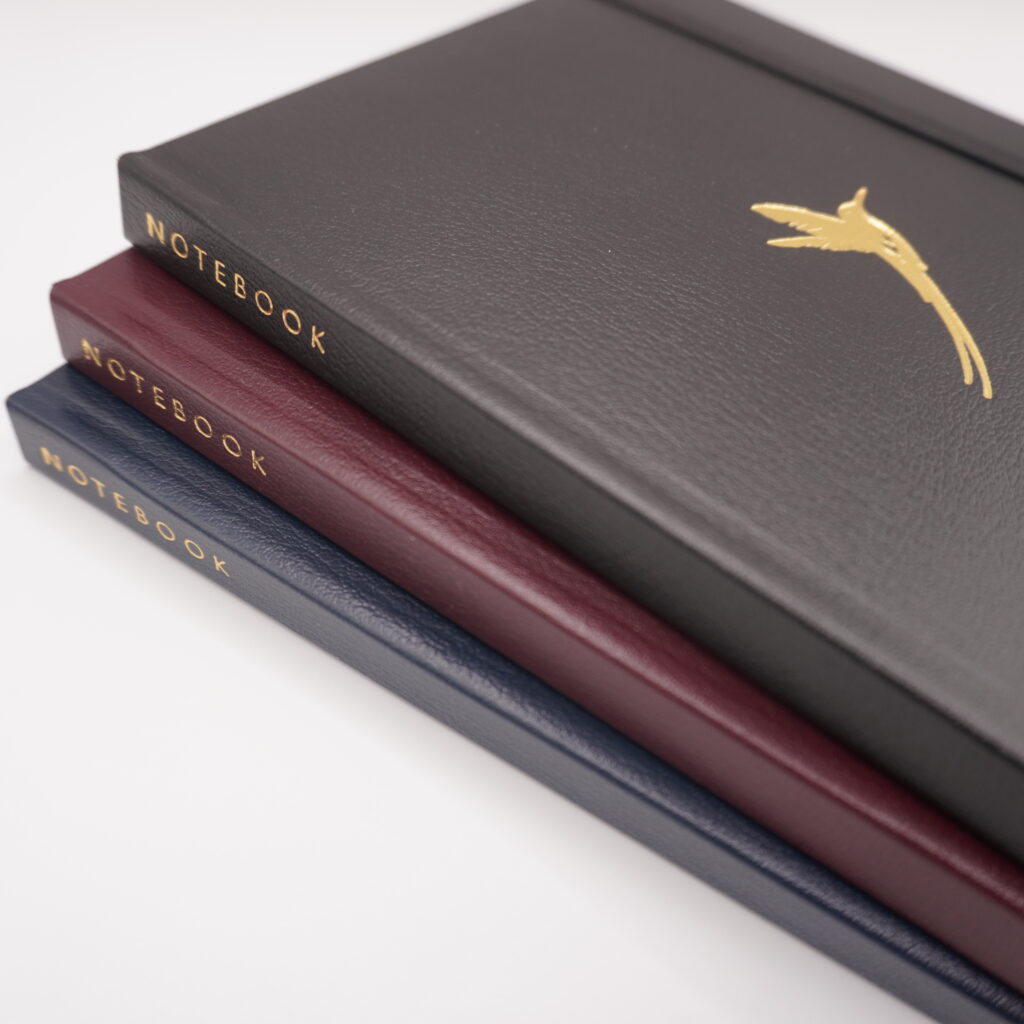
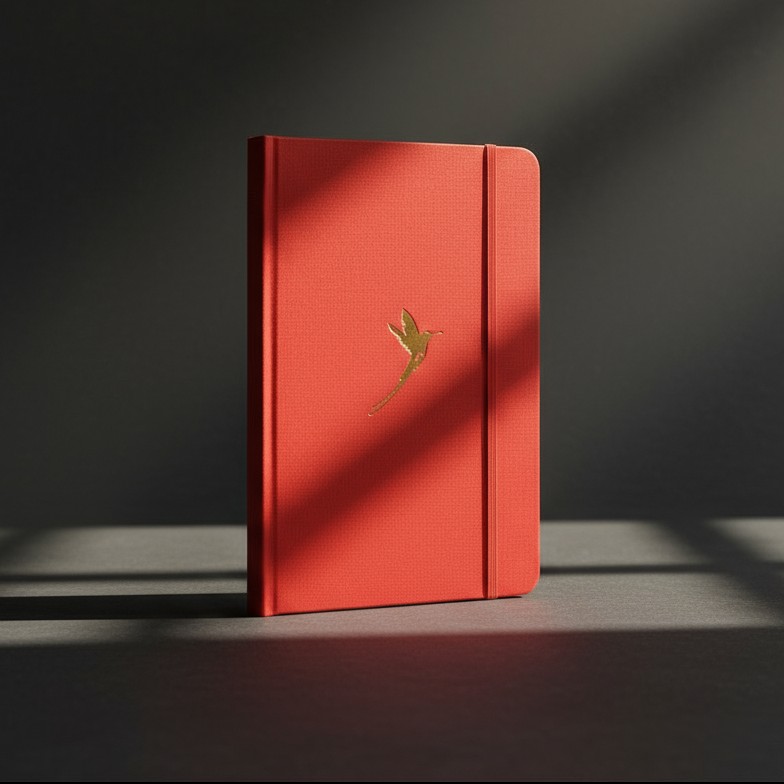
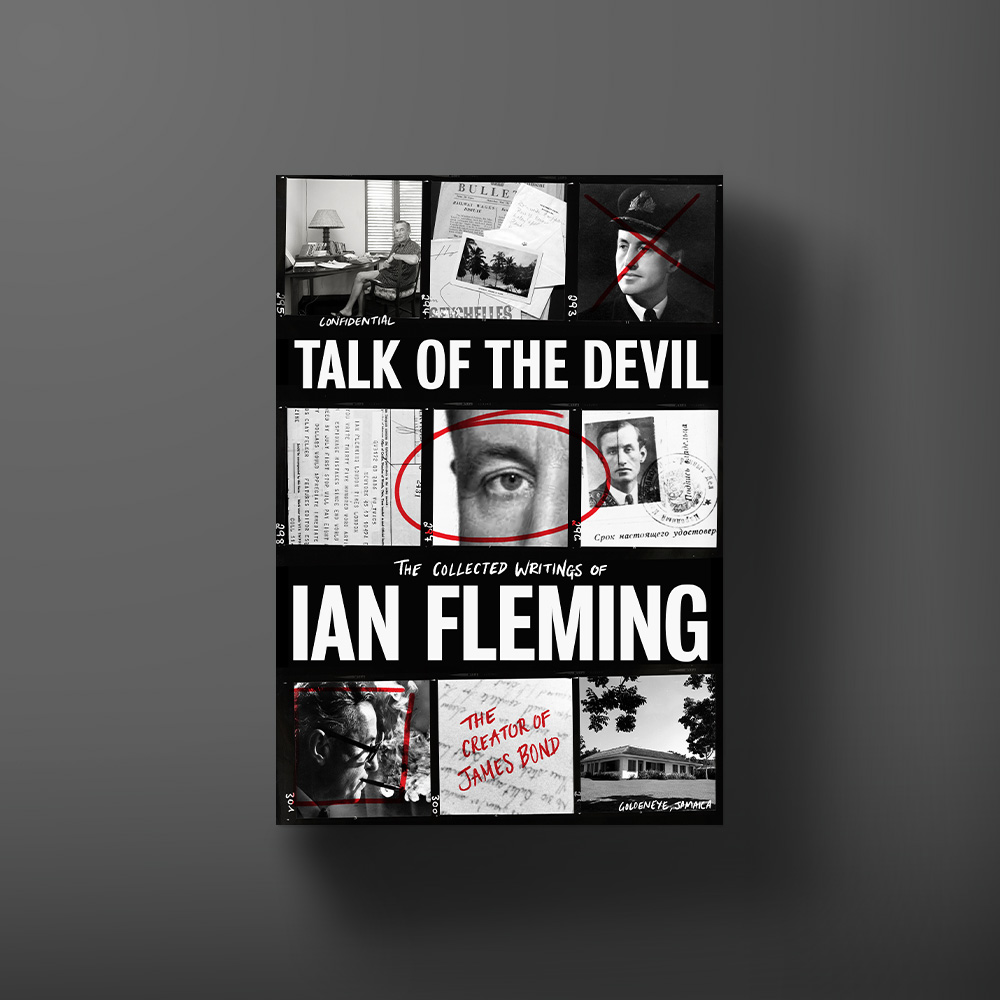
A writer’s notebook is an essential gift. Handcrafted by artisan bookbinders in England, the Hummingbird Notebook is the place for musing, research and notes. Choose from leather or buckram covers, in a variety of colours. Or what about some inspiration? Talk of the Devil brings together articles spanning Ian Fleming’s careers as both an author and a journalist, as well as documents from the Second World War and various correspondence – including with fellow author Raymond Chandler.
FOR THE COCKTAIL CONNOISSEUR
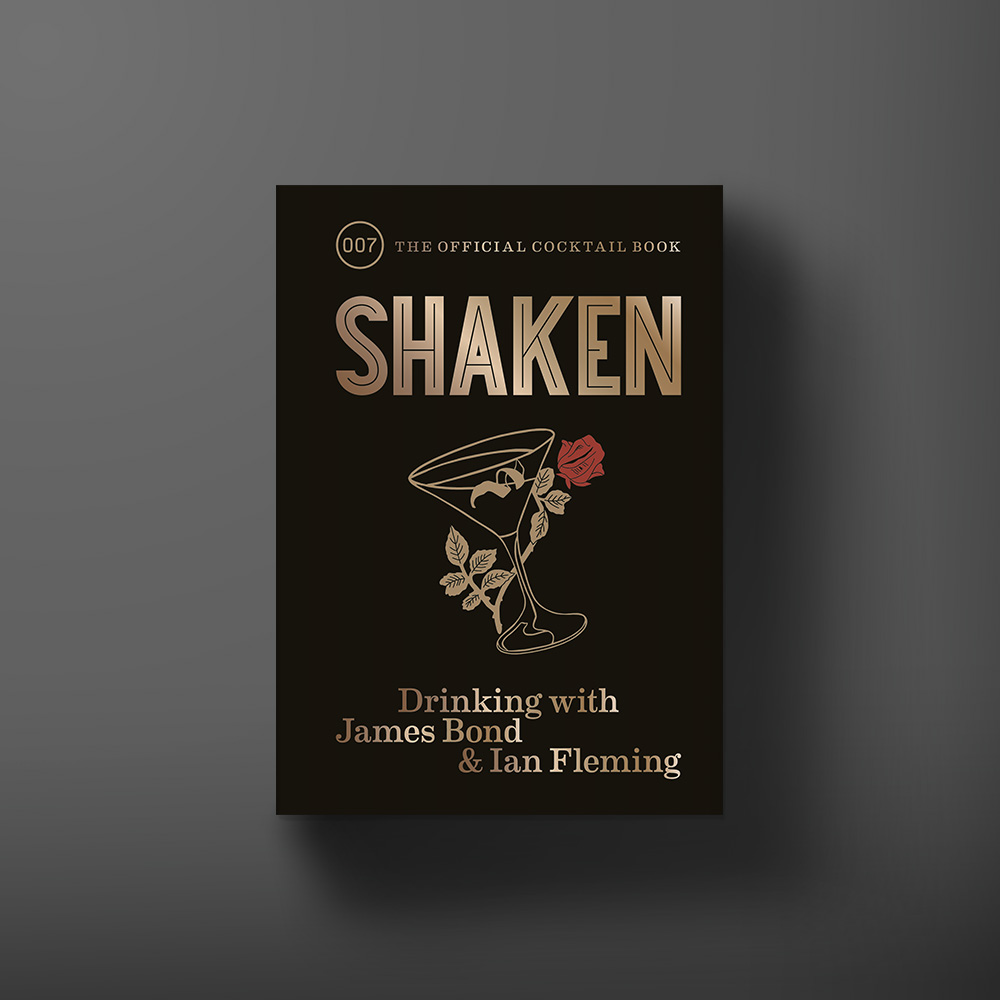
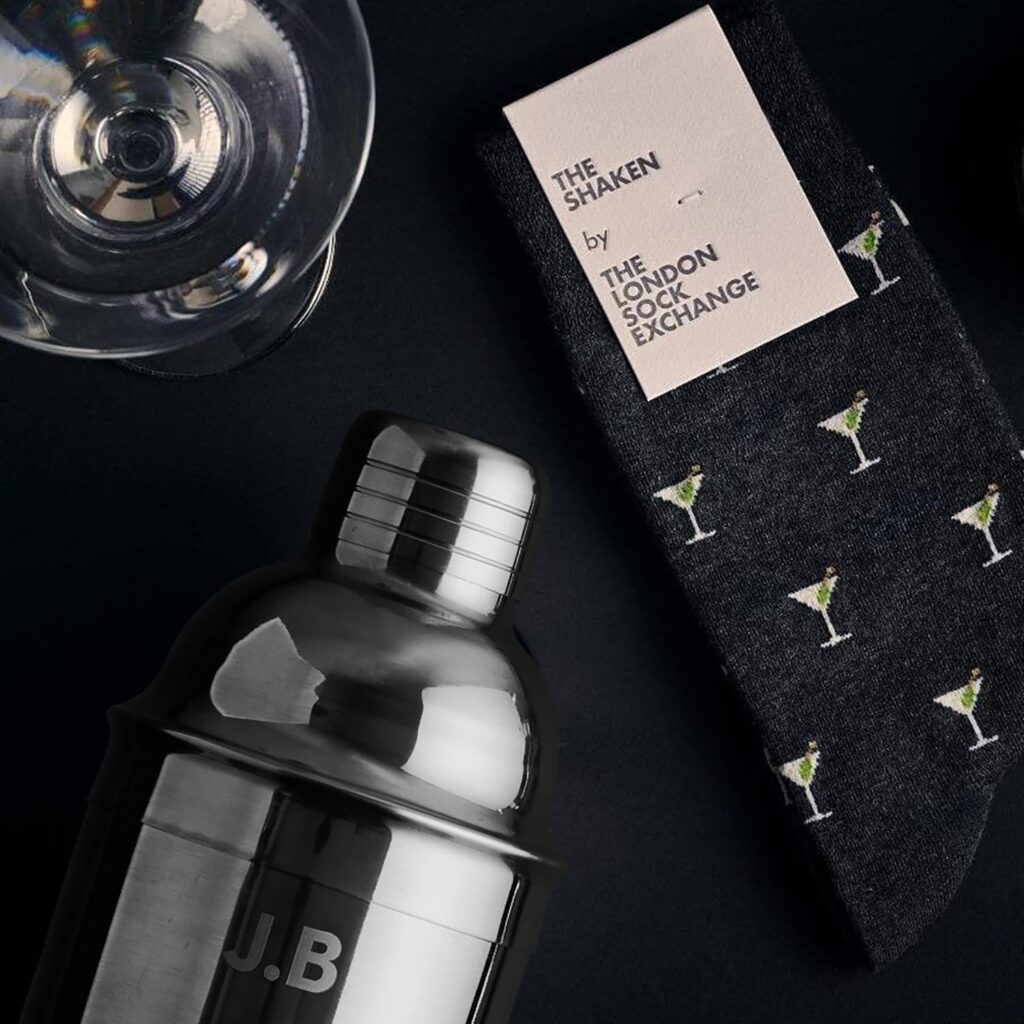
Equip them with the perfect accompaniments to their cocktail cabinet. Shaken: Drinking with James Bond and Ian Fleming is the official 007 cocktail book and features 50 delicious recipes inspired by Fleming’s stories. Or cause a stir with ‘The Shaken’ socks, the perfect design to raise a glass to.
FOR THE ARMCHAIR SLEUTH
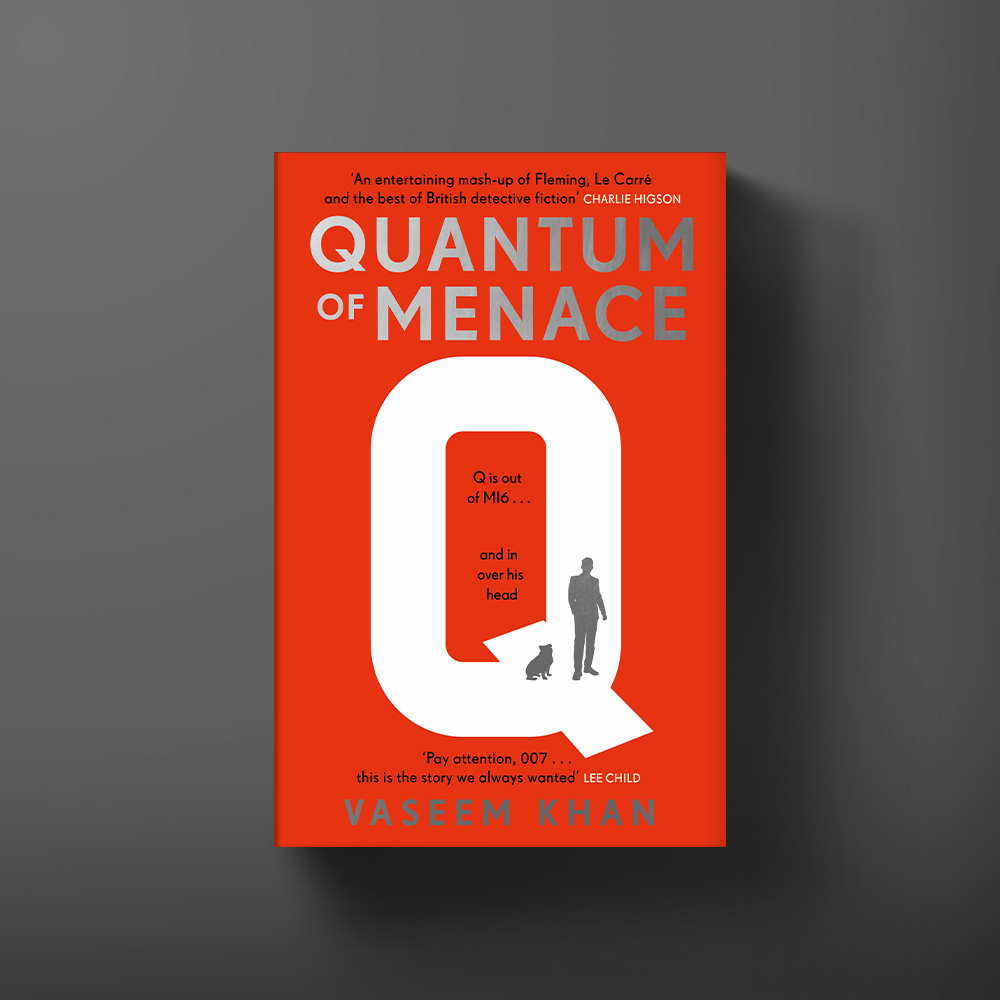
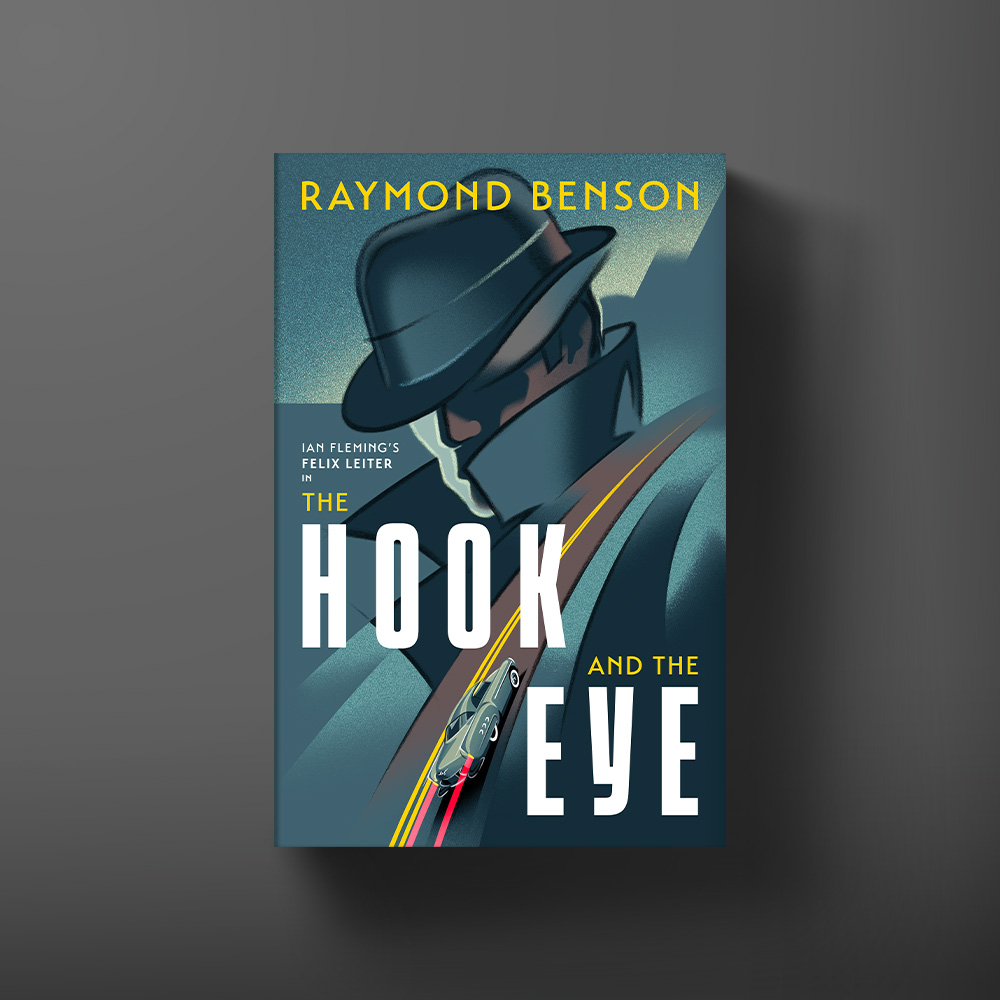
Give them a mystery they can sink their teeth into. Q is out of MI6, and in over his head in Vaseem Khan’s new novel Quantum of Menace, where Q’s investigating the death of a childhood friend turned quantum computer scientist . Or step into Raymond Benson’s new adventure, The Hook and the Eye, set after the events of Live and Let Die, following Felix Leiter’s first job as a private detective.
FOR THE HISTORIAN
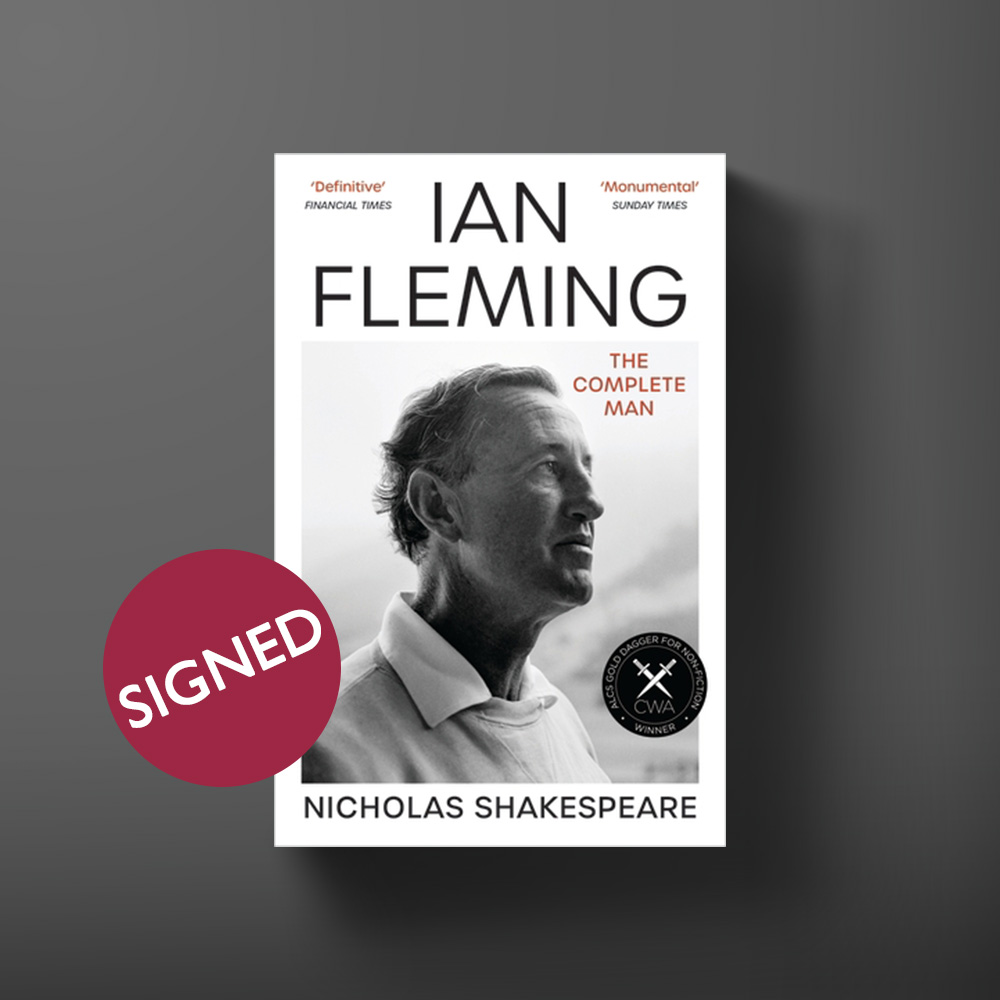
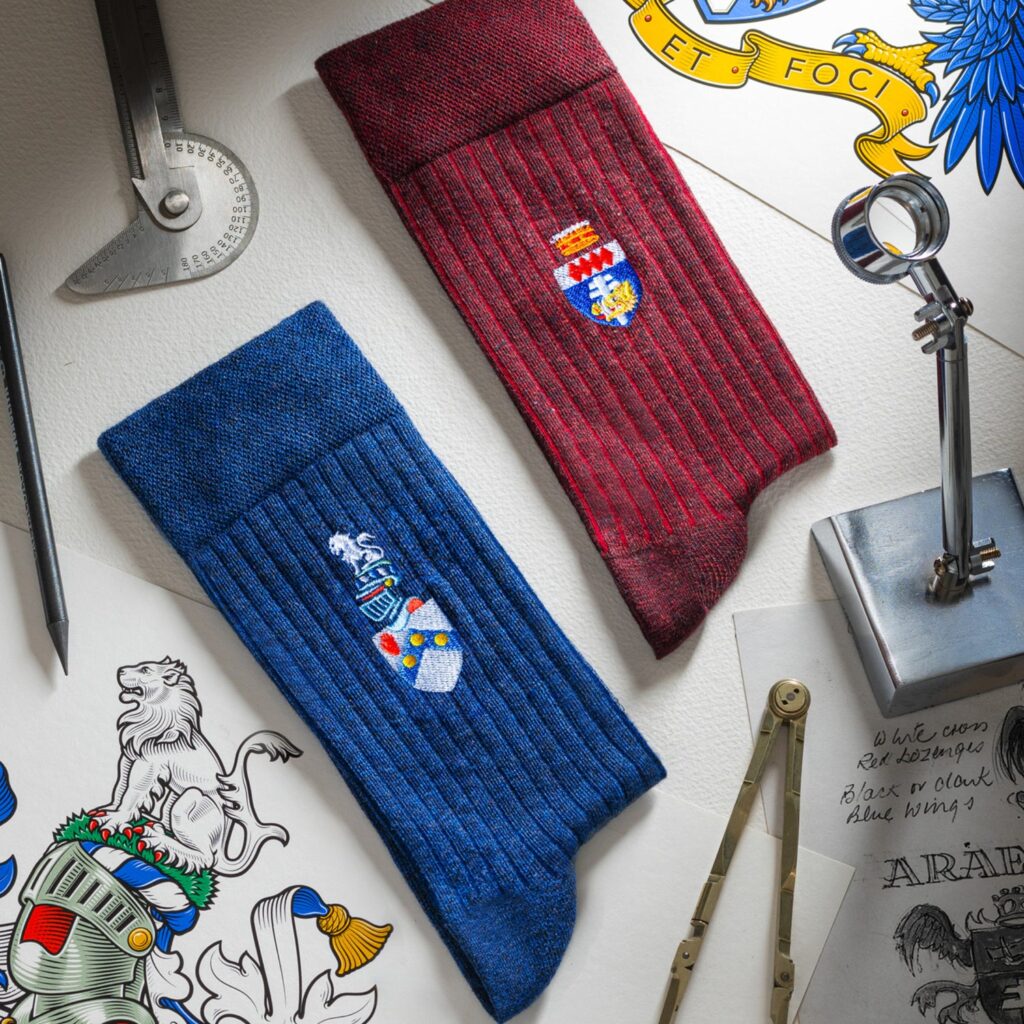
Dive into the detail with gifts for the bedside table or library. The award-winning biography Ian Fleming: The Complete Man gives a new perspective on the writer’s life. Choose an edition signed by author Nicholas Shakespeare to make it even more special. Or what about Fleming’s lesser-known work of non-fiction, The Diamond Smugglers, which tells the true story of an illicit multi-million pound scheme smuggling gems out of Africa. Or dive into James Bond family history with the ‘Heraldry’ sock giftset, containing two pairs of socks embroidered with the Bond and De Bleuchamp/Blofeld crests.
FOR THE JETSETTER
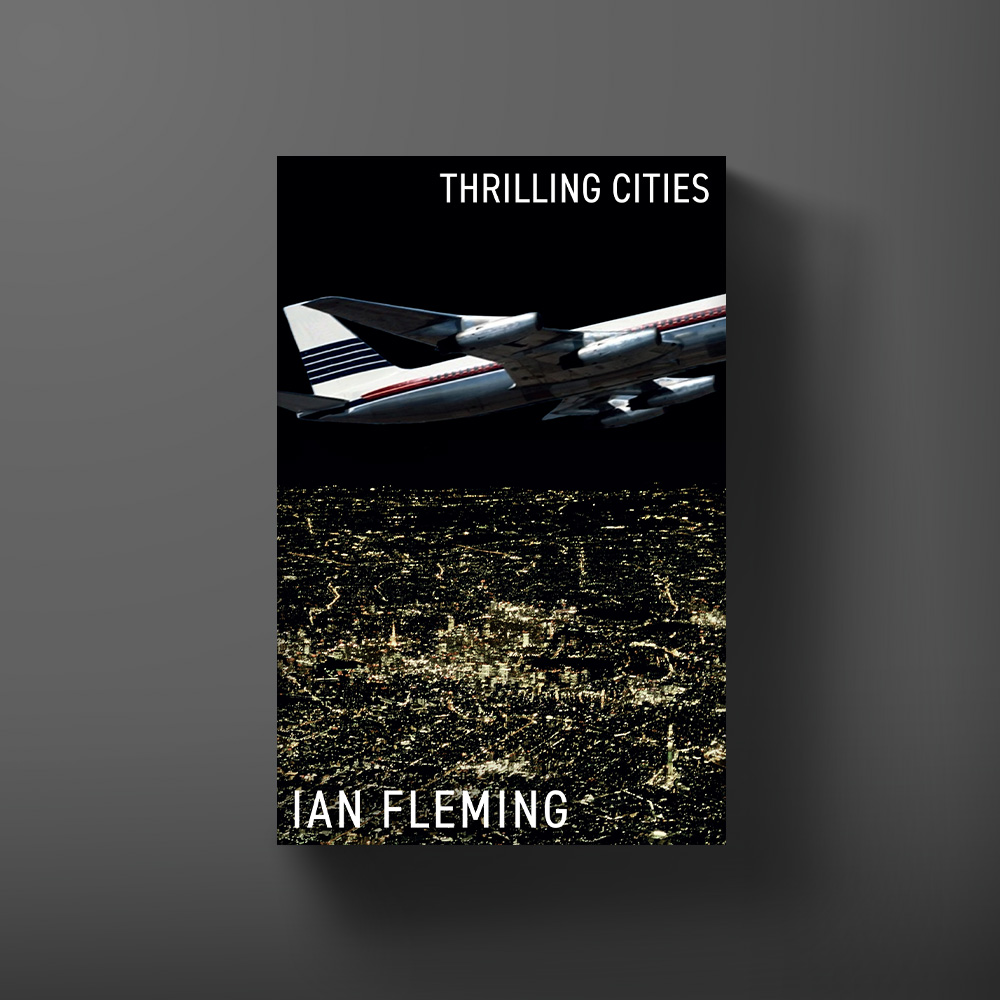
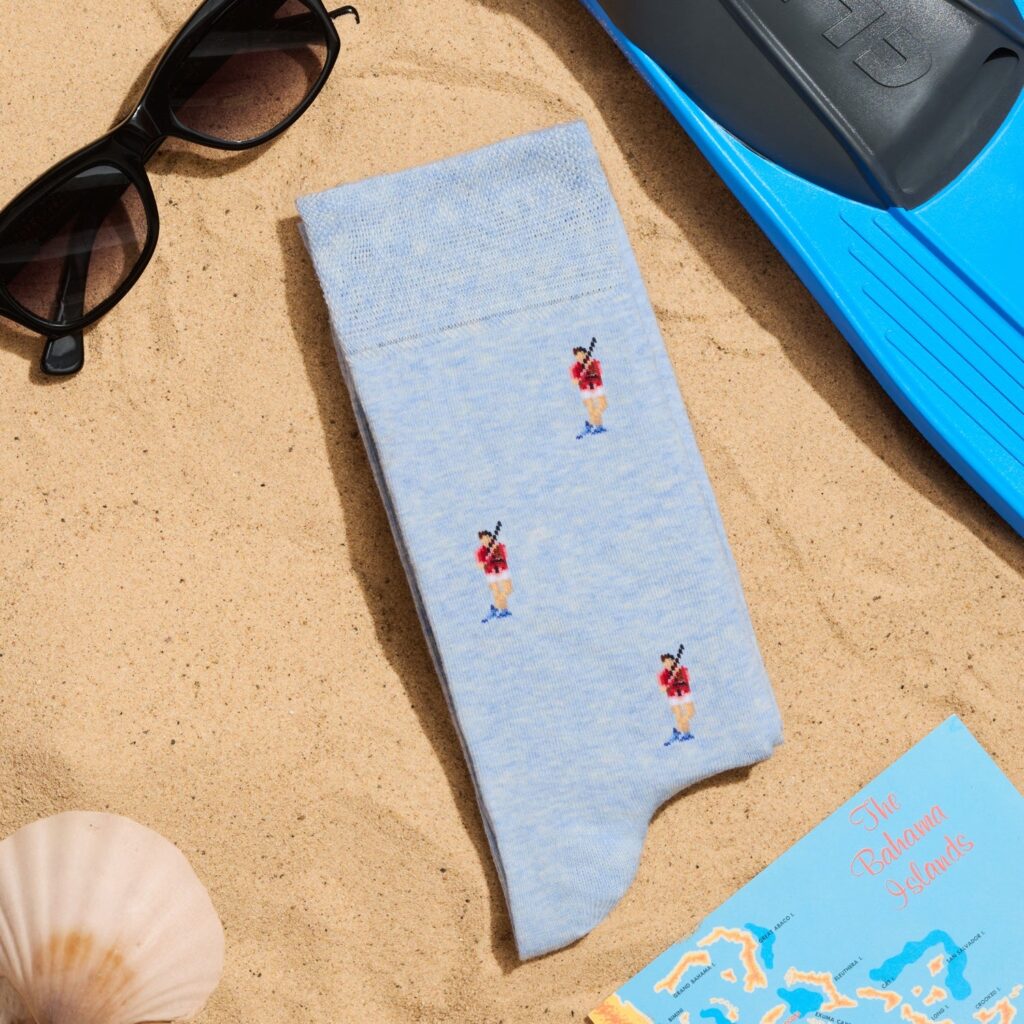
Globetrotters can get a vivid snapshot of a mysterious, vanished world as they explore fourteen of the world’s most exotic locations alongside Ian Fleming in his non-fiction book Thrilling Cities. Or conjure up tropical sunshine with ‘The Thunderball’ socks, featuring 007 in classic scuba kit with speargun.
FOR THE MODERN AGENT
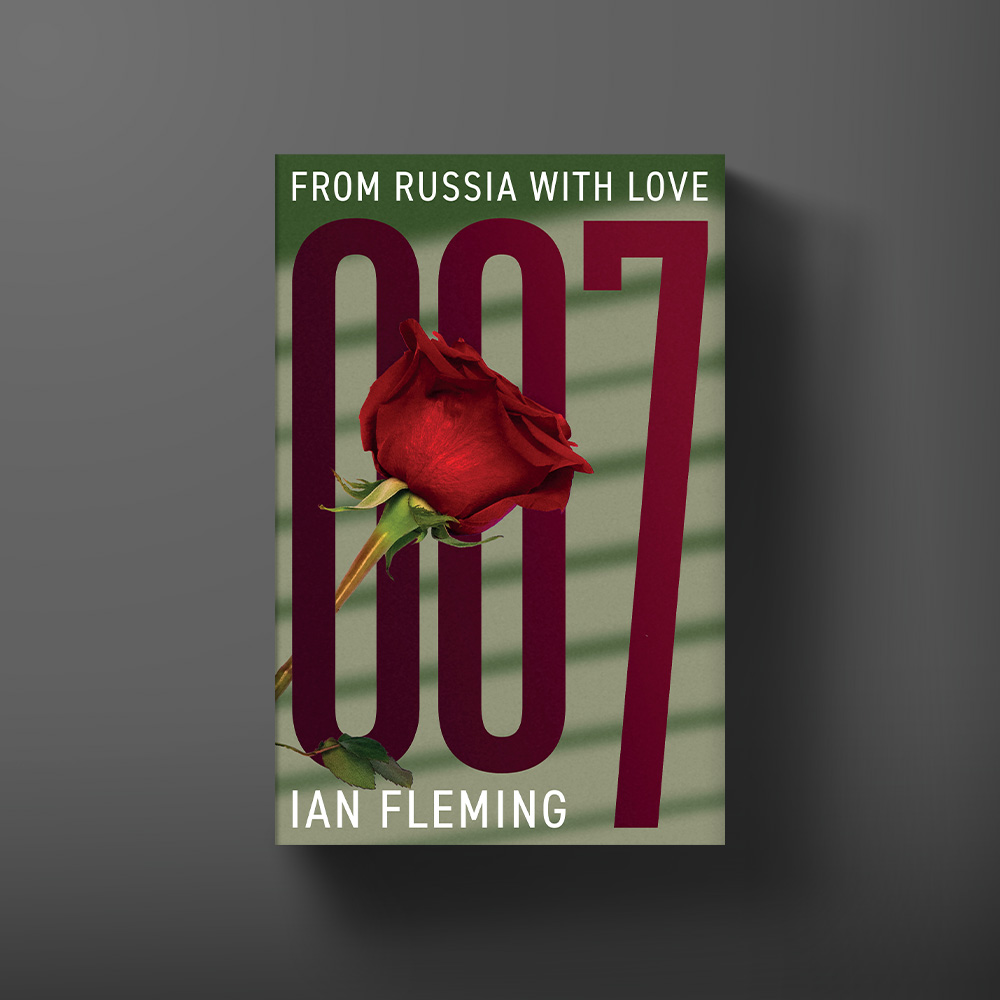
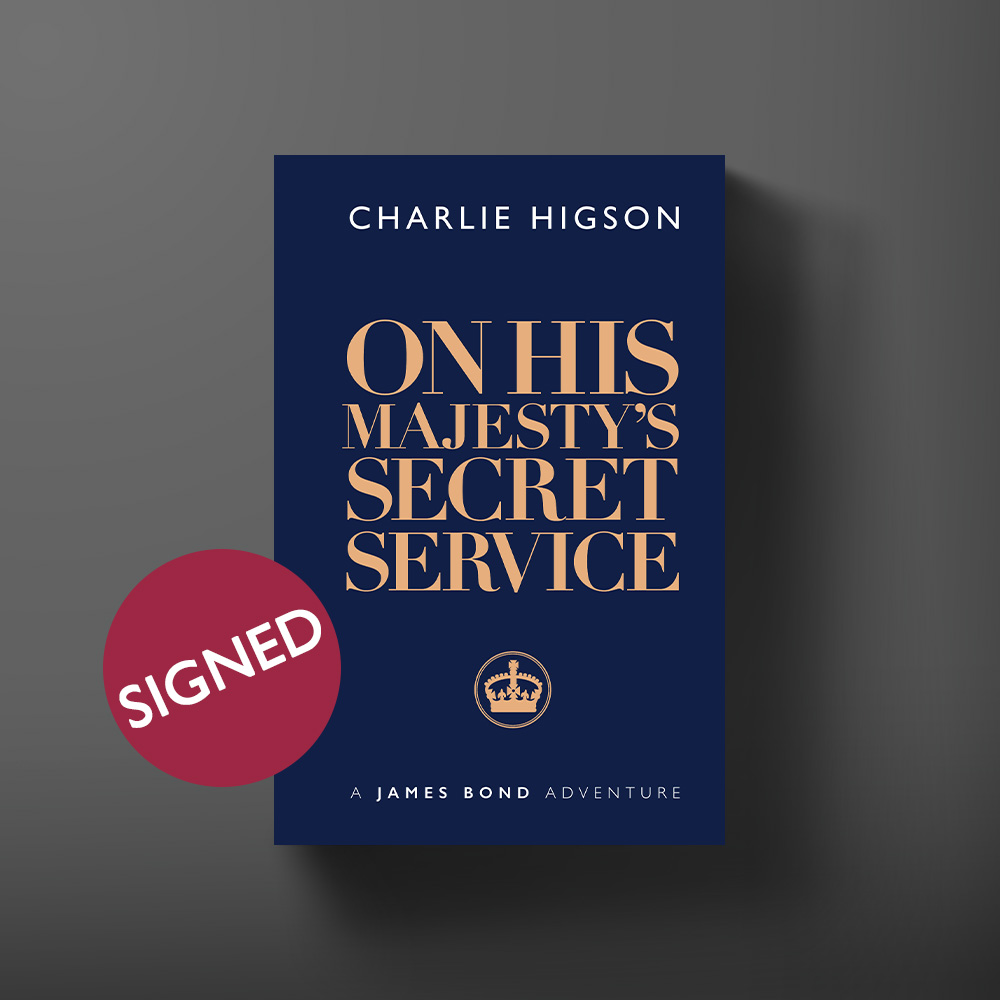
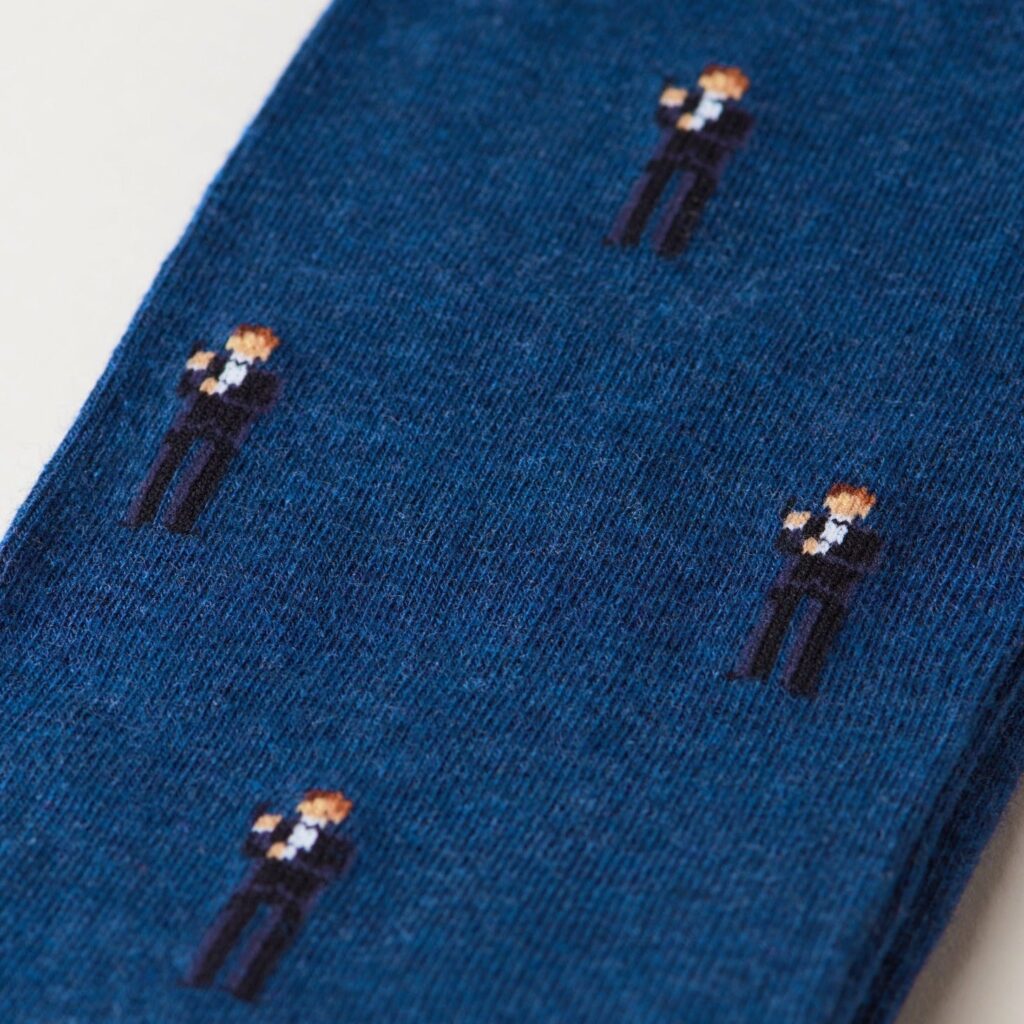
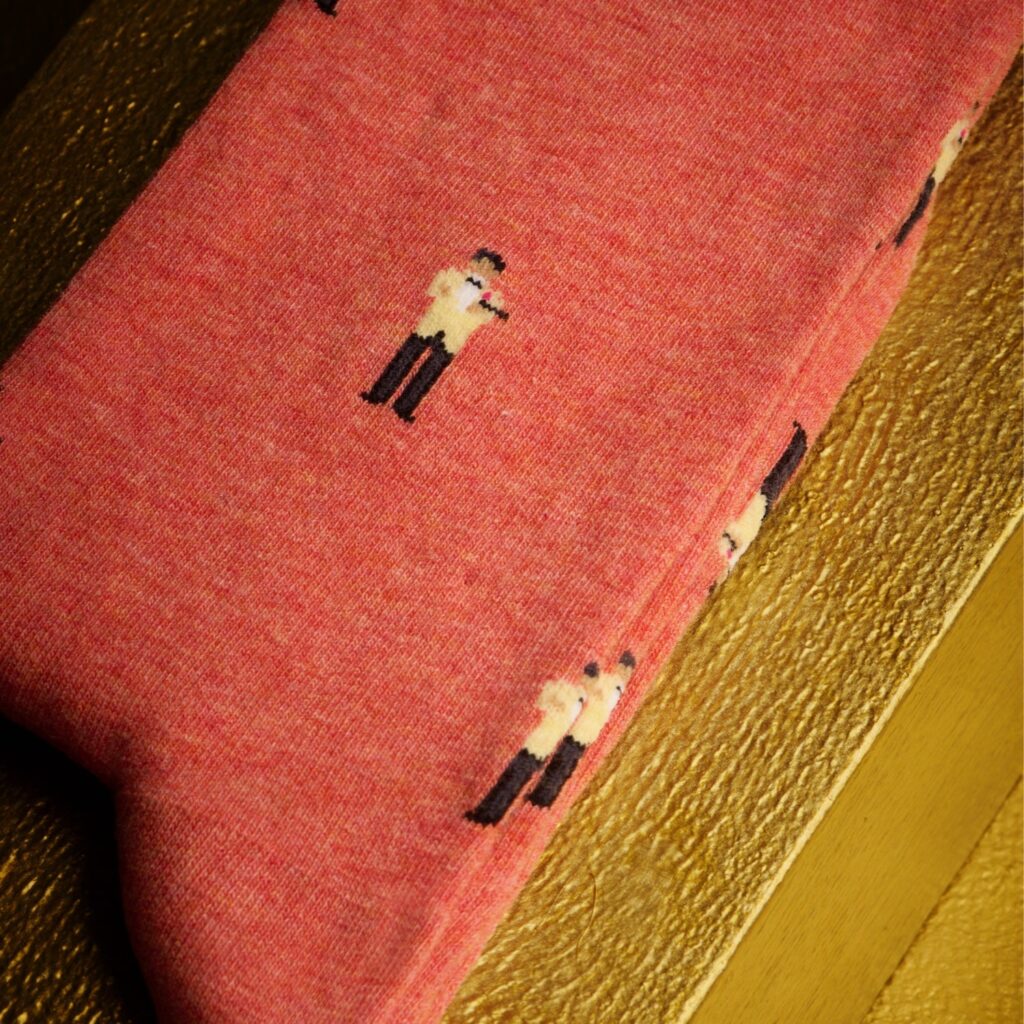
How about their favourite Ian Fleming 007 adventure in hardback or paperback? Or take them on a mission of a lifetime with a signed edition of Charlie Higson’s On His Majesty’s Secret Service. It’s two days before the coronation of King Charles III and Bond is tasked with foiling an attempt at (murderous) disruption. ‘The Double-O’ or ‘The Agent’ socks will upgrade their footwear… the only choice: black tie or white tux?
FOR THE KIDS
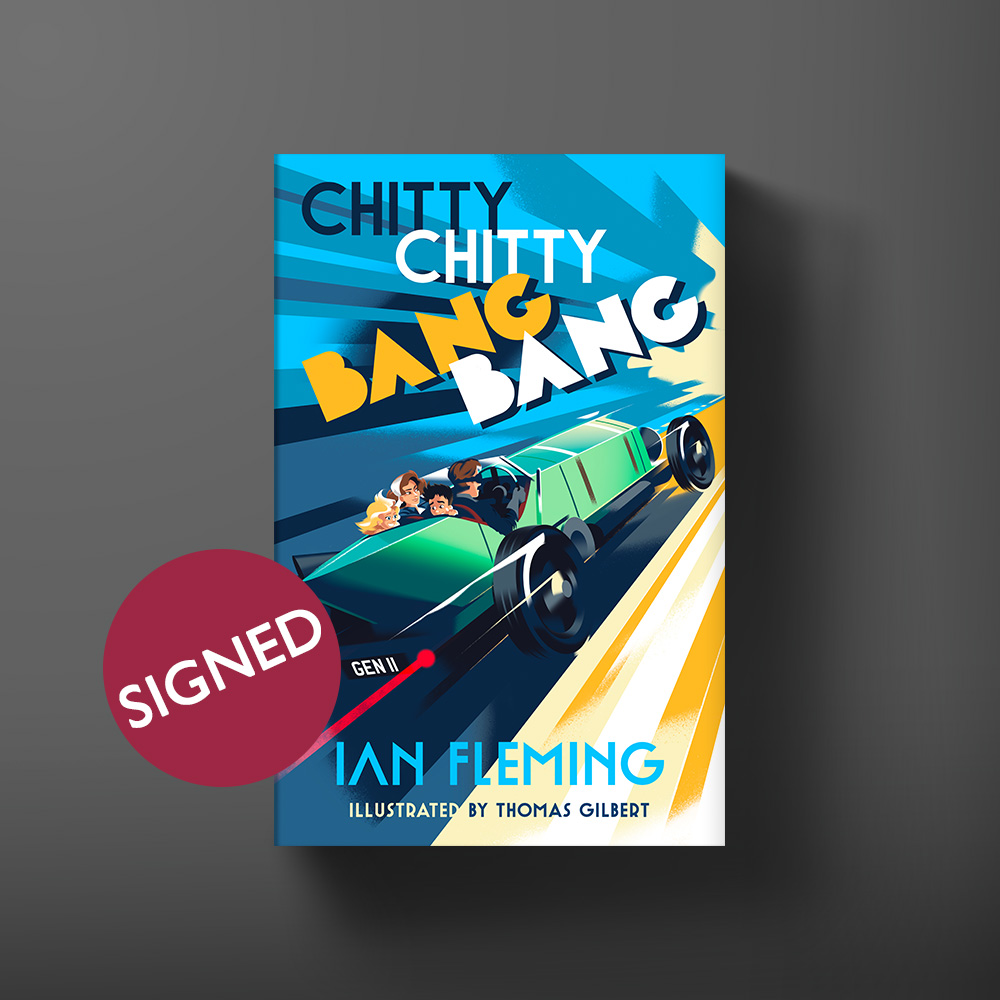
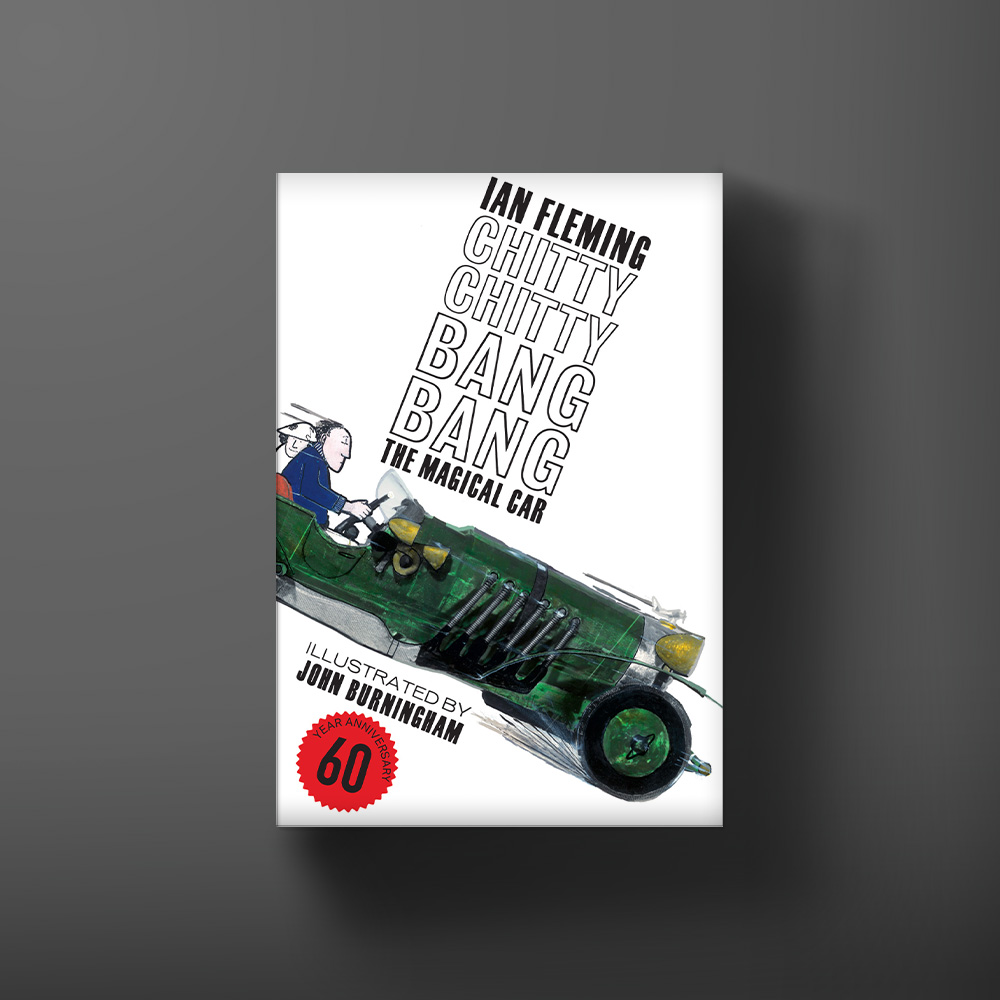
Buckle up for a magical adventure with Ian Fleming’s classic Chitty Chitty Bang Bang. Gift the paperback edition, signed by illustrator Thomas Gilbert, or our 60th anniversary collectible hardback, featuring the original artwork and cover by John Burningham.
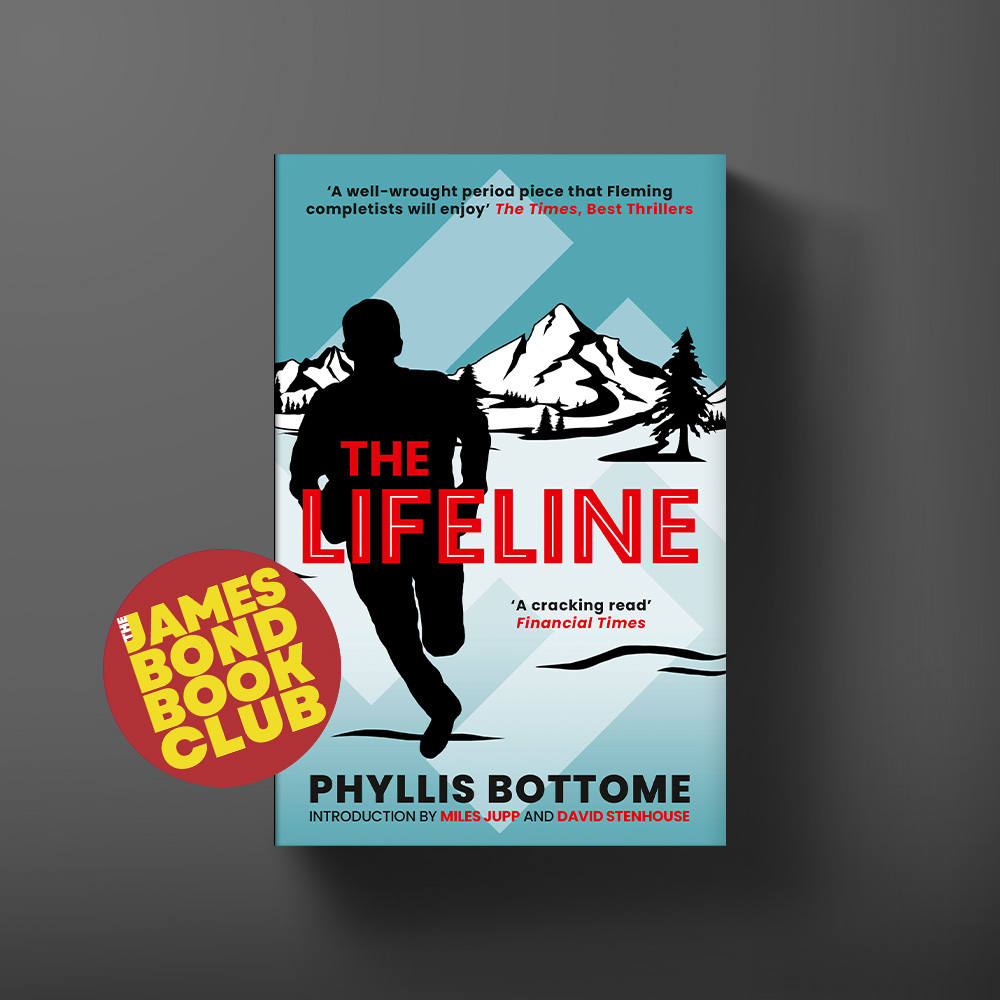
Welcome to our very first James Bond Book Club selection, The Lifeline. This month we’re shining a spotlight on a classic thriller first published in 1946 by Faber. It’s an essential read if you’re a fan of Ian Fleming’s work or love a smart, original, fast-paced spy story.
Republished by Muswell Press in 2024, with an intro from Miles Jupp and David Stenhouse, The Lifeline is the work of English writer Phyllis Bottome. Bottome mentored Ian Fleming in the 1930s and the book is often discussed as a key influence on Fleming’s own spy fiction.
OVERVIEW
The story takes place in Austria in 1938, as Nazism tightens its grip on Europe. Our protagonist, Mark Chalmers, is a teacher at Eton and leads a comfortable and detached life. He adores Austria, where he spends his holidays, but prefers to stay out of the world’s increasing turmoil. Everything shifts when an old friend from the Foreign Office introduces him to the enigmatic “B,” and recruits him for a dangerous mission. Reluctantly, he agrees to parachute into Nazi-occupied Austria to deliver vital intelligence to a British agent, armed only with his orders and, in case of capture, a suicide pill.
Chalmers plans to do the one job then walk away, but once he reaches his destination he’s drawn into the fight against fascism and there is no turning back. Seeing a country he loves under tyranny awakens something in him and what starts as a gripping adventure story becomes a rich, thoughtful study of the psychology of a spy.
WHY WE CHOSE IT
We’ve picked TheLifeline as the first James Bond Book Club recommendation not only because of its exploration of espionage but also because of its connection to Ian Fleming. Phyllis Bottome and her husband, Major Alban Ernan Forbes Dennis (himself a spy), ran a school for languages in Kitzbühelm Austria in the 1920s. Following his shortened stints at Eton and Sandhurst, Ian was sent there to study. By his own account, it was a happy period, spent skiing, mountain climbing, and learning languages, during which he also formed a close bond with Phyllis and her husband. She encouraged Ian to write and he produced his first known short stories here, followed in 1928 by his now-lost book of poetry The Black Daffodil.
Chalmers, The Lifeline‘s protagonist goes on a moral journey and hints at the kind of hero Fleming would later create. Scholars often point to The Lifeline as a spiritual precursor to James Bond, exploring moral complexity and the post-war psyche from a more humanistic angle. It’s thought to have deeply influenced Fleming’s vision of duty, danger, and decency… the DNA of Bond himself.
THEMES TO CONSIDER
– Resistance and morality. Bottome examines how individuals act under oppressive regimes and what it means to live with integrity in dark times.
– Education and empathy. The novel questions education as a means of building character and combating hate. Can empathy be taught?
– Courage in everyday life. Rather than glorifying espionage or violence, TheLifeline celebrates quiet, human bravery, something that contrasts with the more glamorous heroism found in Fleming’s later Bond novels, yet hints at the moral depth Bond would inherit.
REVIEWS
The Financial Times, Best New Thrillers – ‘A cracking read. Top marks to Muswell Press for bringing this book back’
The Times – ‘The real thing…a well-wrought period piece that Fleming completists will enjoy’
Crime Time – ‘Fascinating. A major inspiration for Ian Fleming’s James Bond. A jolly good read.’
The Sunday Post – ‘A thriller of a highly diverting and original kind’
The Time Literary Supplement – ‘A gifted and entertaining novelist’
Starting in 1916, Phyllis Bottome wrote over 30 novels and a series of short stories and novellas, including the anti-Nazi best-seller, The Mortal Storm, based on her experiences of living in Germany. Four of her books have been turned into films, including The Mortal Storm, which became a Hollywood blockbuster starring James Stewart. Her work is currently enjoying a much deserved revival and we are delighted that our friends at Muswell Press are bringing The Lifeline to a new audience. Muswell Press is a small British independent publishing house, owned and run by sisters Kate and Sarah Beal, focused on crime, contemporary fiction, biography and LGBTQ stories.
We hope you enjoy exploring our first James Bond Book Club pick. Follow our social channels for more on the book, and get your copy of The Lifeline at the Ian Fleming Shop here.
For more insights into Ian Fleming’s personal life and history, read Talk of the Devil, an anthology featuring his non-fiction, reviews, letters and two short stories. Available as a hardback, eBook and audiobook.
Ian Fleming famously wanted to write “the spy thriller to end all spy thrillers.” Did he succeed? Or did he initiate a genre that continues to evolve in his wake?
As the home of spy fiction, Ian Fleming Publications is delighted to announce the launch of the James Bond Book Club, bringing you the best of the best in spy fiction: the books that inspired 007, and the ones that carry his legacy forward.
From foundation-laying classics to razor-sharp modern thrillers, each monthly pick will be chosen for its connection to the themes, style, or spirit of Ian Fleming’s iconic creation. Some books directly influenced Fleming’s writing while others meet the same high standards of tension, sophistication and craft, but all of them embody something unmistakably Bond.
Whether you’re a lifelong Bond fan or just someone who enjoys smart, stylish spy fiction, the James Bond Book Club is a new way to discover standout stories from across the genre, from its defining classics to its boldest contemporary voices.
Follow along for monthly announcements and join the conversation on our social channels. Plus, stay tuned for exclusive content such as reviews, interviews and extra recommendations.
Join us on 2nd December for our first book reveal. We look forward to reading with you.
We’re thrilled to announce a new blockbuster 007 literary adventure, James Bond and the Secret Agent Academy, by bestselling crime writer M.W. Craven. Publishing in June 2026, it will kick-off an action-packed new series for readers aged 8-12.
The series will take the world’s most beloved secret agent to a place of dread, weirdos and strange food: school. A new generation of young heroes, mentored by 007, have entered the Secret Agent Academy to see if they have what it takes to join the ranks of the Double O’s. Together with Bond can they defeat a deadly foe lurking in the shadows – and, more importantly, can they pass their exams? For existing fans and a new generation of spy adventure readers, this is 007 like you’ve never seen him before.
The series is written by bestselling and CWA Ian Fleming Steel Dagger award-winning crime and thriller author M.W. Craven who says, “While writing a middle-grade book that features James Bond training the secret agents of tomorrow is undoubtedly an extraordinary honour, it also comes with a daunting responsibility. The challenge of introducing Ian Fleming’s Bond – a brand that has transcended books and movies to become part of our national identity – to a brand-new audience is not something to accept lightly, but after speaking with the team at Ian Fleming Publications Ltd, sharing our concerns about recent research from the National Literacy Trust in the UK showing that reading for pleasure amongst children is at a 20-year low, it wasn’t an opportunity I felt I could turn down. Yet this is not James Bond as you’ve seen him before. Expect whacky gadgets, whacky lessons, and even whackier members of staff.”
Simon Ward, Publishing Director at Ian Fleming Publications, says: “We are always looking for stories we want to read: stories that have everything we love from Ian Fleming’s legendary James Bond adventures but with new characters and new settings that Ian would approve of. This is a James Bond story unlike any other we’ve done: a world of twisted villains, extremely silly names and bizarre gadgets but with a contemporary setting and a cast of young heroes children can relate to. For this we needed an author unlike any we’ve had before: M.W. Craven is the perfect combination of fierce intelligence, nail-biting action and mischievous humour. Not only is he the perfect adult thriller writer, it turns out that he is also a born children’s author. This is a series that kids and grownups alike will love. We look forward to welcoming all new recruits.”
James Bond and the Secret Agent Academy will be published in June 2026. Pre-order your copy now.
Join us as we take a look at the role drinks play in Ian Fleming’s James Bond novels.
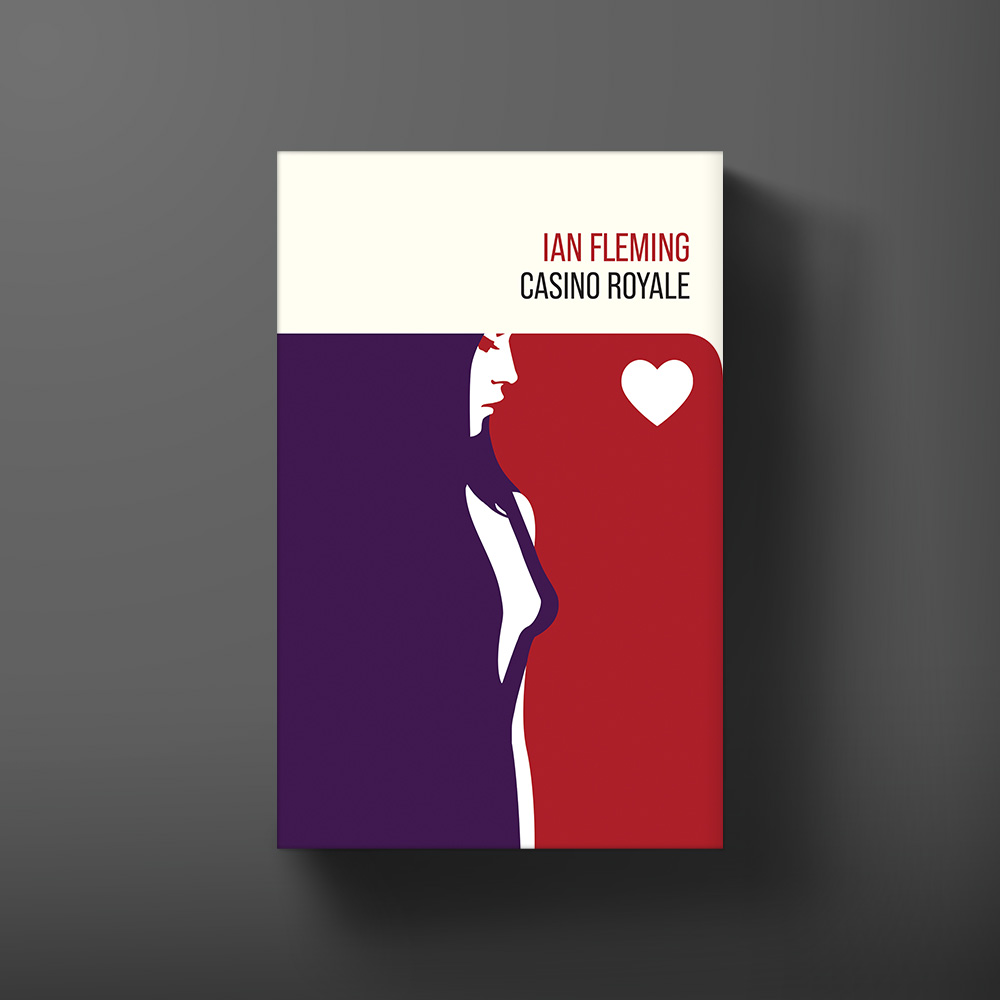
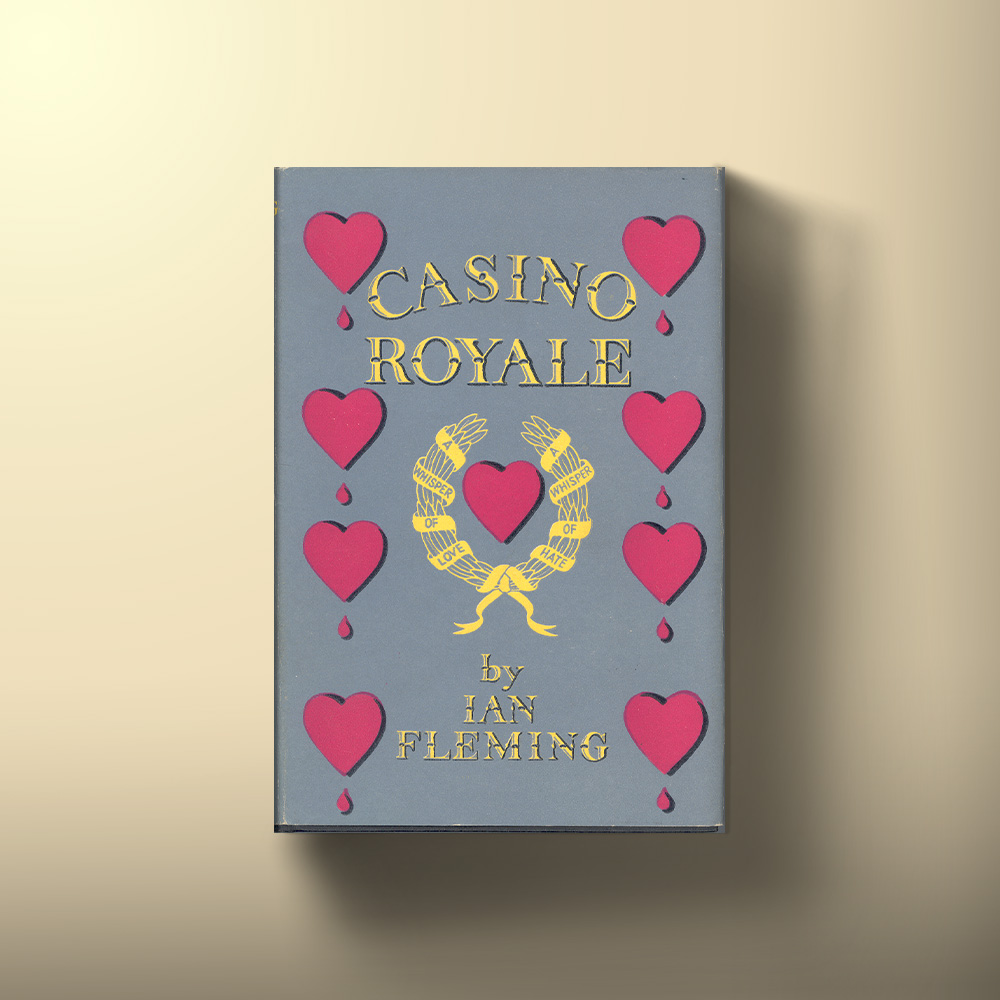
It begins in the very first 007 adventure, Casino Royale, with the immortal line, ‘shaken and not stirred’ and The Vesper martini, christened in honour of Bond’s great love, Vesper Lynd. From then on, strong, carefully crafted drinks are at the heart of every 007 story.
Ian Fleming was very particular about the finer details of his hero’s lifestyle. As well as Bond’s drinking habits, his clothes, weaponry, cars and food are all described with precision, a narrative trait which is perfectly highlighted by his instruction on how to make the perfect martini.
Diamonds Are Forever
‘The waiter brought the martinis, shaken and not stirred, as Bond had stipulated, and some slivers of lemon peel in a wine glass. Bond twisted two of them and let them sink to the bottom of his drink. He picked up his glass and looked at the girl over the rim. “We haven’t drunk to the success of a mission” he said.’
The particular attention that is paid to how eggs should be scrambled, how a car should be customised and how best to serve vodka, are all testament to the writer’s own preferences. Though many have debated how much of Ian Fleming there was in James Bond, there has always been agreement amongst fans that Fleming shared his own tastes and enthusiasms with his character. Along with the advocation of particular brands, these strokes of realism provide a layer of truth and help to bring the fantasy of James Bond’s world to within the readers’ reach. ‘All these small details’, Fleming wrote, ‘are ‘points de repère’ to comfort and reassure the reader on his journey into fantastic adventure.’
Goldfinger
‘James Bond, with two double bourbons inside him, sat in the final departure lounge of Miami Airport and thought about life and death.’
In a feature titled ‘London’s Best Dining’ for Holiday magazine, Fleming provides a tip for American tourists on how to sample a decent martini, showing how much it mattered to him beyond the pages of his novels.
‘It is extremely difficult to get a good martini anywhere in England. In London restaurants and hotels the way to get one is to ask for a double dry martini made with Vodka. The way to get one in any pub is to walk calmly and confidently up to the counter and, speaking very distinctly, ask the man or girl behind it to put plenty of ice in the shaker (they nearly all have a shaker), pour in six gins and one dry vermouth (enunciate ‘dry’ carefully) and shake until I tell them to stop. You then point to a suitably large glass and ask them to pour the mixture in. Your behaviour will create a certain amount of astonishment, not unmixed with fear, but you will have achieved a very large and fairly good Martini.’
Paying attention to exact details are crucial skills for any spy who wants to complete a mission successfully and safely. The life of a secret agent is one of daring action and life-threatening peril. James Bond’s preference for the finer things in life suggests that when the moments of danger have passed, pleasures should be indulged. Enjoying the very finest dover sole and a glass of chilled champagne provides 007 with a reward and pushes his experiences to the height of sophistication and quality, in those brief respites from danger.
Live and Let Die
‘There are moments of great luxury in the life of a secret agent… occasions when he takes refuge in good living to efface the memory of danger and the shadow of death.’
As well as enjoying the pleasures of drinking, alcohol serves to ease the conscience of a cold blooded killer such as 007, and provides moments of relief in a life of violence and upheaval. Drinks play a soothing role in the James Bond novels and offer a well-earned splash of luxury after a long day spent navigating the dirty business of spying.
Discover 50 cocktails inspired by the characters and plots of the 007 novels in Shaken: Drinking with James Bond and Ian Fleming, created by the team at award-winning Bar Swift in London’s Soho.
We sat down with Bond novelist Raymond Benson to talk all things Felix, Fleming, and The Hook and the Eye. Read on to learn more about the latest adventures of James Bond’s trusted friend and ally.
After a long break from writing for Ian Fleming Publications, how does it feel to be back with a brand new story?
It feels great! For one thing, the people at Ian Fleming Publications are fabulous to work with. Both now and back when I was doing the Bonds in the late 1990s and early 2000s when there was a completely different team in place. In the past I was fortunate to work with Peter Janson-Smith, the man who was Ian Fleming’s literary agent. He not only acted as editor and mentor in a professional capacity to me, but he was also my friend. I miss him a great deal. That said, I love working with you lovely folks at IFPL now. It’s been a uniquely rewarding experience doing The Hook and the Eye with everyone. I’m glad to be back.
How did you find reconnecting with Felix, was it challenging at first or did it feel like returning to an old friend?
I love Felix. I always have, ever since I first read Fleming’s books as a kid in the 1960s. Somehow I identified with him, maybe because he was a Texan (I was born and raised in Texas, too). And while several fine actors portrayed Felix in the films, we’ve never seen Fleming’s literary character on the silver screen. For one thing, in four of the six books Fleming wrote in which Felix appears, he has a prosthesis for a right hand. But there’s also a joviality to his personality that’s only in the books. He’s very much a “kidder” and he always stays upbeat. Having the opportunity to get to know Felix better and place him in his own adventure was indeed like returning to an old friend—and that includes revisiting the Bond universe itself.
What was the very first thing you did regarding your research for this project?
The first thing I did was re-read all the Felix passages in the Fleming books. I’ve read the novels numerous times throughout my life and I know them well. I just wanted to reacquaint myself with Felix’s speech, the way Fleming presents him, and also note the details of Felix’s life and history that Fleming gave us. There isn’t a lot about Felix prior to his meeting Bond in Casino Royale. But there are tidbits and clues… enough for me to take and then develop into something bigger. I then wanted to know exactly how his prosthesis would affect his life. Fleming doesn’t give us much info about the “hook.” When I first read the books, I pictured in my head a pirate hook. That, of course, is not what it would have been. In the time period I set the story—the early 1950s—Felix’s prosthesis would have been supplied by the Veterans Administration and similar to what actor Harold Russell had in the movie The Best Years of Our Lives. I sought out a prosthetics doctor who provided a lot of the information I needed to give readers a better understanding of how Felix deals with his disability and still manages to be something of a detective hero!
Felix Leiter is usually seen as a loyal ally to James Bond, but in this novel, he’s on his own. How did you approach writing from Felix’s perspective, especially in the context of a detective story as opposed to a Bond adventure?
I was certainly inspired by the pulp noir novels of the 1940s and 1950s, and certainly by Fleming’s 1950s-era novels. There’s a certain vibe that you get when you read those things. I’m not saying The Hook and the Eye is a pulp noir crime novel, but there are elements. I also wouldn’t call Fleming pulp noir nor “hard-boiled.” He was his own unique thing. I suppose I’ve fashioned the book more in his direction. I wanted it be as if Fleming had somehow developed an American voice and written the book himself in 1953. One thing that helped me immensely was the decision to write the novel in first person, from Felix’s perspective. This also helps generate that noir sensibility, but it also allows the reader to get to know Felix very, very well! We’ve never had a Bond novel written in first person, save for The Spy Who Loved Me, and that narrator isn’t Bond! So that’s a big difference in the way I’ve approached a Felix Leiter detective story as opposed to a James Bond adventure.
This project has been in the works for a long time. How different is the end result from your original concept?
Not very different at all! I’m not sure this is relevant, but way back in the late 1980s the very first novel I ever wrote was about a private detective who had a prosthesis. He wasn’t Felix Leiter. He was a different guy, but similar enough that down in my subconscious I was maybe thinking he was my version of a Felix Leiter. The title of the book was, coincidentally, Hook and Eye, Inc., as that was the name of the character’s detective agency. The story, locations, and time period were completely different from The Hook and the Eye. Peter Janson-Smith read the book and gave me some good feedback, but he agreed with me that it was the proverbial “first novel” and belonged in a drawer, never to see the light of day again! But it was a learning experience, and perhaps Peter saw then that, for future reference, I could begin a novel and, more importantly, finish it. Anyway, the current “true” conception of a Felix Leiter novel began after I had done my Bonds, which finished up in 2002. I wanted to see a Felix book in Fleming’s timeline that addressed his life and work in the early 1950s. The notion had come up occasionally in conversation with you at IFPL since that time, but doing a project like that just wasn’t in your plans then. Now it is! Last May 2024 I pitched the concept to Simon Ward, and that evolved into a full blown written proposal and outline, after which I received the green light. The concept and story hasn’t changed since. I suggested the title, The Hook and the Eye. I never meant for that to echo the title of my long lost unpublished first novel, but it better fits this one.
Aside from having a Texan background, are there any similarities between yourself and Felix, either in terms of personality, values, or life experiences? How much of yourself do you see in him, and did that influence your writing of his character?
Whenever any author uses a first person narrative, I believe a touch of the author’s own voice goes into that of the narrator. I don’t think it can be helped. I think I know exactly how Felix would sound in real life because I knew and know men like him. I don’t think Felix has an exaggerated Texas drawl. He spent time in Europe and Washington DC. His accent would be tempered, much like mine. My Texas drawl was drilled out by being in theatre for so many years! I left Texas in my early twenties and moved to New York City. I have lived in other places in the north since then and now the Chicago area. Maybe Felix talks like I do, perhaps slower. As for other character traits… I’m sure my values match Felix’s, but we are of different generations. Felix would have been in my father’s generation, having served in World War II. That, in and of itself, makes our world outlooks markedly different. Felix did military service and worked in government afterwards—all that is foreign to me. But I know enough about those things and I have known men who have had those life experiences. It’s more about Felix’s personality. That is closer to me. I like to think I’m as upbeat as Felix. When I’m with my pals I joke around like Felix. I enthusiastically praise whatever food and drink we’re having in Felix fashion. I’m not the heavy drinker or smoker that Felix is, that’s for sure, but, like him, I’m a jazz fan! Incidentally, there’s a member of my family who was born without a right hand. So, there’s that familiarity, too. Also relevant to my own life are the locations. I’ve lived in or been to all of the locations in the story. A certain national park plays a big part in the tale, one that I’ve visited numerous times because it was in close proximity to where I grew up. The route of Felix’s road trip is one I traveled a few times. The settings in The Hook and the Eye are some of my favorite places in America.
Your attention to historical detail, particularly with the placement of the story between Live and Let Die and Diamonds Are Forever, adds a level of authenticity to the narrative. What were the challenges in fitting The Hook and the Eye into this established timeline, and how did you integrate the social and cultural landscape of 1952 into the plot?
John Griswold’s 2006 book, Ian Fleming’s James Bond: Annotations and Chronologies for Ian Fleming’s James Bond Stories speculated when in the real world that Fleming’s books took place. John used clues from the books and other factors and came up with believable conceits. He determined that Live and Let Die actually took place in January and February 1952. Diamonds Are Forever was in late summer 1953. Thus, my story for Felix could take place throughout most of 1952. This was fortunate for me because some real world events occurred that year that I felt could play into the tale. Once I committed to that setting, it became a matter of researching the period, especially the American landscape at the time in terms of roads, restaurants, and hotels that Felix would be using. I had to approximate what did and didn’t exist in 1952 in certain cities that are in the story. I was born in the 1950s. It really wasn’t too far removed from my own memories. The small town in Texas where I grew up was always at least five years behind the times of major urban areas like, say, New York… or even Dallas. There are a lot of places in the States, especially in rural areas, where remnants of the past still exist. Even today you can visit small towns in America and find a Main Street that was built in the 1930s or 1940s with vintage movie theaters, retail businesses, diners and coffee shops, and offices. Sort of a ”lost Americana” that’s hiding in plain sight. That’s what I was interested in conveying. When I could, I used real places that might have been prominent in 1952 but are now either a shadow of what they were or, usually, completely gone. I also had to be mindful of what things cost then. Then there were the social mores that existed then. All the smoking. The drinking. Repressed sex. The burgeoning jazz scene. The Cold War political environment. All of this plays into The Hook and the Eye.
Without giving too much away, how did you go about developing Felix’s love interest/sidekick, Dora? What can readers expect from her?
Well, to talk too much about her would indeed give a lot away! I suppose I was thinking about the old films noir that had femmes fatale. (A femme fatale in those old films was usually a bad woman who led an otherwise good man to his doom.) I wanted someone that evoked that kind of character… but mind you, that doesn’t necessarily mean that Dora is a femme fatale. I wanted to give her an air of mystery that is compelling for Felix. Is she bad? Is she good? I’m hoping that she will keep the readers guessing, just as she keeps Felix guessing.
There is so much to love about Felix as a protagonist. What do you hope readers enjoy most?
I’m hoping that readers will connect to Felix’s personality and get to know him as a fully drawn character. The positive feedback I’ve received so far from beta readers, editors, and the IFPL board seems to concentrate on Felix himself and the voice I’ve given him. The mystery-melodrama story/plot is also something a bit different for the Bond literary universe, but I believe it’s something Fleming might have come up with had he decided to write a Felix Leiter novel himself back in the 1950s. At least I’d like to think so.
Find out more about Raymond’s writing process in our Hooked on Leiter video series.
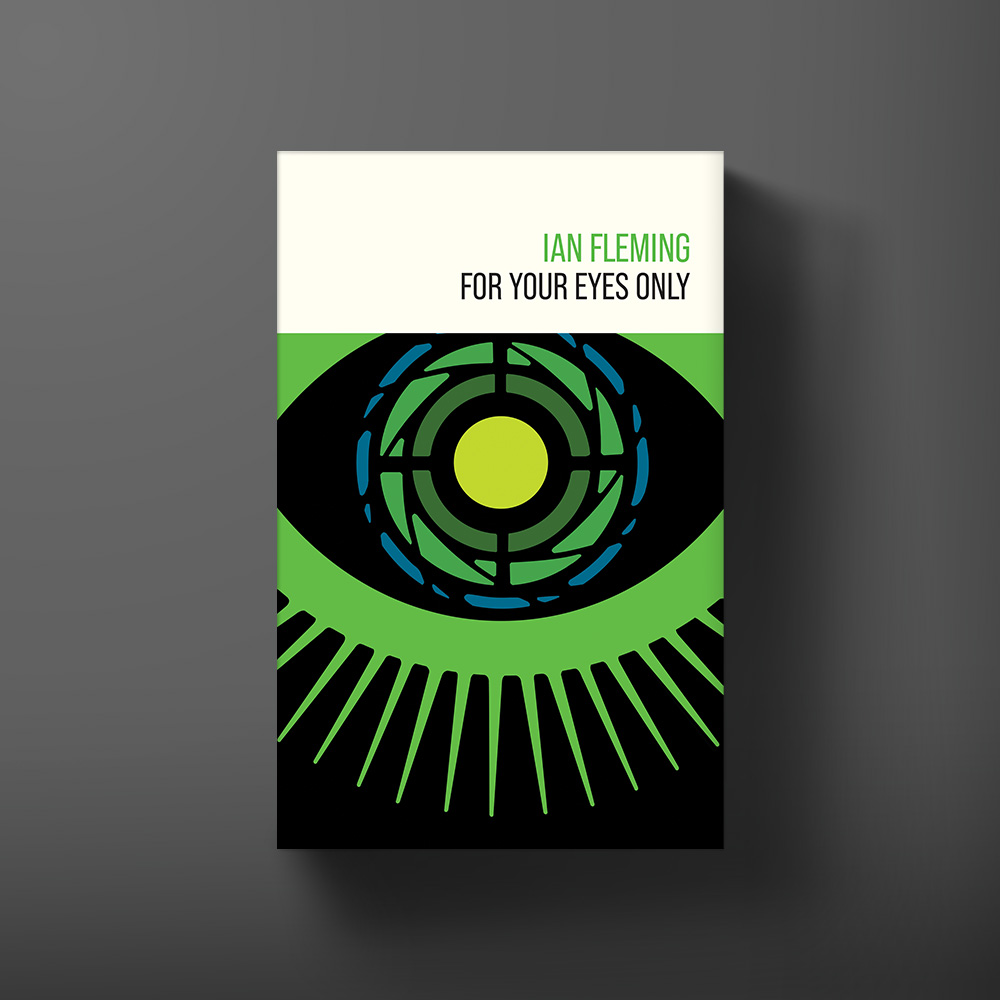
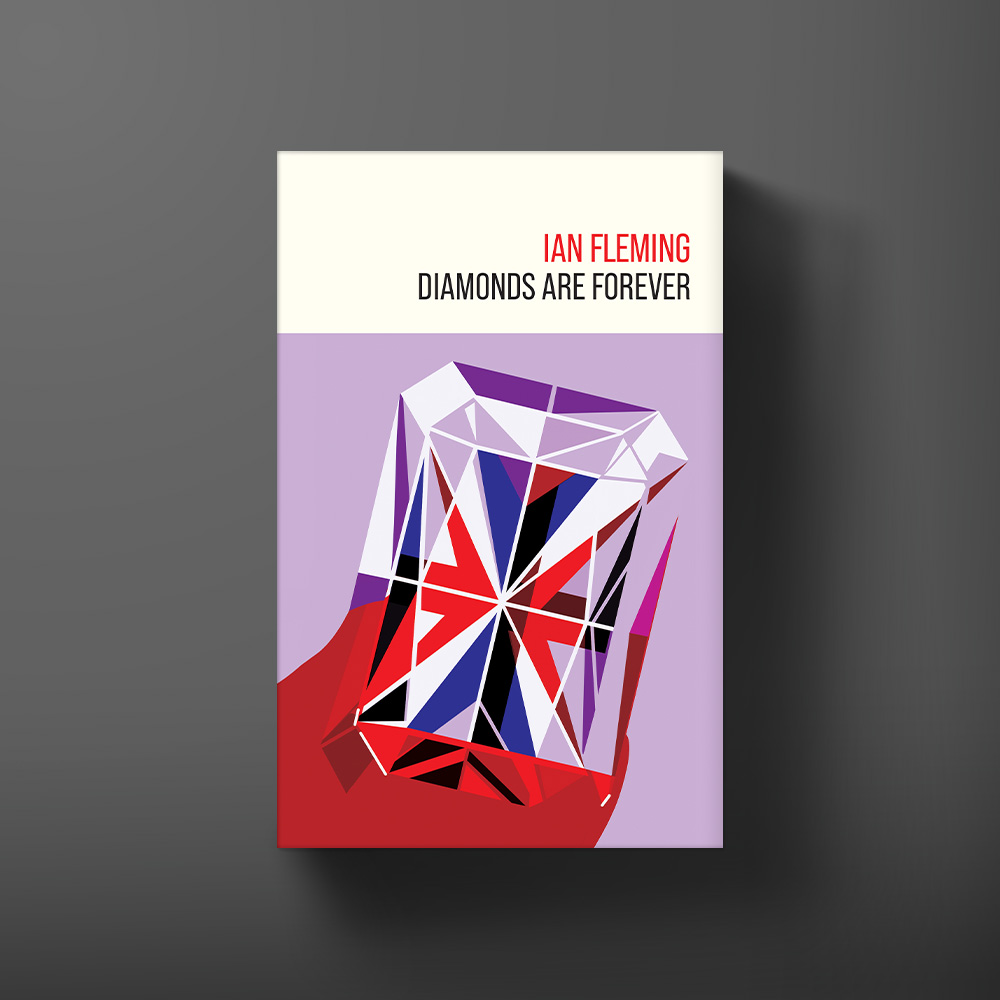
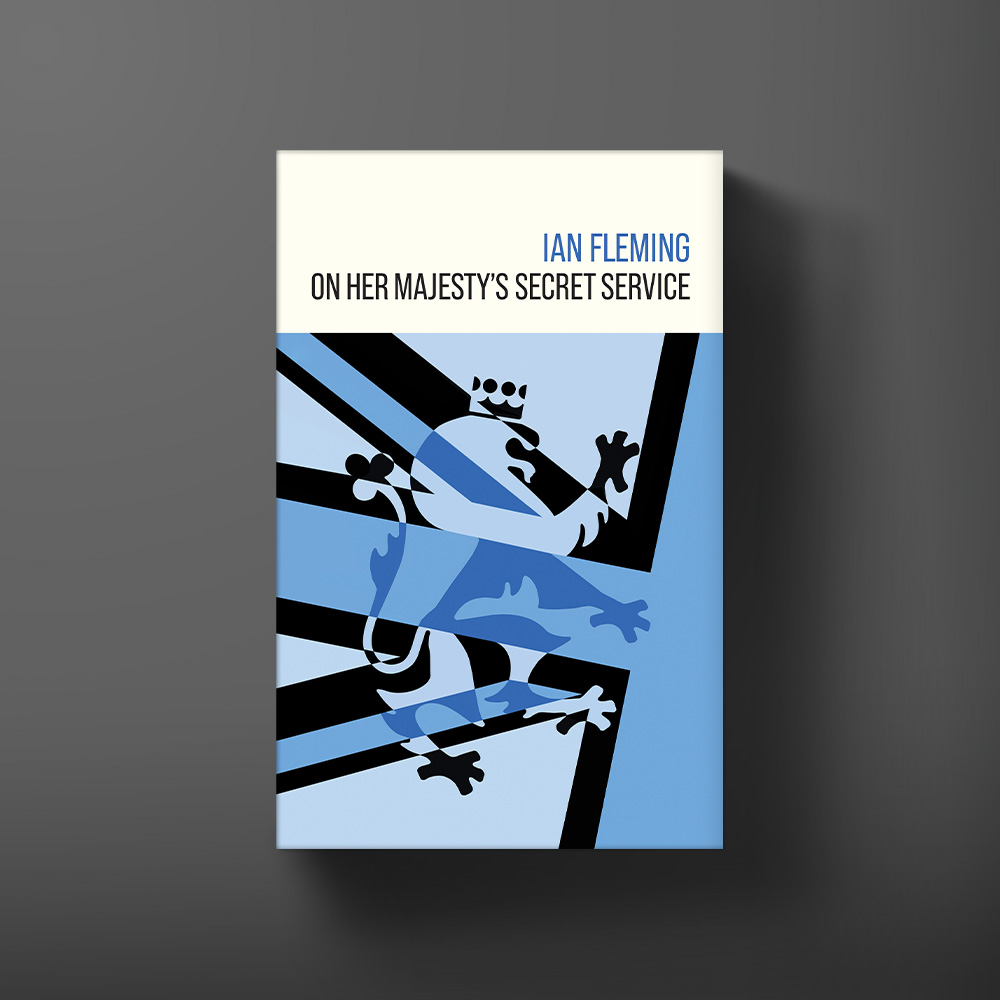
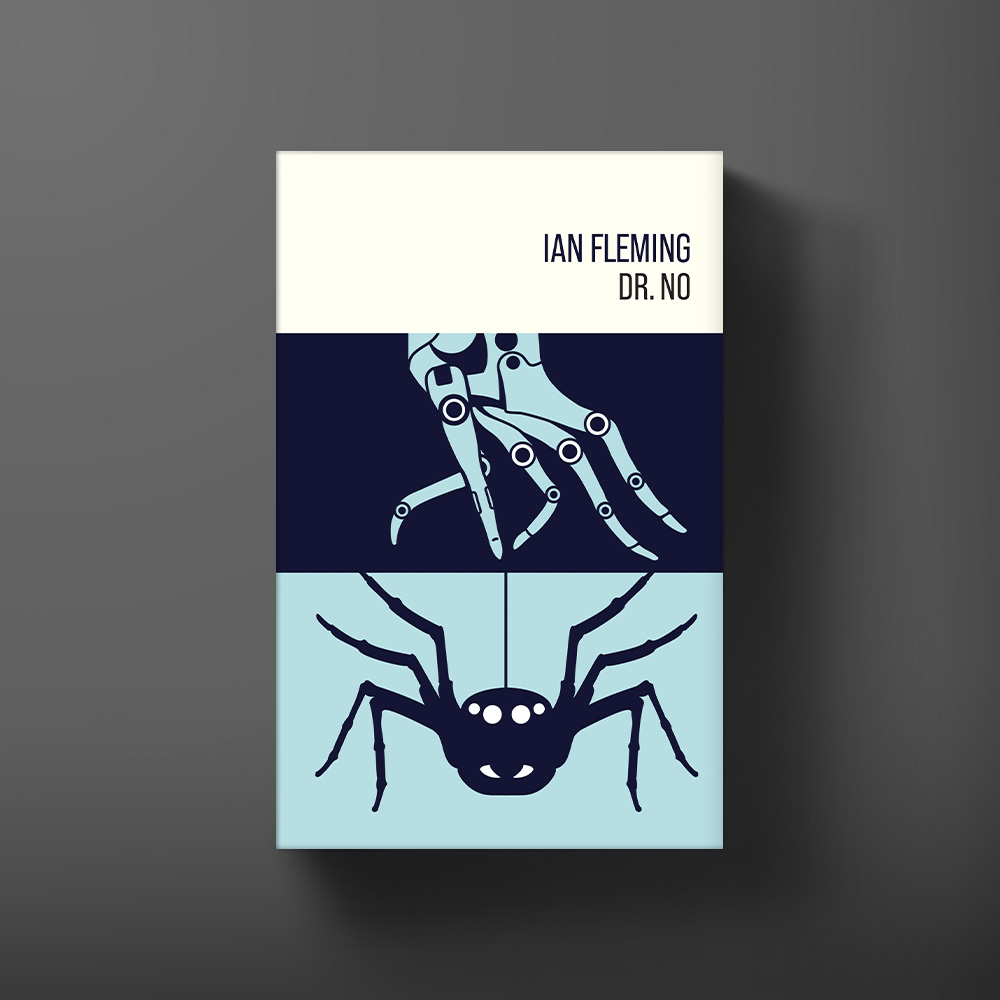
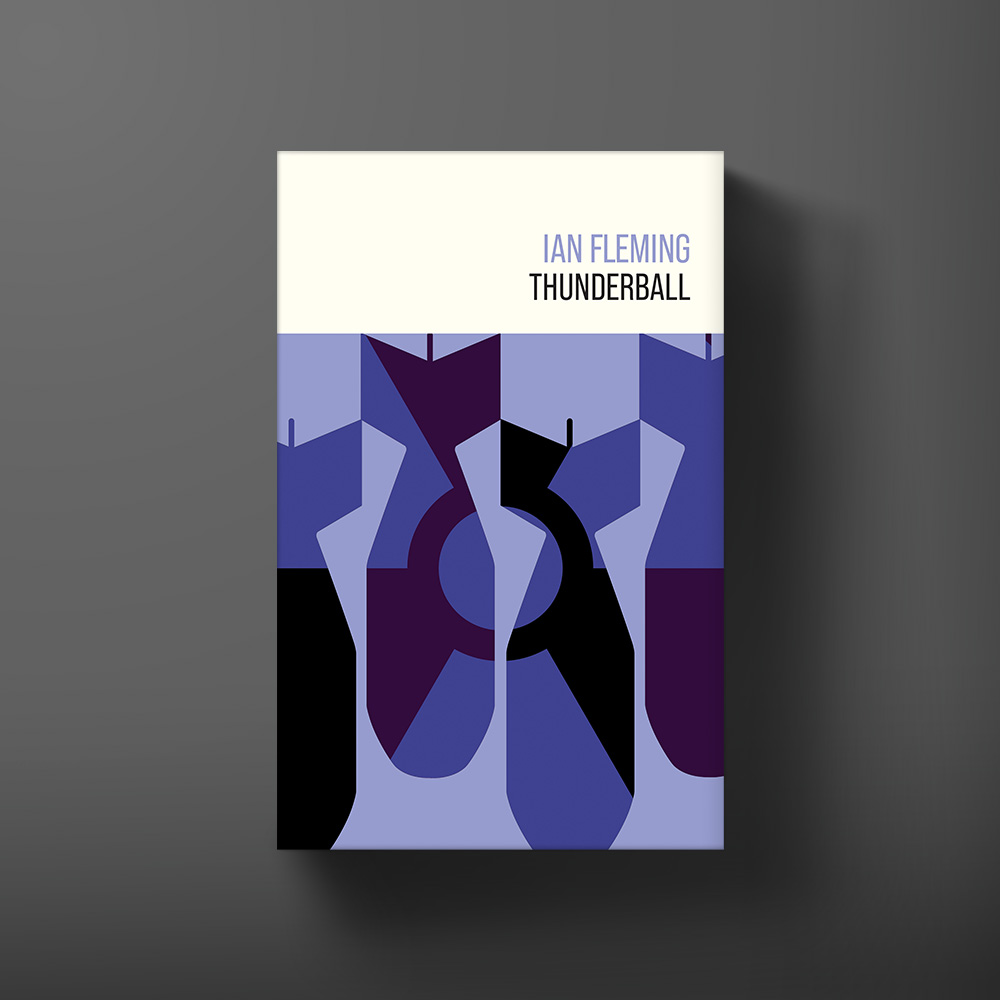
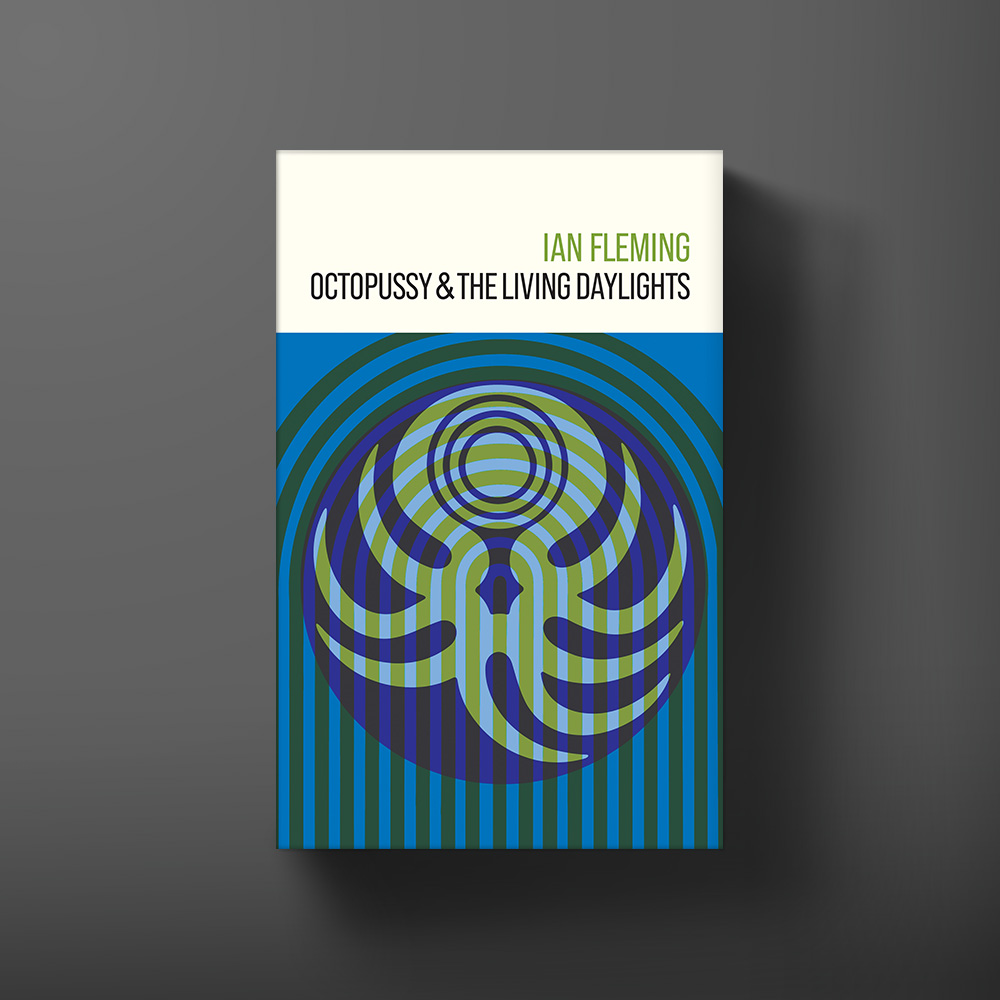
We sit down with Michael Gillette, the man behind the colourful James Bond hardback editions, which are now also available in limited edition art prints at ianflemingshop.com.
How did it feel to collaborate to build on Fleming’s 007 legacy with us at the start of our self-publishing journey?
2018 was when I first had the idea to pitch these designs. I felt like it was inevitable that you would self-publish the books. I’m not sure you’d even decided to at that point [we hadn’t!] so I don’t know why I was so convinced. I had the idea for something really geometric, simple, bright and bold which hadn’t been done, that I could recall. I’m really glad you’re self-publishing. In the shifting sands, it’s the right thing to do. And I know it’s a massive venture. I started out doing sleeves for indie bands, and it feels a bit like that. Being part of a smaller unit, you’re much more part of the endeavor, and you want it to succeed. I want the books to succeed and I want you folks at Ian Fleming Publications to succeed.
I view my career as a rodeo illustrator. Certainly when I did the centenary editions, I was right in the middle of doing a million other jobs. And obviously, I never had any dealings with The Ian Fleming Estate then, just a shadowy missive every now and again that would come through Penguin. You don’t really build a relationship, you do the job and then it’s off and gone. It’s been really interesting to get to know you all, to see how it works, and to watch your progress too. I don’t want to conflate my experience with everyone’s experience, but it seems as things get more and more virtual, the relationships that sustain are the real world relationships. That’s the way I feel. It seems like The Estate has always been a bit like that anyway – more about direct relationships and for sure, it’s hard to get into, but it is loyal once you are in there.
There was no doubt that these books had to be designed by someone who understood the Bond book world. Do you think these new circumstances had an effect on the designs and the design process?
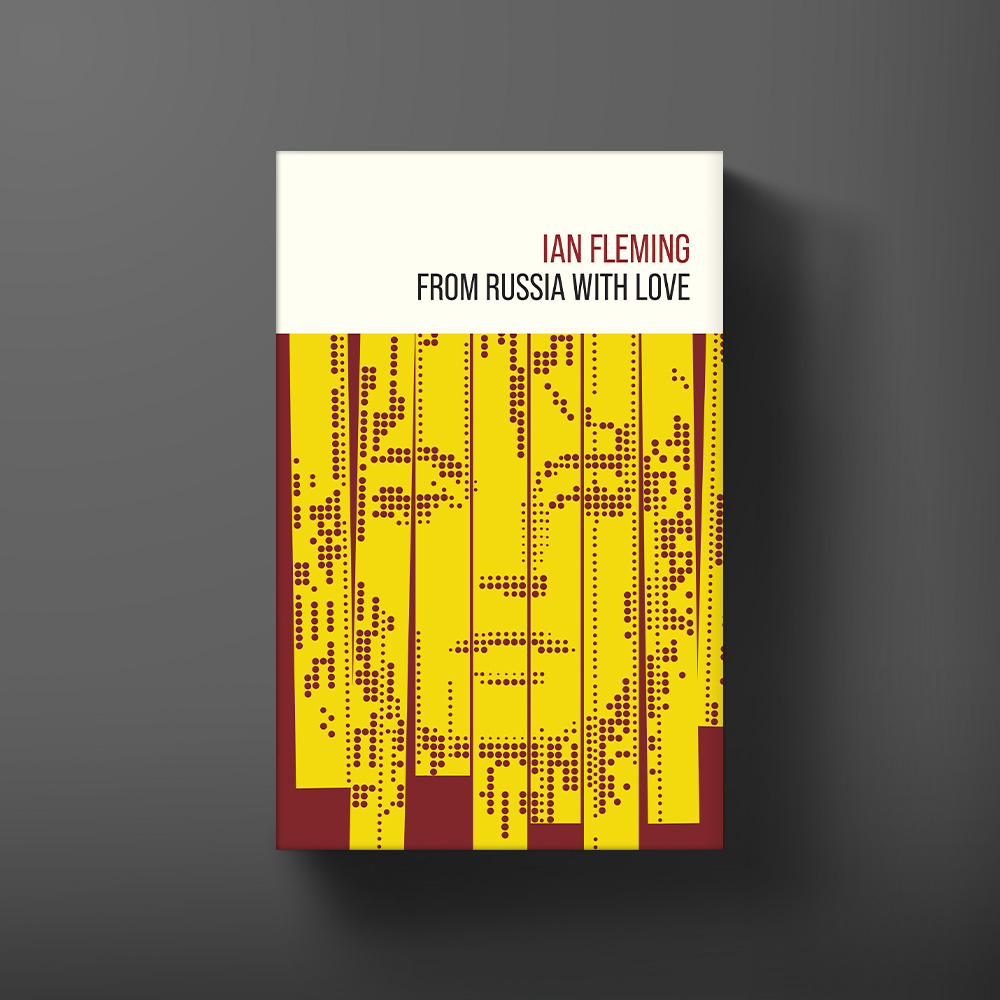
Yes definitely. At Penguin, there was a whole marketing department, a designer and an art director, John Hamilton, a legend. It did go very smoothly, but you’re being presented with something and told what to do. Even though it’s what everyone sees first, the artist is generally hired last. They know what they want, and then they pick an illustrator to do it. This project was completely the opposite, it was self-initiated. I could do anything I wanted, certainly to begin with. Take From Russia with Love. You’d already approved a different idea, but I thought this was better.
Does that extra flexibility facilitate your creative process? Do you wait for the flash of inspiration or do you go looking for it?
Well, initially the ideas came in a flood. I did this very geometric burst to begin with and then I just put them away until 2021. I was teaching a class on concept illustration which includes things like negative space and symbolism. I’d say to the students ‘your mind will give you as many solutions as you ask of it,’ which sounds ridiculous, but it’s actually true. Most people only ask for one idea, or ask for a couple of ideas, and then get very stuck. At the end of that class, I had a lull because Covid was still strong in California, so I took another two weeks. I had these ideas that were based on what I’d been teaching and showing the students, these graphic concepts. The designers I introduced them to were people like Saul Bass, and those ideas were absorbed into them too. So I did another two week burst of that, and then put them away again. I thought I could just be doing it forever.
I guess it’s just trying to keep things fresh. I teach my students that your subconscious is where all the ideas are, and your conscious is, you know, the little peak on the mountain, above the sea, and all the ideas that are going on underneath it, you just have to keep asking for them. If I got really stuck with an idea, I’d go back and read the book just to try and find a new direction on it. The other difference of this job is just how long it went on. I’ve never had anything go on this long. It’s been six years and I couldn’t show anybody at any point, apart from maybe my wife, who is a good sounding board.
With From Russia with Love, for example, there were at least four versions which are all very similar. Do you think a design improves the more times you do it, or can you overdo it?
Oh, you can kill something by over-polishing it. That one is a bit different, because it was a technical difficulty. I had an idea which I couldn’t find an easy way of executing. I could get it approximated quite quickly but making the image read without the face getting wider or distorted took a lot of shifting of dots by hand. It might have been a day and a half’s worth of shifting small dots to make it right. I’d spent so long getting it to try and work, and realizing that it was working, that I probably did ‘white knuckle’ it a bit and say, ‘no, this is the idea.’
Why were you insistent that we went with this cover in particular?
Because it’s an idea that I think is absolutely right for the book. It suits the story of the book. The two lures of the story are the cipher machine and the love interest. For those things to be married together in a single image with just two colors, it just works. Saul Bass is about symbolizing and summarizing. And that’s exactly what this cover does. I suppose there’s a point at which you’ve spent so much time on something that you will not let it go. Your mind has become shrunk to that idea. It’s like you’ve become a stalker for your own idea. I think that’s the only one that I really felt like that about. It was a good call. Well, it was a call.
The design process for these books was more like creating an object than just a cover. What did you learn from this?
With the 2008 books, I didn’t see them until they were physical products. Apart from the cover, I had no idea what the rest of it was. When I left college, I started designing for bands. That was my USP. I really loved it. I stopped because my illustration career took over, but I’ve always been into the idea of the total look of something. To be able to have that total look really excites me. I think that at this point in time to make a physical book, especially a beautiful hardback, there’s got to be a level of thought behind it that’s worth people buying it. You just think, ‘how does this look in the hand?’ That’s why I tried to make things look as close to the size they would be, like the bullets.
I’m not saying it’s a dying art, I think it’s just that designers are dying off because they can’t afford to do it as a job. You go into Waterstones and everything looks very much the same, the same typeface and the same treatment. With the self-publishing, you’ve done something more considered.
The endpapers really add to this. How did you go about making them?
I’ve got this sketchbook with lots of ideas, where I would just draw endlessly, like a bank of ideas. I always tell my students to use their sketchbooks. Draw, draw, draw. Sketch it out. You never know what you’re going to get. The muse comes when you’ve got a pencil in your hand. I couldn’t understand how I was still coming up with ideas, but they were working. Sometimes, the more ideas you’re having, the more ideas they have. I don’t know how it works, but that’s how it works.
Many of them are like optical illusions. This must have been fiddly and time-consuming?
They’re techniques I taught at college: concept art and digital design. So I know how to manipulate things that way and make them repeat. Sometimes they work and sometimes they don’t. Like for Thunderball with the silencer that almost looks like a crucifix – that’s a motif that worked really well. I was amazed at how I was still doing all the endpapers right down to the wire. It takes a long time. I want to give some value for money there. I know the expectancy of being a fan of something and the disappointment when it’s shabbily treated. I want to speak to that in the Bond world.
For the centenary editions, you decided not to use any guns. Why was that and what was different for these editions?
We just don’t want to glamorise guns, really. They’re still not gun heavy but they just work so well. I feel they draw on the action of the books a lot more than the previous covers. If there was a big wheel of things, this series draws on them: gadgets, some girls, some guns, some death, some bombs… The whole world of it has become so iconic that it’s so much fun to play around with that stuff. I’m not reinventing the wheel, just putting some good rims on it, trying to combine things in a new way to make you see them slightly differently. It’s so much fun just to play around with that stuff, it’s why everybody loves James Bond.
The wheel is a great analogy. The designs draw on so many elements, but then they feel cohesive at the same time. Was this hard to achieve?
That is the difficult thing to pull off. When I was at college, I could make really good images of things, but I could never make a second one the same. I couldn’t make a cohesive series of things, which is a bit like where AI is currently at. It can’t make a cohesive set of ideas. It’s taken me a long time to be able to pull that manoeuvre off. I do sometimes wonder how long it will be before AI makes that leap.
I try to ask myself, ‘what is a human response to this?’ Is this natural or is this synthetic? Leonardo da Vinci said that 98% of people create nothing but excrement. A lot of work that I’ve done wasn’t very good, but I was sharpening the axe to do something which was good.
What are you doing in your work to combat these fears? What would you teach to your students?
Look at Ian Fleming, he didn’t wait for the muse. He went on holiday and then bombed them out. But they’ve endured somehow. Something went on those pages that’s well beyond what you could ask a machine for. And I think it’s his complicated human nature that’s connected with people. Whether they know the books or not, there’s something about the complicated nature that he has put into James Bond that has endured. Bringing it back to the books, I view this as a vote for the continuation of holding something in your hand and connecting with it. I hope that the physical world is going to continue, and things like books had better be good in order to survive. We’ve all got to try a bit harder at it, I think, to be more considered. That’s why it’s so exciting that you’re doing it yourself. You know your product and your mind enough to know when something is right or not, and you know it’s not about what’s new, but what’s true. I think that’s what people want to respond to.
Check out more of Michael’s work here and find the full range of books and art prints at our shop.
Go behind the scenes of Felix Leiter’s adventures in The Hook and the Eye, with our exclusive video series, Hooked on Leiter. Author Raymond Benson takes you through each episode and gives insight into his writing process and inspiration. Be warned… each episode contains spoilers.
The Hook and the Eye paperback edition and ebook are out now at the ianflemingshop.com.
We speak to Fergus Fleming about his inspiration for his book, The Man with the Golden Typewriter, his developing view of his uncle Ian Fleming, and some of the correspondences he discovered while researching.
Why did you start the project?
A book of Ian’s letters was long overdue and, somewhat rashly, I raised my hand. Even more rashly, the offer was accepted.
Can you tell us more about Ian Fleming’s golden typewriter?
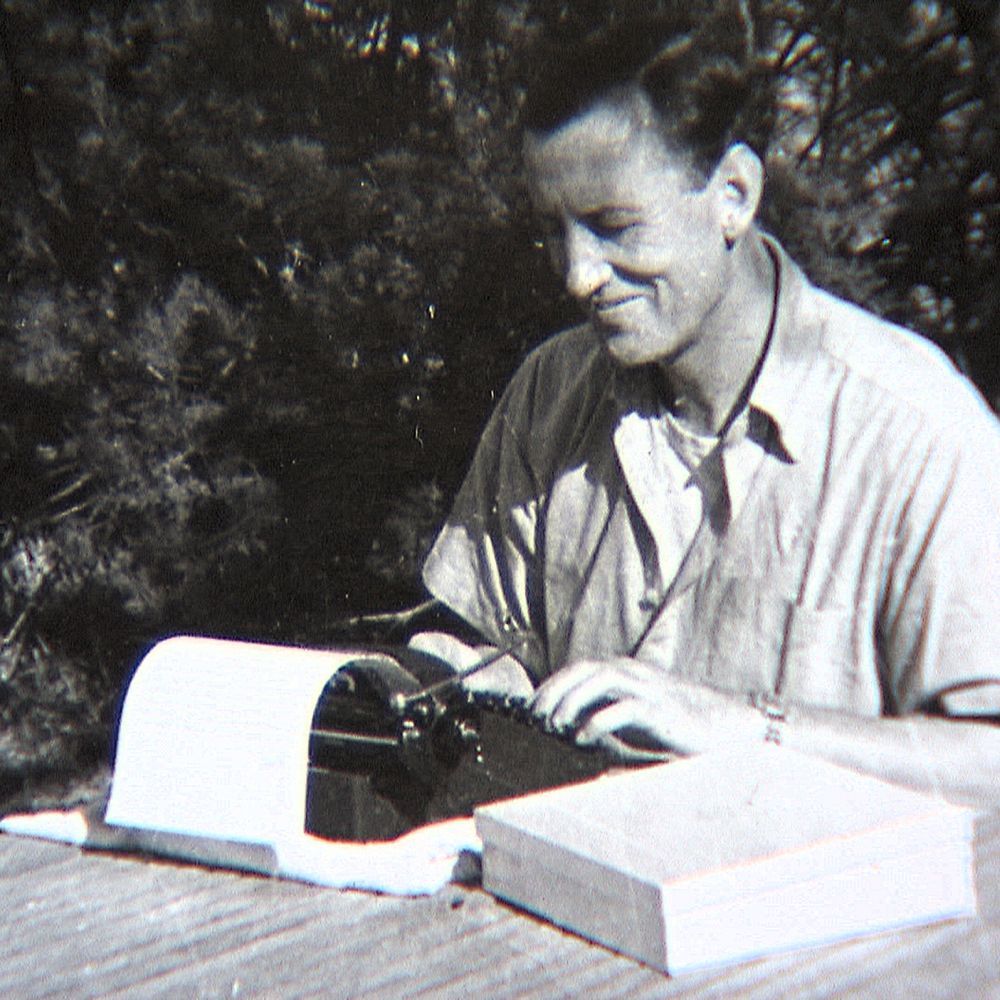
The golden typewriter was Ian’s great joke to himself. Just imagine his glee when it arrived in all its glittering splendour (smuggled in from America by his friend Ivar Bryce to avoid taxes). Serious-minded contemporaries considered it the height of vulgarity, but Ian didn’t care. Let them sneer! He had a golden typewriter and they didn’t. The machine in question was a Royal Quiet De Luxe and cost the princely sum (then) of $174. It wasn’t the only one in the world: the Royal Typewriter Co. produced a small run of them as an advertising gimmick. They were often given away as sports prizes or to favoured employees. None, however, have achieved the same iconic status as Ian’s. In 1995 an unknown bidder – rumoured to be Pierce Brosnan – bought Ian’s Quiet De Luxe for a sum that has been calibrated by the Guinness Book of Records as the highest ever paid for a typewriter.
Did Ian use it for the Bond novels? My impression is that he didn’t. It doesn’t seem to feature in any of the pictures of him at his desk. But who knows?
How much did you know about your uncle’s works and legacy when you were growing up?
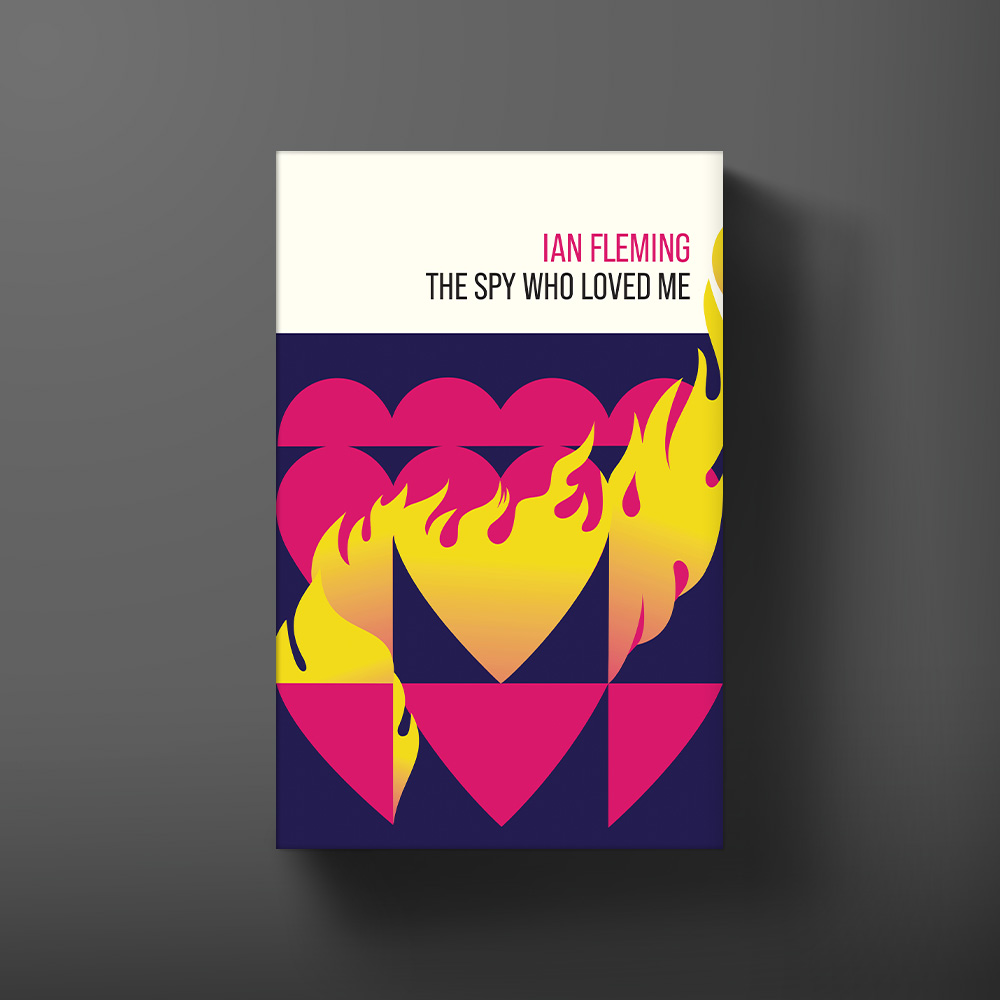
Ian’s books were on the shelves when I grew up, but I don’t remember them being held in particular reverence. As he said to Raymond Chandler, ‘[I] meekly accept having my head ragged off about them in the family circle’. My father was so horrified by The Spy Who Loved Me that he made my mother read it under a brown paper cover. His brother Peter was also a writer, and his books too were on the shelves. So it was just an accepted fact of life that our family wrote books.
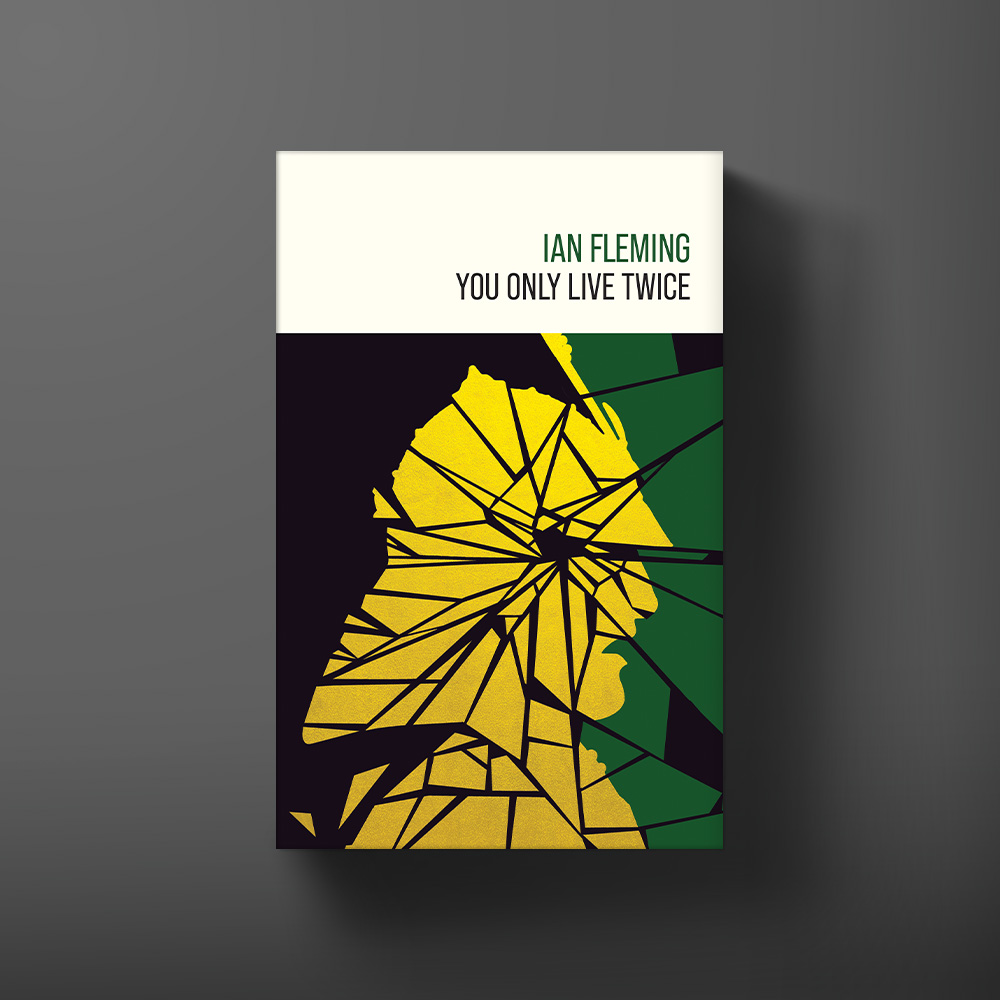
But I will say this. When checking a fact in You Only Live Twice, I used an original copy. And there, all at once, was the excitement of it. The Chopping jacket, the typeface, the Cape logo, the smell, the feel of the paper, the price – 16s. net – and the memory of something you will never find in a bookshop today. For a moment I caught the thrill that Ian, and his readers, must have experienced when the latest Bond came out.
Do you have any favourites from the correspondences you went through?
One of the best is Ian’s apology to Mrs. James Bond. Her husband was an ornithologist whose book Birds of the West Indies happened to be on Ian’s desk in GoldenEye when he wrote Casino Royale. In 1961 she caught up with him and demanded an explanation.
‘Your husband has every reason to sue me in every possible position and for practically every kind of libel’
Ian replied, adding that he had chosen James Bond because it was plain, masculine and anonymous – unlike Peregrine Carruthers or some such. In recompense,
‘I can only offer your James Bond unlimited use of the name Ian Fleming for any purpose he may see fit. Perhaps one day he will discover some particularly horrible species of bird which he would like to christen in an insulting fashion.’
Did any of the letters mention ideas that he never used in his Bond books?
This is a sensitive matter that falls under The Official Publishing Secrets Act and as such I am not permitted to disclose the contents of any files that may or may not have come to my attention. That said, he did float the possibility of setting a Bond novel in Australia – which would have been interesting.
Did your opinion of Ian Fleming change after reading his correspondence and did you discover any new aspects of his character?
Ian has been portrayed so often in films and books as a callous, suave womaniser – in essence a mirror image of Bond – that I was prepared for something along those lines. To my surprise it didn’t materialise. Of course, this isn’t a biography and a fuller examination would probably confirm the accepted picture. All I can say is that his letters reveal a man who was witty, punctilious and kind, assailed by fits of self-doubt yet resolutely optimistic, who worked hard to make a living the best way he knew.
Do you think Ian was a true eccentric, or was the typewriter more a symbol of a persona he enjoyed cultivating as the writer of thrilling – and at times bombastic – fiction?
Ian wasn’t an eccentric. I would say he was more a romantic. He enjoyed turning dreams into reality and vice versa. He had an urge to tell stories. If he could make life a story – the martinis, the golden typewriter – then all to the good. If he could make a story out of life – to tell people what he saw, what he experienced, and how it inspired him – then so much the better.
‘Writing makes you more alive to your surroundings,’ he once said, ‘and since the main ingredient of living… is to be alive, this a quite a worthwhile by-product of writing.’ If writing made him alive, so did the imagination that underpinned it.
Writer Benjamin Welton looks back at Ian Fleming’s war years and how they influenced his literary creativity.
James Bond remains the quintessential cold warrior of fiction, and yet it’s not that conflict that animated his creator. Sure, the Soviet Union and her agents are the arch villains of Fleming’s oeuvre, and the mere existence of SMERSH (a real entity of history) is evidence enough of Fleming’s interest in using Bond as a loyal British ‘instrument’ in the service against a contemporary enemy. But despite Fleming’s journalistic attachment to current events, the engine driving his creation of Bond was World War II.
Described by Fleming once as a ‘very interesting war,’ the Second World War gave this former Etonian and child of privilege not only an insider’s view of intelligence work and covert operations, but also a deep sense of duty that he later bequeathed to 007. As a result, Fleming’s Bond novels are haunted by the specter of the 1939-1945 conflict, from the machinations of diehard Nazis like Sir Hugo Drax or former double agents like Ernst Stavro Blofeld to Bond’s overall excitement for what American President Theodore Roosevelt once called ‘the strenuous life,’ albeit one chock full of custom-made cigarettes, well mixed drinks, and beautiful, but slightly damaged women.
Salad Days
The military and the call to defend the crown were never far from young Fleming. His father, Valentine Fleming, had served first as a Conservative MP before being killed on the Western Front in 1917. The death of his father left a giant vacancy in the Fleming household, and his mother Evelyn pushed her sons to pick up the mantle left behind by their father. Fleming’s older brother Peter became not only an Oxford-educated adventurer and travel writer, but he also served as an officer in charge of military deception during World War II in Southeast Asia.
It took longer for such glory to come Ian’s way. After attending Eton College, where he collected an impressive array of sporting titles and trophies, Fleming was pushed by a disapproving housemaster at Eton and his mother to attend the Royal Military College at Sandhurst. While there less than a year, Fleming flaunted a good many of the school’s strict regulations and left after an indiscretion out in town.
After failing to achieve a commission, Fleming spent the interwar years performing an assortment of high-end jobs. Besides trying his hand at banking with Cull & Co. and being a stockbroker with Rowe and Pitman, Fleming’s most important role before becoming a novelist was his time as a journalist and sub-editor for Reuters. Although Fleming’s mother had lobbied for the job on behalf of her wayward son, Fleming proved to be an excellent journalist, which Anthony Burgess, in a preface to the 1987 Coronet paperback editions of Ian Fleming’s original Bond novels, blames for Fleming’s ‘clarity of…style’ :
‘It is important to remember, that, like Daniel Defoe, [Fleming] was a journalist before he was a writer of fiction, and a good journalist too. The clarity of his style in the novels proclaims this, the apt image, the eye for detail, the interest in world affairs on the one hand and, on the other, the fascination with the minutiae of everyday life.’
While on assignment for Reuters in 1933, Fleming covered the trial of six British engineers with Metropolitan-Vickers who were accused of espionage and sabotage while working in the Soviet Union. The trial was nothing more than a Stalinist show trial, but it did provide Fleming, who had only been with Reuters for eighteen months at that point, with a taste of the world of international espionage. While not his first taste (Fleming had earlier attended a private school in Austria run by a former British secret agent named Ernan Forbes Dennis), the Metropolitan-Vickers trial did however expose Fleming to the dangers of communism and the potential thrills associated with being a British spy abroad.
On His Majesty’s Secret Service
Later in life, Fleming admitted that: ‘I extracted the Bond plots from my wartime memories, dolled them up, attached a hero, a villain, and there was the book.’ Barring some exaggeration, Fleming could lay claim to being privy to some of the war’s more interesting elements. As a Royal Navy Commander attached to Senior Service, Fleming got to experience the ‘intelligence machine’ from the inside. While serving as a liaison between MI5, the Security Service, and SOE, Fleming regularly attended top secret meetings and had access to Bletchley Park, where men like Alan Turing and others were busy decoding the ciphers of the German Enigma machine.
Fleming wasn’t content to just spend the war as a go-between, however. As author Nicholas Rankin details in his excellent book Ian Fleming’s Commandos, Commander Fleming was instrumental in the creation of a commando force within the Naval Intelligence Division, which he labeled an ‘Intelligence Assault Unit.’ Called both 30 Commando and 30 Assault Unit, this collection of Naval intelligence officers and Royal Marine Commandos were tasked with ‘pinching’ secret material from the enemy. Along the way, 30AU saw action in Algeria, Norway, the Greek Islands, Sicily, and most disastrously of all, the assault on Dieppe.
While Fleming was not frequently on the front lines, he did however actively engage in overseeing the unit’s activities (he was also known to accompany them on certain assaults), plus he had a habit of concocting fabulous missions for his men. Examples include Operation Ruthless, which was a plan devised before the creation of 30AU in order to retrieve the Enigma codebooks while using what Fleming himself described as ‘a tough bachelor, able to swim.’ Operation Ruthless’s ideal operator not only prefigures James Bond’s grueling underwater storming of Mr. Big’s fortress in Jamaica in Live and Let Die, but Fleming’s description of the task reads like a synopsis of one of Bond’s many exploits:
TOP SECRET
For Your Eyes Only. 12 September 1940
To: Director Naval Intelligence
From: Ian Fleming
Operation Ruthless
I suggest we obtain the loot by the following means:
Obtain from Air Ministry an air-worthy German bomber
Pick a tough crew of five, including a pilot, W/T operator and word-perfect German speaker. Dress them in German Air Force uniform, add blood and bandages to suit
Crash plane in the Channel after making SOS to rescue service
Once aboard rescue boat, shoot German crew, dump overboard, bring rescue boat back to English port
Another Fleming-created operation was Operation Golden Eye, which centered on keeping the lines of communication open to Gibraltar if Spain decided to join the Axis. Like Operation Ruthless, Operation Golden Eye was closed down before it could be put into action.
The War Becomes a Best-Seller
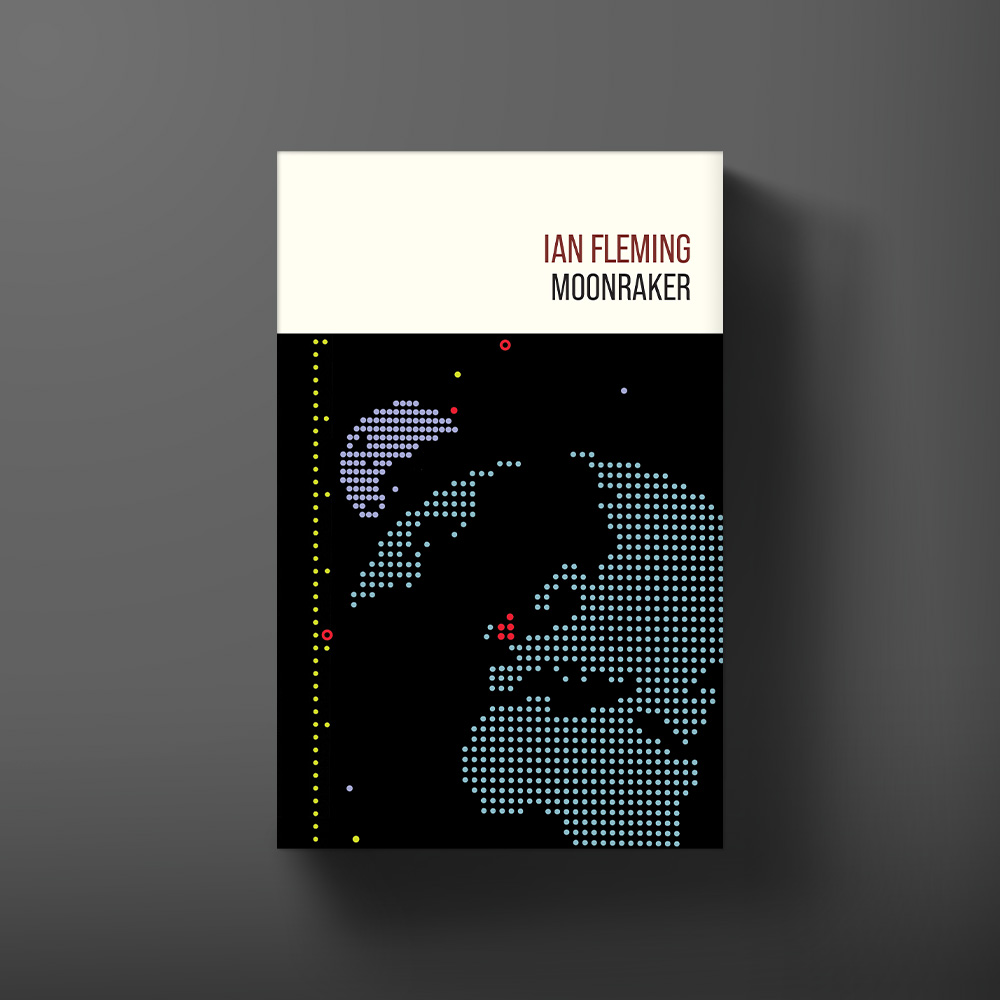
When Fleming set out to write Casino Royale, the ‘hot war’ had turned cold. Britain’s main enemies were communism and the various post-colonial nationalist movements that helped to bring down the empire. And yet, in most of Fleming’s Bond novels, the action as well as the villains all have some tie to the older conflict. Moonraker deals not only with the lingering fear of the Nazis’s V-2 rocket, but also the idea that some former Nazi scientists in Britain and America were still enraptured by the Hitlerian philosophy. According to Ben Macintyre’s For Your Eyes Only: Ian Fleming and James Bond, the inspiration behind mining Mr. Big’s boat in Live and Let Die and giving the Disco Volantea trap door in Thunderball may very well have been the 10th Light Flotilla, a special unit of the Italian Navy that Fleming saw operate in the Mediterranean during the war. Of course, Bond’s most enduring enemy, Blofeld, began his life of infamy as a Polish double agent who sent secret items to the Nazis ahead of their 1939 invasion of Poland.
Even Bond himself is a product of the war, for while serving as Commander Bond in the Royal Navy’s Intelligence Service, he earned his 007 title by killing what he describes in Casino Royale as ‘two villains’ — a Japanese cipher expert and a Norwegian double agent. And while Bond spends a small portion of the same novel conflicted over his role in the more morally slippery Cold War, he nevertheless decides to stay in the action as an agent tasked with eliminating or weakening some of the wrongs associated with the postwar fallout between the former Allies. In another way, the Bond novels can be read as a continuation of Fleming’s work during the war, as Bond, through fiction, reasserts British dominance on the world stage all the while re-living some of his creator’s experiences from his time as an intelligence officer.
Benjamin is a freelance journalist who has been published in The Atlantic, VICE, MI6-HQ, and others. He is a regular contributor to Literary007.com.
Manage Consent
To provide the best experiences, we use technologies like cookies to store and/or access device information. Consenting to these technologies will allow us to process data such as browsing behaviour or unique IDs on this site. Not consenting or withdrawing consent, may adversely affect certain features and functions.
Functional
Always active
The technical storage or access is strictly necessary for the legitimate purpose of enabling the use of a specific service explicitly requested by the subscriber or user, or for the sole purpose of carrying out the transmission of a communication over an electronic communications network.
Preferences
The technical storage or access is necessary for the legitimate purpose of storing preferences that are not requested by the subscriber or user.
Statistics
The technical storage or access that is used exclusively for statistical purposes.The technical storage or access that is used exclusively for anonymous statistical purposes. Without a subpoena, voluntary compliance on the part of your Internet Service Provider, or additional records from a third party, information stored or retrieved for this purpose alone cannot usually be used to identify you.
Marketing
The technical storage or access is required to create user profiles to send advertising, or to track the user on a website or across several websites for similar marketing purposes.
 Skip to main content