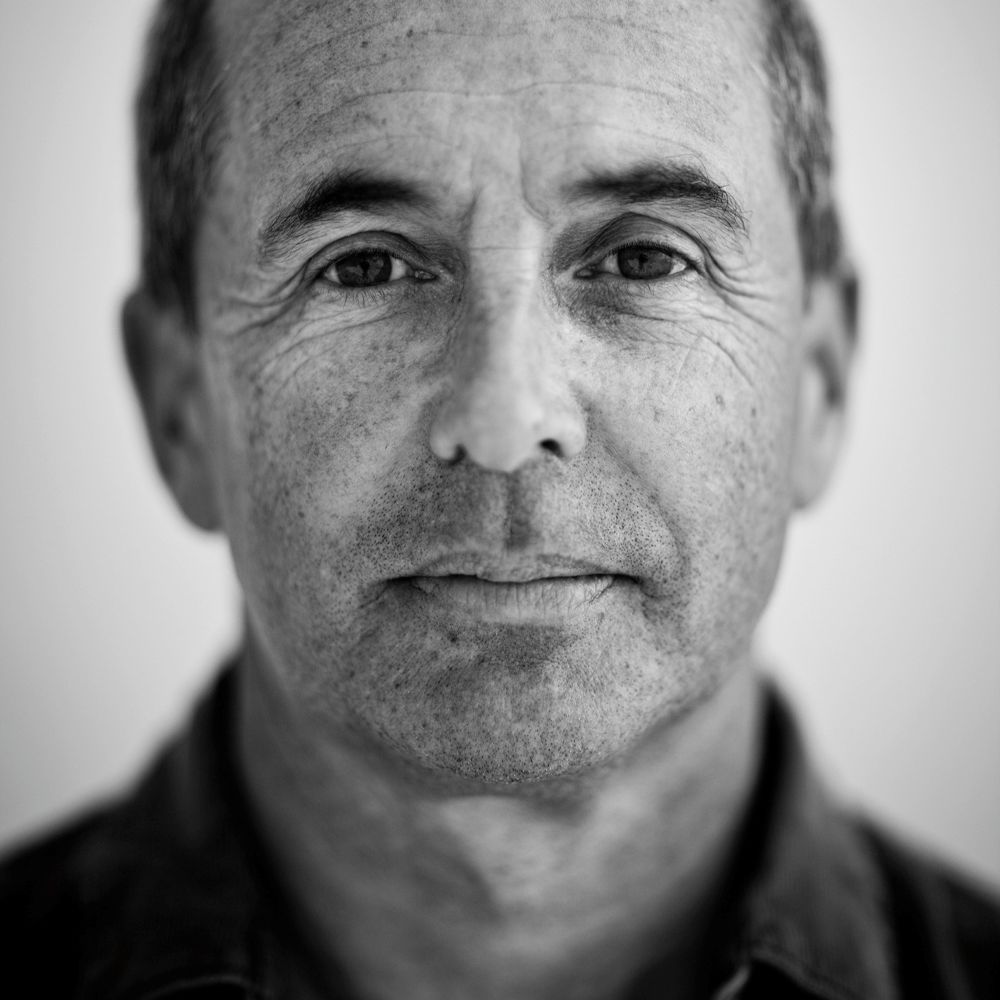
Steel Dagger Recommendation: Stuart Neville’s Blood Like Mine

Looking for the your latest read? Meet Stuart Neville, author of Blood Like Mine, shortlisted for the Ian Fleming Steel Dagger literary prize at the annual Crime Writers’ Awards which celebrates the best in new thriller writing.

Tell us about Blood Like Mine and what inspired you to tell this story?

Blood Like Mine is about a mother and daughter on the run from a terrible secret. When an FBI agent finally tracks them down, he finds that Rebecca Carter will do anything to protect her daughter Moonflower, even if she’s a monster. I’ve always enjoyed the gray area between thriller and horror, and with this book, I wanted to take one of the oldest horror tropes and use the thriller format to treat it in a realistic way.

Book cover for Blood Like Mine by Stuart Neville

What do you hope readers will take away from your book?

First and foremost, I want readers to keep turning the pages into the small hours, and maybe have a few scares along the way. But ultimately, I hope they’ll see the core theme is the unyielding devotion of being a parent, even in the most desperate circumstances.

How did it feel to be on the shortlist for the CWA Ian Fleming Steel Dagger?

It’s a tremendous honour: it feels like a validation of all the weeks and months that goes into writing a novel.

What is your writing process?

I didn’t used to outline my books, but as the years have gone on, I find it more necessary to map out where I’m going with a story. I’ll start with a broad structure then extrapolate from there. The actual writing tends to come in bursts; there’ll be a few weeks where I’m writing thousands of words, then a few weeks when it slows to a trickle. If I could change anything, it would be to be more consistent.
What is your favourite thriller and why?

I think The Silence of the Lambs is the perfect example of a novel and film that straddles the border between horror and thriller. As a thriller it’s perfectly engineered, and although it doesn’t veer into the supernatural, its portrayal of Lecter comes close. Red Dragon, the book that first introduced Lecter, is also in the very top tier of thrillers.

And finally, what advice would you give to aspiring thriller writers?

I’m not a great believer in writing advice because every writer is different, and what works for me won’t necessarily work for someone else. The one bit of advice I always give, however, is not to flog a project to death, and to move onto the next thing. I see too many aspiring writers who complete one manuscript then spend years trying to refine and sell it rather than writing the second book, and third.

Find out more about the Crime Writer’s Awards here and learn more about Stuart Neville here.
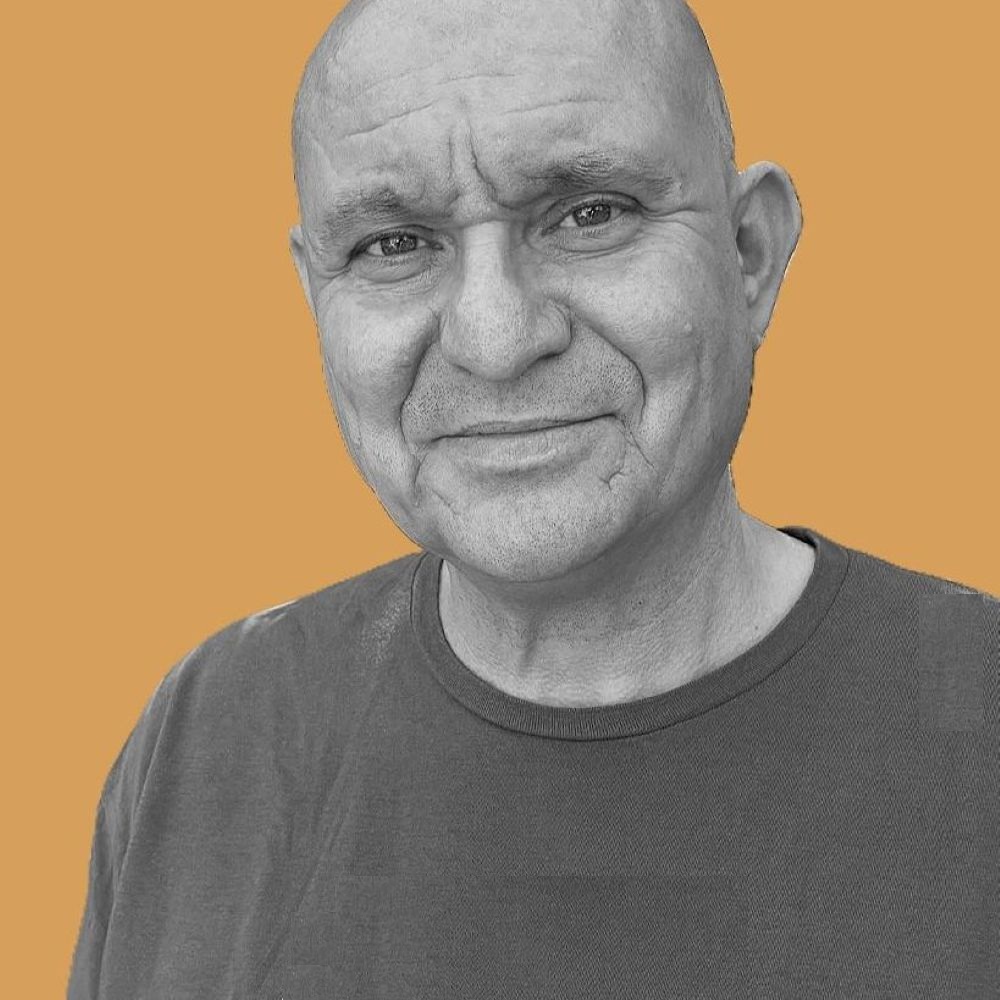
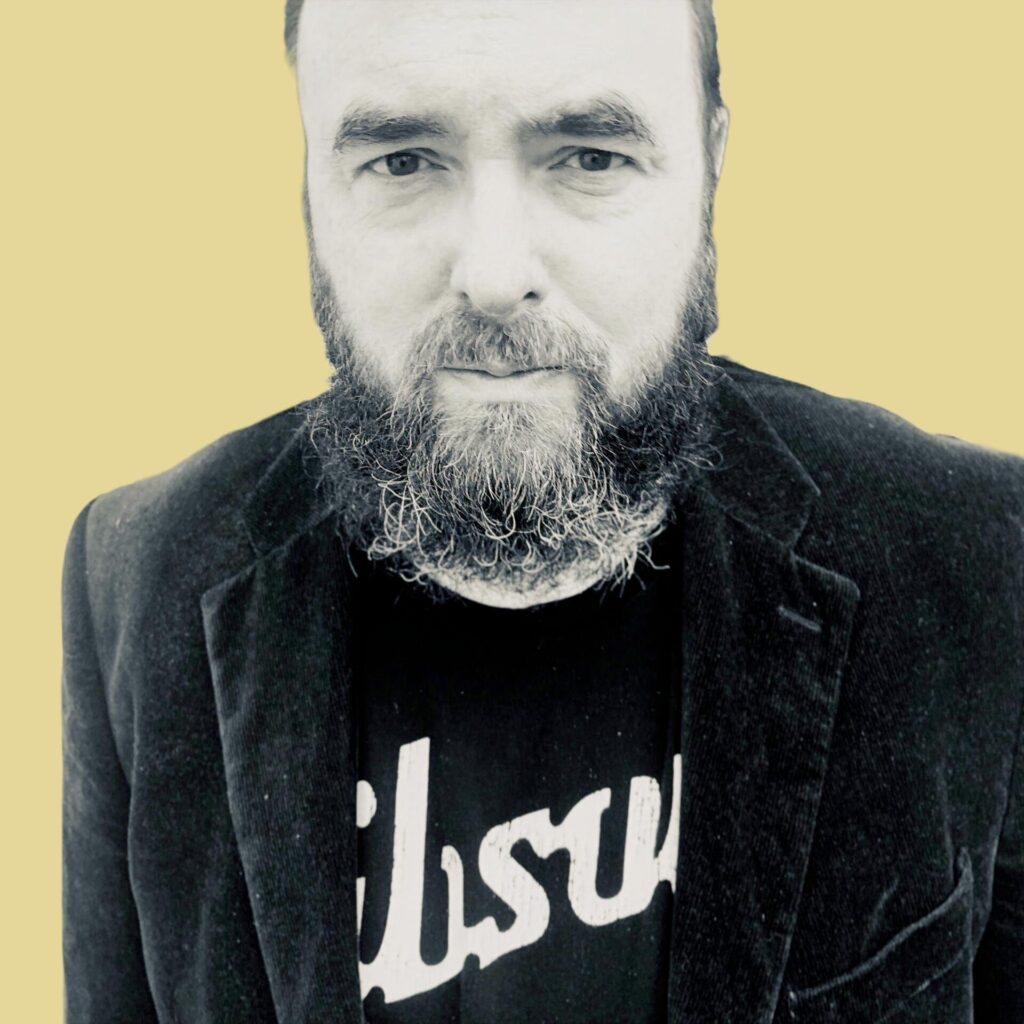
Steel Dagger Recommendation: M.W. Craven’s Nobody’s Hero

Looking for the your latest read? Meet M.W. Craven, author of Nobody’s Hero, shortlisted for the Ian Fleming Steel Dagger literary prize at the annual Crime Writers’ Awards, which celebrates the best in new thriller writing. Craven is also writing our new James Bond and the Secret Agent Academy series for younger readers, due out in 2026.

Can you tell us about Nobody’s Hero and what inspired you to tell this story?

Nobody’s Hero is the second book in my US-set Ben Koenig series. The first, Fearless, was written ten years earlier, although it wasn’t published until 2023. When I finished writing Fearless, I spent time thinking about what a sequel might look like should it ever see the light of day. I knew I’d want to go bigger and badder, in both scope and action (and humour); and a plot revolving around a well-resourced, highly motivated group hoping to irrevocably destroy the United States fit the bill perfectly. Impossible odds, bone-crunching action and a spattering of inappropriate humour. I think Ian Fleming would have approved . . .

What do you hope readers will take away from your book?

My job as a thriller author is simple – I am supposed to entertain the reader. If I’ve done that, I’ve achieved my goal. If I haven’t, I’ve failed. I like to throw in interesting, but mostly useless facts, I like to offer some light social commentary, and I like to make readers laugh when they’re not really supposed to. But mostly when they reach the end of one of my books, I want them to have enjoyed it.

How does it feel to be on the shortlist for the CWA Ian Fleming Steel Dagger?

As always, it feels astonishing to have even been considered. And as the longlist this year was one of the strongest I’ve seen for a long time, just making it onto the shortlist feels like a real achievement. Roll on awards night.

What is your writing process?

I write Monday-to-Friday (weekends if I’m on a roll or nearing a deadline) and I pretty much stick to the same routine. I get up, have coffee and think about what I’ll be writing that day. At ten a.m. (ish) I start and I don’t finish until around five or six p.m. I don’t use any writing tools other than my trusty MacBook Air, and my notes, which include research, lines of dialogue, prose, plot points etc, are kept in rough chronological order in a lever arch file. I have an idea of where the story is going, but it often deviates as more interesting directions occur to me. With Nobody’s Hero, the major deviation from the original plan occurred right at the end (a twist that kind of worked perfectly and set up interesting scenarios for future books), pretty much the last page. I then had to retrofit the changes I wanted in the next draft.

What is your favourite thriller and why?

It’s either Dr. No by Ian Fleming or The Day of the Jackal by Frederick Forsythe. Dr. No because it was Fleming going all in with the sadistic nature of his villain. I don’t think there’s a thriller writer, past or present, who writes villains like Fleming – Julius No, Auric Goldfinger, Blofeld, Hugo Drax (who cheats at cards, you know), all iconic, all eternally memorable. And The Day of the Jackal because it’s technically flawless and a stunning example of what can be achieved using real world events.

And finally, what advice would you give to aspiring thriller writers?

Don’t be daunted by what has come before you. Don’t try to copy what has come before you. And most importantly, don’t be limited by what has come before you. It’s fiction – you can write whatever the hell you want. There are no rules when it comes to thrillers and if someone tells you otherwise throw onions at them until they go away.

Check out the book for yourself. Find out more about the Crime Writer’s Awards here.

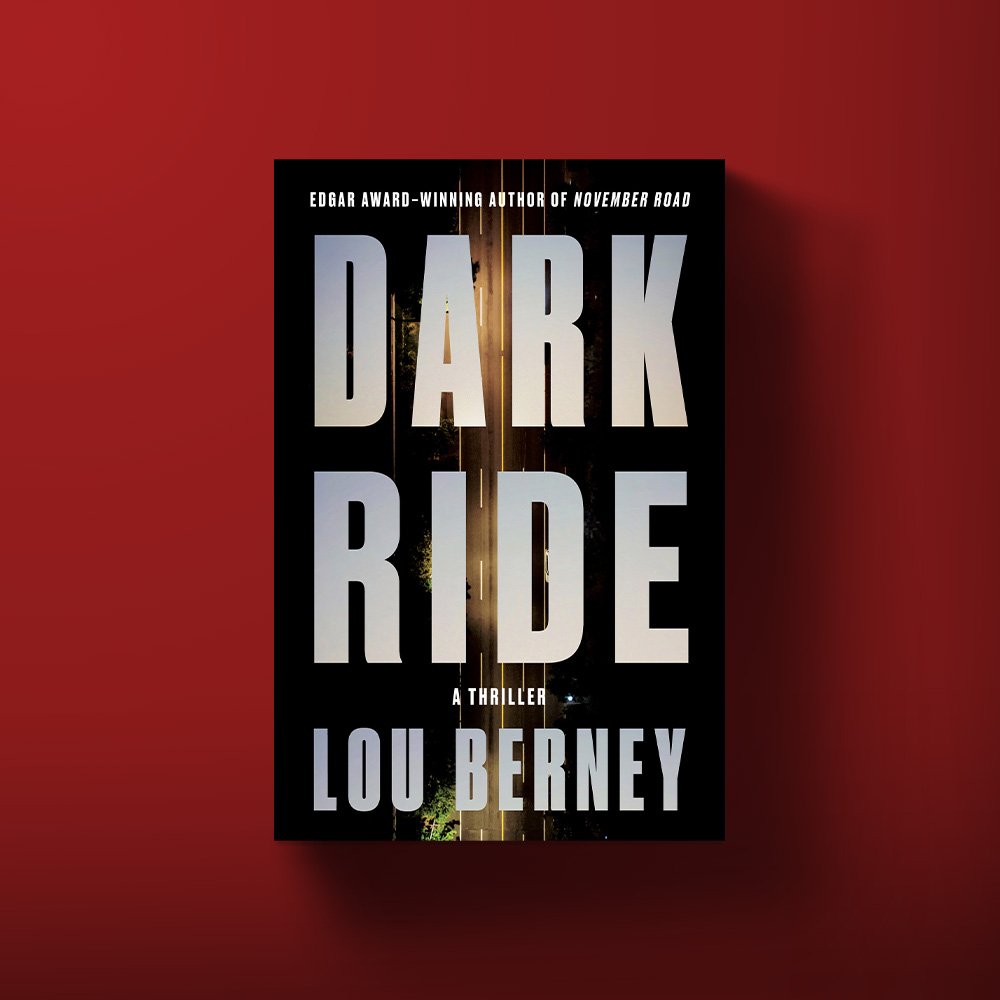
Steel Dagger Recommendation: Lou Berney’s Dark Ride

Looking for the your latest read? Meet Lou Berney, author of Dark Ride, shortlisted for the Ian Fleming Steel Dagger literary prize at the annual Crime Writers’ Awards which celebrates the best in new thriller writing.

Tell us about Dark Ride and what inspired you to tell this story?

Dark Ride is about a grievously ill-equipped and out-matched thriller hero. I often feel like a grievously ill-equipped and out-matched thriller writer, so it seemed like a good fit. I’m a fan of the underdog!

What do you hope readers will take away from your book?

The big idea behind Dark Ride, for me, is that acts of heroism can be complicated. In real life, there’s often a price to be paid for doing the right thing – and understanding what the right thing is isn’t always clear.

How did it feel to be on the shortlist for the CWA Ian Fleming Steel Dagger?

It’s a huge honor and very humbling since I’m a big fan of the other authors on the shortlist.

What is your writing process?

I do lots of brainstorming, lots of outlining, lots of preparing to draft. And then, once I start drafting, a lot of that goes out the window and – I hope! – I follow the characters where they lead me.

Book cover for Dark Ride by Lou Berney

What is your favourite thriller and why?

Truly impossible to name just one, so here are three (also truly impossible): Case Histories, by Kate Atkinson; In a Lonely Place, by Dorothy B. Hughes; and Devil in a Blue Dress, by Walter Mosley.

And finally what advice would you give to aspiring thriller writers?

Make sure, on every page, there’s a burning question the reader wants answered.

Check out Lou’s book for yourself. Find out more about the Crime Writer’ Awards here.

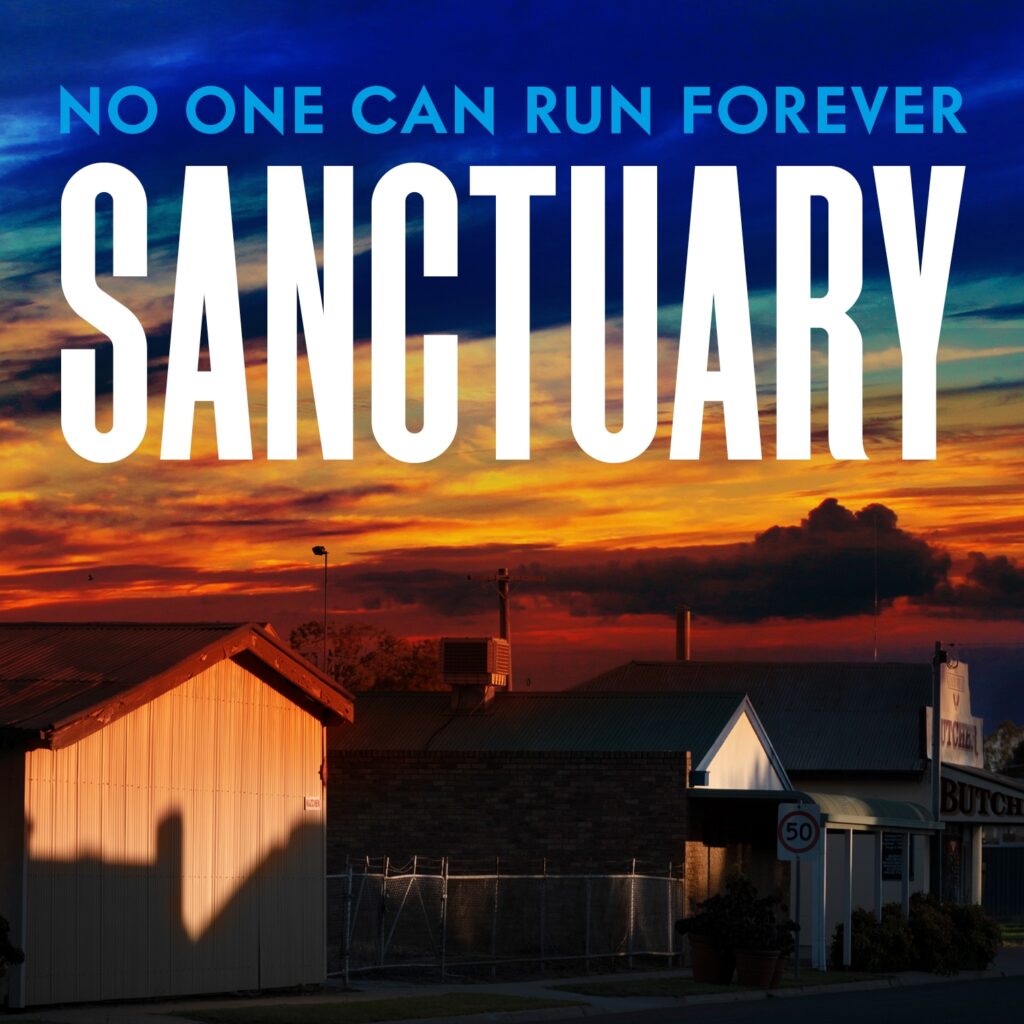
Steel Dagger Recommendation: Garry Disher’s Sanctuary

Looking for the your latest read? Meet Garry Disher, author of Sanctuary, shortlisted for the Ian Fleming Steel Dagger literary prize at the annual Crime Writers’ Awards – which celebrates the best in new thriller writing.

Tell us about Sanctuary

I’ve always been interested in crime-from-the-inside novels. I’ve written a series featuring an armed hold-up man named Wyatt, for example. Readers tell me, ‘I don’t approve of Wyatt, but I want him to win’—which is exactly my intention. Grace, the main character in Sanctuary, is a kind of female Wyatt, and first appeared as a minor thief in Blood Moon, one of my Challis and Destry police procedurals. She wouldn’t leave me alone afterwards; she demanded her own story. In Sanctuary she’s trying to go straight, and finds work selling antiques, but a hard man from her past is looking for her, and a violent ex-husband is looking for her boss, and Grace finds herself drawing on old skills to survive.

What do you hope readers will take away from your book?

In all of my crime fiction I try to place the events in the context of prevailing social tensions rather than pretend they occur in a bubble, and so we see, in Sanctuary, the effects of toxic masculinity, greedy influencers, conmen and domestic violence. I don’t believe in preaching, of course: the story comes first.

How did it feel to be on the shortlist for the CWA Ian Fleming Steel Dagger?

I’ve won several Australian and German best-crime-novel awards over the years, but somehow this shortlisting is more fulfilling—mainly because it’s the Steel Dagger but also because, until recently, I’d not had a sense of a readership in Australia, let alone anywhere else, and it’s been gratifying to find new readers, and recognition, in the UK. Also, I was an Earls Court Aussie, back in the 1970s. We were always made welcome—but with a faint tinge of ‘dumb colonials.’ This Steel Dagger shortlisting is my revenge.

What is your writing process?

I write from 8 a.m. until noon, six days a week, and in that time might write several pages or only a paragraph. I write longhand, for I can’t think through a keyboard, with lots of crossings-out, notes-to-self and, arrows and asterisks, often typing (editing and rewriting as I go) the morning’s work into my desktop computer in the afternoons. I’m also a planner, spending weeks on the plan until the whole book is in my head—but I’m not a slave to it, I’m always alert for the voice at the back of my head, the tap on my shoulder.

What is your favourite thriller and why?

The Butcher’s Boy, by Thomas Perry, first published in 1982 and winner of an Edgar Award. I read everything Perry writes, from his standalones to his Jane Whitefield series, featuring a character who helps people escape from those who mean them harm. The main character of The Butcher’s Boy is a hired killer cheated out of his fee for killing a senator. While seeking redress he’s tracked by a young Justice Department analyst. Perry’s books are always soundly researched, the actions are convincing, and the writing, though plain, is tense and efficient.

And finally, what advice would you give to aspiring thriller writers?

Read widely until you have a good sense of the widely differing approaches of seasoned writers to storylines, settings, style and characters. Don’t feel that your own approach has to be utterly original: boy-meets-girl has been told over and over again in romance fiction, for example. But you should write a story that matters to you, that you have faith in, that perhaps only you could tell, rather than a copy of the latest bestseller. Do solid research (but wear it lightly) and ensure that your main character saves the day rather than chance, coincidence or the cavalry riding to the rescue. And write: don’t think or say that you’re going to write.

Check out his book for yourself. Find out more about the Crime Writers’ Awards here.

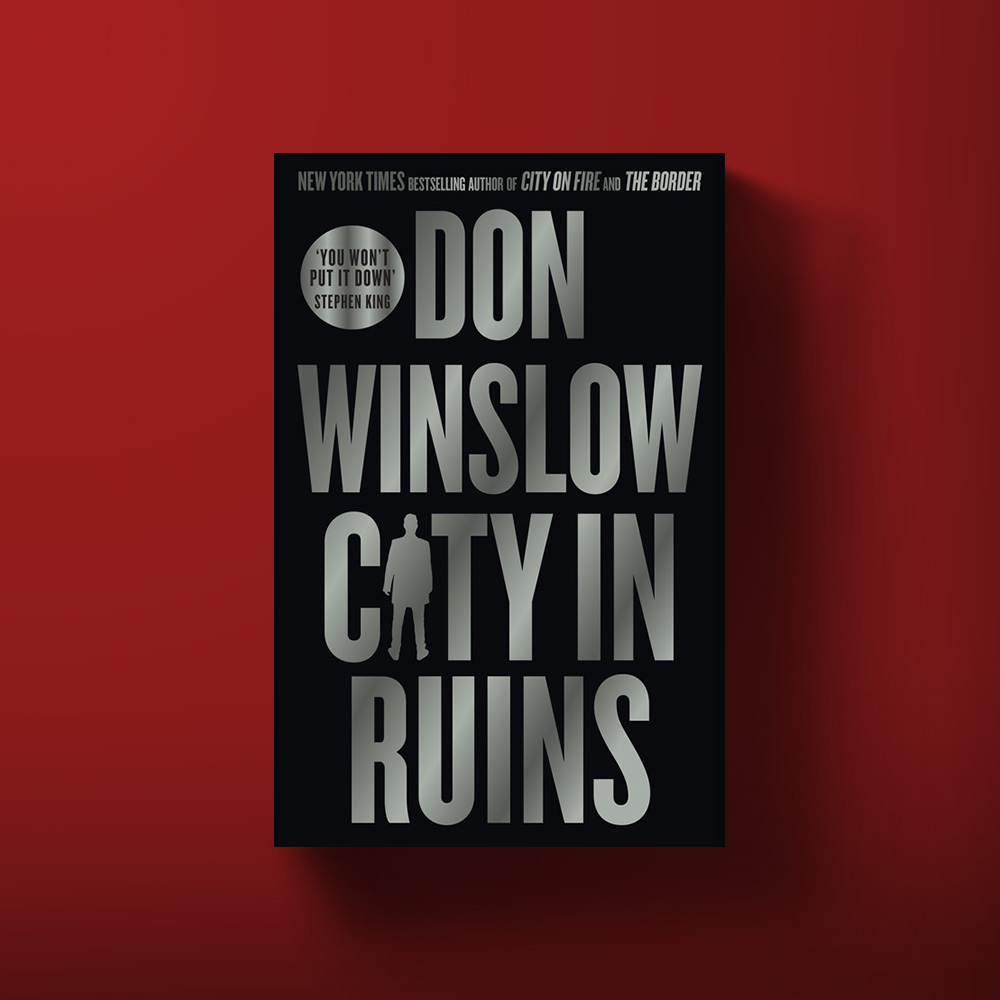
Steel Dagger Recommendation: Don Winslow’s City In Ruins

Looking for the your latest read? Meet Don Winslow, author of City In Ruins, shortlisted for the Ian Fleming Steel Dagger literary prize at the annual Crime Writers’ Awards which celebrates the best in new thriller writing. City On Fire, the first of the trilogy, is being made into a film, starring Austin Butler, made by Sony 3000 Pictures and produced by Butler, David Heyman and Shane Salerno. 

Tell us about City in Ruins

City in Ruins is the third part of a trilogy that retells elements from the Aeneid, Odyssey, Iliad and some Greek tragic dramas in a contemporary crime setting. It finishes the story of Danny Ryan, whom we first meet as a minor player in a war being fought between the Irish and Italian mobs in New England, and who, in this final instalment, is building a gaming empire in Las Vegas.

What do you hope readers will take away from your book?

I hope a strong sense of character and story. I tried to portray real, vivid human beings (albeit drawn from the aforementioned classics) with real lives, hopes, fears and loves. I should hasten to add that it doesn’t matter if the reader has no knowledge of or interest in these classics, that I hope the novels stand on their own. As always, I want the reader to be drawn in by both the characters and the story.

How did it feel to be on the shortlist for the CWA Ian Fleming Steel Dagger?

Of course, it feels great. Just to be mentioned in the company of past nominees and recipients, and also to be in the company of my good friend Lou Berney, is more than gratifying. Also, having spent a good part of my life in the UK – over twenty summers in London, Oxford and Cambridge – the nomination is all that more meaningful to me.

What is your writing process?

Pretty dull, actually. I start at 5:30 am and finish around the same time in the evening. I treat it like a job, although it is a job that I love and the one that I’ve always wanted. I don’t outline or create charts; I just sit down and type until the good ideas come. Some days they do, some days they don’t. I also rewrite constantly, going back over chapters to see if I used the best words and have written the best possible dialogue. (There are times when I’m doing public readings where I realize that I haven’t, and make revisions on the fly.)

Book cover for City in Ruins by Don Winslow

What is your favourite thriller and why?

I’m always reluctant to answer this question because there are so many great thrillers out there. But if I absolutely, positively had to choose one, it would be The Friends of Eddie Coyle by George V. Higgins. (Also a great film, by the way, directed by Peter Yates and starring Robert Mitchum.) Why? Well, Higgins was just a great writer – the narrative prose and dialogue are vivid – and it is the most realistic, gritty mob novel ever.

What advice would you give to aspiring thriller writers?

Write. That sounds glib and I don’t mean it to. But writers write. They don’t talk about it, or sit in a coffee shop and think about it, they sit down and write. I also would tell them to do the do-able, not to set unrealistic goals for themselves and then get frustrated. When I was aspiring to do this thing, I committed to write five pages a day no matter what and managed to stick to that. But if you write even one page a day, in a year or so you have a book. Also, read. Read the good stuff in our genre.

Check out the book for yourself and find out more about the Crime Writers’ Awards here.