 Skip to main content
NEWS
The Story Behind: Ian Fleming’s Commandos – Part Two
BECOME A FLEMING INSIDER > JOIN HERE
The Story Behind: Ian Fleming’s Commandos – Part Two
Posted on 2 April, 2026
On 20th March 1942, Ian Fleming, then personal assistant to Admiral Godfrey, Director of Naval Intelligence, proposed the formation of a Special Intelligence Assault Unit. Held under the Official Secrets Act for 50 years after the war, details of his top secret unit are still emerging. Here unit historian Dave Roberts has penned a definitive record for us. Welcome to Part Two: Missions. Catch up on Part One: Formation here.
The unit’s first operation was part of Operation Torch, the landings in North Africa. A small detachment was to attack the main French naval headquarters in Algiers Harbour alongside US troops, but heavy opposition meant they had to land several miles from the port and make their way on foot. When they finally did make it to the port, they seized valuable Intelligence material, including a previously unknown Abwehr Enigma machine which allowed Bletchley Park to read six weeks of back traffic.
An expanded section returned to North Africa in January 1943, as the Allies closed in on the German Afrika Korps in Tunisia. Under the command of Dunston Curtis, RNVR, DSC, they travelled in jeeps and motorcycles with the White Ensign flying, becoming the first unit to travel from 1st Army to 8th Army, often crossing the frontline on their way. Entering towns alongside the vanguard of the British 8th Army as it pushed north, the unit once again proved their usefulness in seizing vital intelligence and equipment. They were now to be included in all future Allied invasion plans.
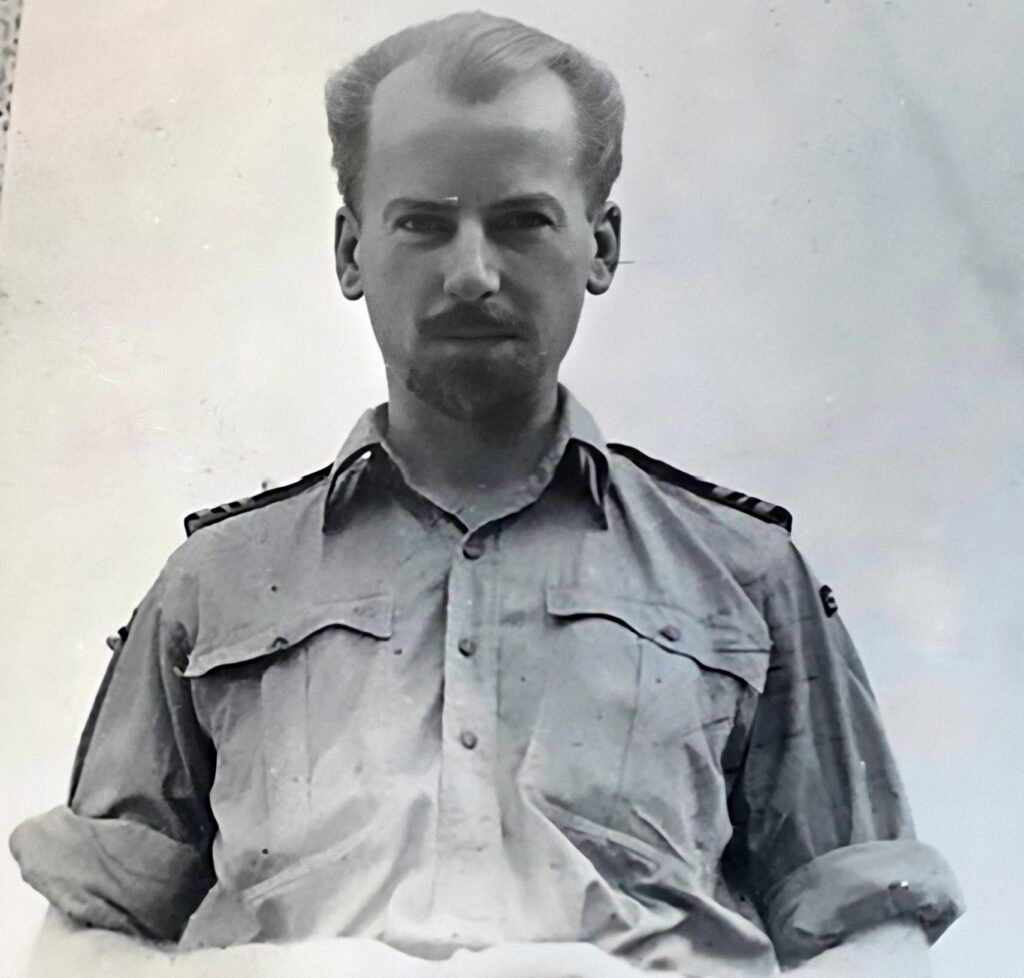
As the unit expanded, it prepared for Operation Husky, the invasion of Sicily. Landing alongside other British forces at the southeastern tip of the island, the unit quickly began to exploit various radar and communications sites on the island. Racing to keep up with the retreating Axis forces, and to ensure they could reach targets before they were demolished or looted, the unit again operated alongside front line British and US units, earning the wrath of American General Patton who nicknamed them, “Limey gangsters” for their rather cavalier attitude to procedures and uniform regulations.
In September 1943, attention turned to Italy and 30 Commando was tasked with exploiting various naval targets on the western coast, as well the small islands such as Capri, which housed important Italian torpedo technology and personnel. They worked alongside Italian naval crews, now part of the Allied forces, following Italy’s surrender, the US Navy, including the screen legend, Douglas Fairbanks Jnr., and elements of the OSS, the forerunner to America’s CIA.
In the eastern Mediterranean, a small section of 34 Troop, under the command of Captain Belcher, worked alongside the Long Range Desert Group in operations around the many Greek islands. Sadly, Belcher and 3 of his men were killed in a German air raid on Leros in October 1943.
In December 1943, 35 and 36 Troops were withdrawn from the Mediterranean in preparation for Overlord, the invasion of France. The Army section, 34 Troop, remained in Italy through to the end of the war, successfully exploiting targets in Rome and Florence and later working alongside the SAS and Italian partisans in Northern Italy in operations behind German lines.
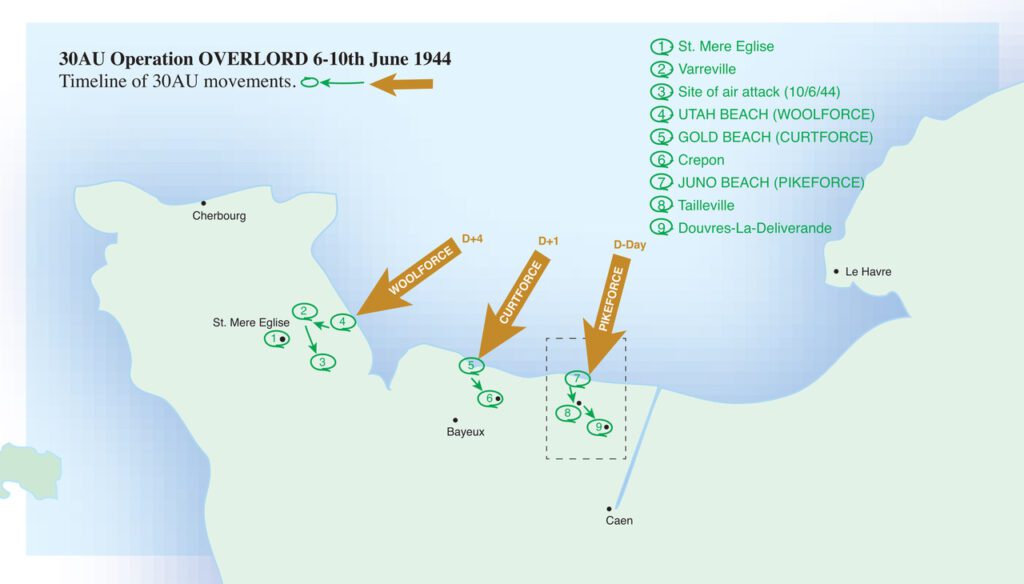
Reorganised, expanded and with renamed 30 Assault Unit, Fleming’s men were to be at the very heart of Allied Naval and intelligence planning for D-Day, with sections landing on JUNO, UTAH and GOLD. Detailed planning went into producing new ‘Black Books’ of targets for the unit and scale models of their main targets were produced by the Inter-Services Topographical Department at Oxford.
Divided into three sections, PIKEFORCE, CURTFORCE and WOOLFORCE, 30 AU landed on the French coast between the 6th and 10th June. Despite some minor successes, their main target, the radar station at Douvres proved to be much bigger and better defended than intelligence had led them to believe. It didn’t fall until the 17th June by which point the majority of the unit was operating with US troops in Brittany.
PIKEFORCE & CURTFORCE suffered no casualties in the landings and subsequent operations but WOOLFORCE, landing on UTAH on the 10th June suffered the single heaviest number of casualties in the unit’s short history when German butterfly bombs exploded over the field where they had bivouacked on their first night in France. Five men were killed and 16 wounded, some seriously.
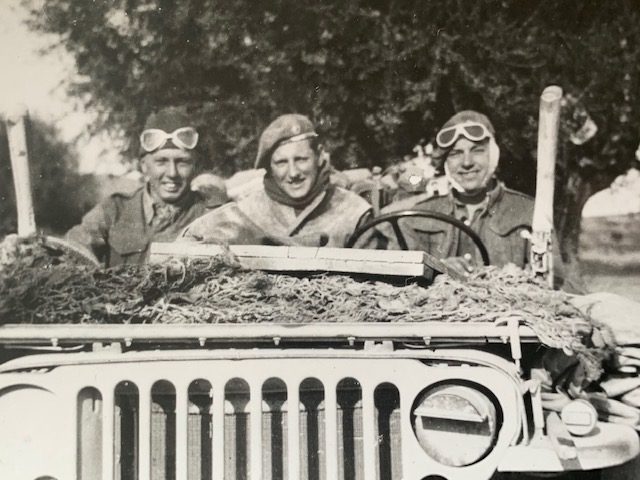
During the summer of 1944, 30 AU operated in small teams across Normandy. Highly mobile, with armoured cars, jeeps armed with twin machine guns, trucks to carry away their “loot” and a trawler on permanent stand-by, they exploited targets across the region. The start of the V1 bombing campaign led to requests from the Air Ministry for them to find the launch sites and, for the first time, an RAF officer was attached to the unit. Launch sites and equipment were found on the 17th June and the DNI received the personal thanks of the Air Chief for 30’s efforts.
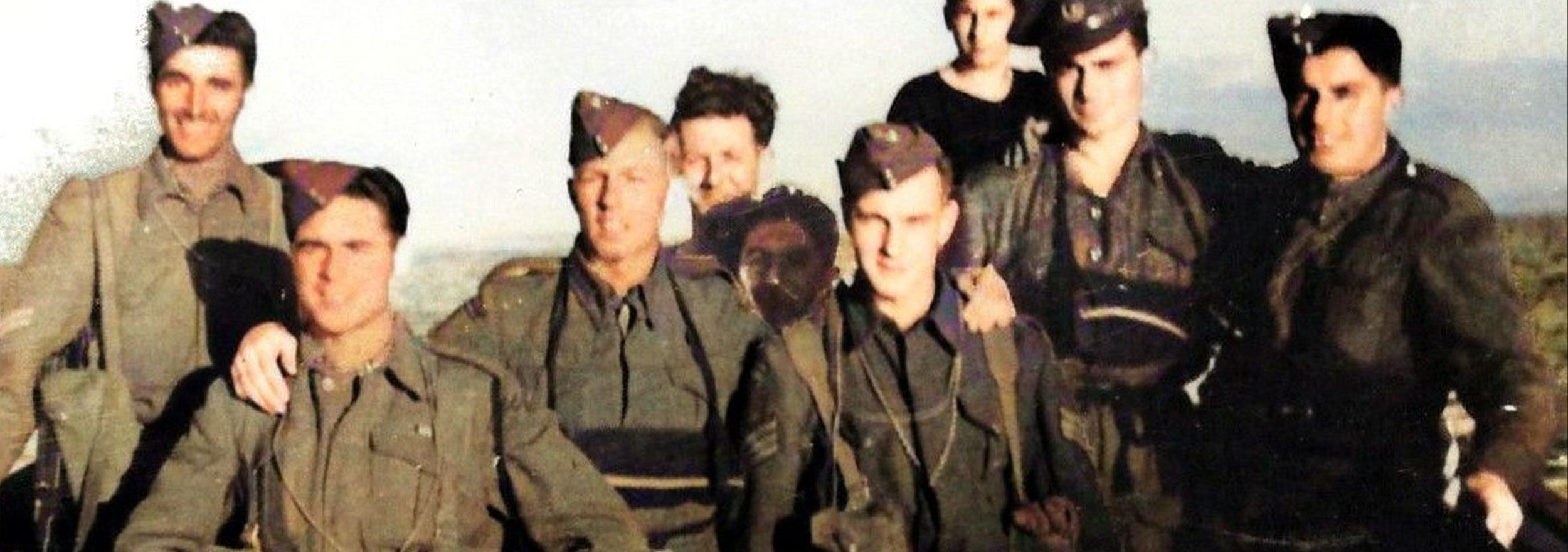
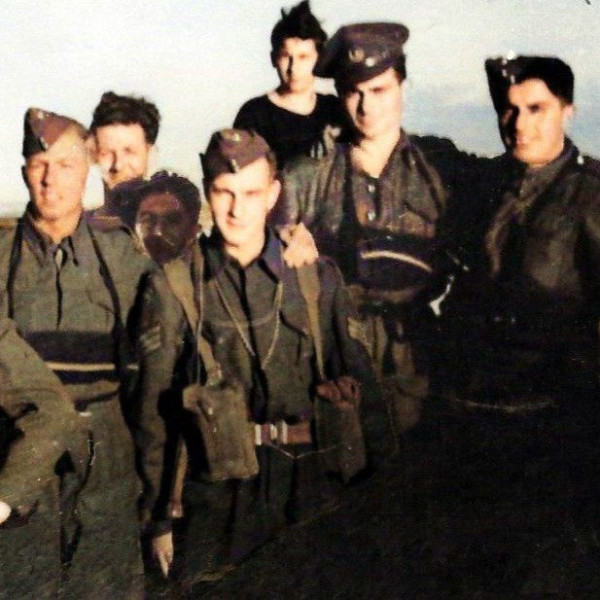
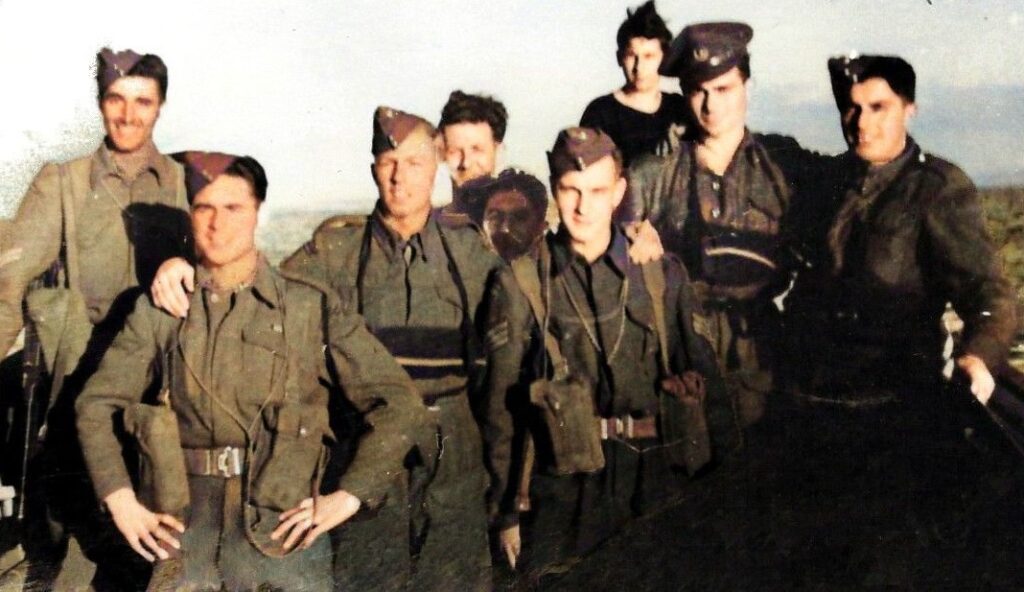
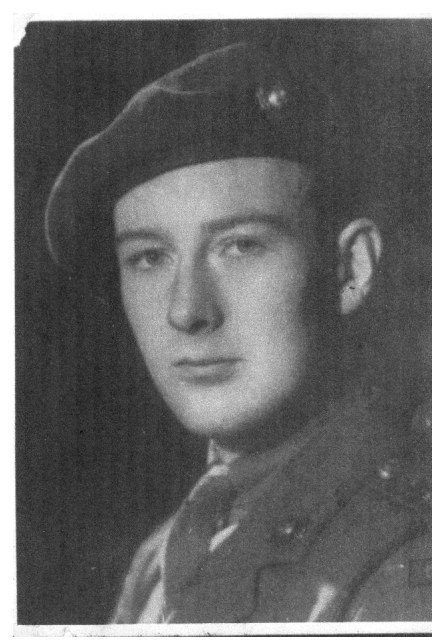
With the fall of Cherbourg, attentions turned to Paris and Brittany, with WOOLFORCE entering Paris alongside the lead elements of French Army. In the West, small teams ranged over the Brittany peninsula liberating towns and villages. At St Pabu, Lt Hugill and 5 Marines took the surrender of over 280 Germans at the radar station there and were awarded a Distinguished Service Cross and 2 Distinguished Service medals. During the unit’s time in Brittany, it worked closely with the local resistance units, relying on them for up-to-date intelligence and for guiding them safely to new targets. Three resistance fighters were even recruited into the unit and issued with British uniforms, a fact only recently revealed with the discovery of one of the men’s wartime diaries.
For such a small unit, operating at and beyond the front lines, casualties were surprisingly light. The biggest losses were by WOOLFORCE on D-day and when 3 men were killed crossing a railway line just outside Brest. The death that hit the unit hardest though was that of Captain Huntington-Whitely, RM, killed at Le Havre as he took the surrender of a group of Germans. ‘Red’ as he was known to the men had been with the unit from the beginning.
Stay tuned for the final part of Dave Robert’s definitive history, focusing on the legacy of this extraordinary military unit. Find out more at the official 30 Commando website and social channels.