 Skip to main content
NEWS
The Story Behind: Ian Fleming’s Commandos – Part One
BECOME A FLEMING INSIDER > JOIN HERE
The Story Behind: Ian Fleming’s Commandos – Part One
Posted on 20 March, 2026
On 20th March 1942, Ian Fleming, then personal assistant to Admiral Godfrey, Director of Naval Intelligence, proposed the formation of a Special Intelligence Assault Unit. Held under the Official Secrets Act for 50 years after the war, details of his top secret unit are still emerging. Here unit historian Dave Roberts has penned a definitive record for us. Welcome to Part One: Formation.
The start of 1942 was an extremely difficult time for Britain and her allies. Despite America’s entry into the war in December 1941, a series of setbacks, including the surrender of Singapore, were increasing pressure on Britain, her government and Prime Minister Churchill personally as he faced votes of no confidence in Parliament. The ongoing ‘Battle of the Atlantic’, as Churchill had named it, was still very much in the balance and, despite some success with the breaking of the German naval Enigma codes by Bletchley Park, 1942 threatened to turn the tide in the German’s favour with the introduction of the four-rotor Enigma machine which would plunge Bletchley Park into the dark. The potential loss of Britain’s edge over the Germans became the focus of the intelligence agencies and, in particular, the Royal Navy’s Naval Intelligence Division.
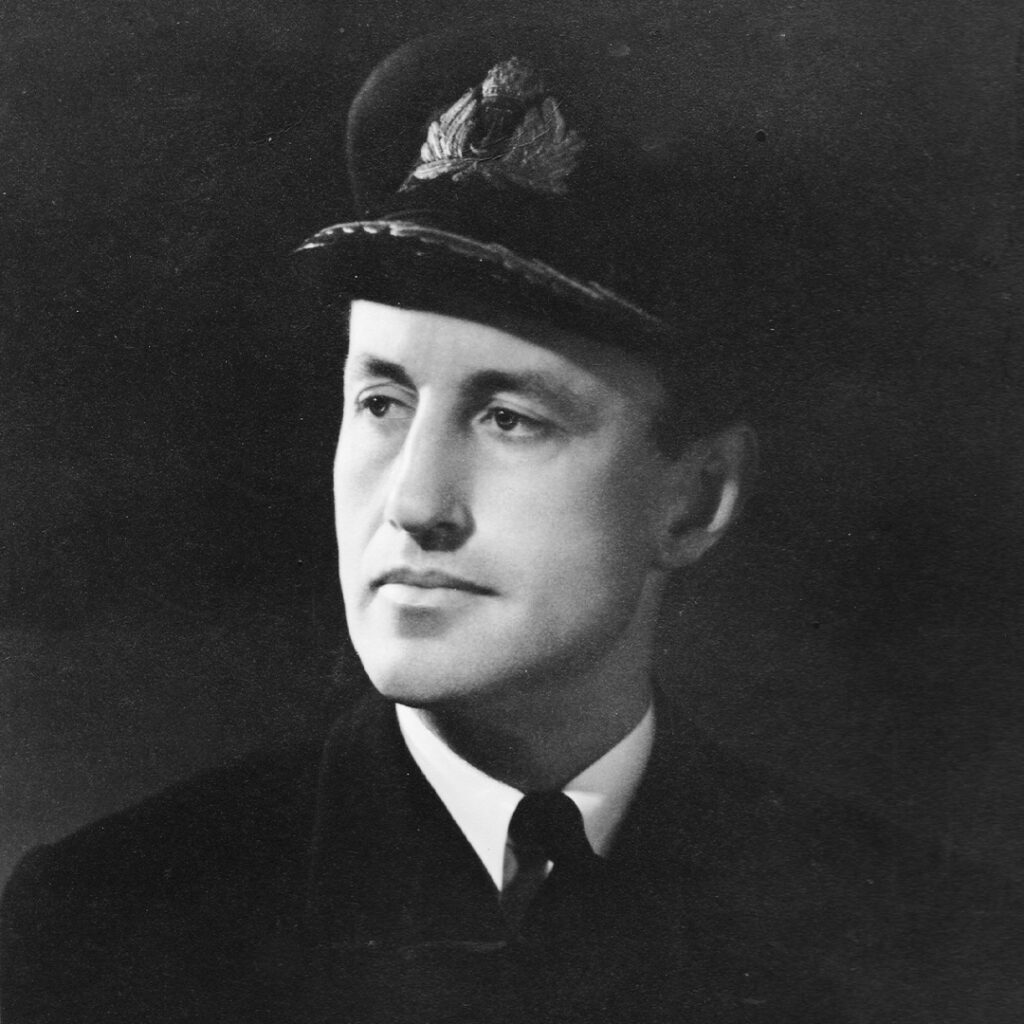
On 20th March, Ian Fleming, who was then personal assistant to the Director of Naval Intelligence (DNI), Admiral Godfrey, proposed the formation of a Special Intelligence Assault Unit (IAU) to help deal with this problem. This was not a new idea: the Germans had employed a similar unit during the Blitzkrieg and in their conquest of the Balkans, racing ahead of their frontline troops and capturing secret enemy documents and codes before they could be destroyed or removed. Fleming’s unit was to be focused on signals intelligence (SIGINT), initially just to aid Bletchley Park as it faced the four-rotor Enigma machine.
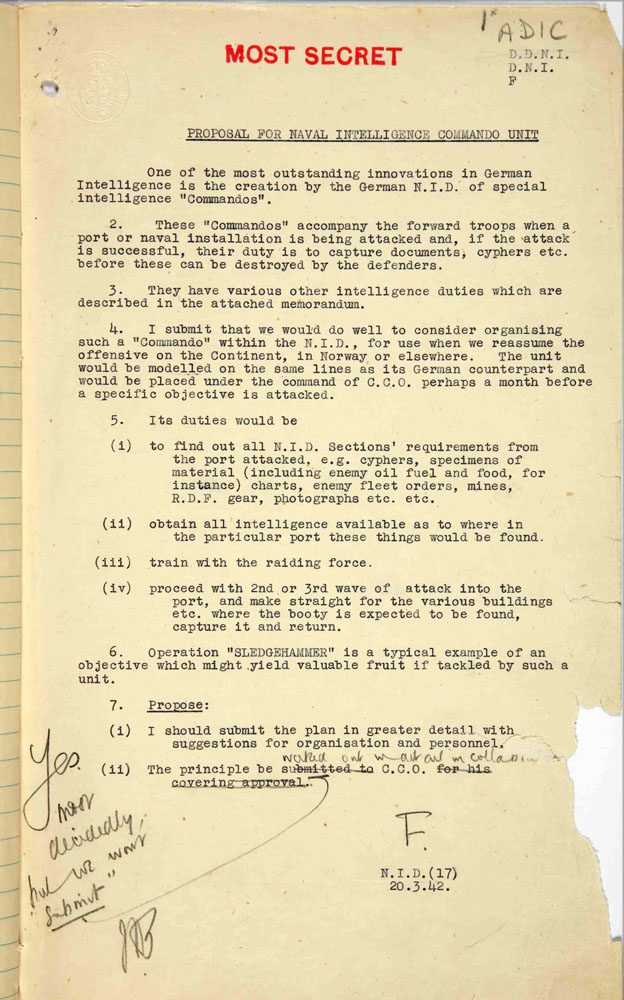
On 22nd July 1942, a meeting of the Joint Intelligence Committee, the most senior British intelligence level, was held to discuss the proposal and to decide, was there a need for a special Intelligence Assault Unit and what would its role be in the grand strategy? The unit was argued for strongly by Fleming and Admiral Godfrey and, with support from the Chief of Combined Operations, MI5 and MI6, the proposal was approved.
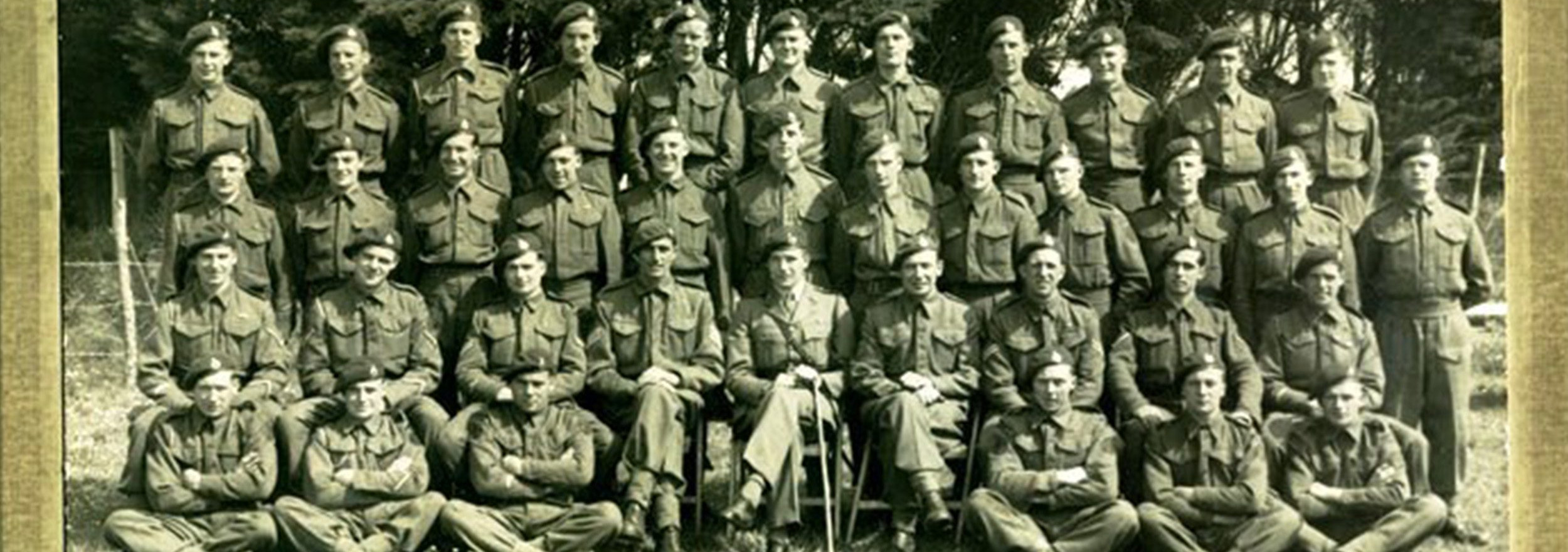
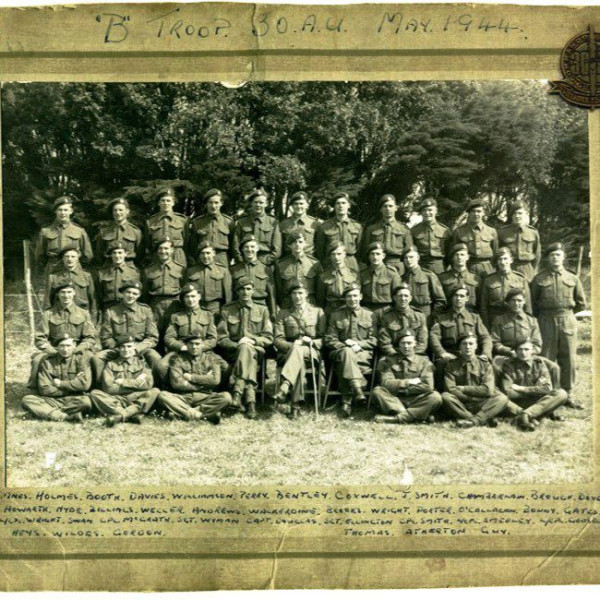
On 19th August, Fleming’s fledging IAU took part in the disastrous Dieppe raid. They failed to reach their target, the naval headquarters in the port, but the survivors of this group would go on to form the core of the unit, known as 30 Commando of the Special Engineering Unit.
Where did the 30 in the unit’s name come from? It’s speculated that the 30 comes from the room number of Miss Margaret Priestley, Fleming’s trusted secretary. A history professor from Leeds University, Margaret played a vital role in the running and administration of 30AU and is said to be inspiration for Miss Petty Pettaval, Fleming’s original name for Miss Moneypenny.
In Autumn 1942, Captain Robert Ryder VC, hero of Saint Nazaire, was appointed Commanding Officer (CO) of 30 Commando and Fleming’s new IAU began to take shape. Royal Marine, Army and Royal Navy elements were organised into three Sections: No. 33, No. 34 and No.36 respectively. Initially code-named the Special Engineering Unit, the unit reported to the Chief of Combined Operations, though the Admiralty retained ultimate control of No.36 Section. No.35 Section was left vacant for the RAF to utilise but the Air Ministry felt that they had no need for such a unit, although they did supply intelligence officers and specific targets to pursue after D-Day for ‘Operation Crossbow’.
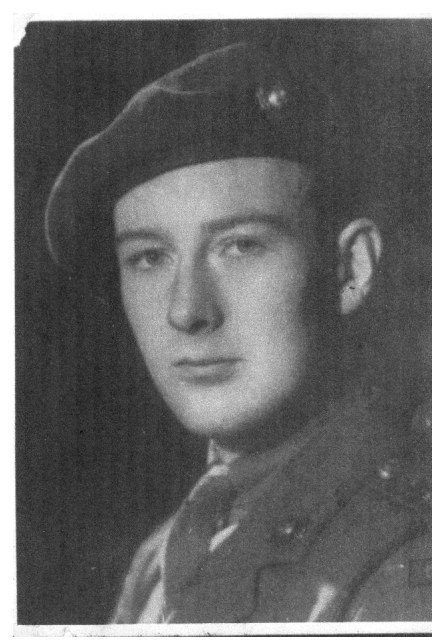
The Army section (34 Troop) was created under Major Cass, an experienced intelligence officer. Polar explorer Quintin Riley was appointed CO of the Naval section (36 Troop) and a young Royal Marine Captain, Peter Huntington-Whiteley, was appointed CO of the Royal Marine section (35 Troop).
Read part two of Dave Roberts’ definitive history, focusing on the missions of this extraordinary military unit, here. Find out more at the official 30 Commando website and social channels.