 Skip to main content
NEWS
Book Club Interview: Frederica Freer On The Lifeline
BECOME A FLEMING INSIDER > JOIN HERE
Book Club Interview: Frederica Freer On The Lifeline

Posted on 18 December, 2025
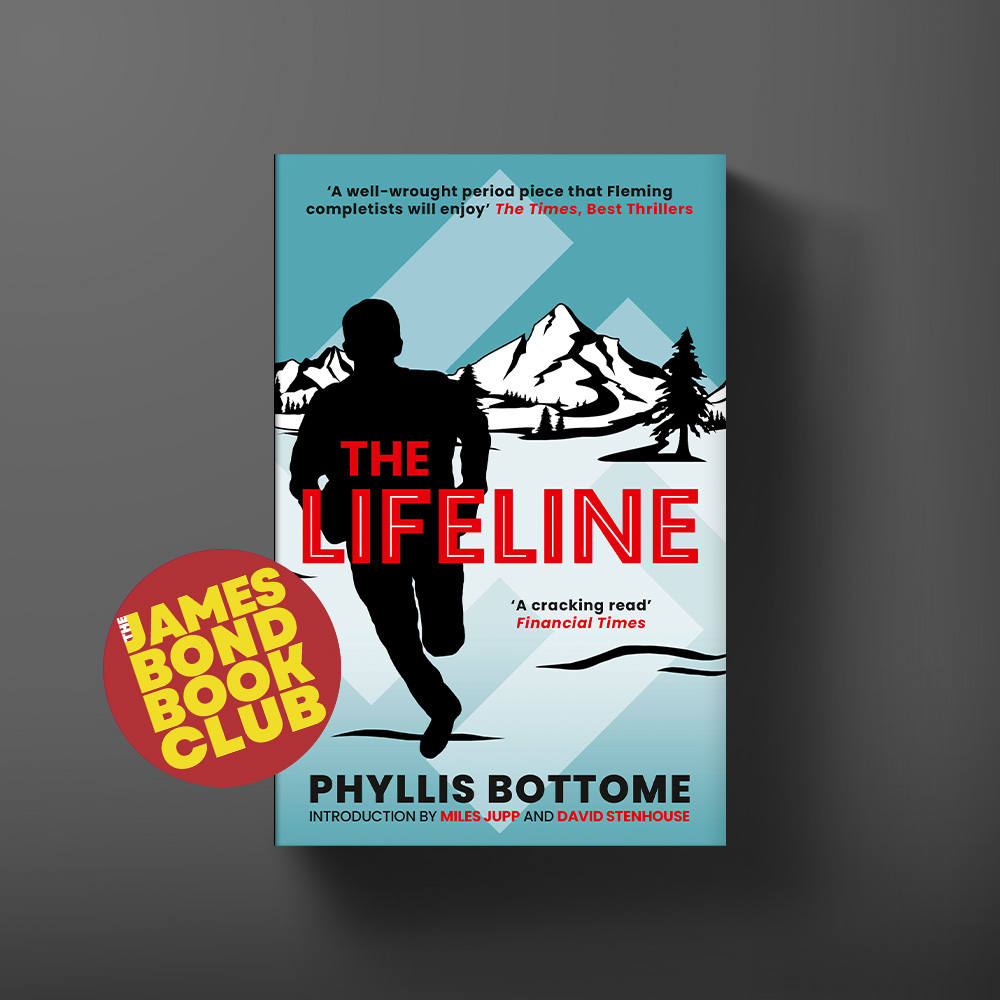
Join us for a deeper insight into our first James Bond Book Club pick, The Lifeline, as we sit down with Frederica Freer.
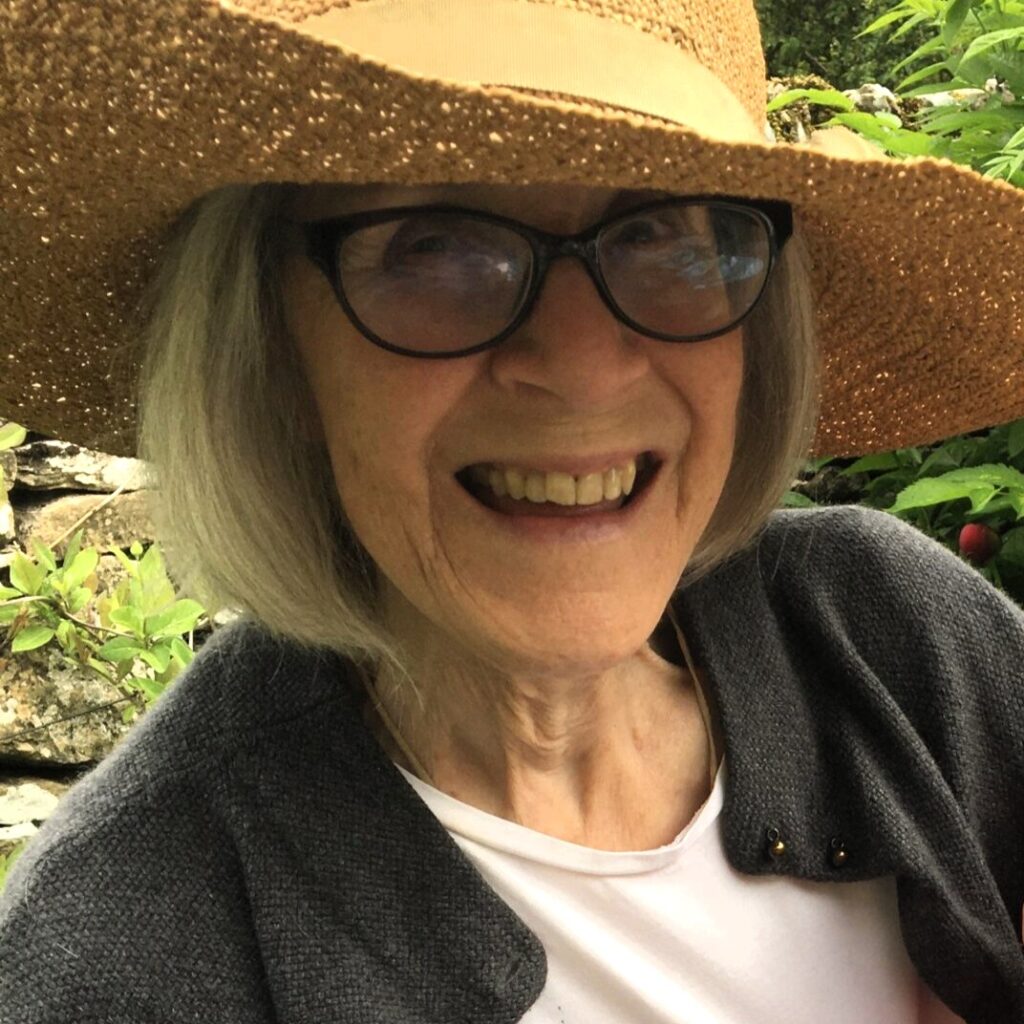
Can you introduce yourself and explain your connection to Phyllis Bottome?
I am Phyllis’s great-niece by marriage. I feel greatly privileged to have known Phyllis and her husband, Ernan Forbes Dennis, very well indeed.
How have her life and work influenced you?
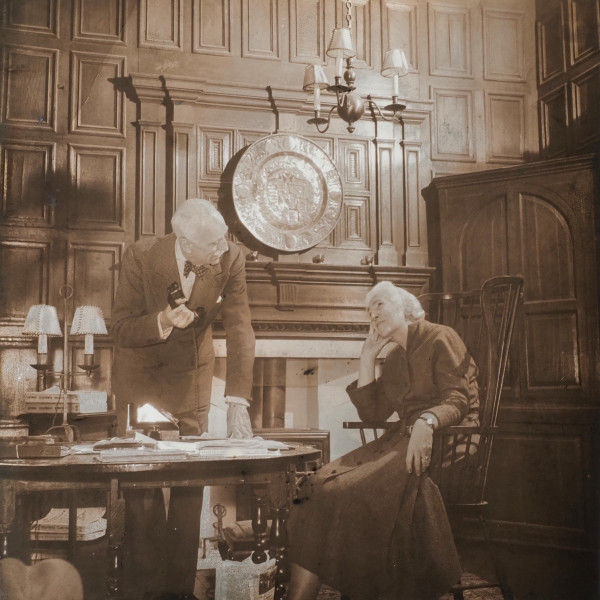
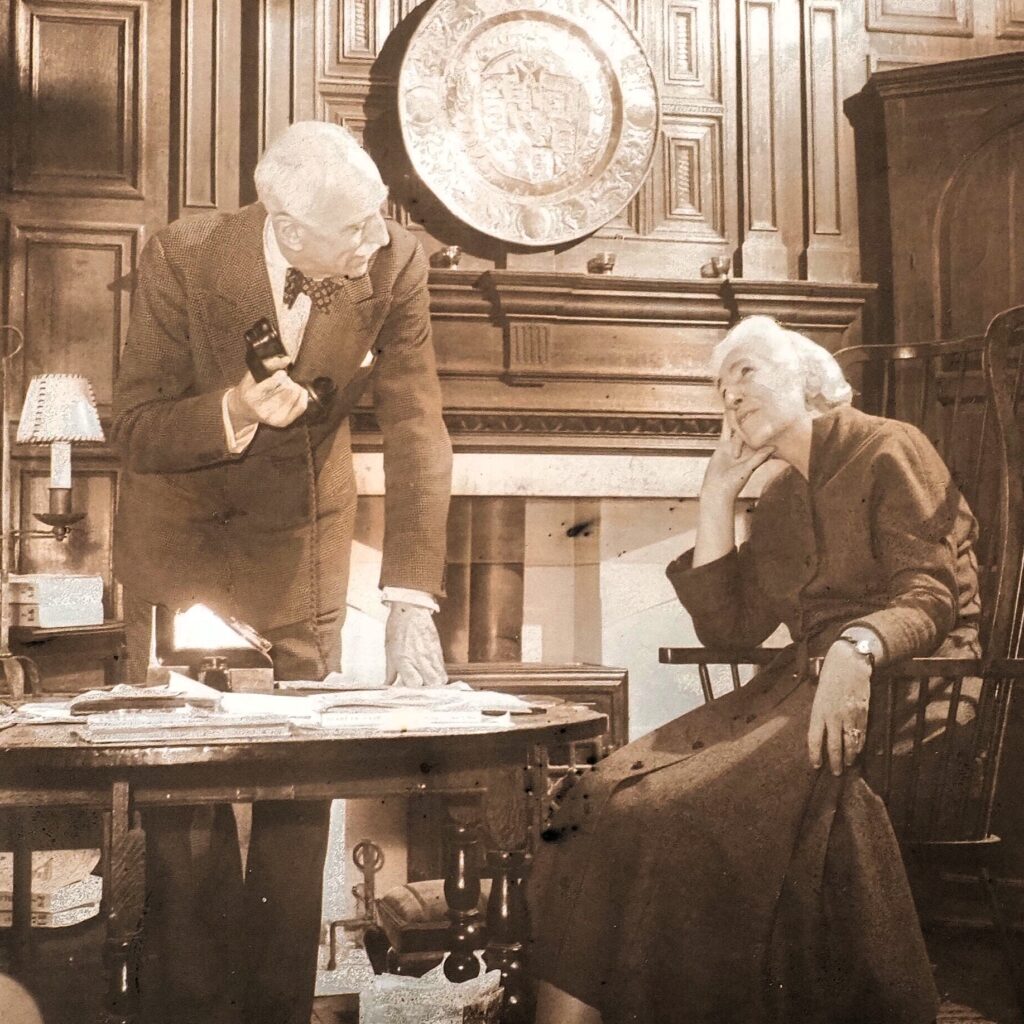
The influence of both Phyllis and her British Consul and ex-MI6 spy husband, Ernan Forbes Dennis, my great-uncle, has been profound in my life. Phyllis and Ernan rescued so many, in different ways: not only Ian Fleming and my father, the author Nigel Dennis, and me, but a great many Jewish families as well. They forged passports, something Ernan was able to do while serving as British Vice-Consul in Vienna between the Wars. Their helping and rescuing others left an enormous impression on me. They had no children of their own and were somehow free to see what was needed, what would help. While Ernan was posted in Vienna, Phyllis would lecture far and wide, including at the Wigmore Hall, warning of what was to come. I heard of her death in 1963 on the radio as I was leaving for work, when she was described as “the champion of the underprivileged and the misunderstood.”
Bottome’s novels are fundamentally moral in nature, often asking what courage looks like under political pressure. Where do you think her moral compass came from?
Yes, it’s hard to say. Her father was an American clergyman, which I’m sure would have had some influence on her upbringing.
Given Bottome’s connection with Adlerian psychology, how do you think her understanding of the human mind influenced her portrayal of espionage?
I have never considered this in depth before, but I do know how profoundly Alfred Adler helped them both. Phyllis was deeply interested in Adler’s ideas, particularly the belief that human behaviour is shaped by a need for belonging, purpose, and social responsibility. Those principles run through her novels. She wasn’t interested in espionage as glamour or adventure; she was interested in why people make the choices they do under pressure, what drives courage, and how individuals respond to feelings of powerlessness or injustice.
Can you tell us more about Tennerhof, the school run by Phyllis and her husband in the Austrian Alps? Why did they set it up, and what was life like there?
Phyllis had had tuberculosis and was not at all well. They were living in Vienna where Ernan was working. They decided that, for her health, it would be good to move up into the mountains and that Ernan should give up his diplomatic career.
The Tennerhof was a great success; the letters to Phyllis and Ernan from the students when they left are hugely touching. It was really a sort of finishing school/crammer where they studied hard and skied hard. Ernan was a splendid teacher: both a linguist and a musician. Many of the lessons were in French and German. In the evenings, after dinner, they would gather in the large elegant drawing-room where Phyllis, having spent much of her day writing, would join them, kindly going over and discussing their day’s work, the essays they had written, encouraging them, talking about life, their hopes, their dreams, their possible future careers.

Ian always described his days at the Tennerhof as “that golden time when the sun always shone.” And in a letter to Phyllis in 1960, he says, “My life with you both is one of my most cherished memories, and heaven knows where I’d be today without Ernan.” When Phyllis died, Ian wrote a moving tribute to her.
Pam [Hirsch]’s splendid and meticulously researched biography of Phyllis details this period beautifully.
Do you think that The Lifeline inspired the character of James Bond?
I think it is highly likely. Listening to the Miles Jupp 2016 BBC Radio discussion I couldn’t help thinking how pleased Phyllis would have been: to have been able to influence and help Ian to that extent. I doubt she’d have minded at all.
Finally, if you could only recommend one other book by Phyllis Bottome, what would it be and why?
The Mortal Storm – because it shows Phyllis at her very best. It captures, with great clarity, the human impact of Nazism as it took hold in Germany, and it does so through a deeply personal, compassionate story. It’s both a powerful warning and a very moving novel, which is why it became her most famous book and was adapted into the 1940 film starring James Stewart.
Why do you think there’s a resurgence of interest in Phyllis Bottome’s work and why should people read The Lifeline?
I think Phyllis is being rediscovered because what she wrote about – rising extremism, moral choices, and how people behave under pressure – feels very familiar again. She saw what was coming in the 1930s much earlier than most, and that makes her books feel surprisingly fresh now. There’s also new interest in writers, especially women, who weren’t properly recognised in their time. The Lifeline shows exactly why she matters: it’s gripping, compassionate and uncannily relevant today.
Find out why we chose The Lifeline as the first James Bond Book Club pick here and get your copy at the Ian Fleming Shop here.