 Skip to main content
NEWS
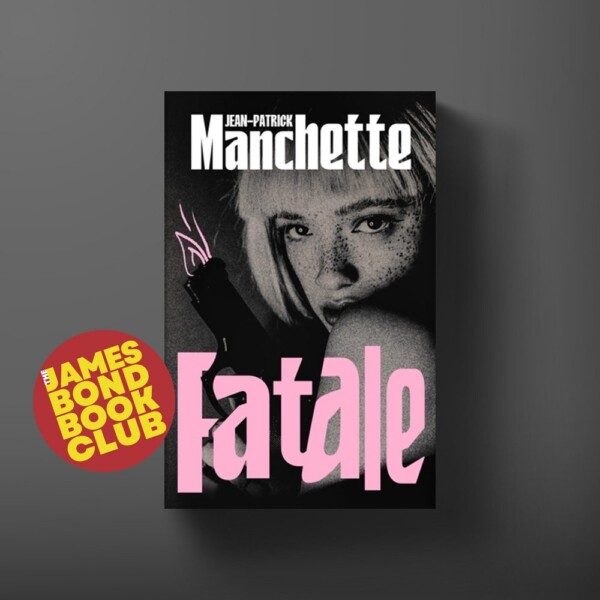
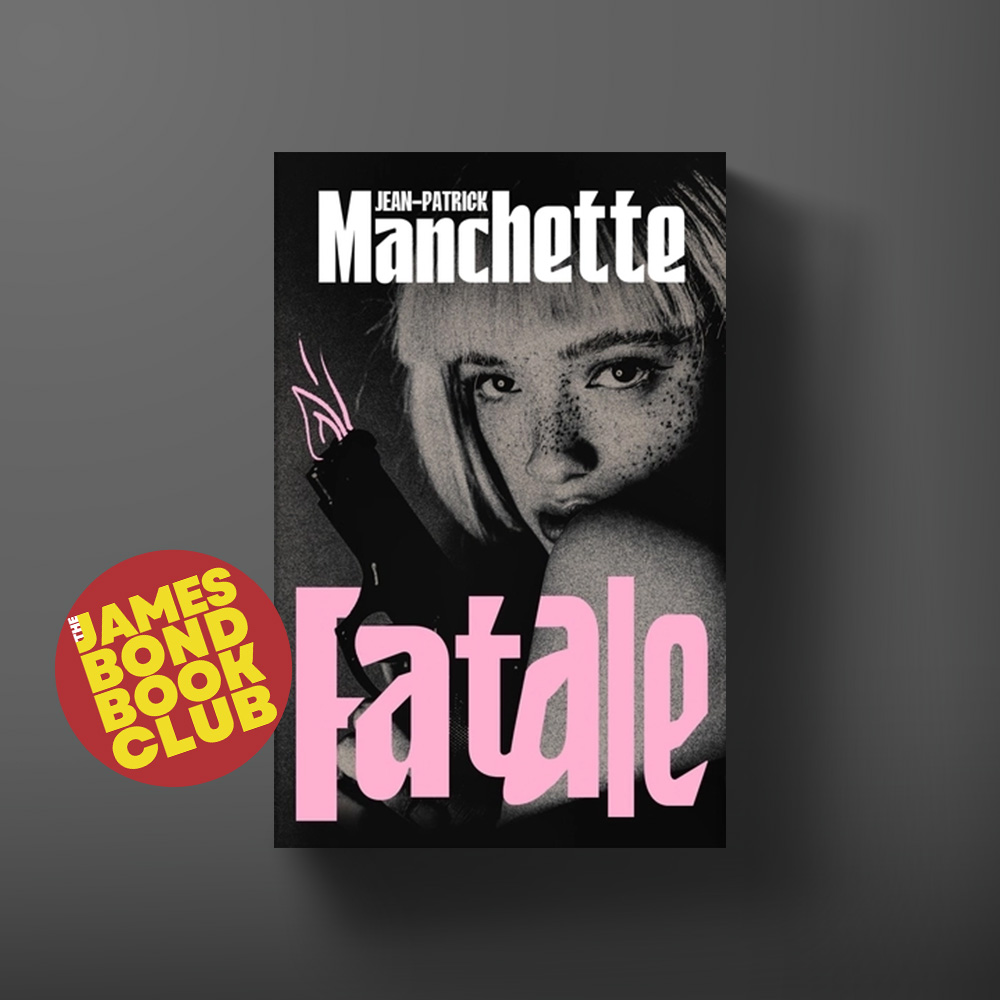
The James Bond Book Club Selection For February 2026 Is Fatale
BECOME A FLEMING INSIDER > JOIN HERE

The James Bond Book Club Selection For February 2026 Is Fatale

Posted on 5 February, 2026
Do you really need a licence to kill… to kill? This month at the James Bond Book Club, we’re diving into the darker corners of crime fiction and celebrating the reissuing of Jean-Patrick Manchette’s bloodthirsty thriller, Fatale. First released in 1977 and now recognised as a cornerstone of modern noir, Fatale is a ruthless, razor-sharp novel that strips the thriller down to its bare essentials.
We couldn’t wait to get our hands on this gorgeous new edition just published by Vintage Classics.
Aimée Joubert is a mysterious woman who arrives in a decaying French port town with no visible past and a quiet sense of purpose. She slips easily into the community, cultivating acquaintances and trust, all the while preparing a meticulously planned act of violence.
As her presence begins to destabilise the town’s corrupt ecosystem of businessmen, politicians, and criminals, Manchette unfolds a story that is as much about power and rot as it is about murder. Told with icy precision, the novel moves inexorably toward its conclusion, revealing how fragile social order becomes when confronted by someone who refuses to play by its rules.
What unfolds is not a traditional thriller, but a cold and unsettling study of control and destruction.
At Ian Fleming Publications we are drawn to stories that interrogate the figure of the professional killer – and Fatale offers one of the most bracing reframings of that role.
Like Bond, Aimée Joubert is a highly trained operative who kills on demand, operates behind carefully constructed identities, and moves through international spaces with lethal efficiency. But where Bond’s violence is embedded within the narrative authority of the state, Fatale, published in the late 1970s, arrives after that framework has begun to fray.
Aimée operates in a world where ideology offers no shelter, and professionalism is stripped of meaning. This shift in perspective is what makes Fatale so unsettling. By presenting a figure recognisably close to the spy archetype, yet removing the moral scaffolding that traditionally surrounds it, Manchette exposes the mechanics of violence without reassurance or redemption. There are no heroes here.
– Detachment. Aimée’s precision raises unsettling questions about violence as labor and what happens when skill is divorced from morality.
– Power and corruption. The novel dissects a town and a time characterised by greed.
– Identity as performance. Like the best espionage fiction, Fatale explores how personas are constructed.
– Gender and control. Aimée subverts expectations, weaponising others’ assumptions and exposing the vulnerabilities beneath masculine authority.
The Times – ‘France’s king of noir fiction…he writes with a bleak, tragic beauty.’
Big Issue – ‘Shocking, funny, sad, smart and cool… A macabre delight from start to finish.’
Complete Review – ‘A fist between the eyes, leaving the reader reeling… So devastating it takes your breath away.’
The Economist – ‘Manchette’s books are all action, unfolding with a laconic efficiency that would make his killers proud.’
New York Times – ‘I’d rather read Manchette than many contemporary noir writers.’
Jean-Patrick Manchette (1942–1995) was a French novelist, critic and screenwriter and a central figure in the néo-polar movement. His crime fiction fused hard-boiled American noir with radical political critique and his work is credited with reshaping the genre for a European and global audience. Fatale stands as one of his most refined and uncompromising works.
We hope you enjoy Fatale. Follow our social channels for discussions, highlights, and more.