 Skip to main content
NEWS
Book Club Interview: Nick Skidmore on Fatale
BECOME A FLEMING INSIDER > JOIN HERE

Book Club Interview: Nick Skidmore on Fatale
Posted on 20 February, 2026
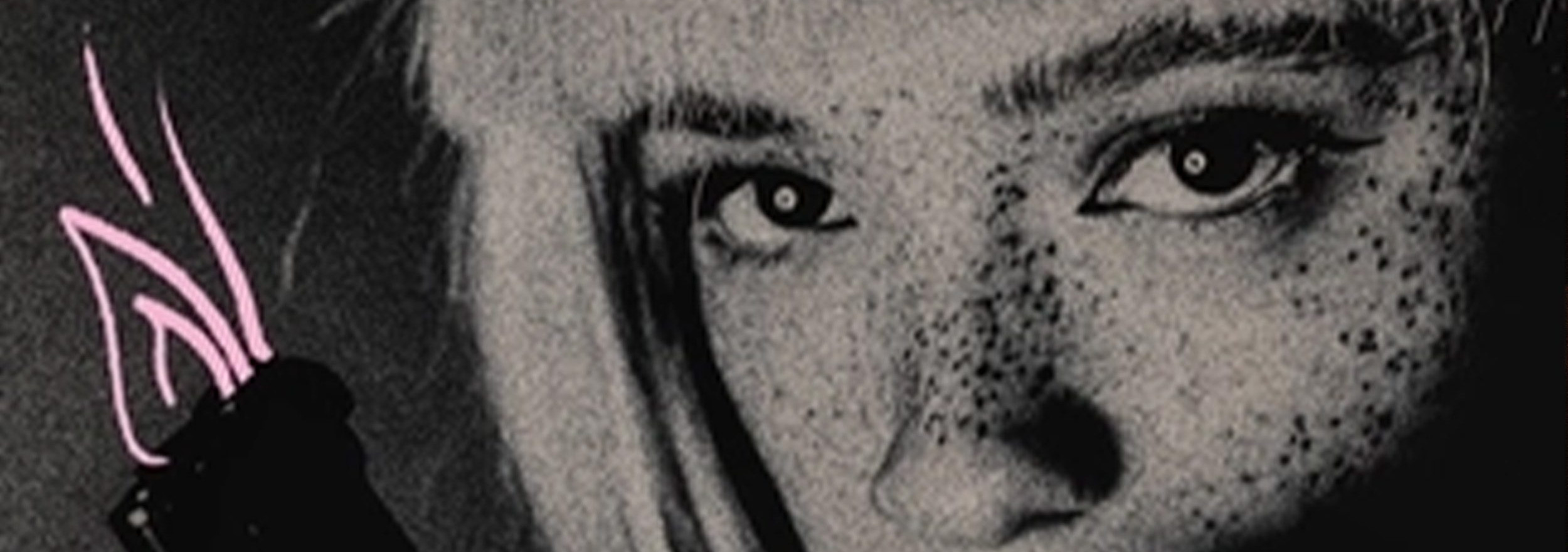
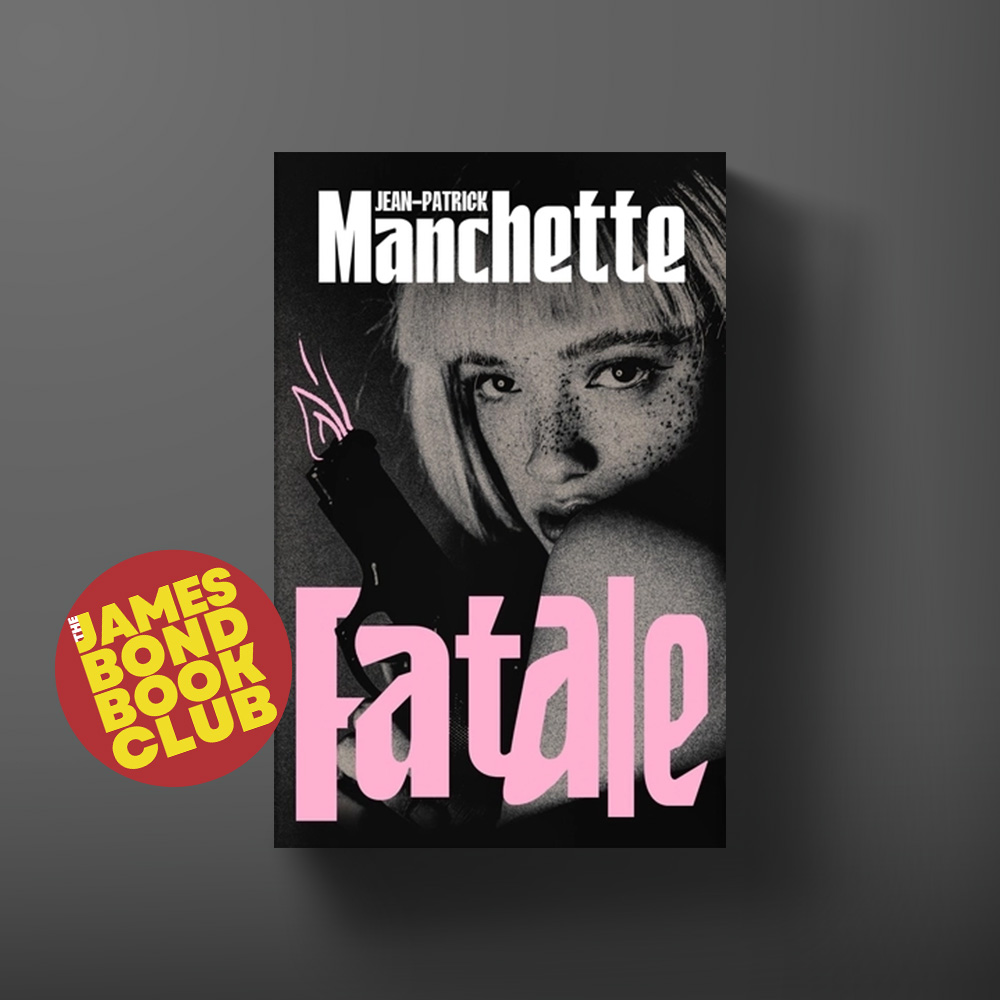
Dive deeper into our February Book Club pick, Fatale by Jean-Patrick Manchette, as we interview Nick Skidmore, the man behind the new Vintage Classics edition of this ruthless cornerstone of modern noir.
Can you tell us a bit about yourself and how you first encountered Manchette?
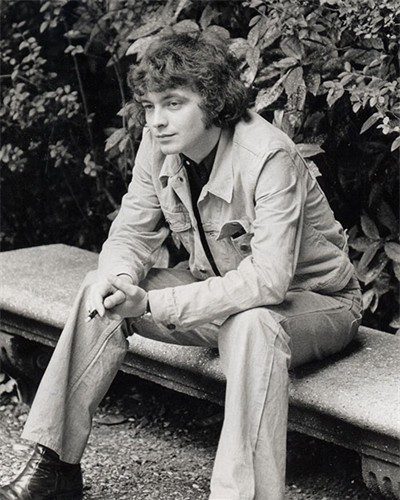
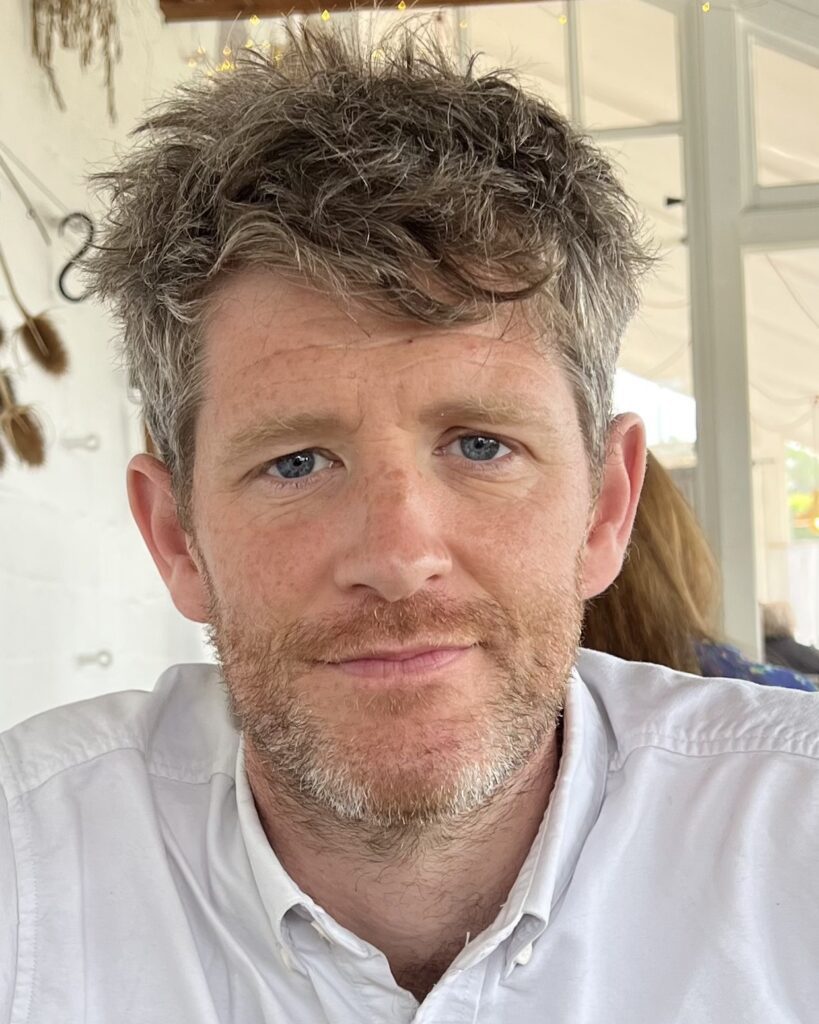
I’m Nick Skidmore and I’m the Publishing Director of Vintage Classics. I oversee the running of the classics list, which covers everything from considering the authors we bring to the list to guiding decisions around how we engage readers and retailers in our mission to do something a little different with Classics publishing. In this latter capacity, it was actually a brilliant Indie bookshop owner, Tom at Gloucester Rd Books, that put me on to Manchette. He’s a Manchette uber-fan and was lamenting how difficult it had been to stock NYRB’s editions here in the UK. Soon after I delved into Manchette’s books and knew we could and should find a dedicated place for him on our list. The fact he is so little here seemed, well, criminal.
What do you look for when it comes to publishing a classic crime novel?
Classics are read and beloved by a huge range of readers that cut across generations, demographics and appetites, and ideally we want to publish books that encourage everyone to engage with classic books. Some crime books will therefore be cozy or traditional, some might intersect with historical or political themes, and others will just be downright weird or quirky. I’m always on the lookout for books that can blend across these segments. For example, we have a brilliant novel called The Girls by John Bowen publishing in the summer that sees two women – a gay couple who own a craft store in a Cotswold village – murder a man and hide his body in a septic tank. It will appeal to both market town-dwelling readers looking for something rural and familiar, and fans of the weird and macabre – the kinds of readers we see gravitating to books by Ottessa Moshfegh or Daisy Johnson. To find a book that can unite two groups of readers feels like a special mission.
You’re publishing four of Manchette’s novels this year. Why now?
I always say that the art of re-publishing an old book is timing: some brilliant books can be reintroduced back into the world, but if the conditions aren’t there for it, it won’t flourish. Manchette feels ripe for our particular moment. He is a writer who is rallying against his present, violently cutting down all the idiocies and ideological positions of anyone or thing that claims the high-ground, and he writes, I think, with a filmic grace, a pace and brevity, that means the books will appeal to lots of readers struggling to find the time to fit books into their busy lives.
Readers of Fleming’s James Bond might expect clear heroes and villains, but Fatale operates in a much greyer moral space. Is that shift part of how noir evolved, and where does Manchette fit into that evolution?
I’m no expert on Noir, but a pessimistic outcome and moral ambiguity is part of its DNA. I think where Manchette deviates is there are rarely any heroes in his work, tragic or otherwise. He takes a more cosmic perspective on which scale we’re all operating out of misplaced instincts. He also took the American elements of Noir and found a way to plug that into the moment of French social change, so that he shows Noir isn’t about a sense of place but a particular ruthless mindset that stretches way beyond the borders of LA or wherever.
What do you think Manchette’s intentions were with this particular story?
Without condoning Aimee’s methods… That society is rotten from the very bottom, to the very top. And we should relish it being cleaned out.
When Manchette wrote Fatale it was rejected by his publisher, Série Noire, for being too literary. Manchette qualified it as an ‘experimental novel’ more than a thriller. Is the ‘too literary’ label a criticism, or the thing that makes it endure?
When I hear ‘too literary’ I also hear its inverse, ‘not generic enough’. Manchette has always been framed as a pioneer, a re-inventor of the crime genre in France, and yes, that endures. Fatale, and many of this other books, appeal today precisely because they don’t follow the rules of what’s been laid down by other writers – while the characters, violence and general criminality is guaranteed, you really are on the edge of your seat in their short pages because everything else is on the table.
And when we say ‘experimental,’ what does that actually feel like on the page?
I think the flow of the book, its pacing, is key – short, sharp chapters, powered on by a functionality to how Aimee operates and a glaze-like lack of interiority that allows the reader to skate through the book without ever really penetrating into the soul of any one character.
If you had to describe Fatale in three words, what would they be?
‘Violent’. ‘Vengeful’. And, most importantly, ‘Fun’.
Aimée often feels less like a main character and more like a presence moving through the town. Do you think Manchette is deliberately resisting reader identification with her, and if so, why?
Manchette isn’t the kind of writer to dwell on interiority. There’s a wonderful passage in one of his other books – The Prone Gunman – where the protagonist reads of the murder of his ex-girlfriend in the paper, and the narrator tries to guess what emotions might be going through his head based on his strained face. If I had to hazard a guess, I’d say that this resistance is a stylistic choice to ensure the reader never quite feels identification with his main characters – and also that there’s something very bourgeoise about feeling and its extreme sentimentality. But that’s just my guess!
Hitmen and professional killers show up often in Manchette’s work. Why do you think he returns to these figures so frequently?
Two brilliant Manchette books with hitmen in them are The Prone Gunman and Three to Kill. In the former, we follow the hitman. In the latter, it’s a man who goes from being hunted by a hitman to hunting the hitmen instead. In all of these characters, there’s something wonderfully other – the fact that hitmen exist outside the flow of society, observing, waiting, striking – that lends them as perfect vehicles for Manchette to tell stories that rally against the current world.
Which contemporary authors do you think Manchette would be reading or recommending if he were alive today and why?
Manchette was moving away from crime novels at the end of his life, and to me writers like Rachel Kushner or Ottessa Moshfegh feel like they occupy the same disaffected space. And of course, if we’re sticking to crime, a revolutionary writer like David Peace.
What else can we look forward to from Vintage Classics X Manchette?
We also published Manchette’s satirical take on revolution politics – Nada – this year, and later, in July, we have his pair of Noir detective thrillers, No Room at the Morgue and Skeletons in the Closet. The aim is to bring all his books here to the UK, something that hasn’t been done before, and feels like a very important mission.
Thanks to Nick. Find out why we chose Fatale for the James Bond Book Club here and get your copy at the Ian Fleming Shop here.